fbcode

Unveiling the Perfect Palette: A Guide to Kitchen Color Schemes in Singapore

Your kitchen is the heart of your home, a place where culinary creations come alive and memories are made. But beyond functionality, a well-designed kitchen should also be visually appealing, reflecting your personality and creating a space you love spending time in. Color plays a vital role in achieving this, setting the mood and influencing the overall ambience.

In Singapore’s vibrant landscape, where space optimization and light are often key considerations, choosing the right kitchen color scheme becomes even more important. This guide explores popular ideas kitchen color schemes in Singapore, along with tips and considerations to help you create a stunning and functional culinary haven.

Understanding Color Psychology in Your Singapore Kitchen

Before diving into specific color palettes, let’s delve into the psychology of color. Colors evoke emotions and can significantly impact the way we perceive a space.

  • Warm Colors (Reds, Oranges, Yellows): These colors exude energy and vibrancy, promoting conversation and stimulating the appetite. However, use them sparingly in small Singaporean kitchens as they can visually shrink the space.
  • Cool Colors (Blues, Greens): Cool colors promote feelings of calmness and tranquility, making them ideal for creating a relaxing atmosphere. Lighter shades of cool colors can also create an illusion of spaciousness.
  • Neutrals (Whites, Greys, Blacks): These versatile colors offer a timeless elegance and provide a clean canvas for bolder accents. White kitchens are particularly popular in Singapore for their ability to maximize light and create a sense of openness.

Popular Kitchen Color Schemes for Singapore

Now, let’s explore some popular kitchen color schemes ideas that are both trendy and well-suited for Singaporean homes:

  • Classic and Timeless: White Kitchens

White kitchens are a perennial favorite in Singapore, offering a clean, bright, and airy feel. This is especially beneficial in smaller kitchens as white reflects light, making the space appear larger. You can add depth and visual interest by incorporating contrasting elements, such as dark countertops, wood accents, or a patterned backsplash.

  • Sophisticated Elegance: Grey Kitchens

Grey kitchens exude a touch of sophistication and can be surprisingly versatile. Lighter shades of grey offer a similar feeling of spaciousness to white, while darker shades create a dramatic and modern look. Grey pairs beautifully with a variety of other colors, allowing you to personalize your space with pops of color through appliances, artwork, or accessories.

  • Earthy Harmony: Green Kitchens

Green kitchens evoke a sense of nature and tranquility, perfect for creating a calming and inviting space. Lighter shades like sage green or mint green are ideal for smaller kitchens, while bolder shades like olive green can add a touch of drama. Green pairs beautifully with natural wood tones, creating a warm and grounded atmosphere.

  • Energetic Charm: Yellow Kitchens

Yellow kitchens are a breath of sunshine, perfect for injecting a dose of energy and vibrancy into your space. However, use yellow thoughtfully in Singaporean kitchens. Opt for lighter shades like lemon yellow or pale gold to avoid overwhelming the space. Yellow pairs well with white for a classic look or with grey for a more modern feel.

  • Bold and Dramatic: Black Kitchens

Black kitchens can be a showstopper, creating a sleek and sophisticated atmosphere. However, they require careful planning for Singaporean homes. Consider incorporating open shelving or white countertops to balance the darkness and ensure proper lighting to prevent the space from feeling too cramped.

  • Two-Tone Symphony: Combining Colors

Don’t be afraid to experiment with combining two colors for a more dynamic look. Popular combinations include white with wood accents, grey with pops of blue, or black with white countertops. Ensure the colors you choose complement each other and consider the overall balance within your space.

Additional Considerations for Choosing Your Kitchen Color Scheme in Singapore

  • Natural Light: Singapore kitchens often benefit from maximizing natural light. Consider how your chosen color scheme will affect the flow of light throughout the space. Lighter colors will enhance natural light, while darker colors might require additional artificial lighting.
  • Kitchen Size: As mentioned earlier, consider the size of your kitchen when choosing a color scheme. Lighter and cooler colors are generally more suitable for smaller kitchens to create an illusion of spaciousness.
  • Kitchen Style: Your chosen color scheme should complement the overall style of your kitchen. For example, a modern kitchen might benefit from bold or contrasting colors, while a traditional kitchen might look best with classic whites or earth tones.
  • Personal Preferences: Ultimately, the best color scheme for your kitchen is the one that reflects your personal style and preferences. Consider the mood you want to create and choose colors that evoke those feelings.

Tips for Creating a Cohesive Kitchen Color Scheme

  • The Rule of Three: Limit your color palette to three main colors – one dominant color for the cabinets or walls, a secondary color for countertops or backsplash, and an accent This helps maintain a balanced and visually pleasing look.
  • Sample and Experiment: Don’t just rely on digital visualizations. Paint samples on your kitchen walls and observe them in different lighting conditions throughout the day. Consider getting cabinet door samples as well to see how the colors interact with your chosen materials.
  • Flooring Matters: The color of your flooring will also play a role in your overall color scheme. Light-colored floors work well with a wider range of colors, while darker floors can add a touch of drama but might limit your choices for other elements.
  • Consider Your Backsplash: The backsplash is a great opportunity to introduce a pop of color or pattern without overwhelming the space. Choose a backsplash that complements your overall color scheme and adds a touch of personality.
  • Don’t Forget the Appliances: The color of your appliances can also impact your kitchen’s overall look. Stainless steel appliances are a classic choice that goes well with most color schemes. However, you can also consider black or white appliances for a more modern look, or even colorful appliances to add a playful touch.

Beyond Color: Additional Design Elements for Your Singapore Kitchen

While color is a crucial element, it’s just one piece of the puzzle. Here are some additional design elements to consider for your Singapore kitchen:

  • Lighting: Proper lighting is essential for both functionality and ambience. Layered lighting with a combination of overhead lighting, task lighting under cabinets, and pendant lights over the sink or island can create a well-lit and inviting space.
  • Cabinetry: The material and style of your cabinets significantly impact the look and feel of your kitchen. From sleek modern cabinets to classic shaker cabinets, there are a variety of options to choose from. Consider the overall style of your kitchen and the storage needs when making your selection.
  • Countertops: Countertops are another important design element that needs careful consideration. Popular choices in Singapore include granite, quartz, laminate, and solid surface materials. Each material offers unique benefits in terms of durability, aesthetics, and cost.
  • Flooring: Kitchen flooring needs to be durable, water-resistant, and easy to clean. Popular options in Singapore include tiles, vinyl flooring, and engineered wood. Consider the amount of traffic your kitchen receives and choose a material that can withstand the wear and tear.

Conclusion

Creating a kitchen design ideas Singapore requires careful planning and consideration. By understanding the psychology of color, exploring popular color schemes, and keeping in mind the unique aspects of Singaporean homes, you can choose a color palette that reflects your personality and creates a space you’ll love cooking and spending time in. Remember, there are no hard and fast rules – experiment, have fun, and don’t be afraid to express your unique style!

Ready to bring your dream kitchen to life? Elpis Interior Design, a leading Singaporean design firm, can help you navigate the entire process, from choosing the perfect color scheme to selecting materials and finishes. Our experienced designers will work closely with you to understand your vision, budget, and lifestyle needs, and create a kitchen that is both beautiful and functional.

Sharing Your Kitchen with Your Pets: A Guide to Pet-Friendly Kitchen Design in Singapore

Singapore’s vibrant city life extends beyond the hustle and bustle. Many Singaporean homes are havens for furry (or feathery) companions. But our love for pets can sometimes clash with the functionality of our living spaces, especially in compact kitchens. Fear not, pet owners! Creating a pet-friendly kitchen that’s both stylish and safe for your furry friend is absolutely achievable.

This guide explores essential considerations and design tips for a pet-friendly kitchen in Singapore.  From choosing the right materials to incorporating dedicated pet zones, we’ll ensure your kitchen caters to both your culinary needs and your pet’s well-being.

Understanding Your Pet’s Needs

Before diving into kitchen design elements, take a moment to consider your pet’s specific needs. Here are some key factors to keep in mind:

  • Size and Breed: Larger dogs might require dedicated feeding stations and higher water bowls, while smaller pets might benefit from easily accessible food and water sources. Certain breeds might be prone to counter-surfing, which needs to be factored into your design choices.
  • Behavior: Does your pet tend to be curious or mischievous?  Anticipate these tendencies by implementing safety measures like keeping cleaning supplies out of reach.
  • Feeding Habits: Consider how your pet eats. Does your dog make a mess while eating?  A designated feeding area with an easy-to-clean surface might be necessary.

Pet-Friendly Materials for Your Singapore Kitchen

The materials you choose for your kitchen play a crucial role in creating a kitchen design Singapore pet-friendly space. Here are some key considerations:

  • Flooring: Opt for durable and easy-to-clean floors like ceramic tiles or vinyl flooring. These surfaces are resistant to scratches from claws and spills, making them ideal for pet-filled kitchens. Avoid  carpets, which can trap fur and harbor allergens.
  • Countertops: Granite, quartz, or laminate countertops are all good options as they are scratch-resistant and easy to wipe clean. While stunning, avoid natural stone countertops like marble, as they can be easily scratched by claws.
  • Cabinetry: Consider opting for cabinets with a smooth, easy-to-clean finish. Avoid cabinets with exposed hinges or knobs that curious pets might chew on.
  • Backsplash: A tile backsplash is a great choice for a pet-friendly kitchen. It’s easy to clean and can withstand splashes and spills.

Designing with Your Pet in Mind: Functional Elements

  • Designated Feeding Station: Create a dedicated feeding station for your pet. This could be a designated space on the floor with a sturdy food and water bowl or a pull-out drawer with built-in bowls.  Elevate bowls for larger dogs to promote better posture and digestion.
  • Pet-Proof Storage: Keep cleaning supplies, medications, and other potentially harmful items out of reach from curious pets. Utilize locked cabinets or high shelves for safe storage.
  • Easy-Clean Appliances: Opt for appliances with smooth surfaces and minimal nooks and crannies where food debris can accumulate. Consider appliances with stainless-steel finishes as they are easy to wipe down and fingerprint-resistant.
  • Waste Management: Keep your trash bin secured with a lid that your pet can’t open. Consider a step-on trash can for added security.
  • Pet Waste Disposal: Designate a specific area for pet waste disposal. This could be a hidden bin integrated into your cabinetry or a designated space near the back door.

Creating a Safe and Comfortable Space for Your Pet

  • Pet Beds and Mats:  Provide a comfortable resting spot for your pet in the kitchen. Choose a washable bed or mat that can be easily cleaned.
  • Hiding Spots: Some pets might appreciate having a designated hiding spot in the kitchen, especially during busy times. This could be a cubby hole under the counter or a designated space behind a cabinet with a soft blanket.
  • Vertical Space Utilization: Consider utilizing vertical space for your pet’s needs. Wall-mounted food and water bowls or elevated platforms for beds can free up floor space and keep your pet safe from spills or hot appliances.

Keeping Your Pet-Friendly Kitchen Stylish

A pet-friendly kitchen doesn’t have to compromise on style!  Here are some tips:

  • Color Choices:  While lighter colors might show dirt more easily, they can brighten up your space and create an illusion of spaciousness. Consider opting for washable paint finishes or wipeable wallpaper for easy maintenance.
  • Pet-Friendly Accessories:  There are a variety of pet-friendly accessories available, such as stylish food bowls, mats, and even leash holders that can complement your kitchen’s overall design aesthetic.
  • Incorporate Nature: Plants can add a touch of life and vibrancy to your kitchen, but choose pet-safe varieties like spider plants, snake plants, or bromeliads.
  • Hidden Functionality:  Integrate pet-friendly features seamlessly into your kitchen design. Consider built-in dog bowls that slide out from drawers or hidden litter box stations disguised as cabinets.

Additional Considerations for Small Singaporean Kitchens

Space optimization is key in many Singaporean kitchens. Here are some additional tips for incorporating pet-friendly elements into a compact space:

  • Foldable or Collapsible Furniture: Utilize foldable or collapsible furniture like feeding stations or pet beds that can be easily tucked away when not in use.
  • Wall-Mounted Solutions: Maximize vertical space with wall-mounted food and water bowls, leash holders, or even small shelves for pet supplies.
  • Under-Cabinet Storage: Utilize under-cabinet space for storing pet food, treats, and leashes, keeping them readily accessible while maintaining a clutter-free look.

Living in Harmony with Your Pet in the Kitchen

Creating a pet-friendly kitchen fosters a more comfortable and enriching environment for both you and your furry companion. Here are some additional tips for living harmoniously with your pet in the kitchen:

  • Train Your Pet: Training your pet with basic commands like “leave it” or “stay” can go a long way in ensuring their safety and preventing unwanted behavior in the kitchen.
  • Supervise During Mealtimes:  Supervise your pet during mealtimes to prevent counter-surfing or food thievery.
  • Regular Cleaning:  Maintain a clean and tidy kitchen to minimize the risk of your pet ingesting harmful items. Regularly vacuum floors and wipe down surfaces.
  • Provide Enrichment:  Keep your pet mentally stimulated with toys and chew toys to prevent them from getting bored and engaging in destructive behavior.

Conclusion

With thoughtful planning and design choices, you can create a beautiful, functional, and pet-friendly kitchen design Singapore. Remember, prioritizing both your needs and your pet’s well-being will ensure a happy and harmonious space for everyone. So unleash your creativity, embrace pet-friendly design elements, and get ready to enjoy countless culinary adventures with your furry (or feathery) friend by your side!

Ready to create a dream kitchen for you and your pet?  Contact Elpis Interior Design today for a free consultation. Let’s discuss your pet’s needs and explore design options that are both stylish and functional. We can’t wait to help you create a kitchen where everyone thrives!

Illuminating Your Needs: A Guide to Bathroom Lighting Design in Singapore

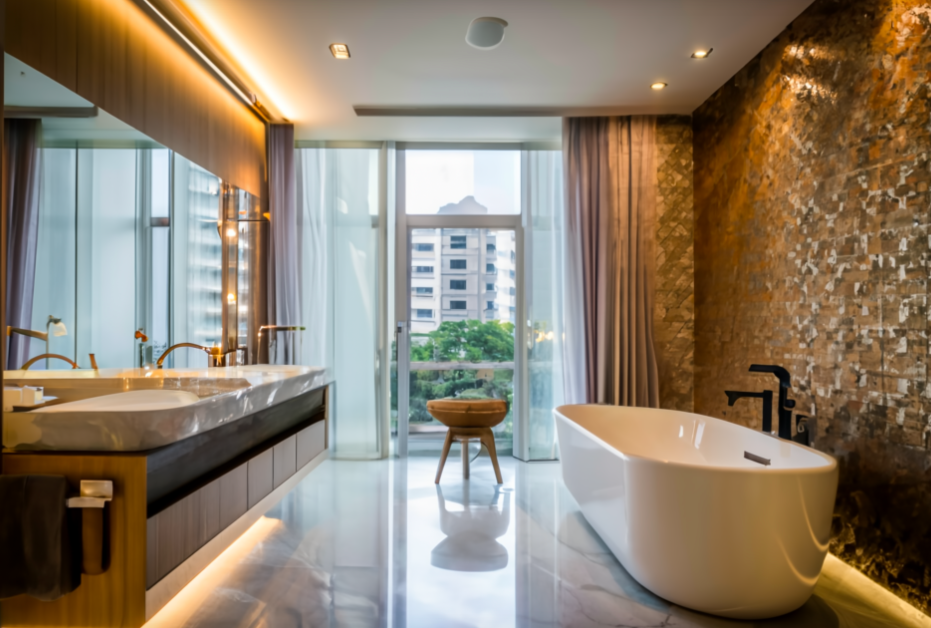
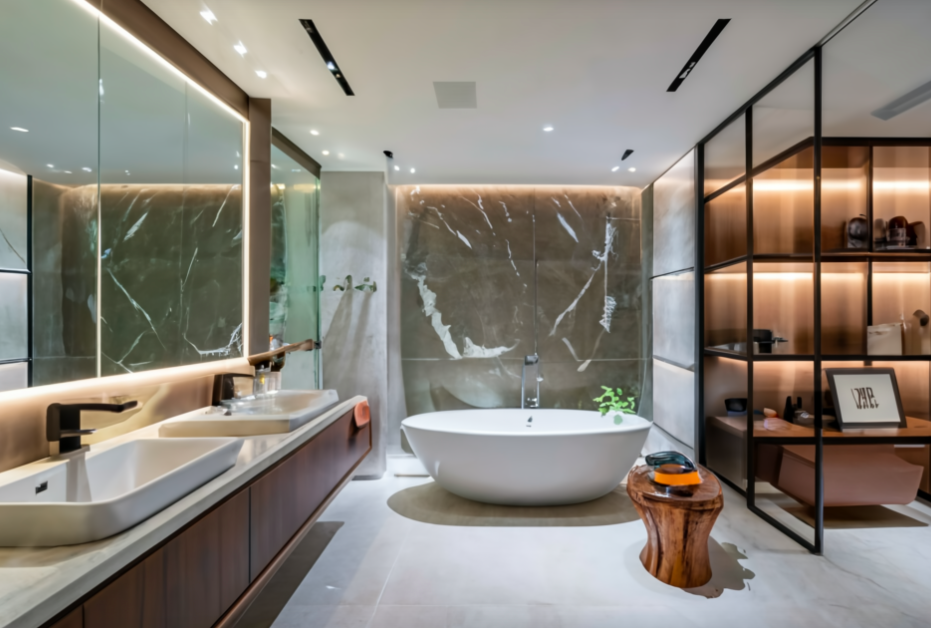
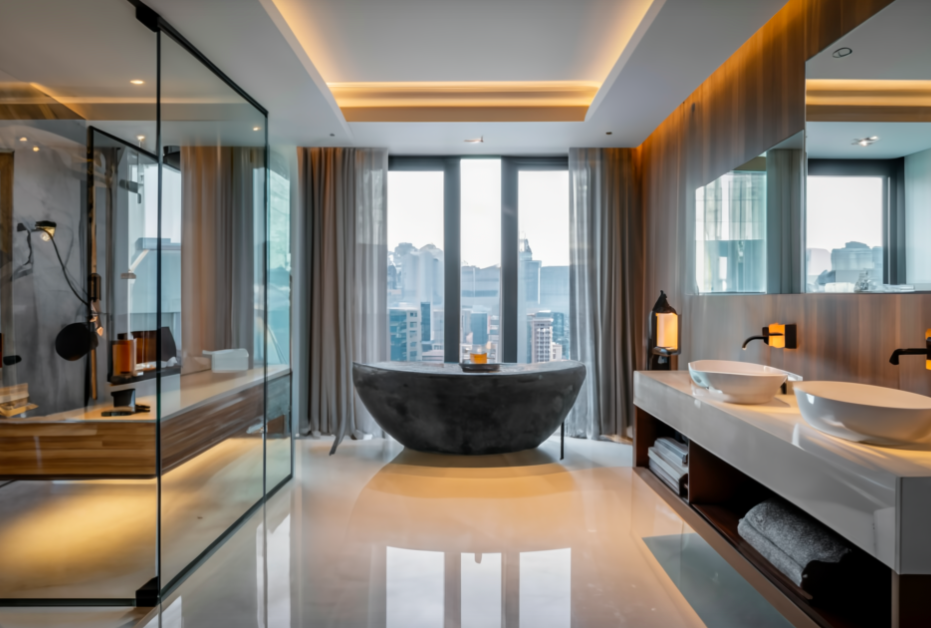
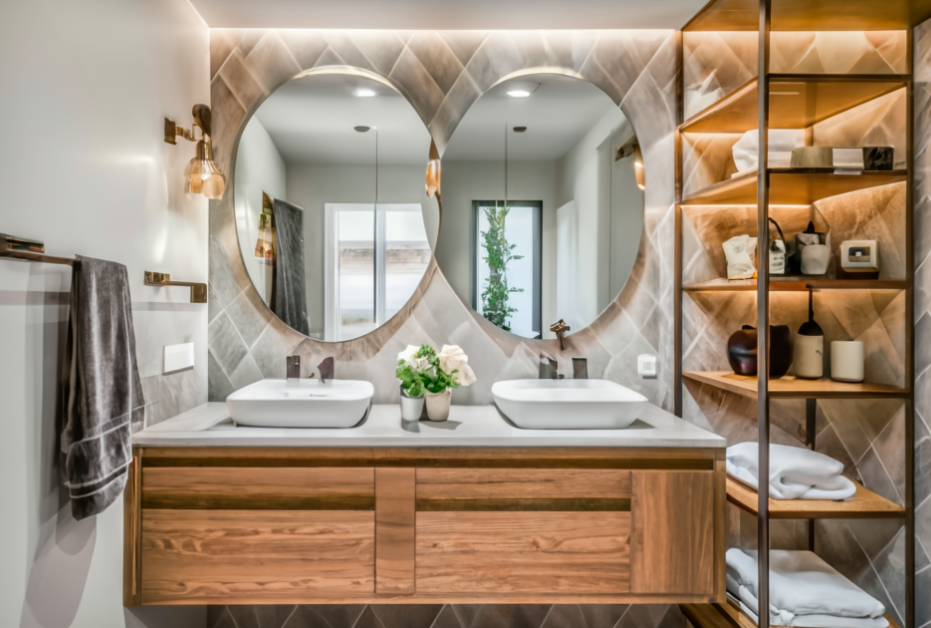
The bathroom is a sanctuary for relaxation and rejuvenation. But a poorly lit bathroom can hinder functionality and create an uninviting atmosphere. Here’s a comprehensive guide to bathroom lighting design, exploring different lighting needs and offering practical solutions for creating a well-illuminated and stylish bathroom space.

Understanding the Layers of Bathroom Lighting

Effective bathroom lighting goes beyond a single overhead light.  A layered approach ensures optimal functionality and ambience. Here are the three key layers of bathroom lighting:

  • Ambient Lighting: This provides overall illumination for the entire bathroom.  Common choices include ceiling lights, recessed fixtures, or wall sconces. Opt for warm white or neutral white light for a balanced and inviting ambience.
  • Task Lighting:  Task lighting focuses on specific areas requiring brighter light for tasks like applying makeup, shaving, or grooming.  This typically includes vanity lighting positioned on either side of the mirror or above it. Consider adjustable task lighting for added functionality.
  • Accent Lighting:  Accent lighting adds a touch of drama and highlights specific features in your bathroom.  This could be used to showcase artwork, illuminate a bathtub niche, or create a relaxing spa-like atmosphere with strategically placed sconces or strip lights.

Designing for Different Needs

The Everyday Bathroom:

  • Ambient Lighting: A central ceiling fixture or recessed downlights provide overall illumination. Choose a warm white color temperature for a welcoming atmosphere.
  • Task Lighting: Vanity lighting is crucial. Opt for sconces on either side of the mirror or a light bar above the mirror. Consider dimmable options for adjusting the brightness based on needs.
  • Accent Lighting (Optional): Incorporate recessed lighting in a shower niche or under-cabinet lighting to add a touch of luxury.

The Spa-Inspired Bathroom:

  • Ambient Lighting: Dimmer switch on the central light allows for adjusting the brightness to create a relaxing ambience. Consider warm white LED bulbs for a soft and calming effect.
  • Task Lighting: Task lighting remains important for vanity areas. Opt for dimmable sconces on either side of the mirror for adjustable brightness.
  • Accent Lighting: This is where your spa-like atmosphere comes alive! Incorporate LED strip lights under the bathtub or shower ledge to create a serene ambience. Waterproof recessed lighting within the shower can enhance functionality and add a touch of luxury. Consider dimmer switches for all accent lighting for ultimate control over the mood.

The Small Bathroom:

  • Maximize Ambient Lighting: A single, central ceiling light fixture with a bright bulb might be sufficient for a small bathroom. Opt for a frosted glass shade to diffuse the light evenly.
  • Task Lighting: A light bar above the mirror or a single sconce above the mirror can provide adequate task lighting without overwhelming the limited space.
  • Minimize Accent Lighting: Due to space constraints, accent lighting might not be necessary. However, a small waterproof LED light within the shower niche can add a touch of visual interest without sacrificing functionality.

Additional Considerations for Bathroom Lighting

  • Color Temperature: Warm white (around 3000K) or neutral white (around 4000K) light temperatures are ideal for bathrooms. They provide adequate illumination without being harsh or creating an overly clinical feel.
  • Dimming Capabilities: Dimmers offer ultimate control over the ambience, allowing you to adjust the brightness based on your needs. This is especially beneficial for creating a spa-like atmosphere or for tasks like applying makeup.
  • Moisture Resistance: Bathrooms are high-humidity environments. Opt for lighting fixtures specifically designed for damp locations to ensure safety and longevity.
  • Ventilation: Proper ventilation is crucial in bathrooms to prevent moisture build-up and mold growth. Ensure your chosen fixtures don’t obstruct ventilation fans or vents.

Elpis Interior Design: Illuminating Your Dream Bathroom

Elpis Interior Design, a leading Singaporean design firm, understands the importance of well-designed bathroom lighting. Our experienced designers will work closely with you to understand your specific needs and bathroom renovation Singapore preferences. We’ll create a customized lighting plan that ensures optimal functionality, complements your bathroom’s design aesthetic, and creates the perfect ambience for relaxation and rejuvenation.

Contact Elpis Interior Design today for a free consultation and let’s illuminate your dream bathroom!


From Concept to Collaboration: The Singaporean Office Design Process with Your Dream Designer

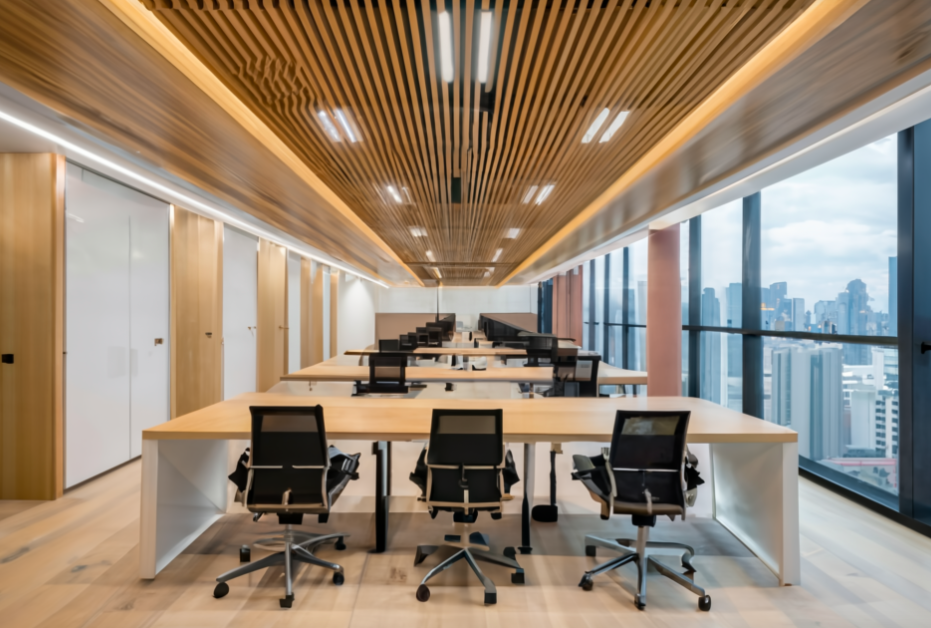
Singapore’s business landscape thrives on innovation and efficiency.  A well-designed office fosters not only productivity but also employee well-being and company culture.  But where do you begin? Here’s a comprehensive guide exploring the office design process in Singapore, with a focus on collaborating with a skilled local designer to create an inspiring and functional workspace.

Understanding Your Needs: The Foundation of a Successful Design

Before diving into aesthetics, a clear understanding of your company’s needs is crucial. Here’s what your Singaporean designer will want to know:

  • Company Culture and Values:  What is your company culture like?  Collaborative, innovative, or fast-paced?  Understanding your core values helps the designer create a space that reflects and reinforces them.
  • Workstyle Analysis:  How does your team work?  Do they require dedicated workstations, quiet zones for focused work, or open collaboration areas?  Analyzing workstyles ensures the design caters to your team’s specific needs.
  • Space Utilization and Functionality:  How will you utilize the office space?  Do you need private meeting rooms, breakout areas for brainstorming sessions, or relaxation zones for employee well-being?  Optimizing space utilization is key to maximizing functionality.
  • Budget Considerations:  Be upfront about your budget. This allows your designer to suggest realistic options for furniture, materials, and technology integration.

The Collaborative Design Process: A Step-by-Step Guide

Once you’ve established your needs, the design process unfolds in collaboration with your Singaporean designer:

  • Initial Consultation:  This initial meeting allows you to discuss your vision, company culture, and budget. The designer will ask questions to understand your needs and expectations.
  • Space Planning and Measurement:  Your designer will visit your office space to measure, assess existing infrastructure, and discuss potential layout configurations.
  • Conceptual Design Phase:  Based on your discussions, the designer will present initial design concepts.  This might include mood boards, floor plans, and 3D renderings to visualize the proposed layout and aesthetic.
  • Feedback and Refinement:  Open communication is key. Provide honest feedback on the initial concepts.  Your designer will refine the design based on your input, ensuring it aligns perfectly with your vision.
  • Material Selection and Sourcing:  Once the design is finalized, the designer will assist with selecting furniture, materials, and finishes that meet your needs, budget, and aesthetic preferences.  Local designers have a strong understanding of Singapore’s market and can source high-quality products at competitive prices.
  • Project Management and Execution:  Your designer will manage the procurement of furniture, materials, and contractors for renovation works. They will ensure the project stays on track and within budget.
  • Installation and Completion:  The final stage involves furniture installation, equipment setup, and any necessary finishing touches.  Your designer will oversee the process and ensure a smooth handover of your completed office space.

The Advantages of Working with a Singaporean Interior Designer

  • Local Market Expertise:  Singaporean designers possess a deep understanding of local regulations, building codes, and available resources. They can navigate the permitting process efficiently and ensure your design adheres to all necessary requirements.
  • Cultural Nuances:  Local designers are attuned to Singaporean work culture and employee preferences. They can design a workspace that fosters collaboration, productivity, and well-being, catering to the specific needs of your team.
  • Cost-Effectiveness:  Singaporean designers often have established relationships with local furniture vendors and contractors. This allows them to source high-quality products at competitive prices, potentially saving you money on your project.
  • Sustainability Focus:  Singapore is a leader in sustainable design practices. Local designers are familiar with eco-friendly materials and incorporate sustainable elements into their designs whenever possible, creating a workspace that aligns with your company’s environmental values.

Additional Tips for a Successful Design Partnership

  • Set Realistic Expectations: Discuss project timelines and potential challenges upfront. Open communication ensures a smooth and efficient process.
  • Embrace Flexibility: The design process might involve adjustments. Be open to suggestions and collaborate with your office interior designer Singapore to achieve the best possible outcome.
  • Trust Your Designer’s Expertise: While you have the final say, your designer is the expert in space planning, ergonomics, and creating functional workplaces. Trust their recommendations while offering your valuable input.
  • Invest in Quality Design: A well-designed office space is an investment in your company’s future. While cost is important, prioritize quality materials and furniture that will last for years to come.
  • Celebrate Success: Designing your dream office is a collaborative achievement. Take the time to celebrate the completion of your project and enjoy your inspiring and functional new workspace!

By following these steps and fostering open communication with your office interior designer Singapore, you can transform your office space into a hub of productivity, creativity, and employee well-being, propelling your business towards continued success in the dynamic Singaporean market.

Elpis Interior Design: Your Partner in Singaporean Office Interior Design

Elpis Interior Design, a leading Singaporean design firm, understands the importance of creating functional and inspiring office spaces. We believe in a collaborative design process, working closely with you to understand your vision and translate it into a reality that reflects your company’s unique character and culture.

Our experienced designers possess a deep understanding of the local market, regulations, and trends. We leverage our expertise to create innovative and functional office spaces that maximize productivity, employee well-being, and overall company success.

Contact Elpis Interior Design today for a free consultation and embark on a collaborative journey to design your dream Singaporean office!


Bridging the Gap: The Importance of Communication in Achieving Your Dream Interior

Imagine stepping into a space that perfectly reflects your style and caters to your every need. This dream becomes a reality through collaboration with a skilled interior designer. But the key to unlocking this potential lies in effective communication. Here’s a comprehensive guide exploring the importance of clear communication between you and your interior designer, paving the way for a successful and rewarding design journey.

Why Does Communication Matters?

Interior design isn’t just about aesthetics; it’s about translating your vision and lifestyle into a functional and personalized space. Here’s how clear communication fosters a successful design partnership:

  • Understanding Your Needs and Vision: The initial stages involve open communication where you articulate your needs, preferences, and desired functionality for the space. This includes discussions about budget, lifestyle habits, and design inspirations. The more detailed you are, the better your designer can translate your vision into a tangible plan.
  • Setting Realistic Expectations:  Open communication allows for honest discussions about budget limitations, project timelines, and potential challenges. Your designer can explain the design process, material options, and potential roadblocks, ensuring you have realistic expectations throughout the project.
  • Avoiding Misconceptions and Frustrations:  Clear communication minimizes the risk of misunderstandings and ensures you’re on the same page as your designer. Discussing ideas openly allows for early identification and resolution of any potential discrepancies, preventing frustration down the line.
  • Building Trust and Confidence:  Effective communication fosters trust and confidence in the designer-client relationship.  As you openly discuss ideas, concerns, and preferences, you develop a sense of collaboration and feel empowered throughout the design process.

Effective Communication Strategies

Communication is a two-way street. Here are some tips for ensuring successful communication with your interior designer:

  • Clearly Define Your Vision:  Gather inspiration! Create mood boards, collect magazine clippings, or browse online platforms like Pinterest to visually communicate your desired aesthetic. Articulate your preferred style, color palettes, and any specific materials you envision.
  • Be Open and Honest:  Don’t shy away from expressing your concerns or preferences. The more information you share, the better your designer can understand your needs and tailor the design to your unique tastes.
  • Ask Questions:  Don’t hesitate to ask questions!  Interior design involves technical aspects and unfamiliar concepts.  Your designer is there to guide you, so don’t be afraid to seek clarification on anything you’re unsure about.
  • Maintain Open Communication Channels:  Regular communication is crucial.  Establish preferred communication methods, whether it’s email updates, scheduled meetings, or phone calls.  This keeps you informed and allows for timely feedback exchange.
  • Be Respectful of Expertise:  While it’s your vision, your designer is the expert in translating it into reality.  Respect their professional recommendations and trust their expertise while offering your own insights and preferences.

Additional Tips for Effective Communication

  • Provide Clear Feedback: Feedback is crucial, but be specific. Instead of a simple “like” or “dislike,” explain why you do or don’t favor a particular design element. This helps your designer refine the design based on your preferences.
  • Be Responsive: While your designer manages the project, your input is valuable. Respond promptly to emails, calls, or requests for feedback to keep the project moving forward efficiently.
  • Embrace Flexibility: The design process might involve adjustments. Be open to suggestions and flexible with minor changes to ensure the final outcome aligns perfectly with your vision.
  • Celebrate Success: Communication goes beyond challenges. Celebrate milestones and design decisions you both love! A positive and collaborative atmosphere fosters a successful and enjoyable design experience.

By following these tips and prioritizing open communication, you and your interior designer can work together seamlessly to transform your dream space into a reality.

Elpis Interior Design: Building Communication for Design Success

Elpis Interior Design, a leading Singaporean design firm, prioritizes open and effective communication with every client. Our experienced interior designers Singapore believe in collaborative partnerships, ensuring your voice is heard throughout the design process.

We actively listen to your needs, understand your vision, and translate it into a stunning and functional space that exceeds your expectations.  We encourage open communication and keep you informed at every stage, ensuring a smooth and rewarding design experience.

Contact Elpis Interior Design today for a free consultation and let’s embark on a collaborative journey to create your dream interior!


Space Optimization: Maximizing Functionality in Small Singaporean Offices

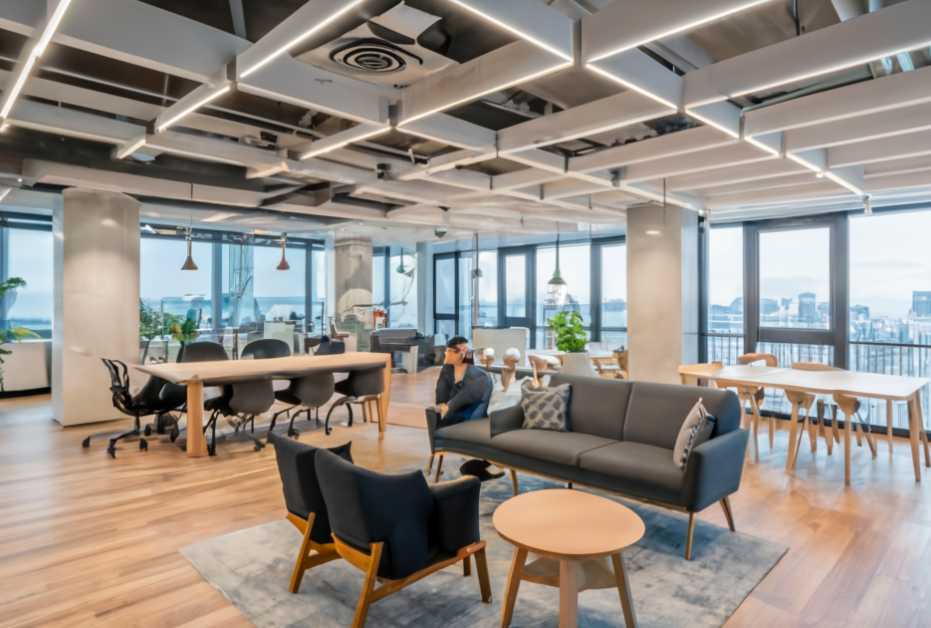
Singapore’s business scene thrives on innovation and small businesses are a driving force. But limited office space can pose a challenge. Here’s a comprehensive guide packed with creative office design solutions for small businesses in Singapore, empowering you to transform your compact workspace into a haven of functionality and productivity.

Understanding Space Constraints in Singapore

Many Singaporean businesses operate from compact office spaces.  Here’s how to identify space limitations and approach the office interior design Singapore process effectively:

  • Limited Square Footage:  Understanding the exact dimensions of your office is crucial. Measure the space meticulously and create a detailed floor plan to visualize potential layouts.
  • Existing Infrastructure:  Identify existing features like windows, columns, and electrical outlets. These elements can influence furniture placement and design decisions.
  • Number of Employees:  Consider the number of employees who will utilize the space. This will determine furniture needs and the overall layout configuration.

Space-Saving Design Strategies for Small Offices

Embrace Open Floor Plans (when feasible): Open floor plans create a sense of spaciousness and foster collaboration. However, ensure proper noise control measures are implemented if needed.

  • Multifunctional Furniture is Key:  Invest in furniture that serves multiple purposes. Opt for desks with built-in storage, chairs with integrated ottomans, or modular furniture that can be reconfigured as needed.
  • Vertical Space Utilization:  Don’t neglect your vertical space! Install wall-mounted shelves, cabinets, or pegboards to maximize storage and keep your work surfaces clutter-free. Utilize vertical partitions to separate workstations without sacrificing valuable floor space.
  • Strategic Lighting Design:  Proper lighting can significantly impact the perceived size and ambience of your office. Utilize a combination of overhead lighting, task lighting for workstations, and accent lighting to create a well-lit and visually appealing space.
  • Embrace Transparency:  Transparent partitions like glass walls or acrylic panels allow natural light to penetrate deeper into the office, creating a sense of spaciousness.
  • Biophilic Design for Well-being:  Incorporate nature into your office interior design Singapore. Plants not only purify the air but also add a touch of life and vibrancy to your small office space, promoting employee well-being.
  • Technology to the Rescue:  Leverage technology to streamline processes and reduce physical clutter. Consider cloud storage solutions, paperless workflows, and video conferencing for remote meetings to minimize the need for bulky filing cabinets or dedicated conference rooms.

Additional Tips for Small Office Success

  • Declutter Regularly: Clutter is the enemy of a small space. Implement a decluttering system and encourage employees to keep their work areas organized.
  • Embrace Flexible Work Arrangements: Consider offering flexible work arrangements like remote work options to free up additional space in the office when not everyone is present.
  • Invest in Ergonomic Furniture: Investing in ergonomic chairs and desks promotes employee comfort and well-being, reducing the risk of work-related injuries, even in a compact workspace.
  • Create a Collaborative Culture: A strong company culture fosters teamwork and communication. Designate collaborative zones where employees can brainstorm, share ideas, and build relationships, even in a limited space.
  • Prioritize Natural Light: Maximize natural light by keeping windows clear and utilizing transparent partitions. Natural light not only brightens the space but also boosts employee morale and productivity.

By implementing these space-saving design strategies and fostering a culture of organization, you can transform your small Singaporean office into a functional, inspiring, and productive hub for your growing business.

Elpis Interior Design: Optimizing Your Small Singaporean Office

Elpis Interior Design, a leading Singaporean design firm, understands the unique challenges faced by small businesses in maximizing their office space.  Our experienced designers are skilled in space optimization techniques and creating functional layouts for compact work environments.

We’ll work closely with you to understand your specific needs and budget.  We’ll suggest creative solutions, recommend space-saving furniture options, and design a layout that fosters collaboration, productivity, and employee well-being within your limited square footage.

Contact Elpis Interior Design today for a free consultation and let’s transform your small Singaporean office into a space that inspires and empowers your team!


Escape Everyday: Design Your Dream Tropical Oasis Bedroom

Imagine stepping into your bedroom – not just a place to sleep, but a sanctuary that transports you to a tropical paradise. Lush greenery, calming colors, and natural textures combine to create a space of serenity and rejuvenation. Here’s a comprehensive guide to crafting your own tropical oasis bedroom, transforming your sleep haven into a visual and sensory escape.

Foundations: Setting the Stage for Paradise

The groundwork for your tropical oasis begins with the right foundation. Here’s what to consider:

  • Color Palette:  Embrace the calming hues of the tropics. Opt for light and airy colors like sky blue, seafoam green, and sandy beige on your walls. These colors create a sense of spaciousness and evoke the tranquility of a beachside retreat.
  • Flooring:  Natural materials like light-colored wood flooring or woven seagrass rugs add warmth and texture to your tropical haven. Consider light-colored tiles for a touch of coastal chic.
  • Lighting:  Tropical vibes call for layered lighting. Utilize natural light whenever possible. Install sheer curtains that diffuse harsh sunlight while allowing a gentle glow to fill the room. Opt for warm white or dimmable lighting fixtures for a relaxing ambience in the evenings.

Transporting Yourself Through Texture

Natural textures are key to creating a truly immersive tropical experience. Here’s how to incorporate them:

  • Woven Elements:  Woven rattan, wicker, and bamboo add a touch of organic texture.  Incorporate them through furniture pieces like headboards, nightstands, or accent chairs. Woven baskets can provide storage while adding to the tropical theme.
  • Lush Textiles:  Linen bedding in calming tones creates a sense of breathability and evokes a relaxed atmosphere. Opt for throw pillows with tropical prints like palm leaves, birds of paradise, or botanical motifs to introduce a touch of vibrancy.
  • Natural Fibers:  Jute rugs, woven wall hangings, or macrame tapestries add a touch of bohemian flair and textural interest to your tropical oasis.

Whispers of the Tropics: Botanical Touches

Tropical flora is a hallmark of a tropical oasis. Here’s how to incorporate greenery:

  • Live Plants:  Filling your bedroom with live plants not only purifies the air but also adds a touch of life and vibrancy. Opt for low-maintenance plants that thrive in indirect sunlight, such as snake plants, monstera deliciosa, or ferns.
  • Botanical Prints:  Wall art featuring lush greenery or tropical flowers introduces the essence of nature without the maintenance of real plants. Consider framed botanical illustrations or large-scale wall murals for a dramatic effect.
  • Tropical Accents:  Scatter decorative accents that evoke the tropics. Seashells collected from a beach vacation, woven palm leaf baskets, or ceramic figurines of tropical birds add a touch of personality and remind you of your island getaway.

Embrace the Details: The Finishing Touches

The little details truly elevate your tropical oasis Singapore bedroom design. Here are some finishing touches:

  • Tropical Scents:  Create a truly immersive experience with subtle tropical scents. Opt for diffusers with essential oils like lemongrass, coconut, or plumeria for a touch of aromatherapy.
  • Soothing Sounds:  The gentle sounds of nature can lull you into a peaceful state. Consider a white noise machine with nature sounds like ocean waves or rainforest ambience to create a calming atmosphere.
  • Serene Ambience:  Ditch the harsh overhead lighting and create a relaxing ambience with strategically placed lamps and candles. Opt for candle holders made from natural materials like seashells or bamboo for added thematic cohesion.

Additional Tips for a Tropical Oasis Retreat

  • Embrace DIY Projects: Channel your inner creativity and craft DIY projects with a tropical theme. Weave your own wall hangings, paint seashells for decorative accents, or create a botanical collage using postcards or magazine clippings.
  • Maintain a Clutter-Free Space: Clutter disrupts the calming ambience. Regularly declutter your bedroom surfaces and maintain a clean and organized space to maximize the feeling of tranquility.
  • Let Natural Light Flow: Open your curtains and blinds during the day to maximize natural light. Natural light not only brightens the space but also boosts your mood and energy levels, enhancing the overall sense of well-being in your tropical sanctuary.
  • Invest in Quality Bedding: Your bed is the focal point of your bedroom and where you’ll spend a significant amount of time relaxing. Invest in high-quality, breathable bedding made from natural fibers like linen or cotton. Opt for calming colors that complement your tropical theme and create an inviting space to unwind.
  • Embrace the Power of Scent: While diffusers with essential oils are a great option, consider incorporating other subtle scents for a multi-sensory experience. Scented candles made from natural soy wax with tropical fragrances like mango or coconut can add a touch of aromatherapy when lit, further enhancing the immersive atmosphere.

By following these tips and unleashing your creativity, you can transform your Singapore bedroom design into a personal oasis, a haven of tranquility inspired by the beauty and serenity of the tropics.  Every night, you can drift off to sleep surrounded by the calming colors, natural textures, and subtle reminders of your favorite tropical paradise.

Elpis Interior Design: Cultivating Your Tropical Oasis Dream

Elpis Interior Design, a leading Singaporean design firm, understands the power of transformative interior design. We can help you craft your dream tropical oasis bedroom, a space that not only promotes relaxation but also reflects your unique personality and love for the tropics.

Our experienced designers will work closely with you to understand your vision and translate it into a reality. We’ll guide you through material selection, furniture choices, and help you curate the perfect blend of natural elements and tropical flair to create a haven of peace and serenity.

Contact Elpis Interior Design today for a free consultation and let’s transform your bedroom into a tropical escape you can enjoy every night!


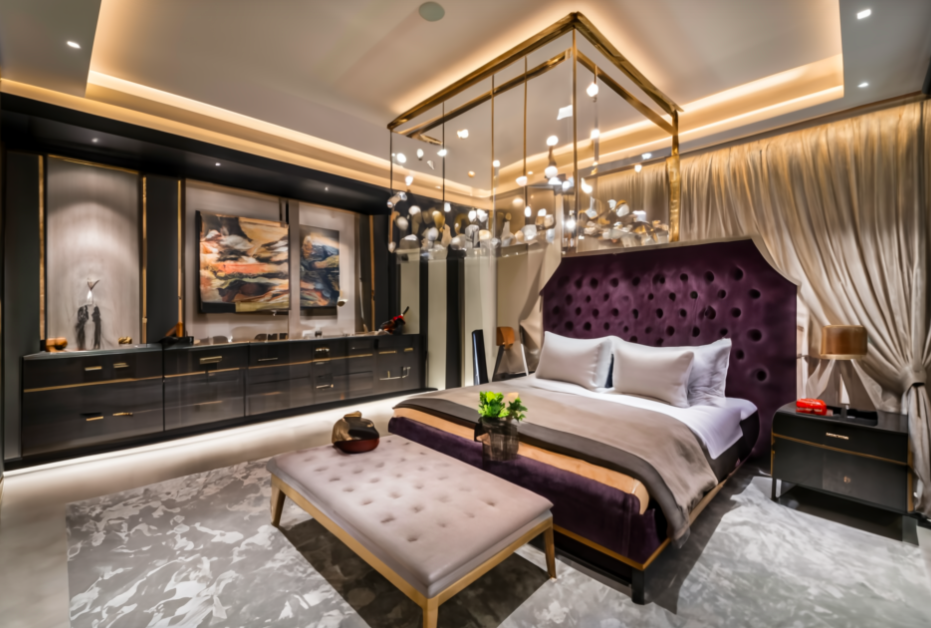
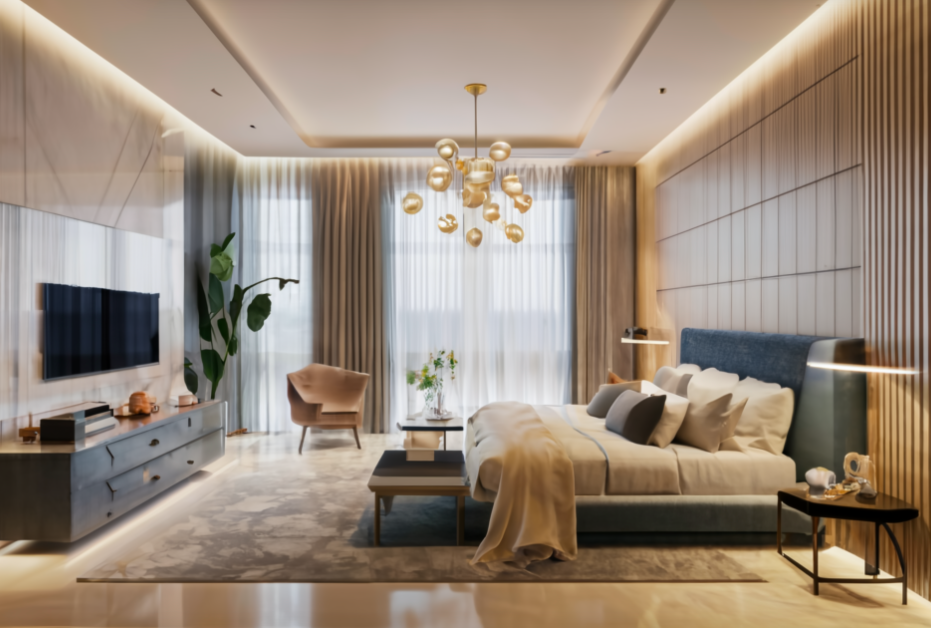
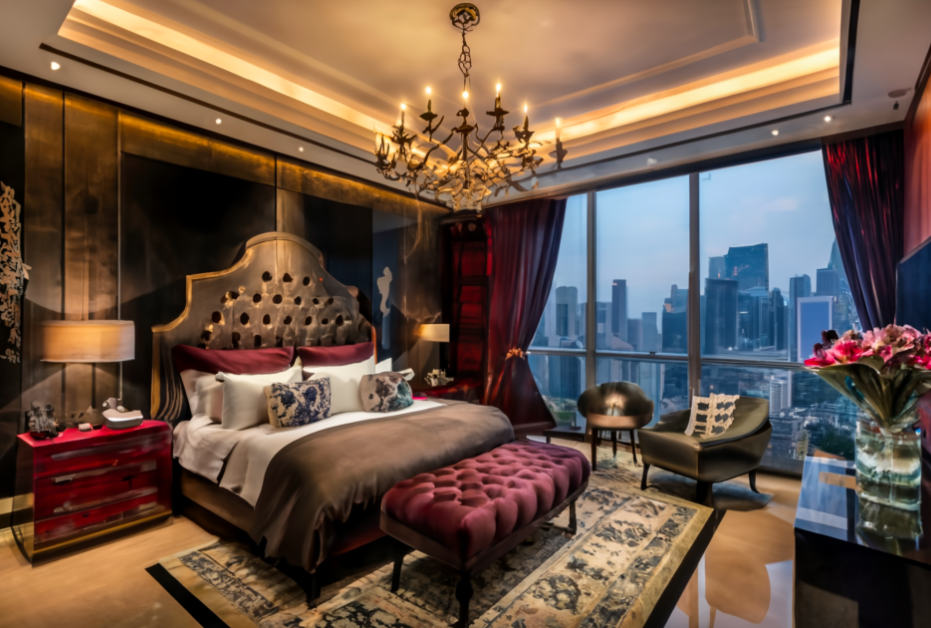
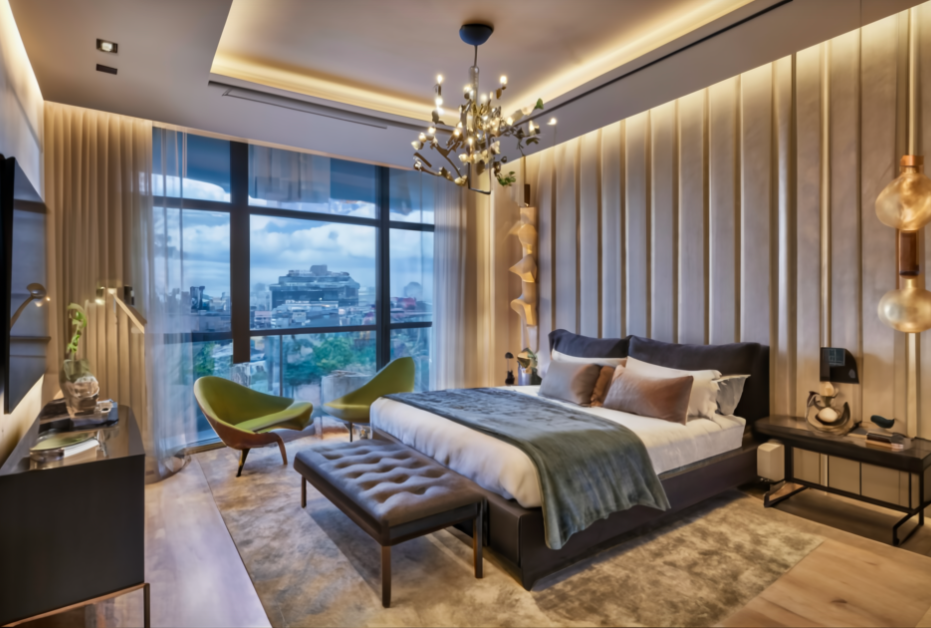
Unveiling Opulence: Luxury Bedroom Design Ideas for Your Singaporean Sanctuary

Singapore, a vibrant metropolis, pulsates with energy. But within your home, you crave a retreat – a luxurious bedroom that pampers your senses and reflects your refined taste. Here, we explore captivating Singapore bedroom design ideas to transform your Singaporean bedroom into a haven of unparalleled luxury, considering space limitations and the unique character of Singaporean living.

Space Optimization for Luxurious Comfort

Singaporean apartments are often compact. Here’s how to create a luxurious feel without sacrificing functionality:

  • Statement Wall:  A well-placed statement wall behind your bed instantly elevates the space. Opt for luxurious materials like velvet panelling, textured wallpaper with a metallic sheen, or even a custom mural depicting a serene natural landscape.
  • Multifunctional Furniture:  Invest in furniture that serves multiple purposes. Ottomans with built-in storage at the foot of the bed provide extra seating and a place to tuck away blankets. Headboards with integrated shelves or bedside tables with hidden drawers maximize storage without compromising on aesthetics.
  • Mirrored Accents:  Strategic placement of mirrors creates an illusion of spaciousness and reflects light, making your bedroom feel larger and brighter. Consider a mirrored headboard or mirrored closet doors to amplify the luxurious ambience.
  • Vertical Space Utilization:  Don’t neglect your walls! Install floating shelves or sleek built-in cabinets to showcase decorative items or store essentials, maximizing vertical space without cluttering the floor.

Embrace the Tactile Experience

Luxury is about more than just visuals; it’s a sensory experience. Here’s how to incorporate luxurious textures:

  • Opulent Bedding:  Invest in high-thread-count Egyptian cotton or luxurious silk sheets. Layer your bed with plush throws and decorative pillows in rich fabrics like velvet, satin, or cashmere.
  • Deep Carpets:  A plush carpet adds a touch of comfort and defines the sleeping area. Opt for deep-pile wool carpets in neutral tones for a luxurious feel or consider a patterned rug in a complementary color scheme for a touch of personality.
  • Window Treatments:  Luxurious window treatments frame the view and enhance privacy. Opt for floor-to-ceiling blackout curtains in a heavy fabric like velvet, paired with sheer white curtains for daytime light control. Consider motorized curtains for added convenience and a touch of high-tech luxury.

Light for Every Mood

Lighting plays a crucial role in creating a luxurious ambience. Here’s how to achieve a layered lighting approach:

  • Dimmer Switches:  Dimmer switches allow you to adjust the brightness based on your mood and activity. Create a soft and inviting ambience for relaxation or a brighter setting for reading.
  • Chandelier or Pendant Lighting:  A statement chandelier or a sparkling pendant light above your bed adds a touch of glamour and creates a focal point in your luxurious bedroom.
  • Recessed Lighting:  Recessed lighting provides general illumination, while strategically placed task lighting near the vanity or reading nook ensures optimal functionality.
  • Warm Color Temperature:  Opt for warm white or soft yellow light bulbs for a more inviting and relaxing atmosphere.

Singaporean Inspiration: Local Touches

While embracing global design trends, incorporate elements that reflect Singapore’s unique character:

  • Natural Elements:  Singapore thrives on greenery. Introduce natural elements through potted orchids, a bonsai tree, or a hanging terrarium. Opt for nature-inspired artwork or photographs of local flora and fauna to add a touch of Singaporean flair.
  • Local Art:  Showcase your love for Singaporean art by featuring a piece by a local artist. This personalizes your space and celebrates the city’s vibrant art scene.
  • Architectural Details:  Consider incorporating traditional architectural elements like fretwork screens or latticework panels to add a touch of local cultural heritage to your luxurious bedroom design.

Additional Tips for a Luxurious Bedroom Experience

  • Invest in a High-Quality Mattress:  Your mattress is an investment in your sleep quality and overall well-being. Choose a high-quality mattress that offers optimal support and comfort. Consider a pillow-top mattress or one with adjustable firmness settings.
  • Sensory Indulgence:  Elevate your daily rituals with luxurious bathrobes, plush towels, and scented candles in your favorite calming fragrance. Consider a high-tech bidet attachment for your toilet for an added touch of indulgence.
  • Smart Home Integration:  Incorporate smart home features for ultimate convenience.  Control lighting, adjust the thermostat, or play calming music with voice commands or a smartphone app, creating a truly personalized and luxurious sleep experience.
  • Fresh Flowers:  Fresh flowers add a touch of life, color, and a delightful fragrance to your bedroom. Opt for seasonal blooms or long-lasting orchids to bring a touch of nature’s beauty into your luxurious haven.
  • Tranquil Ambience:  Minimize clutter and maintain a clean and organized space. Create a designated area for clothes and belongings to prevent them from cluttering your sleep sanctuary. Invest in blackout curtains or an eye mask to ensure a completely dark environment for uninterrupted sleep.

By implementing these Singapore bedroom design ideass and incorporating elements that resonate with your personal definition of luxury, you can transform your Singaporean bedroom into a haven of unparalleled comfort, elegance, and sensory indulgence. It will become a personal retreat where you can unwind, recharge, and wake up feeling refreshed and ready to embrace the vibrant energy of Singapore.

Elpis Interior Design: Crafting Your Singaporean Luxury Retreat

Elpis Interior Design, a leading Singaporean design firm, understands the essence of luxury living in a metropolitan space. We specialize in creating bespoke bedroom designs that cater to your specific needs and aesthetic preferences.

Our experienced designers will work closely with you to understand your vision and optimize your space for ultimate comfort and luxury. We’ll source high-quality materials, curate a luxurious ambience, and ensure every detail reflects your discerning taste.

Contact Elpis Interior Design today for a free consultation and let’s transform your Singaporean bedroom into a luxurious sanctuary you deserve!


The Long Game: Maintaining Your Stunning Singaporean Bathroom Renovation

Congratulations! You’ve invested in beautiful and functional bathroom renovations Singapore, transforming your Singaporean haven into a space that reflects your style and caters to your needs. But the journey doesn’t end there. Here’s a comprehensive guide to maintaining your stunning bathroom renovation, ensuring it continues to look its best and function flawlessly for years to come.

Understanding Singapore’s Climate: A Maintenance Challenge

Singapore’s tropical climate, with its high humidity and frequent rain showers, presents unique challenges for bathroom maintenance. Here’s what to consider:

  • Moisture Control:  Moisture is the enemy of a well-maintained bathroom. Ensure proper ventilation by running the exhaust fan during and after showers to prevent mold and mildew growth. Consider installing a dehumidifier in your bathroom, especially if it lacks a window.
  • Waterproofing:  Maintain the integrity of your bathroom’s waterproofing by promptly addressing any leaks or cracks in the tiles or grout. Regular inspection is crucial to catch minor issues before they escalate into major repairs.
  • Mineral Buildup:  Hard water is prevalent in Singapore, leading to mineral buildup on faucets, showerheads, and glass surfaces. Regular cleaning with a descaling solution helps prevent unsightly calcium deposits and ensures smooth operation of fixtures.

Developing a Consistent Cleaning Routine

Regular cleaning is crucial for maintaining your bathroom’s pristine condition. Here’s a recommended routine:

  • Daily:  Wipe down wet surfaces like countertops, shower walls, and the sink after each use to prevent water spots and soap scum buildup. Use a squeegee on shower walls and glass doors to minimize water stains.
  • Weekly:  Give your bathroom a more thorough cleaning.  Deep clean the toilet bowl, disinfect surfaces, scrub floors, and descale faucets and showerheads.
  • Monthly:  Focus on areas that require less frequent attention. Clean the exhaust fan, wash shower curtains or blinds, and wipe down cabinets and mirrors.

Choosing the Right Cleaning Products

Using appropriate cleaning products protects your bathroom surfaces and extends their lifespan. Here are some tips:

  • Natural Cleaners:  Opt for natural cleaning solutions like vinegar, baking soda, and lemon juice whenever possible. These are gentle on surfaces and environmentally friendly.
  • Read Labels:  Always read product labels carefully and follow the manufacturer’s instructions. Using harsh chemicals can damage surfaces like granite countertops or marble floors.
  • Separate Cleaners:  Maintain different cleaning products for specific tasks. Use a separate disinfectant for the toilet, a glass cleaner for mirrors, and a specific cleaner for your chosen countertop material.

Addressing Specific Materials

Different materials require different care routines. Here’s a quick guide:

  • Tiles:  Regular cleaning with a non-abrasive cleaner and a damp mop keeps tiles looking their best. Re-grouting may be necessary every few years, depending on usage and the quality of the grout.
  • Natural Stone:  Natural stone countertops like granite or marble require special care. Use a stone sealant periodically to protect the surface and avoid harsh chemicals that can etch the stone.
  • Wood Vanities:  Wipe down wooden vanities with a damp cloth and a mild wood cleaner. Avoid using abrasive products or excessive water, as this can damage the wood finish.

Preventing Long-Term Damage

Proactive maintenance helps prevent costly repairs down the line. Here are some additional tips:

  • Proper Ventilation:  Ensure proper ventilation during and after showers to prevent mold and mildew growth.  Clean the exhaust fan vent periodically to ensure optimal airflow.
  • Showerhead Maintenance:  Consider a filtered showerhead to minimize mineral buildup. Regularly clean the showerhead with a descaling solution to prevent clogging and ensure proper water flow.
  • Leak Detection:  Be mindful of any leaks or drips from faucets, pipes, or the showerhead. Address them promptly to prevent water damage and mold growth.

Additional Tips for a Long-Lasting Bathroom

  • Invest in Quality Fixtures:  Choosing high-quality faucets, showerheads, and other bathroom fixtures ensures they function flawlessly for a longer period.
  • Upgrade Drain Stoppers:  Consider replacing the existing drain stoppers with pop-up drains. These are easier to clean and prevent hair clogs.
  • Mind Your Habits:  Be mindful of your habits to minimize wear and tear.
  • Don’t overload towel racks or shelves, as excessive weight can cause strain on the fixtures.
  • Place bath mats strategically to absorb water and prevent slips. Regularly wash and dry bath mats to prevent mildew growth.
  • Avoid using the toilet bowl as a trash can. This can clog the drain and cause costly repairs.
  • Consider a shower caddy to organize toiletries and keep them off countertops, reducing clutter and minimizing the risk of spills.

By following these maintenance tips and establishing a consistent cleaning routine, you can ensure your stunning bathroom renovation Singapore continues to be a source of pride and enjoyment for years to come. Your well-maintained bathroom will not only retain its aesthetic appeal but will also function flawlessly, providing a haven of relaxation and rejuvenation in your Singaporean home.

Elpis Interior Design: Your Partner in Long-Term Bathroom Satisfaction

Elpis Interior Design, a leading Singaporean design firm, understands the importance of post-renovation care. We use high-quality materials and construction methods to ensure your bathroom’s longevity. We also provide guidance on proper maintenance practices to help you maintain the beauty and functionality of your renovated space for years to come.

Contact Elpis Interior Design today to discuss your bathroom renovations Singapore project and learn how we can help you achieve lasting satisfaction with your investment!


Declutter and Conquer: Simple Strategies for a Tidy Home

Imagine stepping into a home that feels calm, organized, and inviting. Every surface is clear, belongings have designated spots, and a sense of peace permeates the space. This is the power of decluttering.  

Do you feel overwhelmed by clutter and disorganization, constantly searching for lost items and battling a tide of misplaced belongings?  This article equips you with simple yet effective decluttering tips to transform your home into a haven of peace and order. We’ll explore strategies from professional organizers to help you minimize clutter, maximize space, and create a system for lasting organization. Get ready to declutter and conquer your home!  

The Power of Decluttering: Reclaim Your Space and Sanity

Decluttering is more than just tidying up; it’s about reclaiming your space and creating a more peaceful and functional living environment.  A study published in the Journal of Personality and Social Psychology found that clutter can lead to increased stress and decreased feelings of well-being.  

Here’s how decluttering benefits you:

  • Reduced Stress: Clutter can be a significant source of stress. By decluttering, you eliminate visual clutter and the frustration of misplaced items, promoting a sense of calm and well-being.
  • Increased Efficiency: A well-organized home allows you to find what you need quickly and easily, saving you time and frustration. A study by the National Association of Professional Organizers found that people spend an average of 12 hours per week searching for misplaced items in cluttered homes. 
  • Enhanced Enjoyment: A clutter-free space allows you to appreciate your belongings and truly enjoy your living environment. You can create designated areas for hobbies and activities, fostering a sense of relaxation and enjoyment in your home.

Remember: Decluttering is a journey, not a destination. Be patient with yourself and celebrate your progress along the way. 


Conquering the Clutter: A Step-by-Step Guide

Ready to declutter and conquer your home? Follow these steps:

  • Start Small: Don’t get overwhelmed by trying to tackle everything at once. Choose a manageable area, like a drawer, shelf, or countertop, and begin decluttering there. Focusing on a small area allows you to see results quickly and stay motivated.  
  • The One-Touch Rule:  As you go through your belongings, ask yourself: “Have I used this in the past year?” If not, donate, sell, or recycle it. The “one-touch rule” encourages you to make a decision about each item only once, preventing you from getting bogged down in indecision.  
  • Categorize and Contain:  Once you’ve decluttered an area, categorize remaining items and invest in storage solutions that keep them organized. Clear bins, labeled shelves, and drawer dividers can help you maintain a clutter-free space. Consider utilizing vertical space with wall-mounted shelves or cabinets to maximize space. 
  • Declutter Regularly:  Schedule regular decluttering sessions to prevent clutter from accumulating again. A weekly or monthly decluttering session, even if it’s just for 15 minutes, can help you maintain a clean and organized home.  

Remember: Decluttering is an ongoing process. By incorporating these steps into your routine, you can keep your home organized and clutter-free.  

Room by Room: Decluttering Strategies for Every Space

Here are specific decluttering tips for different areas of your home:

  • Kitchen:  Declutter cabinets and drawers by getting rid of expired food, unused appliances, and duplicate items. Utilize organizers for utensils, spices, and pantry staples. Consider employing drawer dividers for cutlery and cabinet risers to maximize vertical space.  
  • Living Room:  Declutter surfaces by removing unnecessary items and keeping only what you use regularly. Fold or store throws and blankets when not in use. Invest in ottomans with storage compartments to hide away toys, games, or magazines. 
  • Bedroom:  Declutter your closet by getting rid of clothes that no longer fit or that you dont wear. Utilize under-bed storage for seasonal items or out-of-season clothing. Employ drawer dividers for folded items and hanging organizers for maximizing closet space.  
  • Bathroom:  Declutter toiletries and cosmetics by keeping only what you use regularly. Utilize shower caddies and organizers to keep items contained on shelves or in shower stalls. Consider installing over-the-toilet storage cabinets to maximize vertical space and store extra toiletries or cleaning supplies. 
  • Home Office:  Declutter your desk and workspace by getting rid of unnecessary paperwork and office supplies. Utilize a filing system or inbox trays to organize important documents. Invest in a desk organizer for pens, pencils, and other frequently used items. Consider vertical filing cabinets or wall-mounted shelves to maximize space for storing files and office supplies.  

Taming the Paper Trail: Conquering Paper Clutter

Paper clutter can be a significant source of disorganization. Here are some tips for managing paper clutter:

  • Go Digital:  Scan important documents and store them electronically. Many banks and institutions offer online document storage options. Unsubscribe from unwanted catalogs and junk mail.   
  • Create a Filing System:  Implement a simple filing system for essential documents, such as tax returns, medical records, and warranties. Label folders clearly and store them in a designated location.  
  • Schedule Shredding Sessions:  Schedule regular shredding sessions for outdated documents and papers you no longer need. This helps protect your personal information and prevents clutter from accumulating.   

Beyond the Basics: Sustainable Decluttering Practices

Decluttering isn’t just about getting rid of things; it’s about making conscious choices about what you bring into your home. Here are some tips for sustainable decluttering:

  • Buy with Intention:  Before purchasing something new, ask yourself if you truly need it and where you will store it. Consider buying quality items that will last over disposable or trendy items.  
  • Embrace Multifunctional Furniture:  Opt for furniture that serves multiple purposes, such as ottomans with storage compartments or a sofa bed for guest use. This helps maximize space and minimize clutter.   
  • Donate or Sell:  Instead of throwing unwanted items away, consider donating them to charity or selling them online or at a consignment shop. This gives your belongings a second life and reduces waste.   

Seeking Professional Help: When to Hire a Decluttering Specialist

If you feel overwhelmed by clutter or struggle to declutter on your own, consider seeking help from a professional organizer. Professional organizers can provide personalized guidance, motivation, and support throughout the decluttering process. They can help you develop a decluttering plan, sort through belongings, and create efficient storage solutions.

Conclusion: Cultivating a Calm and Organized Home

By following these simple decluttering strategies, you can transform your home into a haven of peace and order. Remember, decluttering is a journey, not a destination. Be patient with yourself, celebrate your progress, and enjoy the benefits of a clutter-free living environment.