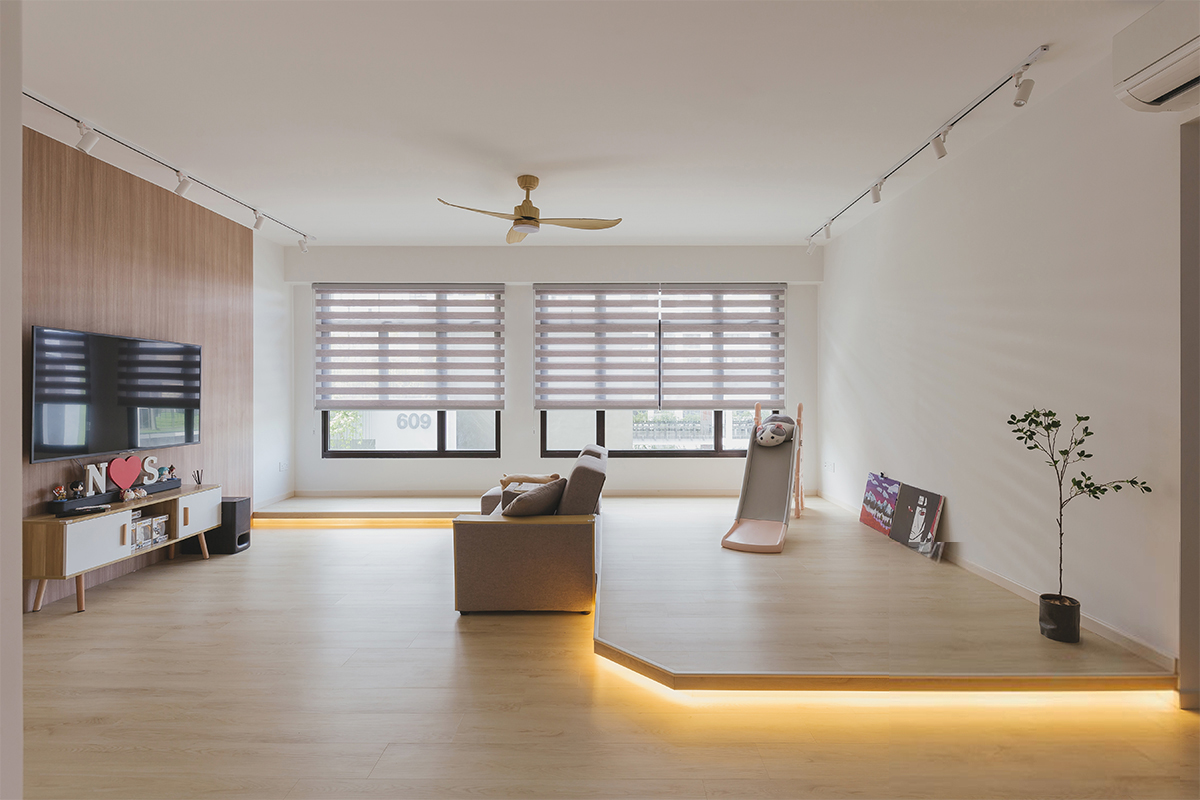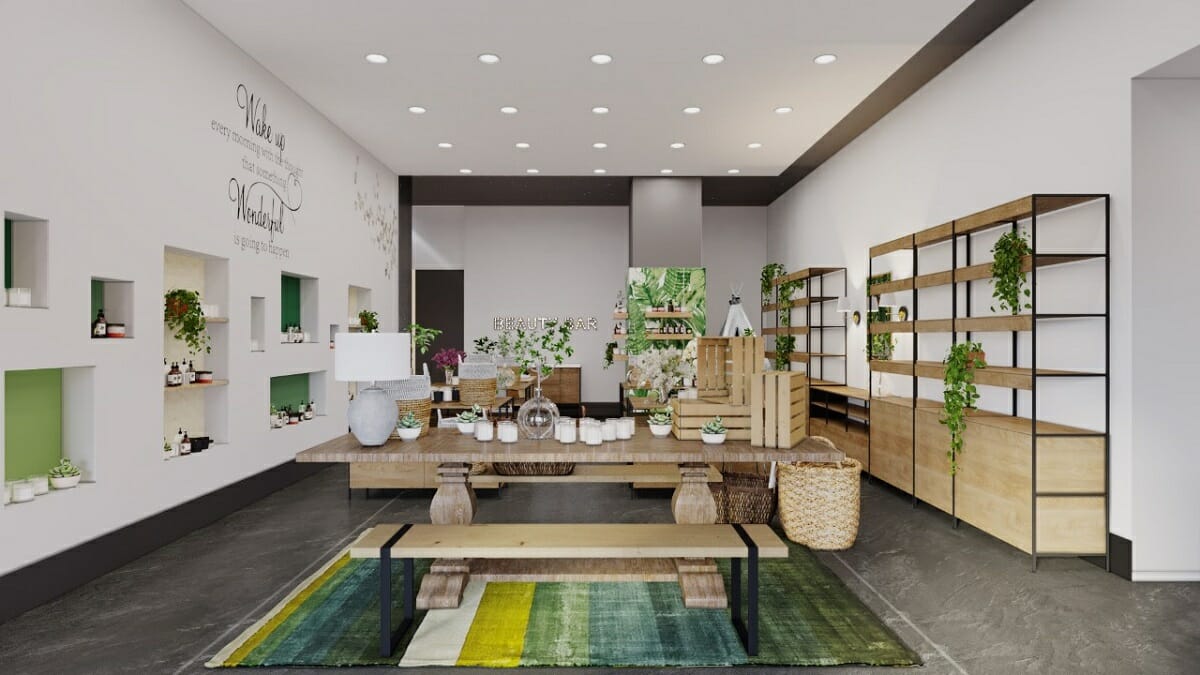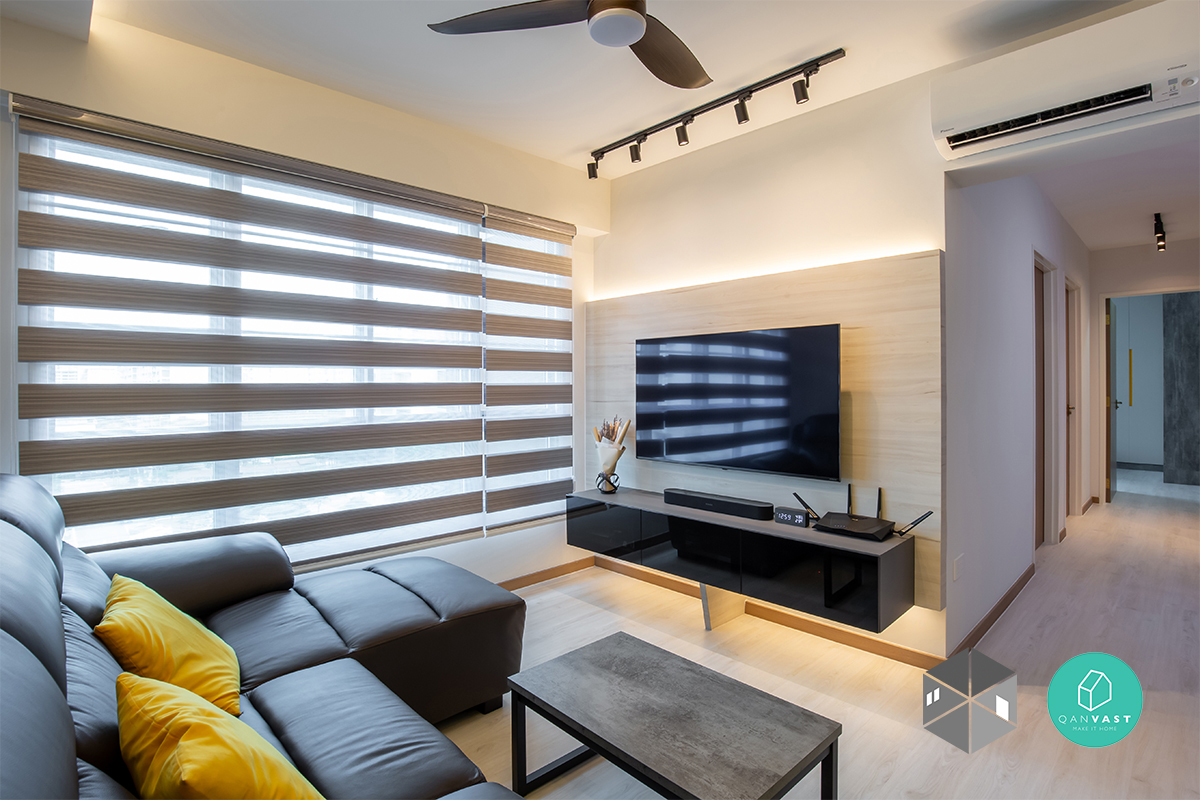
fbcode

Home Decor Delights: Unveiling Singapore’s Best-Kept Secrets

Are you ready to discover the best-kept secrets of home decor in Singapore? Step into a world of style and comfort as we unveil the hidden gems that can transform your living spaces. Home decor plays a vital role in creating a welcoming and personalized ambiance, making your house truly feel like a home. In the bustling city of Singapore, where culture, innovation, and nature converge, there lies a treasure trove of unique ideas waiting to be explored.

This article is your guide to unlocking the secrets that will elevate your home decor to new heights, incorporating Singapore’s rich heritage and contemporary influences to curate a space that is both enchanting and practical. Let’s embark on a journey through the captivating world of home decor delights in the Lion City.
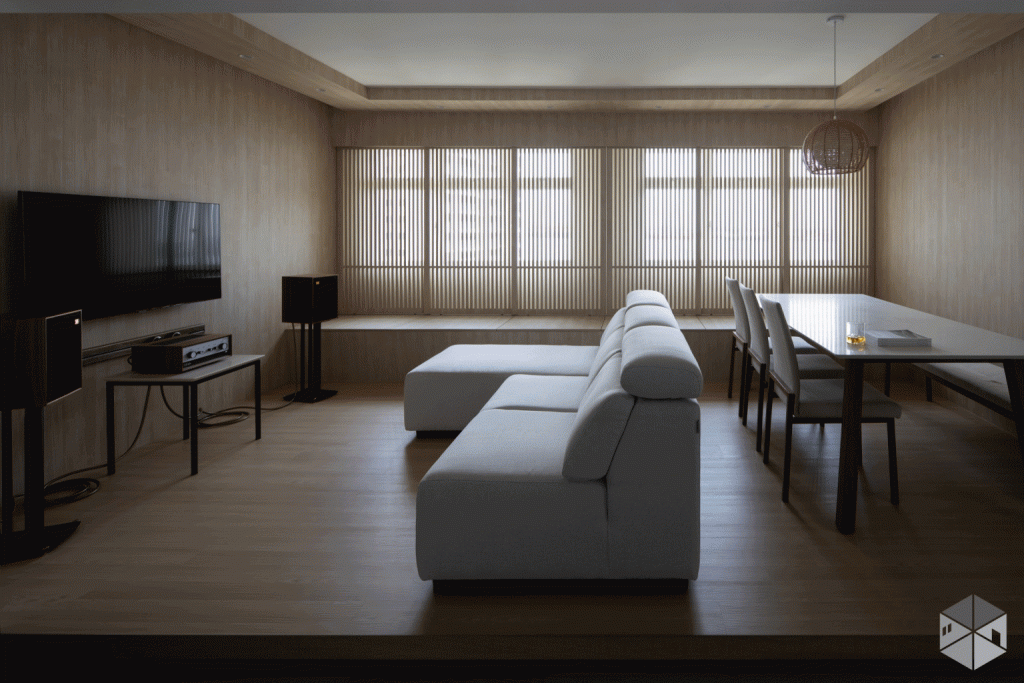
How can I embrace Asian influences in home decor?

Embracing Asian influences in home decor adds a captivating charm and unique character to the interior spaces. By incorporating Asian design elements and cultural influences, homeowners can infuse their homes with the rich heritage of Singapore and create a captivating ambiance. Here are some key points to consider:

  1. Traditional Patterns: Introduce traditional Asian patterns, such as intricate motifs or delicate floral designs, through wallpapers, textiles, or decorative accessories. These patterns add an element of elegance and cultural significance to the decor.

  2. Artwork and Wall Decor: Display traditional Asian artwork, such as calligraphy, ink paintings, or handcrafted wall hangings, to add a touch of artistic flair and convey the essence of Singapore’s cultural heritage.

  3. Furniture with Asian Flair: Incorporate furniture pieces inspired by Asian aesthetics, such as low-profile wooden chairs, rattan furniture, or lacquered cabinets. These pieces not only showcase the beauty of Asian craftsmanship but also bring functionality and style to the space.

  4. Natural Elements: Integrate natural elements like bamboo, stone, or water features to create a harmonious connection with nature, as seen in traditional Asian design philosophies.

  5. Color Palette: Draw inspiration from Asian color palettes, which often feature calming neutrals, serene blues, and warm earth tones, to cultivate a tranquil and balanced environment.

By thoughtfully incorporating Asian influences into home decor, homeowners can curate a space that pays homage to Singapore’s cultural heritage while reflecting their personal style and creating a serene retreat filled with charm and authenticity.

What are creative ideas for maximizing small spaces?

Maximizing small spaces in Singapore’s urban environment requires creative and innovative ideas to optimize functionality without compromising on style. Here are some key strategies for transforming compact living areas into efficient and inviting spaces:

  1. Space-Saving Furniture: Utilize multifunctional furniture pieces that serve more than one purpose. Examples include sofa beds, convertible dining tables, and wall-mounted desks that can be folded away when not in use, maximizing floor space.

  2. Smart Storage Solutions: Embrace smart storage solutions to keep belongings organized and clutter-free. Consider built-in shelves, under-bed storage, and wall-mounted cabinets to make the most of vertical space and reduce visual distractions.

  3. Minimalist Design: Adopt a minimalist design approach to create an uncluttered and airy atmosphere. Keep decor simple and choose furniture with clean lines to maintain a sense of openness and spaciousness.

  4. Reflective Surfaces: Introduce reflective surfaces, such as mirrors or glass elements, to create the illusion of a larger space and reflect natural light, brightening up the room.

  5. Utilize Nooks and Corners: Make use of underutilized nooks and corners by incorporating custom-made furniture or creating cozy reading nooks, home offices, or mini lounges.

By incorporating these creative ideas for small spaces, residents in Singapore’s urban environment can transform their homes into functional and stylish sanctuaries, making the most of every square foot available.

How does lighting enhance home decor magic?

Lighting holds the magical power to transform the entire ambiance and aesthetics of a home decor, enhancing its beauty and functionality. Here are some key aspects of lighting that bring this magic to life:

  1. Setting the Mood: Proper lighting can set the desired mood for each room, whether it’s creating a cozy and intimate atmosphere in the living room or providing bright and focused illumination in the kitchen for cooking.

  2. Accentuating Features: Innovative lighting techniques like spotlights or track lighting can highlight architectural features, artwork, or decorative elements, adding drama and visual interest to the space.

  3. Layered Lighting: Incorporating multiple layers of lighting, such as ambient, task, and accent lighting, creates depth and dimension, making the decor more dynamic and adaptable to various activities.

  4. Dimmers and Smart Controls: Dimmers offer flexibility to adjust lighting intensity, allowing homeowners to control the ambiance and save energy. Smart lighting controls enable remote adjustments and personalized lighting schedules for convenience.

  5. Statement Fixtures: Unique and artistic lighting fixtures serve as focal points, elevating the overall decor with their style and elegance.

What is the significance of artisanal craftsmanship in decor?

Singapore’s artisanal craftsmanship is a treasure trove of creativity and skill, playing a pivotal role in creating unique and enchanting home decor. The city’s talented artisans infuse their passion and expertise into handcrafted items, contributing to the diverse and vibrant landscape of home decor offerings. Here are key aspects to consider:

  1. Handcrafted Uniqueness: Artisanal craftsmanship brings a sense of uniqueness and individuality to home decor pieces. Each item is meticulously crafted, making it one-of-a-kind and adding a distinctive touch to your living spaces.

  2. Quality and Attention to Detail: Handcrafted items boast exceptional quality and attention to detail. Artisans invest time and effort into perfecting their creations, ensuring that every piece is a work of art that stands the test of time.

  3. Local Artistic Expression: Supporting local artisans fosters the preservation of Singapore’s artistic heritage. It encourages the continuation of traditional crafting techniques while providing a platform for contemporary expressions of artistry.

  4. Sustainable and Ethical: Handcrafted items often promote sustainability and ethical practices. These pieces are typically made using eco-friendly materials and sustainable methods, contributing to environmentally responsible home decor choices.

  5. Community Connection: By choosing handcrafted home decor, you establish a meaningful connection with the artisan community in Singapore. Your support empowers these talented individuals, making a positive impact on their livelihoods and fostering a sense of community.

How can I incorporate nature’s influence into home decor?

Nature plays a significant role in Singaporean home decor, drawing inspiration from the city’s lush greenery and abundant natural beauty. Here are key ways to incorporate nature’s influence into home interiors, bringing a refreshing and calming ambiance:

  1. Indoor Plants: Embrace the trend of indoor plants by adding a variety of greenery to different rooms. From small potted plants on shelves to larger statement plants in corners, these living elements infuse spaces with vibrancy and purify the air.

  2. Botanical Prints: Introduce botanical prints through wallpapers, artwork, or textiles to create a sense of nature indoors. These prints featuring leaves, flowers, or tropical motifs lend a touch of natural splendor to walls and furnishings.

  3. Natural Materials: Incorporate furniture and decor made from natural materials like wood, rattan, jute, or bamboo. These textures bring warmth and an earthy feel to the space, connecting it with the natural world.

  4. Green Color Palette: Use shades of green as a dominant color or in accents to evoke a sense of nature’s tranquility and freshness. Combine greens with neutrals to create a balanced and calming ambiance.

  5. Nature-Inspired Decor: Integrate decor elements inspired by nature, such as seashells, driftwood, or pebbles, to add a coastal or beachy touch that complements Singapore’s tropical surroundings.

Where can I find hidden gems for home decor shopping?

Discovering hidden gems for unique home decor pieces in Singapore can be an exciting journey. Here are some lesser-known spots where you can find one-of-a-kind treasures to adorn your living spaces:

  1. Boutique Stores: Explore the charm of boutique stores tucked away in quaint neighborhoods. These specialty shops often curate carefully selected home decor items, from handcrafted ceramics to artistic wall hangings, offering exclusive finds that cater to individual tastes.

  2. Vintage Markets: Delve into Singapore’s vintage markets, where you can uncover nostalgic pieces with a touch of history and character. Vintage markets are excellent places to find antique furniture, retro accessories, and timeless decor that add a sense of nostalgia to your home.

  3. Local Craft Fairs: Attend local craft fairs and artisanal markets, where talented local craftsmen showcase their handmade creations. Here, you can find unique and bespoke home decor pieces, supporting local talent and bringing a personal touch to your space.

  4. Artisanal Workshops: Participate in artisanal workshops or studio visits to witness the creation process of home decor items firsthand. Some workshops offer custom-made pieces, allowing you to collaborate with artists to design something truly special for your home.

  5. Hidden Alleyway Shops: Stroll through hidden alleyways and backstreets to discover tucked-away shops and galleries. These off-the-beaten-path spots often boast an eclectic mix of home decor items, from vintage treasures to contemporary art, waiting to be uncovered.

In conclusion

The world of home decor in Singapore holds a plethora of delightful and inspiring secrets waiting to be discovered. From embracing Asian influences to maximizing small spaces and harnessing the magic of lighting, there are endless possibilities to transform your living spaces into havens of style and comfort. The artisanal craftsmanship and nature’s influence further add a touch of uniqueness to Singaporean home decor. As you embark on your home decor journey, don’t forget to explore the hidden gems of shopping for distinctive pieces that reflect your personality and taste.

By incorporating these best-kept secrets into your home, you can create an enchanting and personalized ambiance that truly resonates with your lifestyle. So, unleash your creativity, let Singapore’s rich heritage and contemporary flair inspire you, and transform your home into a delightful oasis of beauty and serenity. Your dream home awaits amidst the enchanting world of home decor delights in the vibrant Lion City.

Design your dream home with Elpis 

We make use of 3D rendering and animation.Elpis Interior offers full service, providing complete interior design from concept to completion. We work with clients at any stage and have provided services to the private and commercial sectors. At Elpis Interior we’re all about helping you visualize your space before it’s built, saving you money and time. We use 3D rendering and animation to show you exactly how your space will look, before it’s even built. Get your real renovation plan with our animation and 3D visualization by contacting us here or visiting our showroom for clearer info at 4A Pahang St, Singapore 198605.

Frequently Asked Question

1) What is home decor?

Answer: Home decor refers to the art of decorating and styling living spaces, including furniture, lighting, accessories, and other elements, to create a stylish and comfortable environment.

2) Why is home decor important?

Answer: Home decor is important as it transforms a house into a personalized and inviting home. It reflects the homeowner’s taste, enhances the overall ambiance, and promotes a sense of well-being and contentment.

3) How can I incorporate Singaporean influences into my home decor?

Answer: You can incorporate Singaporean influences into your home decor by using Asian design elements, cultural patterns, traditional artwork, and locally crafted furniture that showcase the city’s rich heritage.

4) Are there specific ideas for decorating small spaces in Singapore?

Answer: Yes, Singapore’s urban living often involves small spaces. Ideas for optimizing such areas include using space-saving furniture, smart storage solutions, and adopting minimalist design principles to maximize functionality.

5) Where can I find unique home decor pieces in Singapore?

Answer: Singapore offers hidden gems for finding unique home decor pieces. Look for boutique stores, vintage markets, local craft fairs, and artisanal shops that showcase distinctive and handcrafted items.


Enhancing Workspaces: Commercial Renovation Solutions in Singapore

Are you looking to transform your commercial workspace in Singapore into a functional and inspiring environment? If so, consider the wide array of commercial renovation solutions available to revamp your office space. Commercial renovation encompasses a range of improvements, including repairs, replacements, and upgrades to flooring, walls, ceilings, and fixtures. With the goal of enhancing workspaces, these renovation solutions offer an opportunity to create a productive and aesthetically pleasing atmosphere for both employees and clients.

Let’s delve into the world of commercial renovation in Singapore and explore the diverse solutions that can elevate your workspace to new heights of efficiency and sophistication.

Why is assessing workspace needs important in commercial renovation?

Assessing workspace needs is a critical step in the commercial renovation process, as it sets the foundation for creating a successful and effective workspace. Here’s why conducting a thorough assessment of the current workspace is significant:

  1. Understanding Requirements: Assessing the workspace allows businesses to gain a comprehensive understanding of their specific needs and objectives. This knowledge ensures that the renovation aligns with the company’s goals and addresses its unique challenges.

  2. Identifying Problem Areas: A thorough assessment helps identify areas that require attention, such as damaged flooring, outdated fixtures, or inefficient layouts. By recognizing these problem areas, businesses can prioritize their renovation efforts accordingly.

  3. Budget Optimization: Knowing the areas in need of repair, replacement, or improvement enables businesses to allocate their budget wisely. It ensures that resources are invested in areas that will have the most significant impact on the overall functionality and aesthetics of the workspace.

  4. Creating Customized Solutions: With a clear understanding of the workspace’s needs, businesses can develop tailored renovation solutions. Customized solutions ensure that the commercial renovation addresses specific pain points and enhances the workspace’s efficiency and productivity.

The importance of identifying areas that require repair, replacement, or improvement:

  1. Enhancing Functionality: Identifying areas that need improvement allows businesses to enhance the functionality of the workspace, streamlining operations and improving overall efficiency.

  2. Aesthetic Enhancement: Recognizing spaces that require aesthetic improvements, such as dated decor or worn-out walls, enables businesses to create a more visually appealing and inviting workspace for employees and visitors.

  3. Long-Term Investment: Identifying areas in need of repair or replacement allows businesses to make necessary fixes promptly, preventing potential costly damages in the future and ensuring the longevity of the renovation investment.

What are the various flooring solutions for commercial spaces?

When it comes to flooring solutions for commercial spaces, there are several options to consider, each offering distinct benefits and aesthetics. Exploring different flooring options allows businesses to select the most suitable material based on their specific needs and preferences. Here are some flooring options commonly used in commercial settings:

  1. Tiles: Tiles are a popular choice for commercial spaces due to their durability and versatility. They come in various materials, such as ceramic, porcelain, or vinyl, and offer a wide range of colors and patterns. Tiles are easy to clean and maintain, making them ideal for high-traffic areas.

  2. Carpets: Carpets provide a warm and comfortable ambiance, making them well-suited for offices or areas where noise reduction is essential. They come in a variety of textures, colors, and patterns, allowing businesses to customize the look and feel of their workspace.

  3. Hardwood: Hardwood flooring exudes elegance and sophistication, adding a timeless appeal to commercial spaces. It is highly durable and can withstand heavy foot traffic. Additionally, hardwood can be refinished, making it a long-lasting investment.

The impact of flooring on the overall aesthetics and functionality of the workspace is significant:

  1. Aesthetics: The choice of flooring greatly influences the visual appeal of the workspace. Sleek tiles can create a modern and professional atmosphere, while carpets add a cozy and inviting touch. Hardwood flooring imparts a sense of classic elegance to the space.

  2. Functionality: Different flooring materials offer varying degrees of functionality. For example, tiles are easy to clean and ideal for areas prone to spills, while carpets provide comfort and noise reduction. Hardwood flooring complements both formal and informal settings and is known for its durability.

How does revamping walls and ceilings enhance the workspace?

Revitalizing walls and ceilings is a crucial aspect of commercial renovation as it significantly contributes to enhancing the overall ambiance of the workspace. By giving attention to these surfaces, businesses can create a fresh and appealing look that reflects their brand identity and elevates the aesthetics of the environment. Here’s why walls and ceilings revamp is essential:

  1. Visual Impact: Walls and ceilings are prominent surfaces that catch the eye upon entering a space. Revamping them allows businesses to make a powerful visual impact, leaving a lasting impression on employees, clients, and visitors.

  2. Atmosphere and Mood: The choice of wall colors, wallpapers, or ceiling treatments can set the tone for the workspace. Lighter colors can create an open and airy feel, while bold colors or patterns can add vibrancy and energy to the environment.

  3. Brand Expression: Revamping walls and ceilings provides an opportunity to incorporate branding elements, such as company logos or branded graphics. This reinforces the company’s identity and creates a cohesive and professional ambiance.

Ideas on using paints, wallpapers, or ceiling treatments for a fresh and appealing look:

  1. Accent Walls: Introduce an accent wall with a bold color or unique wallpaper pattern to create a focal point in the workspace.

  2. Neutral Palettes: Use soft, neutral paint colors for a calming and sophisticated atmosphere that complements various design styles.

  3. Branded Graphics: Incorporate the company’s logo or inspirational quotes as wall decals to reinforce the brand identity and motivate employees.

  4. Textured Wallpaper: Consider textured wallpapers with patterns or subtle designs to add depth and interest to the walls.

  5. Ceiling Details: Use creative ceiling treatments, such as decorative molding or suspended acoustic panels, to add architectural interest and enhance acoustics.

What is the significance of upgrading fixtures and lighting?

Updating fixtures and lighting is a crucial aspect of commercial renovation that holds immense significance in improving functionality and energy efficiency. Fixtures and lighting not only enhance the aesthetics of the workspace but also play a pivotal role in creating a well-lit and productive environment. Here’s why fixtures and lighting upgrades are essential:

  1. Enhanced Functionality: Updated fixtures provide better functionality, ensuring that the workspace is equipped with fixtures that meet the specific needs of different areas. This includes task lighting for workstations, ambient lighting for common areas, and accent lighting for highlighting focal points.

  2. Energy Efficiency: Modern lighting fixtures are designed to be energy-efficient, reducing overall energy consumption and lowering utility costs. LED lighting, for example, consumes less energy while providing ample illumination.

  3. Improved Employee Well-Being: Adequate and well-planned lighting contributes to employee well-being by reducing eye strain and fatigue. Proper lighting also helps maintain circadian rhythms, promoting better sleep patterns and overall health.

Selecting appropriate lighting solutions for a well-lit and productive workspace:

  1. Task Lighting: Integrate task lighting such as adjustable desk lamps or under-cabinet lights to provide focused illumination for specific work tasks.

  2. Ambient Lighting: Use ambient lighting fixtures like ceiling-mounted lights or wall sconces to provide general illumination and create a comfortable atmosphere throughout the workspace.

  3. Natural Light Integration: Maximize natural light by positioning workstations near windows and using light-colored materials that reflect and distribute daylight effectively.

  4. Smart Lighting Controls: Incorporate smart lighting controls with sensors or dimmers to optimize lighting levels based on occupancy and natural light availability, increasing energy efficiency.

  5. Light Layering: Implement a combination of different lighting types, such as task, ambient, and accent lighting, to create a layered lighting design that caters to various activities and moods.

How can technology be incorporated for a modern workspace?

Incorporating technology is a pivotal aspect of commercial renovation, as it brings modern advancements and smart solutions to the workspace. Embracing technology not only enhances the aesthetics of the environment but also revolutionizes how businesses operate and interact within the workspace. Here’s why the integration of technology is crucial:

  1. Streamlined Operations: Technology can streamline various processes, from communication and collaboration to project management and data analysis. Smart solutions automate tasks, saving time and improving overall efficiency.

  2. Enhanced Connectivity: Modern technology fosters seamless connectivity among employees, clients, and stakeholders. Video conferencing, messaging platforms, and cloud-based collaboration tools enable efficient communication, even for remote teams.

  3. Improved Accessibility: Technology makes information and resources easily accessible to employees, promoting knowledge sharing and continuous learning within the organization.

How technology can enhance productivity and connectivity within the workspace:

  1. Collaborative Tools: Implement cloud-based platforms and project management software to facilitate real-time collaboration and document sharing among teams.

  2. Virtual Meetings: Utilize video conferencing solutions to conduct virtual meetings with clients or colleagues from different locations, fostering effective communication and saving travel time.

  3. Smart Office Automation: Install smart devices like automated lighting, climate control, or occupancy sensors to optimize energy usage and create a comfortable and eco-friendly workspace.

  4. Digital Signage: Use digital displays and interactive screens to communicate announcements, company updates, and branding messages in a dynamic and engaging manner.

  5. Mobile Apps: Develop customized mobile applications that provide employees with quick access to essential tools, resources, and company information.

Why is ergonomic and functional furniture crucial for businesses?

Emphasizing the importance of selecting ergonomic and functional furniture is crucial for promoting employee well-being and productivity in commercial spaces. Ergonomic furniture is designed to support the natural posture and movements of individuals, reducing the risk of musculoskeletal issues and enhancing overall comfort.

Functional furniture, on the other hand, caters to the specific needs and activities of different work areas, ensuring efficiency and practicality. Here’s why ergonomic and functional furniture is essential:

  1. Employee Health and Comfort: Ergonomic furniture, such as adjustable chairs and sit-stand desks, promotes proper body alignment and reduces strain, leading to improved employee health and well-being.

  2. Increased Productivity: Comfortable and functional furniture allows employees to focus on their tasks without discomfort or distractions, leading to increased productivity and concentration.

  3. Flexibility and Adaptability: Functional furniture offers flexibility, allowing workspaces to adapt to different tasks and work styles, fostering creativity and collaboration.

Examples of furniture suitable for various work areas in commercial spaces:

  1. Workstations: Ergonomic chairs with lumbar support, height-adjustable desks, and cable management solutions for organized and efficient workstations.

  2. Meeting Rooms: Modular tables that can be rearranged for different meeting formats, ergonomic conference chairs, and integrated technology for seamless presentations.

  3. Collaborative Spaces: Comfortable lounge seating, mobile whiteboards for brainstorming, and power outlets for devices in casual collaboration areas.

  4. Breakout Areas: Cozy sofas and ottomans for relaxation, high-top tables for quick meetings, and charging stations for devices in informal breakout spaces.

  5. Reception Area: Welcoming and stylish reception desks, comfortable seating for visitors, and branded signage to reinforce the company’s identity.

In conclusion

Commercial renovation solutions in Singapore present an exciting prospect for businesses seeking to elevate their workspaces to the next level. By taking advantage of these renovation options, companies can revamp their commercial spaces, making them more functional, visually appealing, and conducive to productivity. Whether it’s upgrading the flooring, revitalizing walls and ceilings, incorporating modern technology, or selecting ergonomic furniture, each aspect of commercial renovation plays a vital role in transforming the workspace.

Embracing these solutions allows businesses to create an environment that fosters creativity, collaboration, and employee well-being. Investing in commercial renovation not only enhances the aesthetics of the workspace but also leaves a lasting impression on clients and visitors. By tapping into the diverse possibilities of commercial renovation, companies in Singapore can establish a workspace that aligns with their vision, values, and success.

Design your dream Office with Elpis 

We make use of 3D rendering and animation.Elpis Interior offers full service, providing complete interior design from concept to completion. We work with clients at any stage and have provided services to the private and commercial sectors. At Elpis Interior we’re all about helping you visualize your space before it’s built, saving you money and time. We use 3D rendering and animation to show you exactly how your space will look, before it’s even built. Get your real renovation plan with our animation and 3D visualization by contacting us here or visiting our showroom for clearer info at 4A Pahang St, Singapore 198605.

Frequently Asked Question

1) What is commercial renovation?

Answer: Commercial renovation refers to the process of renovating and updating commercial spaces, such as offices, retail stores, or restaurants, to improve functionality, aesthetics, and overall performance.

2) Why is commercial renovation important for businesses?

Answer: Commercial renovation is essential for businesses as it allows them to create a modern and inviting workspace that enhances employee productivity, leaves a positive impression on clients, and reflects the company’s brand identity.

3) What areas can be addressed in commercial renovation?

Answer: Commercial renovation can address various aspects, including flooring, walls, ceilings, lighting fixtures, furniture, and technology integration to ensure a comprehensive improvement of the workspace.

4) How does commercial renovation benefit employee well-being?

Answer: Commercial renovation can improve employee well-being by creating a more comfortable and functional workspace, incorporating ergonomic furniture, and optimizing lighting to reduce eye strain and fatigue.

5) Can commercial renovation be done while the business operates?

Answer: Yes, commercial renovation can be planned and executed in phases, allowing businesses to continue their operations with minimal disruption. Careful planning and coordination are essential to ensure a smooth renovation process.


Tailored Solutions for Businesses: Commercial Office Interior Design in Singapore

Are you looking to create a workspace that not only reflects your company’s vision but also enhances productivity and employee satisfaction? Look no further than commercial office interior design in Singapore. The layout of your office, the choice of furniture, the lighting, and the overall look and feel play a crucial role in shaping a workspace that fosters success.

In this article, we will explore tailored solutions for businesses, focusing on the elements of office design that can transform your workspace into a functional and inspiring environment. From optimizing the office layout to selecting ergonomic furniture and infusing your brand identity, each aspect of commercial office interior design is carefully considered to meet your unique business needs. Let’s delve into the world of office design and discover how it can elevate your business to new heights of productivity and efficiency.

Why is understanding business needs essential in office design?

Understanding business needs is a crucial aspect of office interior design that sets the foundation for creating a successful and functional workspace. Comprehending the unique requirements and goals of the business allows designers to tailor the office environment to meet specific demands. Here’s why understanding business needs is essential in office design:

  1. Personalization: By understanding the company’s specific requirements, the office design can be customized to reflect the company’s identity, values, and culture.

  2. Productivity Enhancement: A design that aligns with the business’s workflow and operations can enhance employee productivity and efficiency.

  3. Employee Well-Being: Tailoring the office space to meet the needs of the workforce fosters a positive work environment, promoting employee well-being and job satisfaction.

Customizing the office design to align with the company’s vision and culture:

  1. Brand Representation: Office design customized to align with the company’s vision and culture reinforces the brand’s identity and creates a cohesive and recognizable image.

  2. Company Values: By incorporating elements that reflect the company’s values, the office environment becomes an embodiment of its mission and objectives.

  3. Cultural Integration: Customizing the design to align with the company’s culture encourages a sense of belonging and community among employees.

How can space and layout be optimized for efficiency?

Optimizing space and layout is a fundamental aspect of office interior design that plays a pivotal role in creating a productive and functional workspace. Efficient space planning is essential as it maximizes the use of available space while ensuring that every area serves a specific purpose. Here’s why optimizing space and layout is crucial for office design:

  1. Productivity Boost: Thoughtful space planning ensures that employees have easy access to the resources they need, minimizing time wasted on unnecessary movement and enhancing overall productivity.

  2. Workflow Efficiency: A well-planned layout considers the flow of work and departmental interactions, promoting seamless collaboration and efficient communication among team members.

  3. Enhancing Functionality: By allocating space based on the functions and activities of each department, the office environment becomes highly functional and supportive of daily operations.

Creating a conducive work environment with thoughtful space allocation:

  1. Zoning: Divide the office into zones based on different functions, such as workstations, meeting areas, and collaborative spaces, to facilitate organization and productivity.

  2. Ergonomic Design: Place workstations and furniture in a way that supports proper ergonomics, ensuring employee comfort and well-being.

  3. Flexibility: Incorporate movable furniture and modular elements that allow for adaptability as business needs evolve over time.

  4. Storage Solutions: Integrate adequate storage solutions to keep the workspace clutter-free and well-organized, promoting efficiency and focus.

  5. Natural Light: Prioritize spaces close to windows to maximize access to natural light, which has a positive impact on employee mood and energy.

Why is ergonomic furniture selection important for offices?

Ergonomic furniture selection is a critical consideration in office interior design as it directly impacts the health and comfort of employees. Investing in ergonomic furniture goes beyond aesthetics, as it prioritizes the well-being and productivity of the workforce. Here’s why ergonomic furniture is of utmost significance in office design:

  1. Employee Health: Ergonomic furniture is designed to support the natural alignment of the body, reducing the risk of musculoskeletal issues and promoting better posture.

  2. Increased Comfort: With adjustable features and customizable settings, ergonomic furniture ensures that employees can personalize their workspace for maximum comfort and efficiency.

  3. Enhanced Productivity: Comfortable employees are more focused and motivated, leading to increased productivity and overall job satisfaction.

Examples of ergonomic office furniture suitable for various roles and workstations:

  1. Ergonomic Task Chairs: These chairs offer lumbar support, adjustable height, and armrests to provide optimal comfort during long hours of desk work.

  2. Sit-Stand Desks: Height-adjustable desks allow employees to switch between sitting and standing positions, promoting better blood circulation and reducing sedentary behavior.

  3. Ergonomic Keyboard and Mouse: These accessories are designed to reduce strain on the wrists and hands, preventing repetitive strain injuries.

  4. Monitor Arms: Adjustable monitor arms enable employees to position their screens at eye level, reducing neck strain and eye fatigue.

  5. Collaborative Seating: Ergonomic seating options in meeting rooms and collaborative areas ensure that employees are comfortable and engaged during team discussions and brainstorming sessions.

What is the purpose of purposeful illumination in offices?

Illuminating with purpose is a critical aspect of office interior design that significantly influences both productivity and mood in the workplace. The right lighting can make a substantial difference in employee well-being and overall work performance. Here’s why appropriate lighting is essential in the workplace:

  1. Productivity Enhancement: Proper lighting contributes to increased focus and alertness, leading to higher productivity levels among employees.

  2. Mood and Morale: Well-lit spaces positively impact employees’ mood, reducing feelings of stress and fatigue and promoting a more positive work environment.

  3. Visual Comfort: Adequate lighting minimizes eye strain and discomfort, ensuring employees can work comfortably for extended periods.

Ideas on incorporating task lighting, natural light, and ambient lighting for a well-lit office environment:

  1. Task Lighting: Provide individual task lighting at workstations, such as adjustable desk lamps, to offer focused illumination for detailed tasks.

  2. Natural Light: Maximize natural light by positioning workstations near windows or using glass partitions to allow daylight to penetrate deeper into the office.

  3. Ambient Lighting: Use overhead lighting fixtures, such as pendant lights or recessed lights, to provide even and consistent illumination throughout the workspace.

  4. Dimmers: Incorporate dimmer switches for adjustable lighting levels, allowing employees to customize lighting according to their preferences and needs.

  5. Lighting Zones: Create different lighting zones in the office, such as bright task areas, softer breakout spaces, and dimmer relaxation zones, to cater to various activities and moods.

How can brand identity be infused into office design?

Infusing brand identity into the office design is a powerful way to create a cohesive and distinctive workspace that reflects the company’s values and culture. By incorporating branding elements into the office decor and visuals, businesses can reinforce their brand’s presence and leave a lasting impression on employees and visitors alike. Here’s how to effectively infuse brand identity into the office design:

  1. Color Scheme: Select colors that align with the company’s branding and use them consistently throughout the office space, from walls and furniture to accents and decor.

  2. Logo Display: Showcase the company’s logo prominently in common areas, reception, or meeting rooms, reinforcing brand recognition among employees and visitors.

  3. Brand Artwork: Incorporate branded artwork or graphics that visually represent the company’s mission, vision, and core values, creating a visually appealing and inspiring work environment.

  4. Signage and Brand Messaging: Use branded signage to display motivational quotes, brand messages, and company milestones, fostering a sense of pride and belonging among employees.

  5. Branded Merchandise: Offer branded merchandise, such as mugs, notebooks, or wall art, as office decor or employee incentives, further integrating the brand into the workspace.

How branding elements can be integrated into the office decor and visuals:

  • Custom Wall Graphics: Designing custom wall graphics that showcase the company’s history or brand story in common areas or meeting rooms.

  • Reception Area: Designing a branded reception area with the company’s logo, mission statement, and welcoming visuals to create a positive first impression.

  • Branded Furniture: Using custom-branded furniture, such as office chairs with the company’s logo or branded upholstery, to incorporate the brand identity into everyday office items.

  • Employee Workspaces: Allowing employees to personalize their workspaces with branded accessories, such as desk organizers or branded mouse pads, to create a sense of ownership and brand connection.

How does enhancing collaborative spaces benefit the workplace?

Enhancing collaborative spaces is a crucial aspect of office interior design that fosters teamwork, creativity, and innovation. These areas play a pivotal role in promoting effective communication and idea sharing among employees, leading to increased productivity and a positive work culture. Here’s why collaborative spaces are essential for a successful workplace:

  1. Team Building: Collaborative spaces provide opportunities for employees to work together, building strong relationships and enhancing team dynamics.

  2. Idea Generation: Creating spaces that encourage interaction and brainstorming sessions nurtures creativity, leading to the generation of innovative ideas and solutions.

  3. Knowledge Sharing: Collaborative areas facilitate the exchange of knowledge and expertise among team members, fostering continuous learning and growth.

Tips on creating dynamic and inviting spaces that encourage interaction and idea sharing:

  1. Flexible Furniture: Incorporate movable furniture that can be easily rearranged to accommodate various group sizes and activities.

  2. Comfortable Seating: Choose comfortable seating options like lounge chairs, bean bags, or modular sofas that promote relaxation and encourage longer discussions.

  3. Inspiring Décor: Use motivational artwork, wall murals, or vibrant colors to create an inspiring and energizing atmosphere in the collaborative spaces.

  4. Interactive Whiteboards: Install interactive whiteboards or writable walls to facilitate idea sharing and visual collaboration during brainstorming sessions.

  5. Technology Integration: Ensure that collaborative spaces are equipped with the necessary technology, such as video conferencing tools or wireless presentation systems, to facilitate seamless virtual collaboration.

  6. Greenery and Natural Elements: Incorporate plants and natural elements to create a refreshing and invigorating ambiance that enhances the sense of creativity and well-being.

In conclusion

Commercial office interior design in Singapore offers a plethora of tailored solutions that can revolutionize your workplace. By carefully considering the layout, furniture, lighting, and overall aesthetics, you have the power to create a space that not only aligns with your company’s vision but also enhances the well-being and productivity of your employees. Embracing efficient space planning and ergonomic furniture selection ensures that your office becomes a place of comfort and creativity, supporting your team in achieving their best work.

Infusing your brand identity into the office design further strengthens your company’s presence and fosters a sense of belonging among employees. Additionally, creating collaborative spaces encourages teamwork and innovation, leading to a dynamic and vibrant work environment. When you invest in commercial office interior design that caters to your business’s specific needs, you unlock the potential for success and growth.

Transform your workspace into a hub of inspiration and efficiency, where every element is thoughtfully tailored to propel your business forward.

Design your dream Office with Elpis 

We make use of 3D rendering and animation.Elpis Interior offers full service, providing complete interior design from concept to completion. We work with clients at any stage and have provided services to the private and commercial sectors. At Elpis Interior we’re all about helping you visualize your space before it’s built, saving you money and time. We use 3D rendering and animation to show you exactly how your space will look, before it’s even built. Get your real renovation plan with our animation and 3D visualization by contacting us here or visiting our showroom for clearer info at 4A Pahang St, Singapore 198605.

Frequently Asked Question

1) What is commercial office interior design?

Answer: Commercial office interior design refers to the planning, layout, and decor of workspaces in corporate settings. It focuses on creating functional, efficient, and aesthetically pleasing environments that align with the company’s goals and enhance employee productivity.

2) Why is commercial office interior design important for businesses?

Answer: Commercial office interior design is essential for businesses as it directly impacts employee well-being, productivity, and overall success. A well-designed office space can foster a positive work culture, improve collaboration, and leave a lasting impression on clients and visitors.

3) How can commercial office interior design be tailored to meet business needs?

Answer: Commercial office interior design can be customized to suit specific business needs by understanding the company’s goals, brand identity, and workforce requirements. Tailored solutions involve efficient space planning, selecting appropriate furniture, integrating branding elements, and creating spaces that encourage collaboration.

4) What role does lighting play in commercial office interior design?

Answer: Lighting plays a crucial role in commercial office interior design as it influences the mood, focus, and productivity of employees. Proper lighting design includes a combination of natural light, ambient lighting, and task lighting to create a well-lit and comfortable workspace.

5) Can commercial office interior design reflect a company’s brand identity?

Answer: Yes, commercial office interior design can reflect a company’s brand identity through various elements such as color schemes, logos, artwork, and signage. Incorporating branding elements into the office decor helps reinforce the company’s values and creates a cohesive and recognizable visual identity.


How Much the Cost of Hiring an Interior Design Firm in Singapore?

modern luxury design

The spaces we inhabit, be it our homes or workplaces, hold the power to inspire, rejuvenate, and invigorate our spirits. In the bustling city of Singapore, where design meets innovation, the demand for transforming spaces into personalized havens is ever-present. However, the pursuit of creating the perfect abode often leads us to seek the expertise of interior design firms. Yet, the question lingers – what is the cost of embarking on this enchanting journey of design wonders? Join us as we embark on an enlightening exploration, uncovering “The Cost of Hiring an Interior Design Firm in Singapore.” From understanding the nuances of pricing models to demystifying the elements that influence cost, let’s set forth on a quest to discover the beauty and investment that lie within these artistic transformations.

What are the factors that affect the cost of Hiring an Interior Design Firm?

When considering hiring an interior design firm, understanding the factors that influence the cost is essential to make informed decisions. These key elements encompass the scope, aesthetics, and practical aspects of your project, and they play a significant role in determining the overall investment.

Project Scope and Complexity

The scale and complexity of your renovation project are significant determinants of the cost. A simple makeover with minor modifications will naturally incur lower expenses compared to an extensive renovation involving structural changes, space reconfiguration, or specialized design elements. The intricacy of the design vision, such as detailed customizations or unique architectural features, will also impact the overall cost.

Size and Type of Property

The size and type of property being renovated directly influence the cost. Larger residential homes or commercial spaces necessitate more materials, labor, and time, which can contribute to higher costs. Moreover, the cost considerations may differ when renovating different types of properties, such as HDB flats, condos, landed properties, offices, or retail spaces.

Design Style and Preferences

Your chosen design style and preferences play a significant role in determining the overall cost. Certain design aesthetics may require specific materials or finishes that come with varying price points. For instance, a luxurious and high-end design will likely involve premium materials and furnishings, while a more minimalist approach may use simpler and more affordable elements.

Materials and Finishes

The selection of materials and finishes can significantly impact the cost of your interior design project. High-quality and imported materials often come with higher price tags, while more budget-friendly alternatives can help reduce costs. Striking the right balance between aesthetics and budget is crucial in determining the material choices.

Timeline and Deadlines

The project timeline and deadlines also play a role in influencing the cost. If you have a tight schedule and need the project completed quickly, it may require additional resources, such as overtime work or more labor, which could result in increased costs. Flexibility with timelines can provide more opportunities for cost optimization.

What are the different cost structures and pricing models used by interior design firms?

 When engaging an interior design firm, understanding the various cost structures and pricing models they offer is essential for making a financially sound decision. Each pricing approach has its unique advantages, and selecting the right one will depend on the scope and complexity of your project.

Percentage-Based Fee

With a percentage-based fee model, the interior design firm charges a percentage of the total project cost. This percentage can vary depending on the firm’s policies and the scale of the project. For instance, if the total project cost is $50,000, and the firm charges a 10% fee, the design fee would amount to $5,000. This pricing model is commonly used for larger projects and high-end renovations.

Fixed Fee or Flat Rate

In a fixed fee or flat rate model, the interior design firm charges a set amount for their services, regardless of the project’s overall cost. This pricing structure offers clients more transparency and predictability in terms of the design fees. It is particularly useful for smaller-scale projects with well-defined scopes, such as single-room renovations or specific design consultations.

Hourly Rate

Under the hourly rate model, the interior design firm charges clients based on the number of hours spent on the project. The hourly rate can vary depending on the experience and expertise of the designers involved. This pricing model is suitable for projects with flexible scopes or those that require ongoing design consultation and support.

Combination of Fee Structures

Some interior design firms may offer a combination of different fee structures to cater to the specific needs of their clients. For example, they might charge a fixed fee for the initial design concept and then switch to an hourly rate for additional consultations or design revisions. This hybrid approach allows for more flexibility in accommodating different project requirements.

What is the breakdown of costs involved in interior design services?

Design Consultation and Conceptualization

The initial phase involves design consultations with the interior design firm. During this stage, designers collaborate with clients to understand their preferences, needs, and vision for the space. The cost includes the time and expertise of the designers in conceptualizing the design direction, creating mood boards, and proposing design ideas that align with the client’s lifestyle and aesthetics.

Space Planning and Layout

Space planning is a critical aspect of interior design that determines the functional and efficient use of available space. Designers meticulously plan the layout, considering traffic flow, furniture placement, and the optimization of every area. The cost encompasses the expertise required to create floor plans, 3D renderings, and design specifications that serve as a blueprint for the project.

Selection of Materials and Furnishings

The cost breakdown includes the sourcing and selection of materials, finishes, and furnishings that best suit the design concept. Interior designers work closely with suppliers and vendors to choose materials that align with the client’s vision while ensuring quality and durability. The cost also encompasses any procurement fees or markups applied to the chosen items.

Project Management and Coordination

Project management plays a vital role in overseeing the seamless execution of the design plan. This includes coordinating with contractors, tradespeople, and suppliers to ensure that the project stays on schedule and within budget. The cost involves the expertise of project managers in handling logistics, managing timelines, and resolving any unexpected issues that may arise during the renovation process.

Additional Services and Customization

Interior design services can be tailored to accommodate specific customization requests or additional features desired by the client. These might include bespoke furniture, custom-built cabinetry, unique lighting installations, or specialized design elements. The cost varies depending on the complexity and scope of these additional services.

Cost Comparison Table (Approximate Ranges for Interior Design Services in Singapore):

Design Services Cost Range (SGD)
Design Consultation $500 – $2,000
Space Planning $1,000 – $5,000
Materials and Furnishings Varies based on budget and selections
Project Management 10% – 20% of total project cost
Additional Services Varies based on complexity and customization

Please remember that the figures provided above are general estimates and may not reflect the specific costs for your project. To get an accurate cost breakdown for your interior design project, it is recommended to contact several interior design firms, share your requirements, and request detailed quotations from each to make an informed decision that aligns with your budget and design goals.

In conclusion

The journey of transforming spaces into cherished havens goes far beyond a mere price tag; it is a harmonious symphony of dreams, visions, and creative expressions. By understanding the factors influencing costs, exploring different pricing models, and being mindful of potential hidden expenses, we can make informed decisions that align our aspirations with our budgets. Remember, the true essence of interior design lies not merely in the investment but in the art of turning houses into homes, where every detail reflects our unique identity.

So, dare to dream, embrace the possibilities, and let the magic of interior design weave its enchantment into the tapestry of your living spaces. May your design journey be filled with inspiration and delight as you embark on creating spaces that breathe life and resonate with your soul.

Design your dream house with Elpis

We make use of 3D rendering and animation.

Elpis Interior offers full service, providing complete interior design from concept to completion. We work with clients at any stage and have provided services to the private and commercial sectors. At Elpis Interior we’re all about helping you visualize your space before it’s built, saving you money and time. We use 3D rendering and animation to show you exactly how your space will look, before it’s even built. Get your real renovation plan with our animation and 3D visualization by contacting us here or visiting our showroom for clearer info at 4A Pahang St, Singapore 198605. 

Frequently Asked Question

1) How much does it typically cost to hire an interior design firm in Singapore?

Answer:  The cost of hiring an interior design firm in Singapore can vary depending on various factors such as the project scope, size of the property, design style, and the level of customization required. On average, for residential projects, it can range from a few thousand dollars for a small apartment to tens of thousands for larger homes or luxury projects.

2) What are the different pricing models used by interior design firms?

Answer:  Interior design firms in Singapore may use different pricing models, including a percentage-based fee (typically a percentage of the project’s total cost), a fixed fee or flat rate, an hourly rate, or a combination of these structures. Each pricing model has its advantages, and the choice depends on the complexity and scope of the project.

3) Are there any hidden costs to be aware of when hiring an interior design firm?

Answer: While many interior design firms provide detailed quotes, there might be additional costs not included initially, such as furniture and decor purchases, renovation and construction costs, and permit or licensing fees. It’s essential to clarify all potential costs with the firm to avoid surprises during the project.

4) How can I keep interior design costs within my budget?

Answer: To manage costs effectively, prioritize essential elements of your project and be clear about what you can afford. Consider repurposing existing furniture and fixtures, explore cost-effective alternatives for materials, and be open to creative solutions that align with your budget without compromising on quality.

5) What questions should I ask before hiring an interior design firm?

Answer: Before making a decision, inquire about the firm’s past projects and experience, request client testimonials and references, understand their communication and project management process, and discuss the timeline and expected completion date. Additionally, review the contract terms and payment schedule to ensure transparency and a clear understanding of the working relationship.


How to Choose an Interior Design Firm in Singapore?

Choosing the right interior design firm is a crucial step in transforming any space into a functional and aesthetically pleasing environment. In Singapore’s vibrant interior design industry, the abundance of options can make the selection process overwhelming. Whether it’s renovating a home, revamping an office, or designing a commercial space, finding a reputable and competent interior design firm is essential for a successful project. This article aims to provide guidance on how to choose an interior design firm in Singapore. From assessing your specific needs and budget to researching reputable firms and understanding their expertise, we will explore the key factors to consider in making an informed decision. By the end of this article, readers will be equipped with valuable insights to confidently select an interior design partner that aligns with their vision and objectives.

How should I assess my needs and budget?

When embarking on an interior design project in Singapore, it is essential to start by understanding your specific requirements and constraints. This involves a careful evaluation of various aspects to ensure the project’s success:

Identifying Your Interior Design Requirements

Before choosing an interior design firm, take time to outline what you want to achieve with the space. Consider factors such as the purpose of the area, the desired ambiance, and any specific functionalities required. Understanding these needs will help you communicate your vision effectively to the design team.

Defining Your Budget and Project Scope

Set a realistic budget for your interior design project, considering both design fees and potential construction costs. Defining the scope of the project, whether it’s a complete overhaul or a partial renovation, will also help align your expectations with the available resources.

Determining the Timeline and Expectations

It is essential to establish a clear timeline for your project, including the expected start and completion dates. Communicate any specific expectations you have regarding the design process, regular updates, and project milestones with the interior design firm to ensure a smooth and timely execution.

What factors should I consider when researching reputable interior design firms in Singapore?

When looking for the right interior design firm in Singapore, conducting thorough research is vital to make an informed decision. By considering the following aspects, you can identify reputable firms with a proven track record:

Searching for Established Firms in Singapore

Begin your search by looking for well-established and reputable interior design firms with a significant presence in the industry. Established firms are more likely to have a wealth of experience and a robust portfolio of successful projects.

Reading Client Reviews and Testimonials

Reading reviews and testimonials from previous clients provides valuable insights into the firm’s reliability and the level of satisfaction among their customers. Pay attention to feedback about their communication, project management, and overall professionalism.

Checking Portfolios and Project Case Studies

Review the firm’s portfolio to gauge their design style and versatility. Assess their ability to handle various project types and their creativity in delivering unique solutions. Additionally, explore project case studies to understand their approach to different challenges and how they executed past projects.

What key aspects should I evaluate?

When choosing an interior design firm in Singapore, it’s essential to evaluate their expertise and specializations to ensure they can meet your specific needs. The following considerations will help you make an informed decision:

Assessing Design Styles and Project Types

Look for a firm that has experience in various design styles, from classic to contemporary, to find one that aligns with your aesthetic preferences. Additionally, consider their proficiency in handling different project types, such as residential, commercial, or hospitality, to ensure they are well-equipped for your specific project.

Verifying Experience in Green Design and Sustainability

If sustainability and eco-friendliness are important to you, prioritize firms with experience in green design. Check if they incorporate sustainable materials, energy-efficient solutions, and eco-friendly practices in their projects. A commitment to environmentally responsible design showcases their dedication to creating sustainable spaces.

Considering Awards and Recognitions

Firms with accolades and industry recognitions demonstrate their commitment to excellence and outstanding design. Awards can serve as an indication of their expertise and ability to deliver exceptional results.

How important is it to understand the design process and collaboration approach before making a decision?

When selecting an interior design firm in Singapore, it is essential to gain insights into their design process and collaboration approach. The following key considerations will help you make an informed decision:

Inquiring About the Firm’s Design Methodology

Understanding the design firm’s approach to projects will give you an idea of their creative process and problem-solving methods. Inquire about how they gather client requirements, conceptualize designs, and execute the final vision. This will help ensure that their design philosophy aligns with your expectations.

Ensuring Open and Transparent Communication Channels

Effective communication is crucial throughout the design journey. Confirm that the firm maintains open channels of communication, allowing you to stay updated on the progress of the project. A transparent approach ensures that you can discuss any concerns or changes during the design process.

Discussing the Firm’s Flexibility in Incorporating Client Input

A collaborative approach is key to achieving a design that reflects your vision. Find out how the firm incorporates client feedback and input throughout the design process. A receptive and adaptable firm will prioritize your preferences, ensuring that the final design meets your expectations.

What are the crucial factors to consider when making the final decision?

When it comes to choosing an interior design firm in Singapore, making the final decision requires careful consideration and thorough evaluation. The following steps will assist you in making an informed choice:

Comparing Quotes and Proposals

Obtain detailed quotes and proposals from the shortlisted interior design firms. Compare the scope of services offered, project timelines, and associated costs. Look beyond the price to assess the value and comprehensiveness of the services proposed.

Meeting the Design Team and Project Managers

Arrange consultations or meetings with the design team and project managers of the shortlisted firms. Evaluate their qualifications, experience, and approach to client engagement. A personal interaction will help you gauge their compatibility and understanding of your design requirements.

Seeking References and Conducting Site Visits

Request references from previous clients to gain insights into the firm’s performance and client satisfaction. If possible, conduct site visits to completed projects or ongoing worksites. A firsthand look at their workmanship and attention to detail will provide valuable information.

In conclusion

Selecting the right interior design firm is a pivotal aspect of achieving your desired transformation for any space in Singapore. With the myriad of choices available in the bustling interior design industry, conducting a thorough assessment of your needs and budget, researching reputable firms, and understanding their expertise are vital steps in making a well-informed decision.

By prioritizing open communication, collaboration, and flexibility in the design process, you can ensure that the chosen firm is a suitable partner to bring your vision to life. Remember that the success of your project hinges on the expertise and creativity of the design team you choose. Armed with the insights provided in this article, you can confidently embark on your interior design journey, knowing that you are equipped to make a thoughtful and confident choice for the perfect interior design firm in Singapore.

Design your dream house with Elpis

We make use of 3D rendering and animation.

Elpis Interior offers full service, providing complete interior design from concept to completion. We work with clients at any stage and have provided services to the private and commercial sectors. At Elpis Interior we’re all about helping you visualize your space before it’s built, saving you money and time. We use 3D rendering and animation to show you exactly how your space will look, before it’s even built. Get your real renovation plan with our animation and 3D visualization by contacting us here or visiting our showroom for clearer info at 4A Pahang St, Singapore 198605. 

Frequently Asked Question

1) Why is it important to choose the right interior design firm in Singapore?

Answer:  Selecting the right interior design firm is crucial as it directly impacts the success of your project. A reputable and competent firm will understand your vision, work within your budget, and deliver a space that meets your needs and exceeds your expectations.

2) How do I assess my needs and budget when choosing an interior design firm?

Answer:  Begin by identifying your specific interior design requirements and outlining the scope of your project. Determine your budget and timeline for the project, ensuring it aligns with your expectations and the firm’s capabilities.

3) What should I look for when researching interior design firms in Singapore?

Answer: While researching, focus on established firms with a proven track record. Read client reviews and testimonials to gauge their reputation and level of customer satisfaction. Additionally, check their portfolios and previous project case studies to assess their design style and expertise.

4) Why is it important to evaluate the expertise and specializations of an interior design firm?

Answer: Understanding the firm’s expertise in various design styles and project types is essential to ensure they can cater to your specific needs. Verifying their experience in areas such as green design and sustainability is crucial for promoting eco-friendly practices in your project.

5) How do I make the final decision in choosing an interior design firm?

Answer: Narrow down your options by comparing quotes and proposals from shortlisted firms. Arrange meetings with the design team and project managers to assess their qualifications and communication approach. Seek references from previous clients and, if possible, conduct site visits to get a firsthand look at the firm’s workmanship. Weigh the pros and cons of each firm before making a final decision that aligns with your project goals and vision.


Creating Inspiring Workspaces: Commercial Interior Design in Singapore

Singapore, a thriving metropolis known for its dynamic business landscape, has witnessed a significant emphasis on the design of commercial spaces. From offices and retail stores to restaurants and various other businesses, the importance of well-designed environments cannot be overstated.

Commercial interior design plays a pivotal role in shaping these spaces, creating functional and aesthetically pleasing environments that cater to the diverse needs and preferences of businesses and consumers alike. As the city-state continues to evolve, understanding and optimizing the design of commercial spaces in Singapore has become a paramount consideration for businesses seeking to enhance productivity, customer experience, and overall success in their respective industries.

What we need to know about Singapore’s commercial space?

Singapore boasts a diverse business landscape, with a wide array of industries thriving within its dynamic economy. These businesses require commercial spaces that cater to their unique needs and objectives. The types of commercial spaces in Singapore vary to accommodate different industries and customer demands. Some of the key categories include:

  1. Offices: Corporate environments designed to facilitate productivity, collaboration, and employee well-being. The layout and functionality of offices are crucial in fostering a conducive work atmosphere.

  2. Retail Stores: These spaces are dedicated to providing an engaging and visually appealing shopping experience for customers. The design must effectively showcase products and encourage customer exploration.

  3. Restaurants and Food Establishments: Dining spaces crafted to create a welcoming ambiance and an enjoyable dining experience. The layout of kitchens and dining areas is pivotal to optimizing operations and customer satisfaction.

Additionally, various factors influence the design of commercial spaces in Singapore, ensuring they align with business objectives and resonate with their intended audiences. These key factors include:

  1. Customer Experience: Prioritizing customer satisfaction and comfort to create an inviting and immersive experience that encourages repeat visits and positive word-of-mouth.

  2. Brand Identity: Tailoring the interior design to reflect the brand’s values and image, reinforcing the business’s identity and uniqueness.

  3. Cultural Diversity: Considering the multicultural aspects of Singapore to create inclusive and appealing spaces that resonate with the diverse population.

  4. Functionality: Designing commercial spaces that cater to the specific requirements and workflows of the businesses, optimizing operational efficiency.

  5. Sustainability: Integrating eco-friendly practices and materials to reduce the environmental impact and demonstrate corporate social responsibility.

What are the current trends in commercial interior design?

Commercial interior design is constantly evolving to meet the changing needs and preferences of businesses and consumers. Some of the prominent trends shaping the design of commercial spaces in recent times include:

Sustainability and Green Design

  • Embracing eco-friendly materials and practices to reduce the environmental impact of commercial spaces.
  • Implementing energy-efficient lighting and HVAC systems to promote sustainable operations.
  • Integrating biophilic design elements to create a connection with nature and enhance well-being.

Flexibility and Adaptive Spaces

  • Designing modular and versatile layouts that can be easily adapted to different functions and activities.
  • Creating multi-purpose areas that can accommodate changing business needs and promote collaborative work environments.
  • Incorporating movable furniture and partitions to enable flexible space utilization.

Integration of Technology for Enhanced Customer Experience

  • Leveraging smart technologies to provide interactive and personalized experiences for customers.
  • Utilizing augmented reality (AR) and virtual reality (VR) for immersive design presentations and interactive product showcases.
  • Implementing IoT solutions to offer real-time data insights, optimize space utilization, and enhance overall efficiency.

Navigating Cultural Diversity in Design

  • Incorporating cultural elements and aesthetics that resonate with the diverse population in the region.
  • Understanding and respecting cultural sensitivities to create inclusive and appealing commercial spaces.
  • Tailoring design concepts to align with specific cultural preferences and values.

How to design a functional and aesthetic office?

When it comes to creating office spaces that foster productivity and employee satisfaction, several essential factors come into play. The design of offices goes beyond aesthetics and involves thoughtful considerations to ensure both functionality and visual appeal:

Importance of Ergonomics and Employee Well-Being

  • Incorporating ergonomic furniture and equipment to promote comfort and reduce the risk of work-related injuries.
  • Designing workstations with adjustable height desks and ergonomic chairs to accommodate individual preferences.
  • Creating spaces that encourage movement and physical activity to improve overall well-being.

Collaborative Workspaces and Open Floor Plans

  • Implementing open floor plans that facilitate collaboration and communication among employees.
  • Designing collaborative spaces with comfortable seating, writable surfaces, and audio-visual equipment for effective team meetings and brainstorming sessions.
  • Creating designated collaborative zones that balance acoustic considerations to minimize noise distractions.

Balancing Privacy and Connectivity in Office Design

  • Designing private offices or enclosed meeting rooms for confidential discussions and sensitive tasks.
  • Incorporating soundproofing materials to ensure privacy and minimize noise disruptions.
  • Striking a balance between open workspaces and private areas to cater to different work styles and tasks.

How to create engaging retail space?

In the highly competitive retail landscape, businesses in Singapore are focusing on designing captivating retail spaces that attract customers and enhance their shopping experience. Achieving this requires a deep understanding of consumer behavior and buying habits, which can be addressed through the following strategies:

Understanding Consumer Behavior and Buying Experience

  • Conducting market research to identify target demographics, preferences, and shopping patterns.
  • Analyzing customer data and feedback to gain insights into their needs and expectations.
  • Creating buyer personas to tailor the retail space design to meet specific customer segments.

Visual Merchandising and Store Layout Strategies

  • Implementing effective visual merchandising techniques to highlight products and create eye-catching displays.
  • Using storytelling and thematic arrangements to evoke emotions and create a memorable shopping journey.
  • Optimizing the store layout to encourage exploration, easy navigation, and maximum exposure to merchandise.

Brand Identity and Store Concept Development

  • Incorporating the brand’s unique identity and personality into the retail space design.
  • Developing a cohesive store concept that aligns with the brand’s values and resonates with the target audience.
  • Using innovative and creative design elements to leave a lasting impression and differentiate the store from competitors.

What are the essential design considerations that restaurants and food establishments in Singapore should take?

When designing restaurants and food establishments in Singapore, several crucial factors must be taken into account to create spaces that provide an exceptional dining experience while ensuring operational efficiency and compliance with health and safety standards:

Ambience and Atmosphere in Dining Spaces

  • Choosing appropriate lighting, color schemes, and decor to create a welcoming and inviting ambiance that aligns with the restaurant’s concept.
  • Incorporating comfortable seating arrangements and acoustics that promote a pleasant dining environment and encourage guests to linger.
  • Tailoring the ambiance to suit the target audience, whether it’s a casual eatery or an upscale dining establishment.

Efficient Kitchen Layout and Workflow

  • Designing a well-organized kitchen layout that optimizes space and minimizes movement between cooking stations.
  • Ensuring proximity between the kitchen and dining area to streamline food delivery and maintain the quality and freshness of dishes.
  • Incorporating storage solutions and equipment placement that enhance the efficiency of food preparation and service.

Balancing Design with Health and Safety Regulations

  • Complying with food safety regulations and ensuring that the design promotes proper hygiene practices in both the front and back of the house.
  • Integrating ventilation systems to maintain air quality and prevent the buildup of cooking odors.
  • Incorporating durable and easy-to-clean materials in high-traffic areas to facilitate regular cleaning and maintenance.

In conclusion

The design of commercial spaces in Singapore holds immense significance in shaping the success and growth of businesses across various industries. The careful consideration and implementation of commercial interior design principles are vital in creating functional, engaging, and visually appealing environments for offices, retail stores, restaurants, and other establishments.

As Singapore’s business landscape continues to evolve, embracing innovative design trends, sustainability practices, and cutting-edge technology will pave the way for the future of commercial interior design in the city-state.

By prioritizing employee well-being, customer experience, and brand identity, businesses can unlock the potential of their spaces and gain a competitive edge in the market. Ultimately, the seamless integration of design and functionality in commercial spaces will not only elevate businesses’ performance but also contribute to the vibrant and dynamic character of Singapore as a leading global business hub.

Design your dream commercial space with Elpis

We make use of 3D rendering and animation.

Elpis Interior offers full service, providing complete interior design from concept to completion. We work with clients at any stage and have provided services to the private and commercial sectors. At Elpis Interior we’re all about helping you visualize your space before it’s built, saving you money and time. We use 3D rendering and animation to show you exactly how your space will look, before it’s even built. Get your real renovation plan with our animation and 3D visualization by contacting us here or visiting our showroom for clearer info at 4A Pahang St, Singapore 198605. 

Frequently Asked Question

1) What is commercial interior design, and why is it essential for businesses in Singapore?

Answer:  Commercial interior design refers to the planning and execution of interior spaces in commercial establishments such as offices, retail stores, and restaurants. It is essential for businesses in Singapore because a well-designed commercial space can significantly impact employee productivity, customer experience, and brand perception. A thoughtfully designed environment can attract customers, improve workflow efficiency, and create a positive and inviting atmosphere for all stakeholders.

2) How does commercial interior design in Singapore cater to the diverse needs of businesses?

Answer:  Singapore’s commercial interior design industry caters to diverse business needs through a combination of customization and innovation. Designers understand the unique requirements of different businesses and industries, allowing them to create spaces that align with specific goals and functions. Whether it’s optimizing office layouts for collaboration or crafting retail spaces for immersive shopping experiences, commercial interior design in Singapore is adaptive and tailored to meet the demands of various businesses.

3) What are some prominent trends in commercial interior design seen in Singapore?

Answer: Singapore’s commercial interior design scene reflects several prominent trends, including a strong focus on sustainability and green design practices. Integrating technology, such as smart building systems and augmented reality, is also gaining popularity for enhancing customer engagement and operational efficiency. Additionally, designers are increasingly prioritizing flexibility and adaptability in commercial spaces, ensuring they can accommodate changing business needs and preferences.

4) How can commercial interior design positively impact restaurants and food establishments in Singapore?

Answer: Commercial interior design plays a crucial role in enhancing the success of restaurants and food establishments in Singapore. Thoughtful interior design can create an inviting and comfortable dining atmosphere that encourages repeat visits and positive word-of-mouth reviews. Optimized kitchen layouts and workflow designs improve operational efficiency, leading to better service and customer satisfaction. Furthermore, a well-designed restaurant space can effectively communicate the brand’s identity, helping it stand out in the competitive food and beverage industry.


Home Decor Trends to Watch in 2023

Welcome to a world of endless possibilities in home decor! The latest home decor trends in 2023 are here to inspire and elevate your living space to new heights. Whether you’re a design enthusiast or simply looking to refresh your home, these trends will guide you towards creating a stylish and inviting atmosphere. From luxury home trends in 2024 to living room interior design trends in 2023, let’s dive into the exciting world of home decor and discover the top 10 trends to watch!

What are 10 Home Decore Trends that are Hot in 2023?

1) Minimalism with Warmth

Embrace Simplicity with a Cozy Twist Minimalism continues to dominate the design scene, but in 2023, it comes with a touch of warmth. Picture clean lines and clutter-free spaces, complemented by warm earth tones, plush textures, and natural materials. Create a cozy haven by incorporating soft blankets, cozy rugs, and wooden accents for that perfect blend of minimalism and comfort.

2) Sustainable and Eco-Friendly Designs

Embrace Green Living In a world that prioritizes sustainability, eco-friendly designs are gaining momentum. Embrace ethical choices by opting for recycled materials, eco-conscious furniture, and energy-efficient lighting. Incorporate indoor plants for a touch of nature and fresh air. By infusing your space with sustainable elements, you’re not only following the latest home decor trends in 2023 but also contributing to a greener future.

3) Statement Ceilings

Look Up for Inspiration Ceilings are often overlooked, but in 2023, they’re becoming the canvas for stunning design statements. Add visual interest to any room by adorning your ceiling with bold wallpapers, intricate patterns, or unique paint colors. Let your imagination run wild and transform your ceiling into a captivating focal point that complements your overall decor.

4) Biophilic Design

Bring the Outdoors In Nature-inspired design, known as biophilic design, is a trend that continues to thrive in 2023. Integrate the beauty of the natural world into your home by incorporating indoor plants, natural materials like wood and stone, and large windows that invite abundant natural light. Embrace the soothing ambiance of nature, creating a calming sanctuary within your own four walls.

5) Mixed Metals and Finishes

Embrace Eclectic Elegance Gone are the days of matching metals and finishes. In 2023, it’s all about mixing and matching. Experiment with a variety of metal accents like copper, brass, and gold to add depth and character to your space. Combine different finishes to create an eclectic yet harmonious look that exudes sophistication and charm.

6) Artisanal Crafts

Handmade Delights for a Personal Touch Inject personality and soul into your home decor with artisanal crafts. Handmade ceramics, macrame wall hangings, and woven textiles add a touch of uniqueness to your space. These one-of-a-kind pieces showcase the beauty of craftsmanship and make your home truly special.

7) Multifunctional Furniture

Optimize Space and Style With the rise of compact living, multifunctional furniture is a game-changer. Invest in pieces that serve multiple purposes, such as storage beds, modular sofas, or extendable dining tables. Maximize your space without compromising on style and functionality, embracing the practicality of the latest home decor trends in 2023.

8) Vintage and Retro Revival

Nostalgia with a Modern Twist Step back in time and embrace the charm of vintage and retro-inspired decor. From mid-century modern furniture to retro color palettes, infuse your space with a nostalgic atmosphere. Mix vintage finds with contemporary pieces for a perfect blend of old and new, creating a unique and timeless aesthetic.

9) Smart Home Integration

Seamlessly Blend Technology and Design The future is here, and it’s all about smart home integration. Embrace the latest technology trends by incorporating voice-controlled lighting, automated window treatments, or smart appliances. Achieve convenience and efficiency while maintaining a stylish and sophisticated living environment.

10) Bold Wallpaper and Wall Murals

Make a Statement on Your Walls Transform your walls into works of art with bold wallpapers and wall murals. Opt for vibrant patterns, nature-inspired designs, or large-scale graphics to add personality and drama to any room. Let your walls become the ultimate conversation starter and showcase your unique style.

What are the 5 Suggestions for Best Shops in Home Decor?

1) West Elm is a great place to find modern home decor. They have a wide variety of furniture, rugs, lighting, and accessories in various styles.

2) Pottery Barn is another great option for modern home decor. They have a slightly more traditional aesthetic than West Elm, but they still have a wide variety of items to choose from.

3) HomeGoods is a great place to find home decor on a budget. They have a wide variety of items, from furniture to accessories, at a fraction of the price you’d pay at other stores.

4) IKEA is a great place to find affordable home decor and furniture. They have a wide variety of items, from Scandinavian-inspired pieces to more traditional styles.

5) Target is another great place to find affordable home decor. They have a wide variety of items, from home goods to furniture, and they often have great sales.

Embrace the practicality of multifunctional furniture and the charm of vintage and retro revival. Seamlessly blend technology with design through smart home integration. And remember to make a statement with bold wallpapers and wall murals. Let these trends inspire you to transform your living space into a haven of style, comfort, and personal expression. Get ready to embark on an exciting journey of home decor in 2023!

Frequently Asked Questions (FAQ)

1) What are the current home decor trends for 2023?

Discuss the various trends mentioned in the article, such as minimalism with warmth, sustainable and eco-friendly designs, statement ceilings, etc. Highlight their relevance and popularity in 2023.

2) Where can I find eco-friendly home decor products?

XYZ Home Decor and MNO Decorations are two excellent options for finding eco-friendly home decor products. They offer a range of sustainable and environmentally conscious items, from recycled materials to ethically sourced pieces.

3) How can I incorporate biophilic design into my home?

To incorporate biophilic design, consider adding indoor plants, using natural materials like wood and stone, and maximizing natural light with large windows. XYZ Home Decor and QWE Designs provide options that embrace biophilic principles and can help you bring the outdoors into your living space.

4) Are mixed metals and finishes suitable for all interior styles?

Yes, mixed metals and finishes can work with various interior styles. The key is to find a harmonious balance and consider the overall aesthetic of your space. ABC Furnishings and RST Interiors offer a selection of mixed-metal pieces that can complement different interior styles.

5) What are some cost-effective ways to embrace smart home integration?

To embrace smart home integration on a budget, start by investing in smart bulbs or plugs that can be controlled via smartphone or voice commands. Additionally, consider smart home accessories like smart thermostats or security systems. RST Interiors and QWE Designs may have affordable options to help you get started with smart home technology.

Revolutionize Your Space: Elpis, Masters of Transformative Design!

We make use of 3D rendering and animation.

Elpis Interior offers full service, providing complete interior design from concept to completion. We work with clients at any stage and have provided services to the private and commercial sectors. At Elpis Interior we’re all about helping you visualize your space before it’s built, saving you money and time. We use 3D rendering and animation to show you exactly how your space will look, before it’s even built. Get your real renovation plan with our animation and 3D visualization by contacting us here or visiting our showroom for clearer info at 4A Pahang St, Singapore 198605. 


How to Choose the Perfect Commercial Interior Designer in Singapore?

Are you looking to revamp your business space and make a lasting impression on your customers? Look no further than the power of commercial interior design. A well-designed interior can do wonders for your business, enhancing your brand image, creating a positive customer experience, and boosting employee productivity.

In Singapore, where interior design and carpentry go hand in hand, finding the perfect commercial interior designer can be a game-changer for your business. Let’s explore ten inspirations on how to choose the perfect commercial interior designer in Singapore, along with the benefits of commercial interior design for businesses.

What are the Ways to Choose the Perfect Interior Design for Your Business?

1) Define Your Project Goals and Budget

Before embarking on your search for the perfect commercial interior designer, clearly defining your project goals and budget is crucial. Could you figure out what you want to achieve with your interior design project and set a realistic budget? This will help you narrow your options and find a designer aligning with your vision and financial requirements. By focusing on interior design and carpentry in Singapore, you can ensure that your designer understands the local market and can offer tailored solutions.

2) Assess the Designer’s Portfolio and Expertise

When choosing a commercial interior designer, their portfolio is a treasure trove of inspiration. Take the time to carefully assess their previous projects and see if their style and aesthetic match your vision. Look for versatility and a diverse range of projects to gauge their expertise in different industries. By using keywords like “Singapore carpenter Singapore interior design,” you can narrow down your search and find designers who specialize in both interior design and carpentry, offering comprehensive solutions.

3) Consider Industry Experience and Knowledge

A commercial interior designer with industry experience brings valuable insights and knowledge to the table. They understand the unique challenges and requirements of various businesses. Seek out designers who have worked with businesses similar to yours, as they will have a better understanding of your needs. With their expertise in interior design and carpentry, they can provide customized solutions that maximize your space’s potential.

4) Evaluate Communication and Collaboration Skills

Open and effective communication is essential for a successful partnership with your interior designer. Look for designers who are responsive, attentive, and willing to listen to your ideas and concerns. A collaborative approach ensures that your vision is translated into reality. Singapore is a hub for innovation and creativity, and a designer who embraces collaboration will bring fresh ideas and perspectives to the table.

5) Check for Relevant Certifications and Qualifications

To ensure that you’re working with a reputable professional, check for relevant certifications and qualifications. Look for designers who are registered with recognized industry associations or have received specialized training in commercial interior design. Their expertise in both interior design and carpentry will guarantee that they have the necessary skills to execute your project seamlessly.

6) Read Client Testimonials and Reviews

The opinions of previous clients can speak volumes about a commercial interior designer’s reputation and quality of work. Read client testimonials and reviews to gain insights into their professionalism, reliability, and ability to deliver on their promises. Honest feedback from satisfied clients will give you confidence in your decision. Look for testimonials that mention interior design and carpentry services specifically to ensure a holistic approach to your project.

7) Request a Detailed Proposal and Timeline

When narrowing down your options, request a detailed proposal and timeline from potential commercial interior designers. This will give you a clear understanding of their approach, deliverables, and estimated timeframe for completion. The proposal should outline the scope of work, materials to be used, and any additional services offered, such as interior design and carpentry. A comprehensive proposal will help you compare different designers and make an informed decision.

8) Discuss Approach to Sustainability and Eco-Friendliness

In an era where sustainability is paramount, finding a commercial interior designer who prioritizes eco-friendliness is a wise choice. Discuss their approach to sustainable design and inquire about the use of eco-friendly materials and practices. By incorporating green elements into your space, you not only contribute to a healthier environment but also enhance your brand’s image as socially responsible.

9) Consider Their Network of Suppliers and Contractors

A well-connected commercial interior designer will have an extensive network of suppliers and contractors. This ensures a smooth execution of your project, as they can source high-quality materials and reliable professionals. Their connections in the world of interior design and carpentry in Singapore will save you time and effort in finding trusted partners for your project.

10) Seek Clarity on Pricing and Payment Terms

Finally, could you discuss pricing and payment terms upfront to avoid any surprises later? A transparent and fair pricing structure will help you stay within your budget and ensure that you receive the best value for your investment. Ask about any additional costs that may arise during the project and clarify the payment schedule. This will establish a solid foundation for a successful collaboration.

What are the Five Points of Comparison: Businesses with or without Commercial Interior Design?

1) Improved Aesthetics and Ambiance

When businesses invest in commercial interior design, they create visually appealing spaces that leave a lasting impression on customers. Thoughtfully chosen colors, textures, and decor elements can enhance the overall ambiance, creating a welcoming and immersive environment. By incorporating interior design and carpentry expertise, businesses in Singapore can achieve a seamless blend of aesthetics and functionality.

2) Enhanced Functionality and Space Optimization

Commercial interior design goes beyond aesthetics. It focuses on optimizing the functionality of a space to ensure smooth operations and efficient workflows. Designers strategically plan the layout, considering factors like traffic flow, accessibility, and ergonomics. With a well-designed space, businesses can maximize their square footage, improve operational efficiency, and create a comfortable environment for both customers and employees.

3) Increased Brand Visibility and Recognition

A thoughtfully designed interior can act as a powerful branding tool. By incorporating elements that reflect your brand identity, such as color schemes, logos, and signage, businesses can strengthen their brand visibility and recognition. Customers will associate your brand with the unique and memorable experience provided by your well-designed space. Singapore carpentry interior design allows for customized brand integration that sets businesses apart from their competitors.

4) Enhanced Customer Satisfaction and Loyalty

When customers step into a well-designed commercial space, they feel welcomed and valued. The ambiance, layout, and overall experience play a significant role in customer satisfaction. A carefully crafted interior design can create a positive emotional connection with customers, leading to increased loyalty and repeat business. By focusing on interior design and carpentry in Singapore, businesses can create spaces that cater specifically to their target audience and enhance customer satisfaction.

5) Positive Impact on Employee Morale and Productivity

Employees spend a significant amount of time in their work environment, and the design of that space can have a direct impact on their morale and productivity. A well-designed commercial interior takes into account the needs and comfort of employees. By providing an inspiring and functional workspace, businesses can boost employee morale, creativity, and overall productivity. Singapore’s emphasis on interior design and carpentry ensures that businesses can create spaces that foster a positive work culture and empower their teams.

Five Frequently Asked Questions (FAQs) on Choosing a Commercial Interior Designer in Singapore

1) What Qualifications Should I Look for in a Commercial Interior Designer?

Look for commercial interior designers in Singapore who have relevant qualifications and certifications, such as degrees or diplomas in interior design. Additionally, certifications from recognized industry associations showcase their commitment to professionalism and expertise.

2) How Long Does a Commercial Interior Design Project Typically Take?

The duration of a commercial interior design project depends on various factors, including the scope of work, size of the space, and complexity of the design. It is best to discuss the timeline with your chosen designer, as they can provide a more accurate estimate based on your specific project requirements.

3) What Should Be Included in a Commercial Interior Design Proposal?

A comprehensive commercial interior design proposal should include details about the scope of work, project deliverables, estimated costs, timeline, and any additional services offered, such as interior design and carpentry. It should provide a clear overview of what to expect throughout the project.

4) How Can I Ensure That My Project Stays Within Budget?

Effective communication with your commercial interior designer is key to keeping your project within budget. Clearly communicate your budget constraints and expectations from the beginning. An experienced designer can provide guidance on cost-effective solutions without compromising on quality.

5) Can a Commercial Interior Designer Help with Obtaining Permits and Approvals?

Yes, many commercial interior designers in Singapore have experience and knowledge of local regulations and requirements. They can assist you in obtaining the necessary permits and approvals, ensuring compliance with building codes and regulations.

By addressing these frequently asked questions, businesses in Singapore can make informed decisions when selecting a commercial interior designer and ensure a smooth and successful project outcome.

Choosing the perfect commercial interior designer in Singapore is a crucial decision that can profoundly impact your business. You can make an informed choice by considering factors such as project goals, portfolio, industry experience, communication skills, and certifications. Remember to emphasize the importance of a holistic approach that combines interior design and carpentry to create a cohesive and functional space. With the right designer by your side, your business will thrive in an environment that reflects your brand’s essence and captivates both customers and employees.

Unleash Your Creativity: Elpis, Redefining Boundaries in Design!

We make use of 3D rendering and animation.

Elpis Interior offers full service, providing complete interior design from concept to completion. We work with clients at any stage and have provided services to the private and commercial sectors. At Elpis Interior we’re all about helping you visualize your space before it’s built, saving you money and time. We use 3D rendering and animation to show you exactly how your space will look, before it’s even built. Get your real renovation plan with our animation and 3D visualization by contacting us here or visiting our showroom for clearer info at 4A Pahang St, Singapore 198605. 


Top Trends in Commercial Interior Design in Singapore

Commercial interior design plays a crucial role in creating functional, aesthetically pleasing, and productive spaces for businesses in Singapore. As the design landscape continues to evolve, staying abreast of the latest trends is essential to ensure that commercial spaces are in tune with the demands of modern businesses.

In this article, we explore the top trends in commercial interior design in Singapore, providing insights into how these trends can transform workplaces and enhance business success.

What are the Top Trends of Commercial Interior Design in Singapore?

1) Biophilic Design for a Healthier Workplace

Incorporating elements of nature into commercial spaces has gained significant popularity in Singapore. Biophilic design integrates natural elements such as plants, natural lighting, and organic materials to create a healthier and more vibrant workplace environment. This trend not only enhances aesthetics but also promotes employee well-being, productivity, and creativity.

2) Flexibility and Multipurpose Spaces

Adaptable and multifunctional spaces have become increasingly important in commercial interior design. Businesses are seeking spaces that can be easily reconfigured to accommodate various activities and foster collaboration. Flexible furniture, movable partitions, and modular design elements enable businesses to optimize space utilization and adapt to changing needs.

3) Sustainable and Eco-Friendly Designs

In line with Singapore’s commitment to sustainability, eco-friendly commercial interior design has gained significant traction. Businesses are opting for sustainable materials, energy-efficient lighting, and waste reduction strategies. Green design helps conserve resources and reduce the carbon footprint and showcases a company’s commitment to environmental responsibility.

4) Integration of Technology and Smart Features

The integration of technology and smart features has revolutionized commercial interior design. Smart lighting, automated controls, and IoT-enabled devices enhance functionality and efficiency. Additionally, technology-driven amenities such as smart meeting rooms, wireless charging stations, and advanced audio-visual systems improve productivity and elevate the user experience.

5) Open Office Layouts and Collaborative Spaces

Open office layouts continue to dominate commercial interior design trends in Singapore. These layouts promote communication, teamwork, and a sense of community among employees. Collaborative spaces, such as breakout areas, huddle rooms, and communal workstations, foster creativity, innovation, and employee engagement.

6) Use of Natural Light and Lighting Design

Effective lighting design plays a crucial role in commercial interior spaces. Natural light is favored for its ability to create a welcoming and energizing atmosphere. Incorporating large windows, skylights, and light wells maximizes natural light while reducing the reliance on artificial lighting. Thoughtfully designed lighting schemes, including task lighting and ambient lighting, enhance functionality, mood, and aesthetics.

7) Incorporation of Art and Unique Branding Elements

Commercial spaces in Singapore are increasingly incorporating art installations and unique branding elements to create visually captivating environments. Art not only adds a touch of elegance and personality but also serves as a powerful storytelling tool. Branding elements, such as logo displays, themed decor, and customized furnishings, reinforce brand identity and create memorable experiences for visitors and employees.

8) Wellness-focused Design and Employee Well-being

Employee well-being has become a key consideration in commercial interior design. Businesses are investing in ergonomic furniture, breakout areas for relaxation and stress relief, and wellness rooms for meditation or exercise. Creating spaces that prioritize mental and physical health promotes employee satisfaction, reduces absenteeism, and increases productivity.

9) Fusion of Traditional and Contemporary Design Elements

A blend of traditional and contemporary design elements has emerged as a prominent trend in commercial interior design. By combining classic motifs and materials with modern aesthetics, businesses can create unique and timeless spaces. This fusion adds depth, character, and cultural relevance to commercial interiors.

10) Emphasis on Ergonomics and Comfort

Ergonomics and comfort are paramount in commercial interior design. Businesses are prioritizing ergonomic furniture, adjustable workstations, and supportive seating to ensure the health and comfort of employees. Well-designed spaces that consider human factors contribute to better posture, reduced fatigue, and increased productivity.

What are the Benefits of Commercial Interior Design in Singapore?

  1. Increased Employee Productivity and Satisfaction: Thoughtfully designed commercial spaces enhance employee well-being, collaboration, and productivity, leading to higher job satisfaction and retention rates.

  2. Enhanced Brand Image and Customer Perception: A well-designed commercial space reflects the brand’s values and creates a positive impression on customers, instilling trust and loyalty.

  3. Optimized Space Utilization and Efficiency: Strategic space planning and design enable businesses to maximize their available square footage, improve workflow, and optimize resource allocation.

  4. Improved Health and Well-being of Occupants: Incorporating wellness-focused design elements contributes to the physical and mental well-being of employees, resulting in reduced stress and improved overall health.

  5. Competitive Advantage and Attracting Talent: A thoughtfully designed commercial space can differentiate a business from its competitors and serve as a powerful tool for attracting top talent.

FAQ: Most Asked Questions on Commercial Interior Design in Singapore

1) What is the average cost of commercial interior design in Singapore?

The cost of commercial interior design in Singapore varies depending on several factors, such as the size of the space, scope of the project, design complexity, and the level of customization required. On average, commercial interior design projects in Singapore can range from SGD 80 to SGD 250 per square foot. It’s advisable to consult with professional interior designers to obtain accurate cost estimates tailored to specific project requirements.

2) How long does it take to complete a commercial interior design project?

The duration of a commercial interior design project depends on various factors, including the size and complexity of the space, the extent of renovations, and the efficiency of the design and construction processes. Generally, commercial projects can take anywhere from a few weeks for minor renovations to several months for larger-scale projects. It’s essential to have a detailed project timeline and work closely with the design team to ensure timely completion.

3) What are the key factors to consider when designing a commercial space?

Designing a commercial space requires careful consideration of multiple factors. Some key factors to keep in mind include the purpose and function of the space, target audience or clientele, brand identity, desired atmosphere or ambiance, traffic flow, accessibility, safety and building code compliance, and budget constraints. Collaborating with an experienced commercial interior designer can help address these factors and create a space that aligns with your business objectives.

4) Can commercial interior design help in creating a unique brand identity?

Yes, commercial interior design plays a significant role in creating a unique brand identity. By incorporating branding elements, such as colors, logos, typography, and thematic elements, into the interior design, businesses can establish a cohesive brand presence. Thoughtful selection of materials, furnishings, and spatial layouts can also reflect the brand’s values, personality, and target audience, making the space distinctive and memorable.

5) What are the popular materials and finishes used in commercial interior design?

Commercial interior design in Singapore embraces a variety of materials and finishes, depending on the design style and specific requirements of the project. Some popular materials include sustainable options like reclaimed wood, recycled materials, and eco-friendly laminates. High-quality and durable finishes such as quartz, solid surface, porcelain tiles, and vinyl flooring are commonly used.

Additionally, glass, metal accents, and natural stone add a touch of sophistication and elegance to commercial spaces. The choice of materials and finishes should align with the space’s design concept, functionality, and durability requirements.

Commercial interior design in Singapore is experiencing a dynamic shift, driven by businesses’ evolving needs and aspirations. By embracing these top trends, businesses can create inspiring and functional spaces that enhance employee well-being, boost productivity, and elevate their brand image. Staying updated with the latest design trends and incorporating them strategically will be key to staying competitive in the ever-changing business landscape.

Experience Extraordinary Commercial Designs with Elpis’ Creative Mastery

We make use of 3D rendering and animation.

Elpis Interior offers full service, providing complete interior design from concept to completion. We work with clients at any stage and have provided services to the private and commercial sectors. At Elpis Interior we’re all about helping you visualize your space before it’s built, saving you money and time. We use 3D rendering and animation to show you exactly how your space will look, before it’s even built. Get your real renovation plan with our animation and 3D visualization by contacting us here or visiting our showroom for clearer info at 4A Pahang St, Singapore 198605. 


What are The Benefits of Commercial Renovation for Your Business?

In today’s fiercely competitive business world, it’s crucial to stay ahead of the curve. One powerful strategy to enhance your business and maintain a competitive edge is through commercial renovation. By revamping your workspace, you can unlock a plethora of benefits that contribute to improved productivity, increased customer satisfaction, and a stronger brand presence.

In this article, we’ll delve into the top benefits of commercial renovation, explore various design options tailored to different business types, and discuss the estimated cost of commercial interior renovation in Singapore.

What are The Benefits of Commercial Renovation for Your Business?

1) Improved Functionality and Efficiency

Streamline Your Workflow Enhancing functionality and efficiency within your workspace is vital for optimizing productivity. By reimagining your office layout and upgrading systems and technology, you can create an environment that fosters seamless workflow, allowing your employees to work smarter, not harder.

2) Enhanced Aesthetic Appeal and Brand Image

Make a Lasting Impression First impressions matter, and a visually appealing workspace can leave a lasting impact on clients and customers. Investing in modern and visually captivating designs can align your office with your brand identity, conveying professionalism, innovation, and trustworthiness.

3) Increased Employee Productivity and Satisfaction

Boost Morale A well-designed workspace plays a pivotal role in boosting employee productivity and satisfaction. Ergonomic furniture, comfortable workstations, and collaborative areas foster a positive work environment, resulting in happier and more motivated employees who perform at their best.

4) Enhanced Customer Experience

Make Them Feel Welcome Creating an inviting atmosphere for your customers is paramount. A well-renovated commercial space can captivate their attention, convey your commitment to excellence, and provide them with a memorable experience. Thoughtfully designed customer-centric spaces and amenities contribute to customer loyalty and satisfaction.

5) Adaptability to Changing Needs

Future-Proof Your Business In an ever-evolving business landscape, adaptability is key. By incorporating flexible designs and scalable infrastructure, you can future-proof your workspace, accommodating growth, and seamlessly adapting to changing business requirements.

6) Energy Efficiency and Sustainability

Go Green, Save Green Embracing eco-friendly practices is not only beneficial for the environment but also for your bottom line. Implementing energy-efficient lighting, sustainable materials, and green initiatives can significantly reduce utility costs while showcasing your commitment to sustainability.

7) Compliance with Safety and Accessibility Standards

Prioritize Safety and Inclusivity Ensuring a safe and accessible workspace is essential. By complying with safety regulations and incorporating features like ramps, handrails, and proper lighting, you prioritize the well-being of your employees and create an inclusive environment for all.

8) Increased Property Value and Lease Attractiveness

Invest in Your Asset A well-renovated commercial space enhances its market value, making it an attractive investment. Upgrading your property not only creates a favorable impression on potential tenants but also increases its lease attractiveness, ensuring a steady revenue stream.

9) Competitive Advantage in the Market

Stand Out from the Crowd A visually captivating and well-designed workspace sets you apart from your competitors. It not only differentiates your brand but also leaves a positive impression on clients and customers, giving you a competitive edge in the market.

10) Cost Savings and Return on Investment (ROI)

Invest Wisely Although commercial renovation requires an initial investment, it yields significant long-term benefits. From increased productivity and employee satisfaction to energy savings and higher returns, the return on investment is substantial.

What Should You Consider before Choosing Commercial Interior Design Style?

  1. Retail Spaces: Engaging Customers

    • Open layouts for easy customer navigation and exploration
    • Eye-catching displays and signage to attract attention
  2. Restaurants and Cafes: A Flavorful Experience

    • Functional kitchen design for efficient food preparation and service
    • Cozy seating areas with a comfortable ambiance for an enjoyable dining experience
  3. Offices: Fueling Productivity

    • Well-designed workstations and ergonomic furniture for enhanced productivity
    • Collaborative spaces to encourage teamwork and creativity
  4. Medical and Healthcare Facilities: Comfort and Care

    • Thoughtfully designed patient waiting areas for comfort and privacy
    • Efficient and organized treatment rooms for streamlined healthcare delivery
  5. Hotels and Hospitality: A Warm Welcome

    • Inviting and luxurious reception areas to provide a warm welcome to guests
    • Well-designed guest rooms with modern amenities for a memorable stay

What is the Estimated Cost of Hiring a Commercial Interior Renovation in Singapore?

Certainly! Here’s an estimated cost breakdown for hiring a commercial interior renovation in Singapore, presented in SGD (Singapore Dollars) in a table format:

Renovation Scope Estimated Cost Range per Square Foot
Basic Renovation SGD 100 – SGD 200
Mid-Range Renovation SGD 200 – SGD 300
High-End Renovation SGD 300 – SGD 400

Please note that the costs provided above are general estimates and can vary depending on factors such as the complexity of the design, size of the space, materials used, and additional requirements specific to your project. It is always recommended to consult with professional contractors or interior designers to get accurate cost estimates tailored to your specific renovation needs.

FAQs (Frequently Asked Questions)

1) How long does a commercial renovation usually take?

The timeline for a commercial renovation project varies based on its size and complexity. Smaller projects may take a few weeks to a couple of months, while larger ones can extend to several months. Unexpected delays and changes in design plans can affect the timeline. Working closely with contractors and having a clear project plan in place helps ensure efficient progress.

2) What permits and licenses are required for commercial renovation in Singapore?

Obtaining permits and licenses is necessary before starting a commercial renovation project in Singapore. Common permits include Building Permits for structural changes and Renovation Permits for non-structural alterations. Depending on the nature of the renovation, additional licenses like Electrical Work Licenses or Fire Safety Certificates may be required. Consulting with relevant authorities and professionals is advised to ensure compliance.

3) How can I minimize disruptions to my business during the renovation process?

To minimize disruptions during a commercial renovation:

  • Plan ahead and coordinate with contractors to schedule work around critical business activities.
  • Create temporary spaces or operate in alternative areas if possible.
  • Communicate renovation plans to employees, customers, and suppliers.
  • Implement noise and dust control measures to ensure a comfortable environment.
  • Consider off-hours or phased renovation to avoid peak business times.

4) Should I hire an interior designer or a general contractor for my commercial renovation project?

The choice depends on your specific needs and the project’s complexity. Interior designers focus on aesthetics and space planning, while general contractors oversee construction and project management. Combining both can provide a comprehensive approach. Discussing your requirements with professionals will help determine the best approach for your project.

5) Can I renovate my commercial space if I am renting it?

Renovating a rented commercial space in Singapore requires obtaining written consent from your landlord and understanding lease agreement terms. Consulting professionals, maintaining documentation, and clarifying responsibilities with the landlord are essential. Compliance with legal obligations and building codes should be ensured throughout the renovation process.

Commercial renovation is a powerful tool that can propel your business forward. The benefits are substantial, from improved functionality and enhanced brand image to increased employee productivity and cost savings. Investing in a well-designed workspace tailored to your business type can create an environment that leaves a lasting impression on clients, customers, and employees alike. So, seize the opportunity and embark on your commercial renovation journey to unlock the full potential of your business.

Transform Your Office with Elpis Interior Design’s Creative Expertise!

We make use of 3D rendering and animation.

Elpis Interior offers full service, providing complete interior design from concept to completion. We work with clients at any stage and have provided services to the private and commercial sectors. At Elpis Interior we’re all about helping you visualize your space before it’s built, saving you money and time. We use 3D rendering and animation to show you exactly how your space will look, before it’s even built. Get your real renovation plan with our animation and 3D visualization by contacting us here or visiting our showroom for clearer info at 4A Pahang St, Singapore 198605.