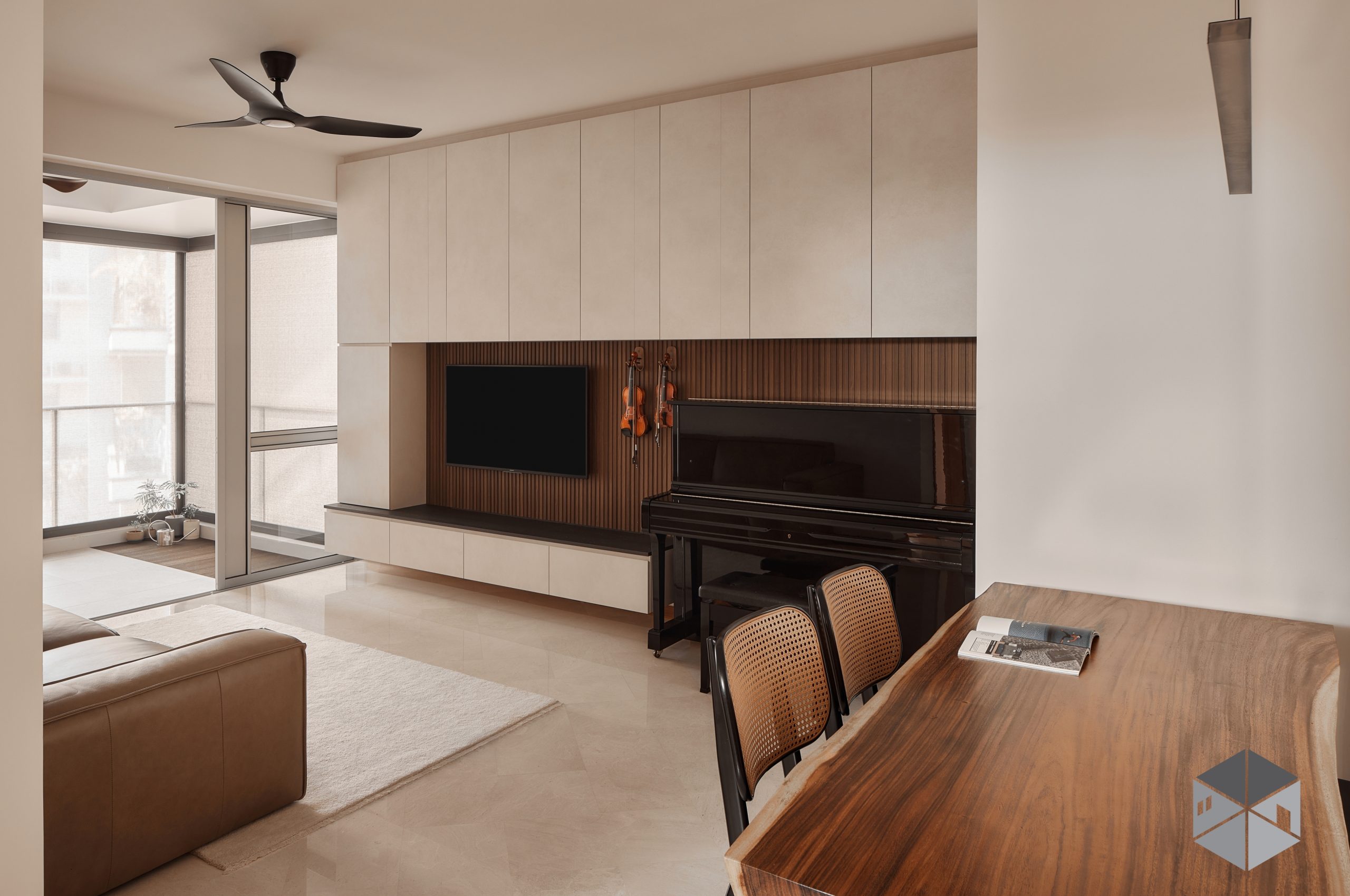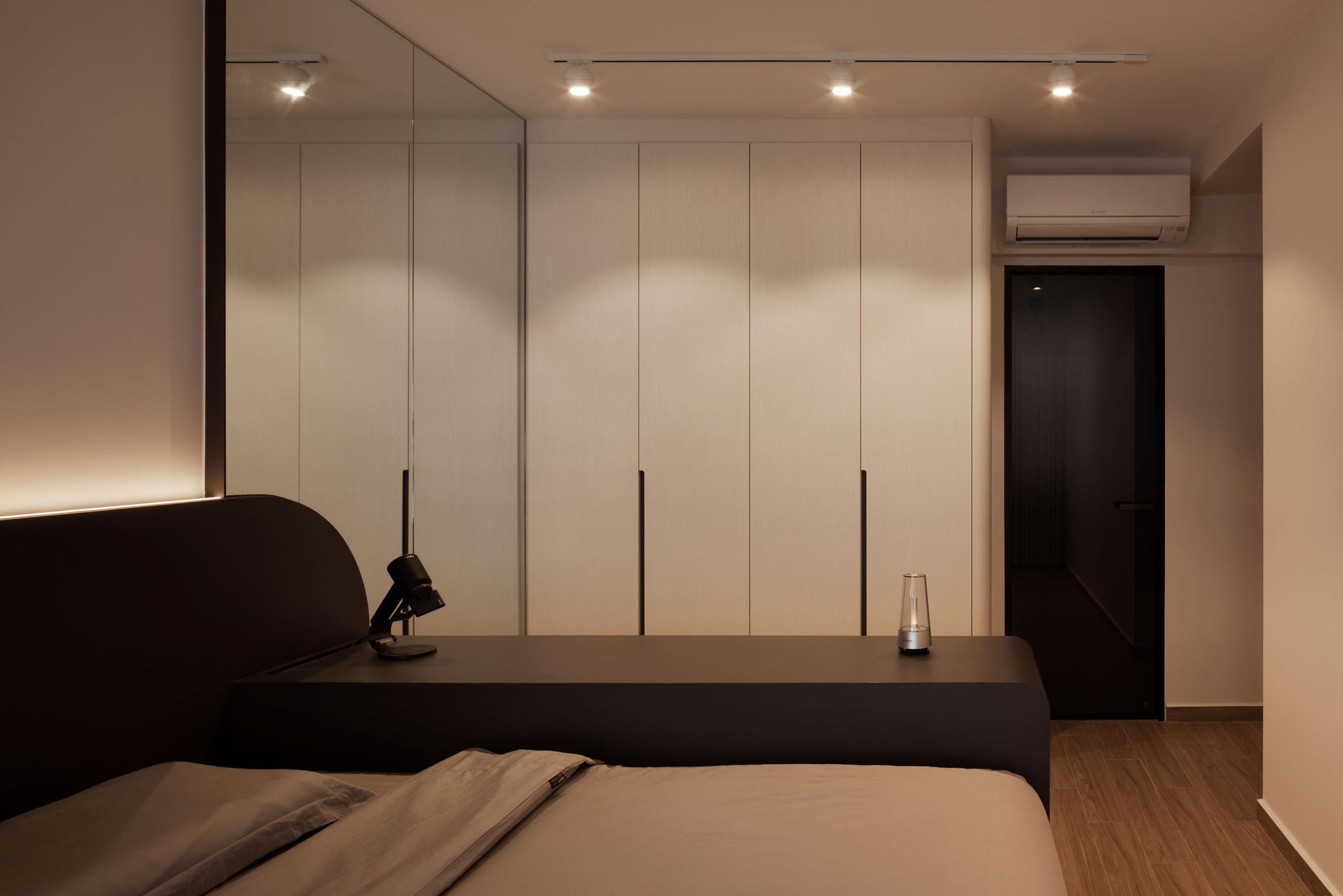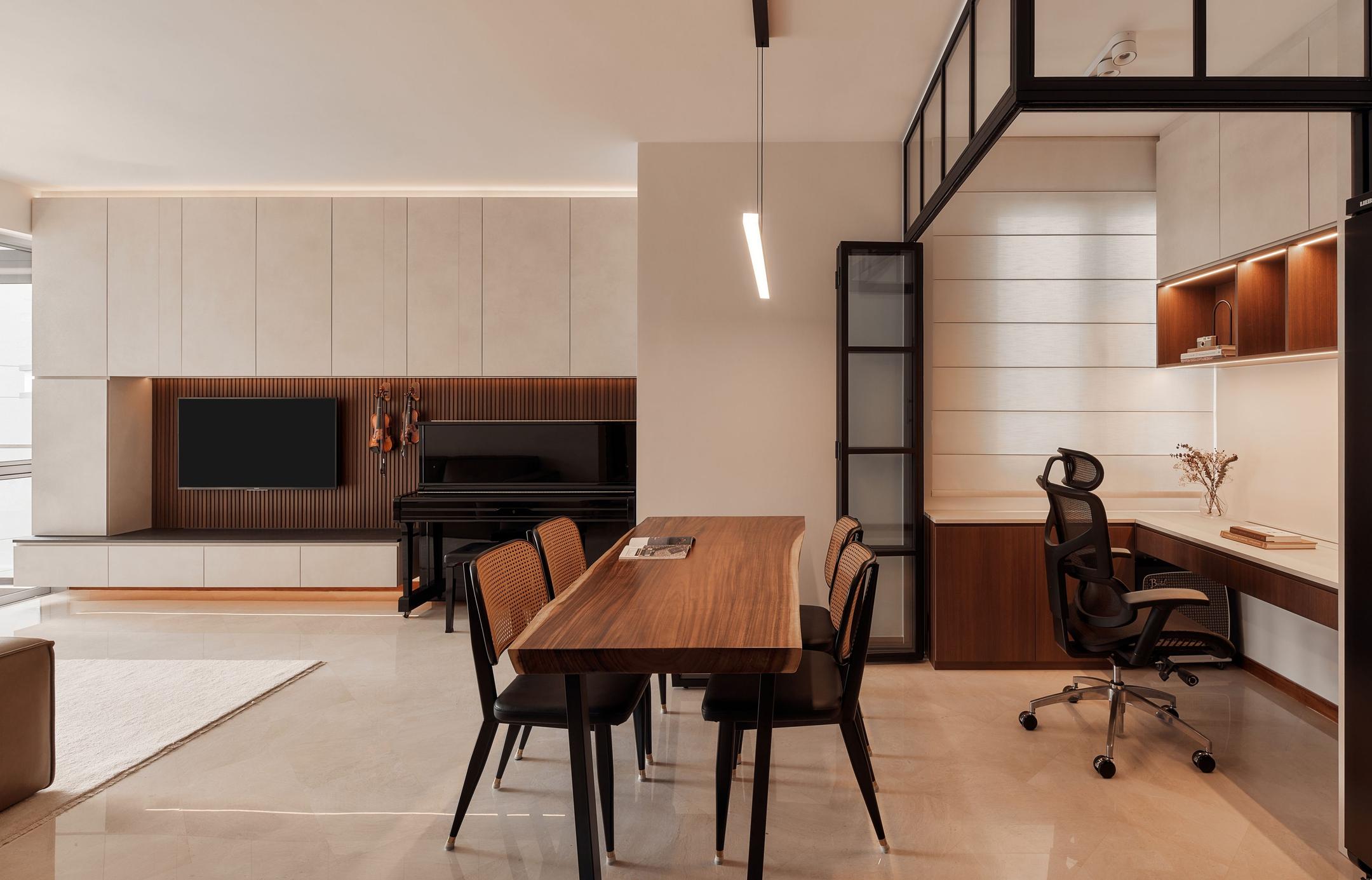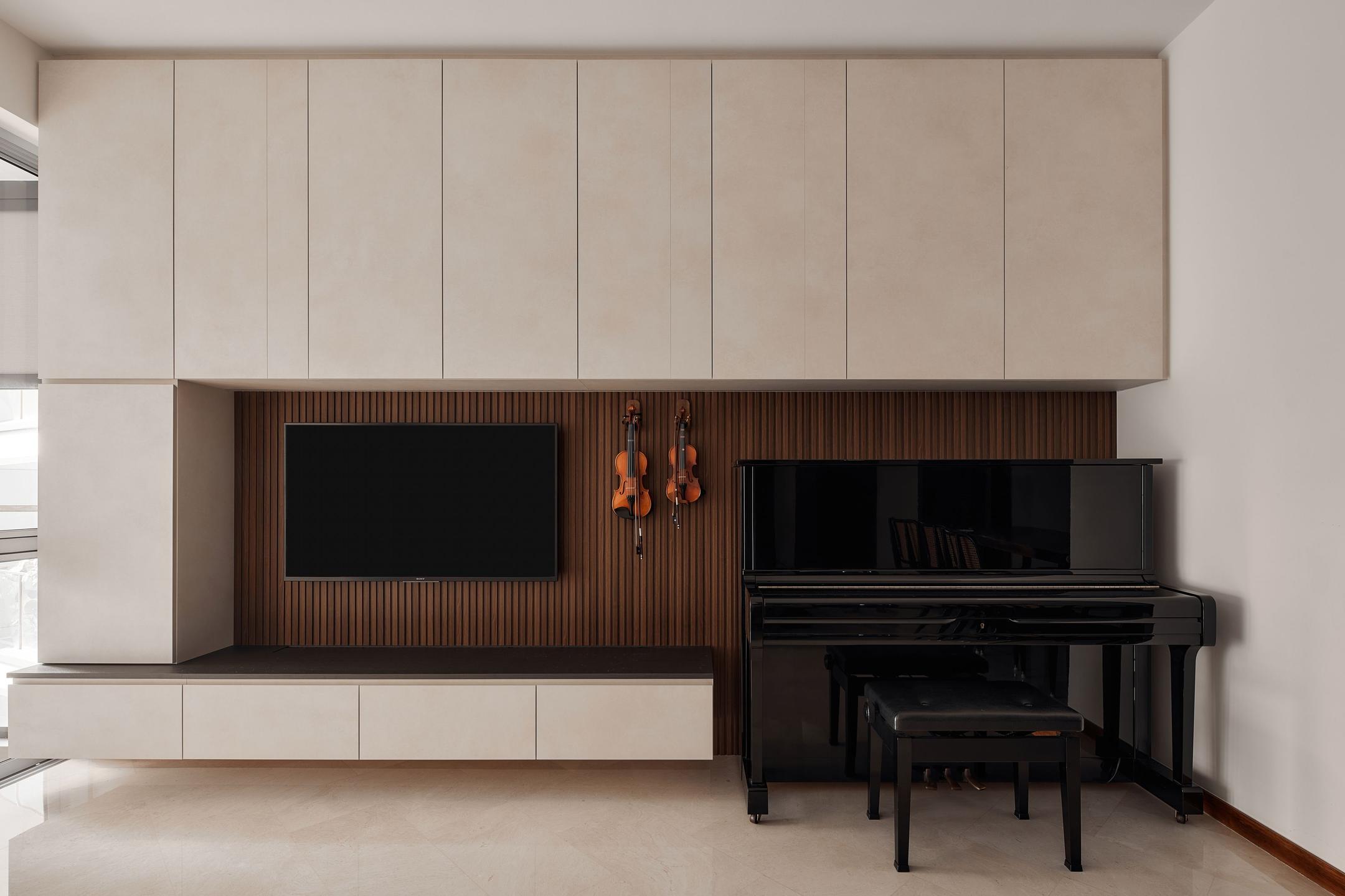
At Elpis Interior, we’ve seen both sides of this story. Some clients come to us after bad experiences with unclear contracts, hidden costs, or unlicensed workers. Others begin their journey with us and enjoy clarity, transparency, and design precision from day one. This guide distills lessons from real projects and industry insights to help every Singapore homeowner navigate the contractor selection process with confidence.
Why Choosing a Contractor Is Riskier in 2025
The renovation landscape in Singapore has shifted rapidly. Rising material costs, manpower shortages, and stricter regulatory frameworks mean that homeowners face more pitfalls than ever before. In fact, recent market data shows that nearly 30% of renovation projects in Singapore encounter cost overruns or delays. The causes range from vague quotations to non-compliance with HDB and BCA guidelines.
We’ve heard stories like a couple in Toa Payoh who signed what seemed like a straightforward contract, only to be hit with $18,000 worth of variation orders halfway through. Or a condo owner in Bishan whose contractor ignored MCST rules, resulting in noise complaints, fines, and a forced project halt. These are not rare incidents—they reflect a market where homeowners must be vigilant.
In 2025, online platforms list dozens of contractors with glossy photos and attractive promotions. But as one client in Woodlands told us, “the cheapest quote often becomes the most expensive mistake.” This paradox of choice can confuse even the savviest homeowner.
That’s why being informed is not just useful—it’s essential.
How to Check HDB Licensing and Credentials
If you live in an HDB flat, only HDB-registered contractors are permitted to carry out renovation works. This ensures that safety standards, noise controls, and structural guidelines are met. Hiring an unlicensed contractor may save you money upfront, but it can result in fines, stop-work orders, or even safety risks.
For example, a family in Bukit Batok engaged a contractor who offered a “special discount.” The team hacked structural walls without HDB approval, and the renovation was immediately halted. Not only did they face penalties, but they also had to pay a second firm to restore compliance—doubling their costs.


Checking credentials is straightforward:
Visit the official HDB Registered Renovation Contractors portal and search for your contractor’s name. Verify their scope of work—whether it covers hacking, plumbing, or electrical adjustments. For condos, always check with your MCST, as some estates require pre-approved lists of contractors.
For landed homes, ensure your contractor complies with URA and BCA guidelines.
Beyond licensing, ask for proof of insurance and past project references.
Reputable contractors will happily share this information. At Elpis Interior, we also show prospective clients our portfolio of completed HDB, condo, and landed projects, so they know exactly what to expect.
Why Contracts Must Be Airtight in 2025
One of the biggest mistakes Singapore homeowners make is signing contracts that are too vague. In 2025, contracts must be airtight, clear, and designed to protect both parties. Without this, you risk scope creep, unagreed costs, and endless delays.
Consider the story of a young family in Punggol. Their contract simply said “kitchen renovation – $25,000.” No details on carpentry finishes, electrical points, or appliances. By the end, the project ballooned to $38,000 because every small request—from an extra power point to a simple laminate upgrade—was charged as an “add-on.” They felt trapped, with no written proof to challenge the charges.
A comprehensive renovation contract in Singapore should include:
Detailed Scope of Works. Every activity—from tiling to carpentry—should be clearly listed with specifications. This prevents disputes about “what was included.”
Project Timeline. Contracts should specify start and end dates, with penalties for unjustified delays. This protects you if your contractor drags their feet.
Payment Terms. Avoid firms that demand more than 20–30% upfront. Milestone-based payments tied to deliverables keep both sides accountable.
Variation Procedures. There should be a clear process for handling changes after signing, including written approval and pricing before work continues.
Warranty and Defect Liability. A 6–12 month defect liability period ensures the contractor fixes workmanship issues post-handover.
Dispute Resolution. Contracts should outline mediation or arbitration processes if disagreements arise.
At Elpis Interior, we believe contracts should bring peace of mind, not confusion. That’s why we use simplified, jargon-free agreements that protect clients while staying practical.

Are Hidden Costs Still the Biggest Trap?
Hidden costs remain the number one renovation headache in Singapore. In 2025, stricter HDB guidelines and rising import charges for raw materials have made it even easier for budgets to spiral if details aren’t locked down.
We’ve worked with homeowners who underestimated compliance costs—like fire-rated doors required by HDB, or MCST-mandated soundproofing for condo floors. These aren’t optional, and when left unplanned, they can add thousands to your bill.
Here’s how hidden costs typically appear:
A 4-room HDB resale flat quoted at $45,000 ends up costing $60,000 because hacking permits, rewiring, and waterproofing weren’t factored in. A condo kitchen renovation quoted at $20,000 creeps to $28,000 after imported stone and custom carpentry were introduced without written agreement.
At Elpis Interior, our philosophy is transparency. Every quotation is itemised, covering materials, labour, permits, and contingencies. We believe surprises belong in your home design, not your invoices.
Realistic Renovation Costs in 2025
To help you benchmark, here’s an overview of average renovation costs in Singapore for 2025:
| Property Type | Average Renovation Cost (2025) | Common Pitfalls |
|---|---|---|
| 3-Room HDB Flat | $35,000 – $50,000 | Hidden rewiring, underestimated carpentry costs |
| 4-Room HDB Flat | $45,000 – $65,000 | Additional hacking permits, flooring upgrades |
| 5-Room HDB Flat | $55,000 – $80,000 | Variation orders for customised carpentry |
| Condo (100 sqm) | $40,000 – $90,000 | MCST restrictions, imported materials overruns |
| Landed Property | $150,000 – $350,000+ | URA approvals, large-scale structural works |
These figures show why it’s critical to plan with a realistic budget and a contractor who communicates clearly.
Without that, families often face the stress of paying both rent and mortgages when delays extend timelines.

What 5 Questions Should You Always Ask Your Contractor?
We recommend homeowners in Singapore always ask these five questions before signing:
1. Are you licensed and insured? A licensed contractor meets HDB and BCA standards. Proof of insurance protects you from liability.
2. Can you provide references? Speaking with past clients gives you confidence in their workmanship and service.
3. How do you handle delays? Reliable contractors explain contingency plans, not just excuses.
4. How are variation orders managed? A clear process prevents last-minute “surprise” bills.
5. Do you provide a warranty? Post-completion support ensures your investment is protected long-term.
The way a contractor answers reveals not just professionalism, but whether they respect your budget and lifestyle. At Elpis Interior, these questions are part of our standard consultation—we welcome them because we know they build trust.
Frequently Asked Questions
What’s the difference between an interior designer and a contractor?
An interior designer focuses on layout, materials, and aesthetics, while a contractor executes the physical works like carpentry, plumbing, and wiring. Firms like Elpis Interior integrate both, ensuring seamless design-to-build execution.
What’s a safe deposit size for renovations?
In Singapore, safe deposits are usually 20–30% of the total project value, with the rest paid in milestones. Avoid firms asking for more than half upfront.
What’s the warranty rule in renovations?
Most contractors offer a defect liability period of 6–12 months. Ensure this is in your contract, with clear coverage for workmanship issues.
Final Reflection
Every renovation in Singapore carries emotional and financial weight. It’s about turning walls and floors into a sanctuary that holds your family’s story. But the difference between joy and regret often comes down to choosing the right contractor.
In 2025, with rising costs and stricter regulations, homeowners must be sharper than ever. Check licenses. Demand clear contracts. Ask tough questions. Protect yourself from hidden costs. And above all, partner with a firm that treats your vision as their mission.
At Elpis Interior, our promise is simple: Your Vision. Our Expertise. Because a renovation should be the start of happy memories, not financial nightmares.