

“Scandinavian design hides its secrets in details.” Subtle nuances in lighting, textures, and layouts work together to create homes that feel effortless, warm, and enduring. Let’s explore how these secrets unfold in Singapore’s condo landscape.


Why Do Condos Need a Different Approach from HDBs?
It’s easy to assume that an HDB and condo renovation are alike. Both involve compact spaces, budget planning, and material selection. But in reality, condos present unique challenges. Unlike HDBs, condos often feature irregular nooks, low ceilings, and merged living-dining layouts that demand tailored strategies. A cookie-cutter HDB approach rarely works.

For instance, many condos in central Singapore use full-height glass windows. While visually stunning, they complicate storage planning since you can’t build cabinetry along those walls. Ceiling heights in some condominiums are lower than resale HDBs, requiring strategic lighting and furniture scaling. Even balconies—once overlooked—become functional extensions in Scandinavian condo design, blurring the line between indoors and outdoors.
Renovations also differ logistically. Condos fall under the MCST (Management Corporation Strata Title) framework. This means homeowners must apply for permits, comply with working-hour restrictions, and even pay lift protection or deposit fees before work begins. Hacking is often limited. These rules shape how designs are executed—and why you need professionals who understand condo-specific guidelines.
That’s why Condo Scandinavian Interior Design by Elpis Interior doesn’t simply replicate HDB ideas. Instead, we adapt Scandinavian principles to your condo’s quirks, ensuring flow, light, and harmony.
How Do Lighting Secrets Transform Condos in 2025?
Lighting is often underestimated. Many condo owners assume a simple ceiling light is enough. But in Scandinavian interiors, lighting is the silent architect. It sculpts perception, expands space, and influences mood. In 2025, the focus is on layered lighting—a delicate mix of natural, ambient, and task lighting that adapts to daily rhythms.
Consider a one-bedroom condo in Bukit Timah. With limited windows, the living room felt perpetually dim. By introducing reflective wall finishes, warm LED strips under shelving, and pendant lamps over the dining table, the space transformed into a bright, welcoming retreat. The homeowner described it as “stepping into a larger apartment without adding square footage.”
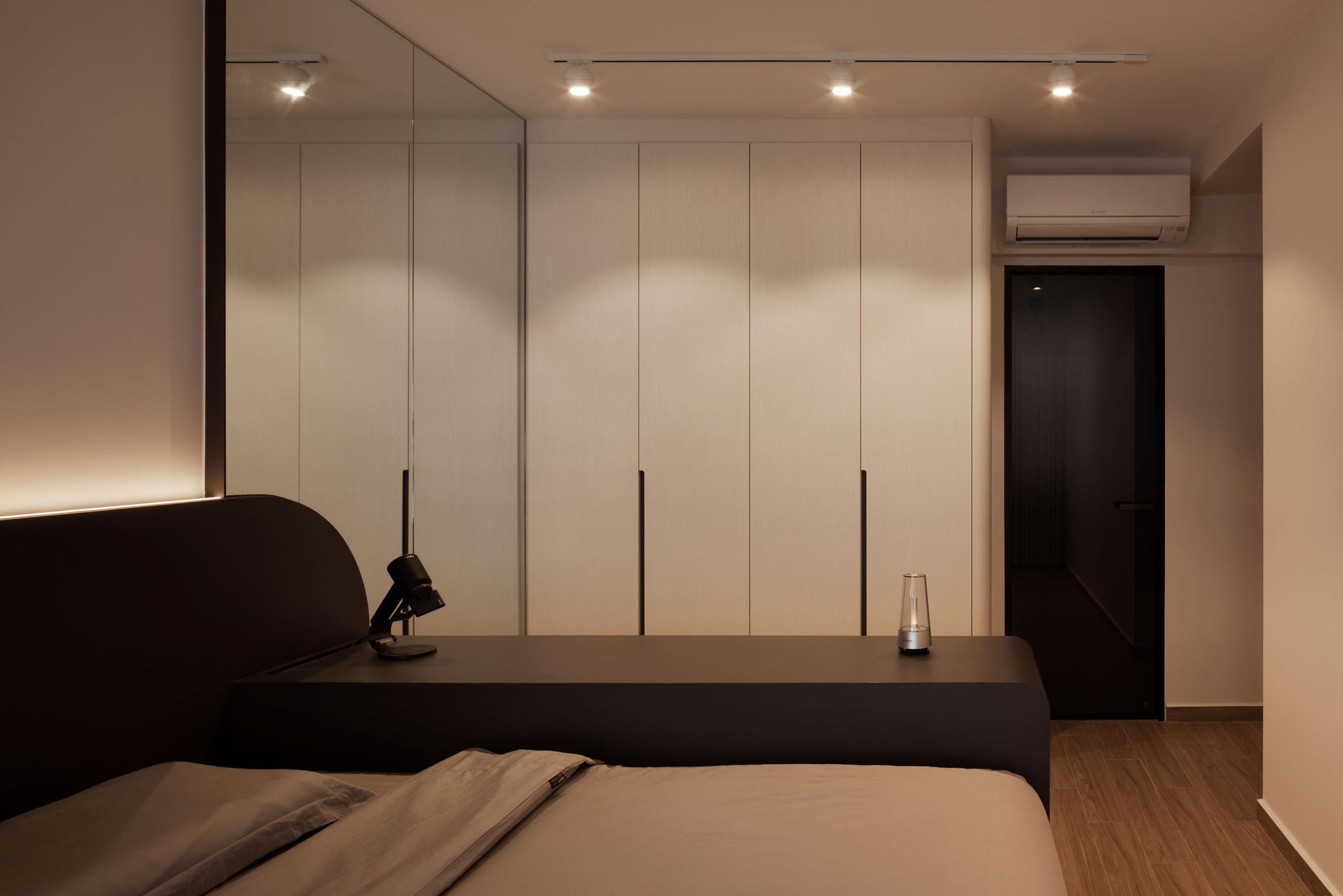
Studies confirm this experience: well-designed lighting increases perceived spaciousness by up to 30%. That’s a significant change for urban dwellers who spend long hours indoors. At Elpis Interior, we design lighting plans with precision—choosing not just fixture placement, but colour temperature. Warm tones create evening coziness, while cooler whites energise morning routines.
It’s these overlooked details—glare control, layering, and adaptability—that separate ordinary condos from stunning Scandinavian havens.


What Materials Create Understated Luxury in Singapore Condos?
Scandinavian design is often mistaken for cheap simplicity. In truth, it embodies understated luxury—the kind that whispers rather than shouts. Materials are the cornerstone of this quiet opulence.
Natural textures dominate. Engineered oak flooring adds warmth without the warping issues solid wood faces in Singapore’s humidity. Quartz countertops combine elegance with practicality, resisting stains in busy kitchens. Matte ceramic tiles lend softness to bathrooms, avoiding the glare of glossy finishes. The result is a space that feels tactile and refined without excess.
One condo in Tanjong Rhu illustrates this well. Instead of polished marble, which felt too formal, the owners opted for matte-finished quartz and soft linen upholstery. Guests constantly remark on the calming atmosphere—proof that luxury need not be loud to impress.
When selecting materials, the secret is subtle contrast. Smooth cabinetry balanced with textured throws, cool stone offset by warm timber accents. These layers prevent the sterile look many fear when imagining “minimalist design.”

Can Neutral Palettes Look Exciting in Condos?
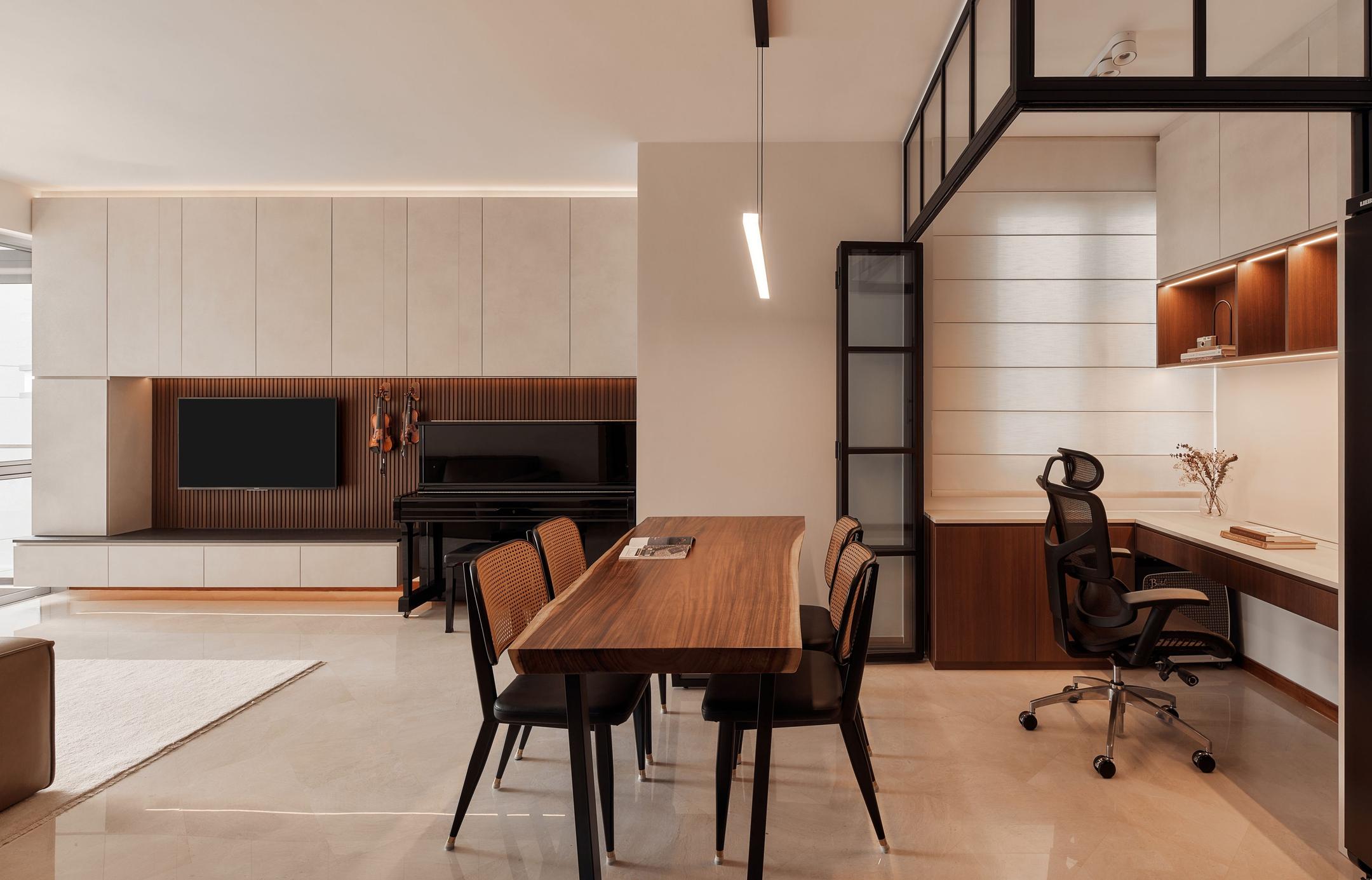
Neutral palettes have an unfair reputation for being dull. But in Scandinavian condos, they are the foundation for endless creativity. The trick lies in layering tones and introducing accents.
Picture soft grey walls paired with light oak cabinetry. Add brushed brass handles for warmth, and muted olive cushions for character. Suddenly, the condo feels inviting, modern, and anything but bland. This layering creates depth without clutter—a crucial balance in compact spaces.
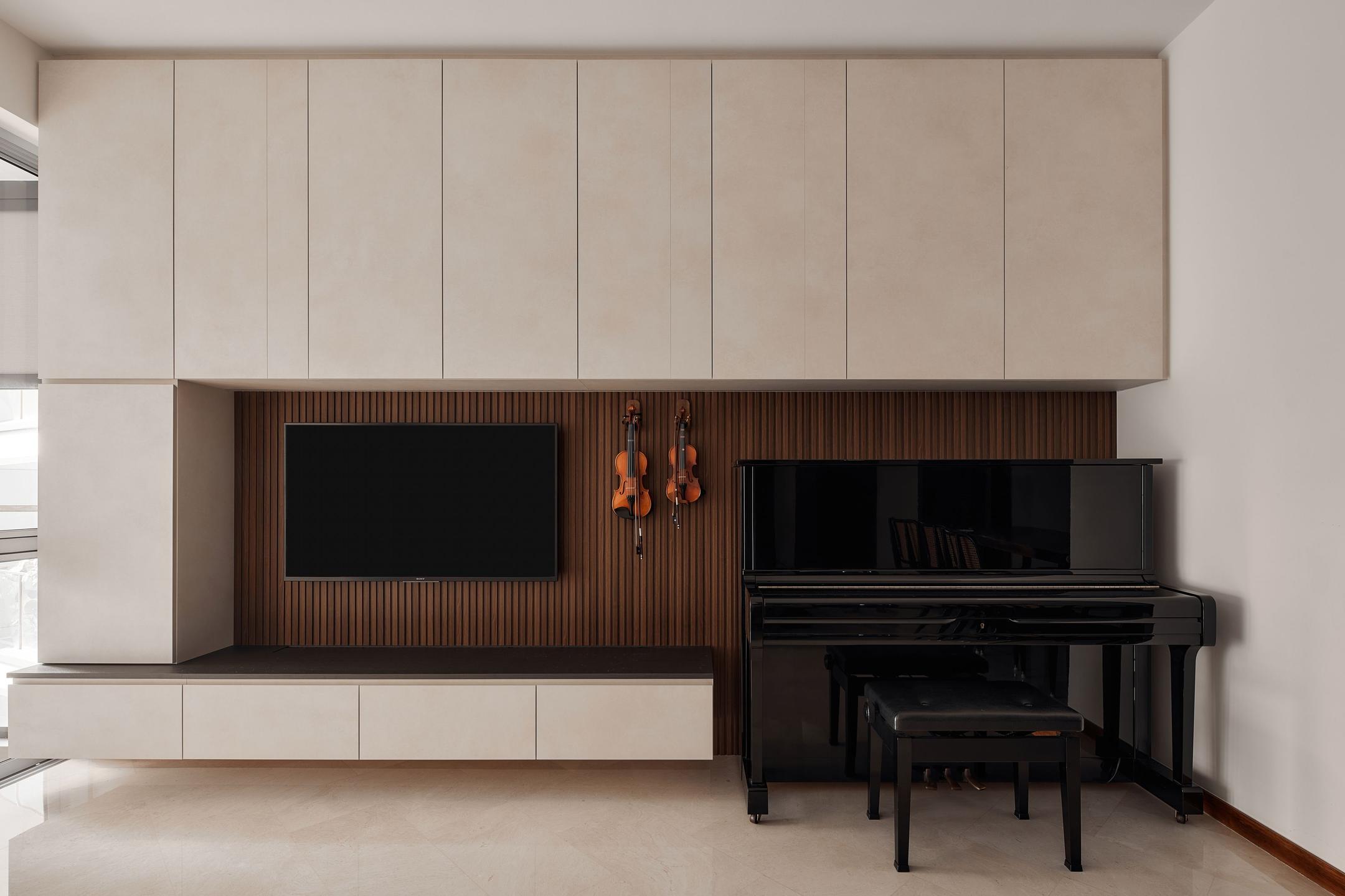
In Singapore’s high-rise condos, where natural light can vary dramatically by orientation, neutrals adapt gracefully. A west-facing unit benefits from cooler tones to counter harsh sunlight. An east-facing studio glows with warm beige that complements soft morning light. Neutral doesn’t mean colourless—it means versatile.
This adaptability explains why neutrals remain the go-to for resale value. Buyers see them as calming backdrops they can personalise. For homeowners, it’s an aesthetic that grows with you instead of dating quickly.
What Are the 5 Secrets Designers Rarely Share?
Behind every impressive Scandinavian condo are principles rarely spelled out in magazines. These five “secrets” separate professional results from amateur attempts.
1. Proportion Over Size
It’s not about how big your sofa is—it’s about how it relates to the room. In a condo at River Valley, a bulky sectional overwhelmed the living area. Replacing it with a slim three-seater aligned with the sightlines opened the space instantly. The lesson: proportion dictates harmony more than sheer size.
2. Colour Layering
Scandinavian design thrives on layered tones. A homeowner in Bishan discovered that by painting walls a soft greige and pairing it with cream curtains, the space gained richness without needing bright accents. Subtle shades prevent monotony while keeping the overall calm vibe intact.
3. Smart Storage
Condos often lack storage. Built-in benches with hidden compartments or platform beds with drawers solve this issue without cluttering aesthetics. In one project, custom cabinetry disguised as wall panelling doubled as storage—guests never guessed its dual function.
4. Texture Contrast
Smooth surfaces alone can feel flat. Adding woven rugs, knitted throws, or linen cushions introduces tactile variety. One young couple in Pasir Ris said the addition of a simple jute rug made their living room “finally feel like home.” Texture is the emotional layer of design.

5. Intentional Lighting
Lighting isn’t decoration—it’s function married to mood. Adjustable fixtures allow transitions from focused work to evening relaxation. In a CBD apartment, a dimmable pendant above the dining table became the family’s favourite feature, adapting seamlessly to meals, work, and gatherings.
Miss these five principles, and your condo risks feeling incomplete. Apply them, and you’ll uncover the true essence of Scandinavian elegance.
Estimated Cost of Condo Scandinavian Renovations in Singapore
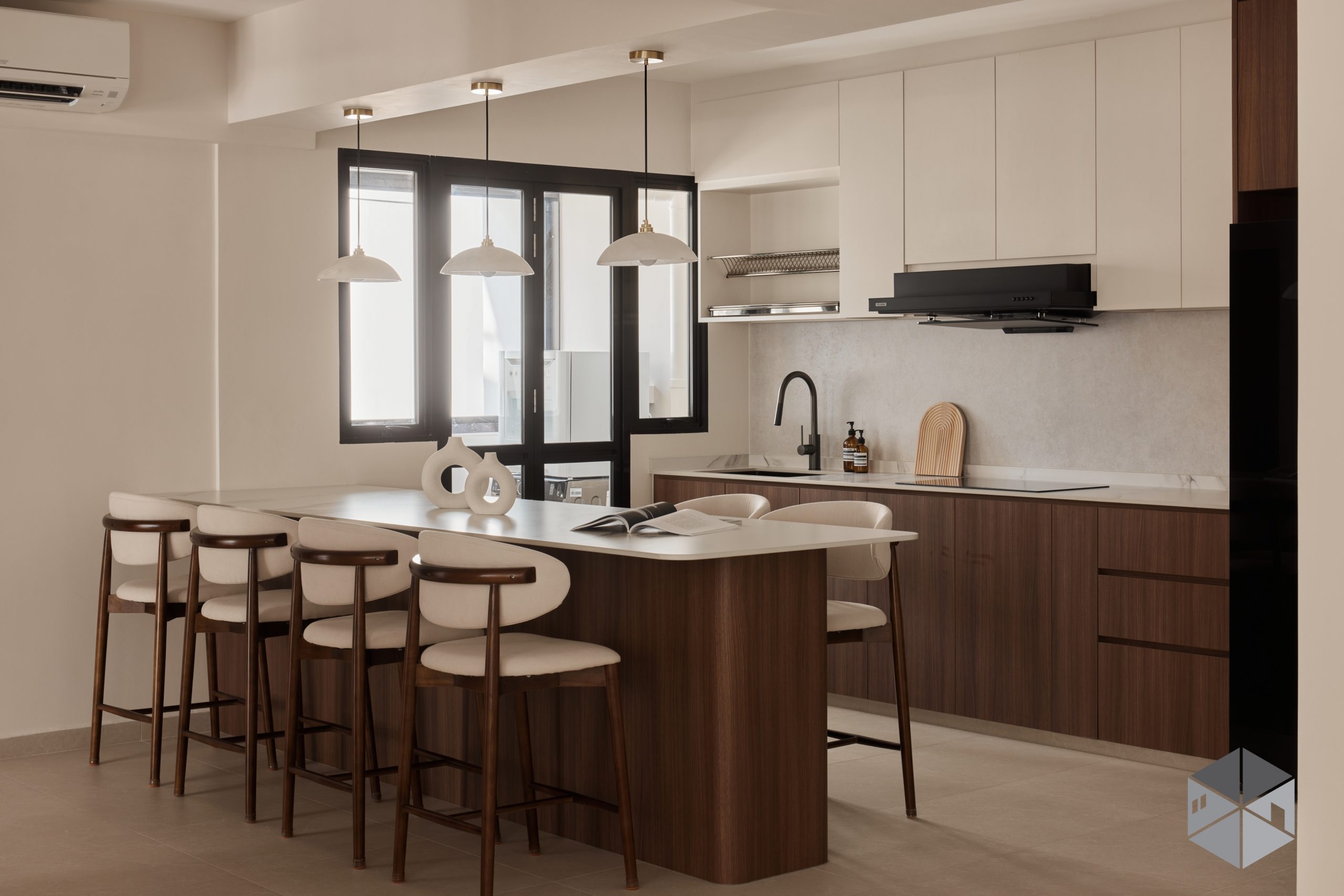
Cost is often the deciding factor. While condos usually cost more to renovate than HDBs due to MCST rules and higher expectations for finishes, Scandinavian design still offers cost-effective pathways. Here’s an estimated 2025 breakdown:
| Condo Type | Carpentry | Flooring | Painting | Lighting | Furniture | Total Estimated Range (SGD) |
|---|---|---|---|---|---|---|
| 1-Bedroom Condo | $10,000 – $14,000 | $3,500 – $5,000 | $2,000 – $3,000 | $1,500 – $2,500 | $6,000 – $9,000 | $23,000 – $33,500 |
| 2-Bedroom Condo | $14,000 – $18,000 | $5,000 – $7,000 | $2,500 – $3,500 | $2,000 – $3,000 | $7,000 – $10,000 | $30,500 – $41,500 |
| 3-Bedroom Condo | $18,000 – $25,000 | $6,000 – $9,000 | $3,000 – $4,000 | $2,500 – $3,500 | $8,000 – $12,000 | $37,500 – $53,500 |
| Penthouse Condo | $25,000 – $35,000 | $8,000 – $12,000 | $4,000 – $5,500 | $3,500 – $5,000 | $12,000 – $18,000 | $52,500 – $75,500 |
Note: Costs vary depending on material choices, MCST restrictions, and personalisation. These are market averages for Singapore in 2025.
Homeowners often worry that luxury materials will overshoot their budget. The key is balance. Opting for engineered flooring instead of solid timber, or laminate carpentry instead of veneer, saves thousands while preserving Scandinavian aesthetics. At Elpis Interior, we guide you through these trade-offs transparently, ensuring comfort without compromise.
FAQs About Scandinavian Condo Interiors
Can Scandinavian design work in luxury condos?
Yes. Luxury condos benefit from bespoke furniture, premium finishes, and layered lighting—all of which align with Scandinavian principles of elegance and restraint.
How do budgets differ between HDB and condo renovations?
Condo renovations generally cost more due to stricter rules and higher-end finishes. But with careful planning, Scandinavian design keeps costs manageable without losing sophistication.
What’s the difference between Japandi and Scandinavian design?
Japandi blends Japanese minimalism with Scandinavian warmth, favouring darker woods and rustic textures. Scandinavian design leans lighter and softer. Both work well in Singapore condos, but they evoke distinct moods.
Do I need MCST approval for condo renovations?
Yes. Most condos require MCST permits, with conditions on noise, hacking, and working hours. Understanding these early avoids costly delays. Elpis Interior handles this process for our clients.
Which Secret Could Transform Your Condo Now?
Every condo in Singapore tells a story. The difference between an uninspired template and a timeless Scandinavian interior lies in the details: proportion, lighting, textures, and personalisation. For some, it’s the joy of finally seeing light-filled rooms. For others, it’s discovering storage solutions that simplify daily life.
At Elpis Interior, we combine affordability, personalisation, and comprehensive renovation services to reveal these hidden possibilities. Our role is to make sure your condo doesn’t just look good—but feels like home, crafted around you.
Start your Scandinavian-inspired condo journey today and discover how design secrets can turn your space into the retreat you’ve always imagined.
