fbcode

Transforming Your 3-Room HDB: A Guide to Kitchen Renovation Costs

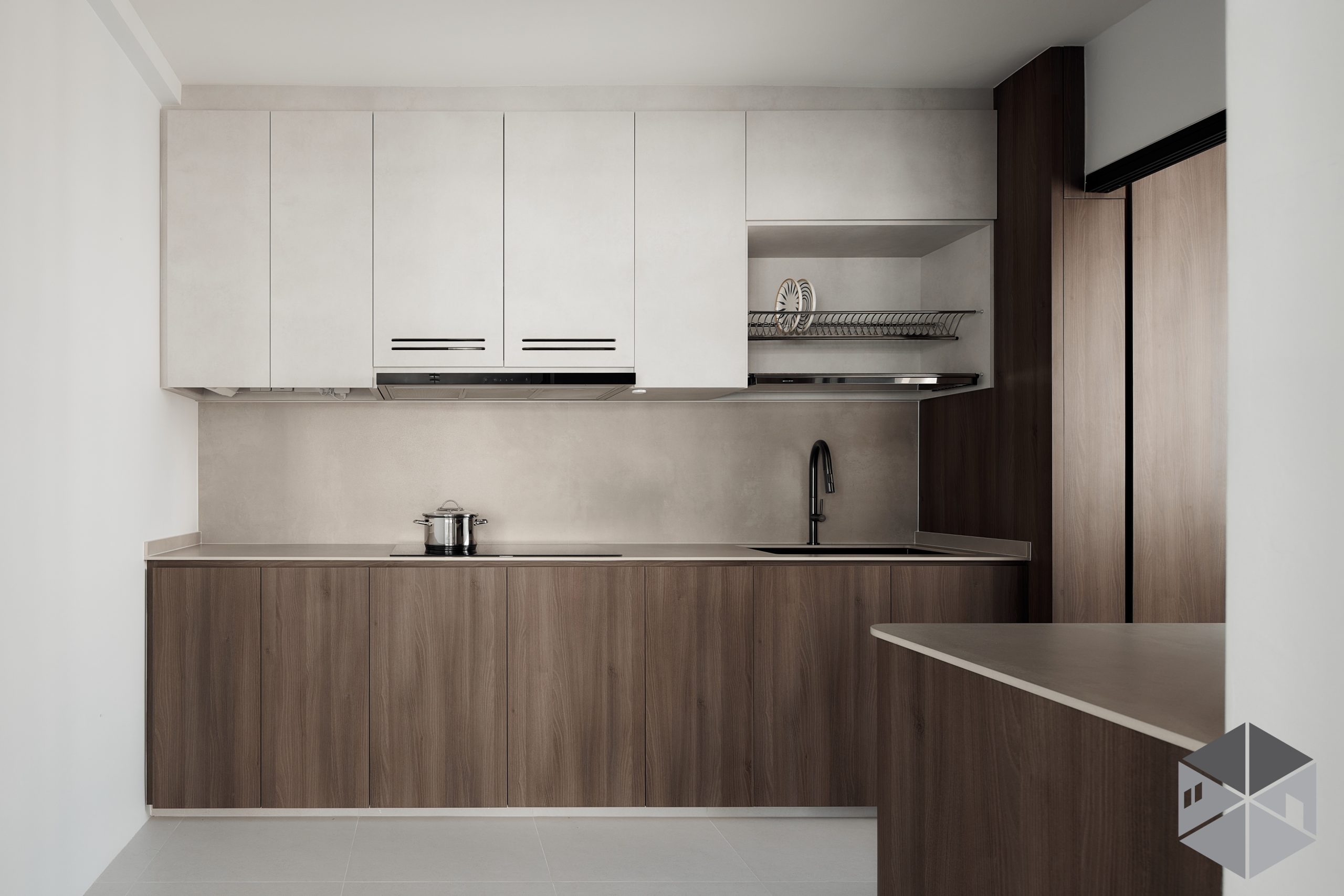
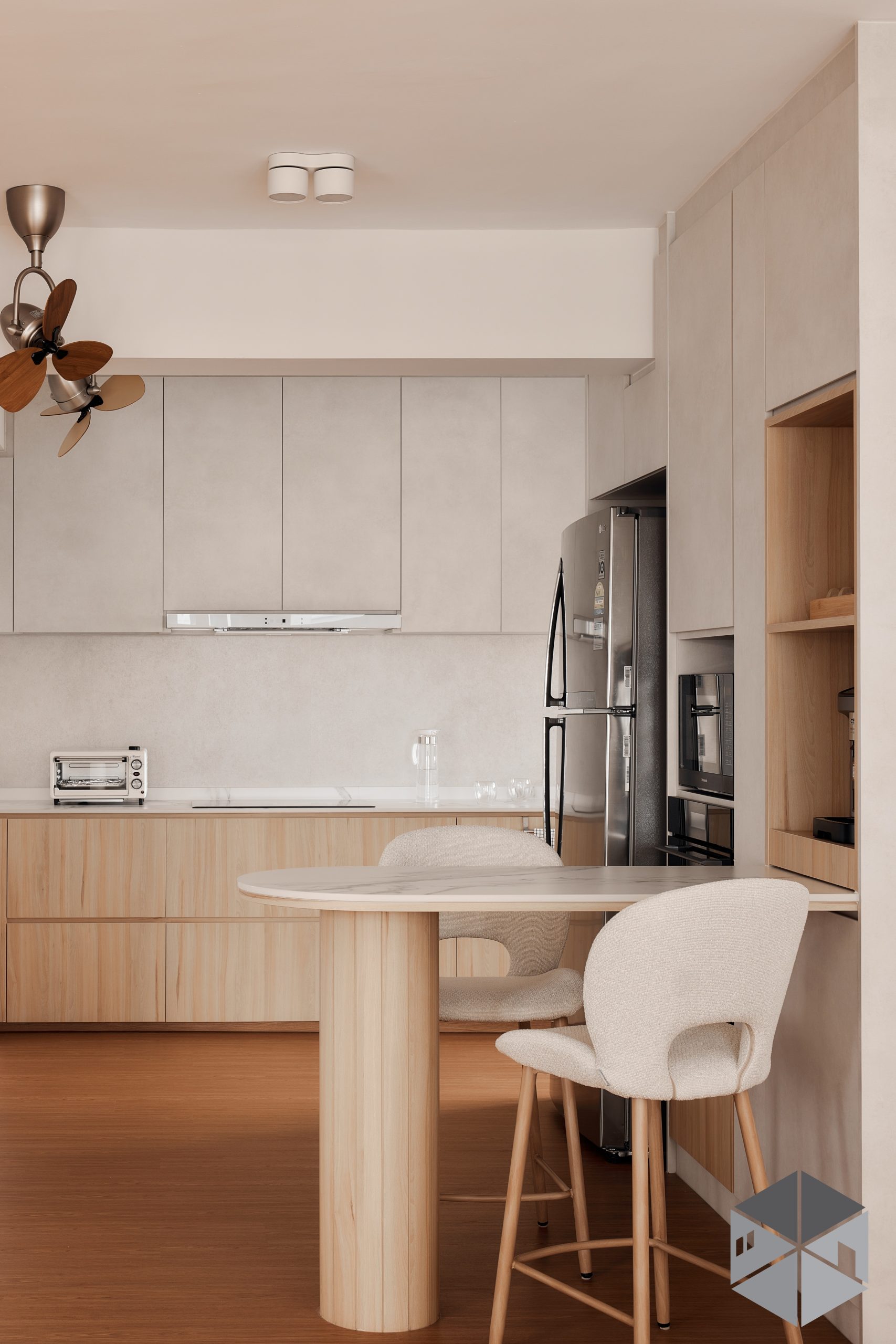
Renovating a 3-room HDB kitchen is a journey that combines practicality, creativity, and budget-conscious planning. If you’re like many Singapore homeowners, you might be wondering: How much does it really cost to transform this crucial space? From choosing the right materials to navigating labor costs, understanding the breakdown of your 3-room HDB kitchen renovation cost can feel overwhelming.

At Elpis, I believe that no homeowner should have to choose between affordability and style. With the right guidance, your kitchen renovation can be a seamless experience that turns your vision into reality while respecting your budget. Let’s dive into the factors that shape renovation costs and explore how to plan effectively for your dream kitchen.

Factors Influencing 3-Room HDB Kitchen Renovation Costs

When planning a kitchen renovation, it’s essential to understand what influences the overall cost. Here’s factors kitchen renovation costs:

Size of the Kitchen:

  • Smaller kitchens generally cost less to renovate.
  • However, compact spaces require thoughtful design to maximize functionality.

Material Choices:

  • Quartz countertops are more expensive but highly durable.
  • Laminates offer a budget-friendly alternative.
  • High-quality cabinetry or custom designs can significantly increase costs.

Labor Charges:

  • Skilled professionals ensure a flawless finish but come at a higher price.
  • Labor costs vary based on the complexity of the renovation project.

Design Complexity:

  • Straightforward layouts are less expensive.
  • Intricate or custom designs require more time and effort, raising overall costs.

Cost Breakdown of a Typical 3-Room HDB Kitchen Renovation

To give you a clearer picture, here’s an example of how costs might be distributed:

  • Demolition and Prep Work: Removing old tiles, cabinets, or fixtures typically costs around $1,000–$2,000.
  • Cabinetry: Modular cabinets are a budget-friendly option, starting at $3,000, while custom designs can go upwards of $6,000.
  • Countertops: Quartz countertops average around $120–$170 per foot run, whereas laminates are more economical at $50–$70 per foot run.
  • Flooring and Walls: Tiling can cost $10–$30 per square foot, depending on material and style. Vinyl is often a cheaper alternative.
  • Plumbing and Electrical Work: Installing sinks, faucets, and additional power outlets can range from $1,500 to $3,000.
  • Appliances and Fittings: Depending on your choices, these can cost between $1,000 and $5,000.

On average, a 3-room HDB kitchen renovation cost in Singapore ranges from $10,000 to $25,000, depending on the scope and materials.

Affordable Design Solutions for 3-Room HDB Kitchens

Renovating your 3-room HDB kitchen on a budget doesn’t mean sacrificing style or functionality. With careful planning and strategic choices, you can create a space that feels modern and efficient while staying within your financial limits. Here are some expanded ideas to help you achieve the perfect balance of affordability and design:

  1. Opt for Modular Cabinets Instead of Custom-Built Ones
    Modular cabinets are a game-changer for budget-conscious renovations. They’re pre-designed, which reduces labor costs, and they come in various sizes, styles, and finishes to suit your kitchen’s layout. While custom-built cabinets offer more flexibility, modular options can provide the same polished look for a fraction of the price. For additional savings, select finishes like laminates, which are both affordable and durable.
  2. Use Laminated Surfaces for Countertops and Cabinetry
    Laminated countertops and cabinetry are cost-effective yet visually appealing options. They mimic the appearance of pricier materials like wood or stone but are easier on the wallet. Modern laminates are durable and resistant to stains and scratches, making them ideal for everyday kitchen use. By investing in high-quality laminates, you ensure a sleek, polished look without overspending.
  3. Incorporate Open Shelving for a Contemporary Look
    Open shelving is not only budget-friendly but also adds an airy, modern vibe to your kitchen. Instead of installing full cabinetry, you can use sturdy wooden or metal shelves to display frequently used items, plants, or decorative pieces. Pair open shelving with neutral tones or minimalist hardware to create a clean, contemporary aesthetic that feels light and spacious.
  4. Invest in Compact, Multi-Functional Appliances
    Space and cost efficiency go hand in hand when it comes to kitchen appliances. Look for compact, multi-functional options that combine multiple features in a single unit, such as an oven with built-in air-frying capabilities or a microwave that doubles as a convection oven. These appliances save counter space while reducing the need to purchase additional equipment.
  5. Focus on Cost-Effective Backsplash and Flooring Options
    Instead of high-end tiles or expensive materials, consider affordable yet stylish alternatives for backsplashes and flooring. Vinyl flooring, for example, is easy to install, durable, and comes in various designs that mimic wood or stone. For backsplashes, peel-and-stick tiles or tempered glass panels can provide a modern, sleek finish at a fraction of the cost of traditional materials.
  6. Repurpose and Refresh Existing Fixtures
    If certain elements of your current kitchen are still in good condition, repurpose or refresh them instead of replacing them. For example, a fresh coat of paint on existing cabinetry can dramatically change the kitchen’s look without the need for new installations. Similarly, updating cabinet handles or faucet fixtures is an inexpensive way to elevate the space.
  7. Keep the Design Simple and Functional
    A minimalist approach not only saves costs but also enhances the overall functionality of your kitchen. Avoid overly intricate designs or excessive customizations, which can quickly inflate your budget. Instead, focus on clean lines, practical layouts, and essential upgrades that improve the flow and usability of the space.
  8. Leverage Affordable Lighting Solutions
    Lighting plays a crucial role in defining your kitchen’s atmosphere. Instead of expensive fixtures, consider affordable LED lights, which are energy-efficient and long-lasting. Under-cabinet lighting strips or pendant lights over key areas like the dining counter can enhance the aesthetic while remaining cost-effective.

By implementing these affordable design solutions, you can transform your 3-room HDB kitchen into a space that is not only functional but also stylish and reflective of your personality. With a little creativity and thoughtful planning, it’s possible to achieve your dream kitchen renovation without overspending.

How to Budget for Your Kitchen Renovation

Creating a realistic budget is key to a successful renovation. Start by prioritizing essential upgrades like cabinetry and countertops, as these form the backbone of any kitchen design. Allocate a contingency fund—typically 10–15% of your total budget for unexpected expenses, such as plumbing repairs or material delays.

Researching material options can also help you find the best balance between cost and quality. For example, while premium quartz countertops are more expensive upfront, their durability may save you money in the long run. Partnering with a reliable renovation service like Elpis ensures that every dollar is spent wisely, with no hidden costs.

Tailored Design Services from Elpis

At Elpis, I focus on bringing your dream kitchen to life while keeping the renovation process simple and transparent. From understanding your 3-room HDB kitchen renovation cost to providing personalized design solutions, my team offers a comprehensive range of renovation services tailored to your needs.

Whether you’re aiming for a modern, minimalist kitchen or something more traditional, my expertise ensures that your space is both functional and beautiful. By working with skilled professionals and maintaining transparent pricing, I help you navigate every step of the renovation journey with confidence.

Planning Your Dream Kitchen

Your 3-room HDB kitchen deserves to be a space where form meets function, without the stress of overspending. As you begin planning, think about the features that matter most to you—whether it’s a spacious countertop for cooking, durable flooring for everyday use, or sleek cabinetry that ties the design together.

So, what does your ideal kitchen look like? How will you make it the heart of your home while staying within budget? It’s time to start visualizing your perfect kitchen renovation!

  • Upload floor plan (if any)
  •  

Accreditation

Mediterranean Design Style: Bring Timeless Coastal Elegance to Your Home

The allure of the Mediterranean design style is undeniable, conjuring images of sun-drenched coastal villas, timeless architecture, and relaxed sophistication. It’s a style that radiates warmth, elegance, and an inherent connection to nature, making it a perfect choice for creating a luxurious, serene space in your home. However, many homeowners face challenges when incorporating this design into smaller or more modern interiors. The fear of mismatched themes or overwhelming a compact space with such a bold design can be daunting.

The good news is that with the right approach, you can bring the timeless coastal elegance of Mediterranean design into your Singaporean home, no matter its size. In this article, we will explore the key elements of Mediterranean interior design, how to adapt them to local conditions, and practical tips on incorporating this elegant style into both small and modern homes. From using natural materials to creating seamless indoor-outdoor living, we’ll cover how you can transform your home into a luxurious Mediterranean-inspired retreat.

Design a Home That Hugs You Back

More than walls and furniture — it’s where your kids grow up, where laughter echoes. Let’s plan a space that feels like home. Talk to our designers today.

Elpis interior Design polaroid

Our Partners


What is Mediterranean Design Style?

Mediterranean design style is inspired by the countries bordering the Mediterranean Sea, such as Spain, Italy, Greece, and France. It is characterized by a rich blend of cultural influences and is heavily focused on natural elements, light, and open space. Timeless coastal elegance is at the heart of this style, offering a combination of rustic charm and sophisticated simplicity.

The Mediterranean aesthetic is defined by natural stone walls, light and airy spaces, and open, fluid layouts that blur the line between the indoor and outdoor living spaces. The key is to use materials that reflect the warmth of the sun, the serenity of the sea, and the beauty of nature. Think warm terracotta floors, earthy tones, wooden beams, and breezy linen fabrics. The focus is on comfort and authenticity, creating spaces that feel welcoming, elegant, and timeless.

Key Elements of Mediterranean Design

1. Natural Materials and Textures

At the core of Mediterranean design are natural materials. These materials bring authenticity and warmth to your home. For example, natural stone tiles such as travertine, marble, and terracotta are frequently used in Mediterranean-style flooring and walls. These stones offer rich textures, and their earthy tones create a sense of grounding and stability.

Wood, particularly reclaimed wood or wooden beams, is another common feature. These materials add a rustic element that complements the natural beauty of stone. The combination of stone tiles and wooden accents creates a harmonious, grounded atmosphere, which is central to Mediterranean interiors.

When incorporating these materials into a Singaporean home, consider using light-colored natural stones and wood finishes to reflect the region’s sunny, tropical environment while adding elegance to your space.

2. Indoor-Outdoor Living with Windows

A hallmark of Mediterranean design is the emphasis on indoor-outdoor living. This concept integrates the natural beauty of the outdoors into the living space, allowing for ample natural light and ventilation. This is particularly relevant in Singapore’s tropical climate, where airflow and natural light are essential.

By incorporating large windows, sliding doors, or even arched doorways, you can create a seamless transition between your interior and outdoor spaces. This creates an open, airy feel that enhances the Mediterranean vibe and works well in both small and large homes. Consider adding balconies, patios, or garden spaces that are visually connected to your living areas to truly capture the Mediterranean lifestyle.

3. Soft, Light Color Palette

The Mediterranean color palette revolves around earthy tones and coastal hues. Warm terracotta, soft whites, sandy beiges, and rich blues are the foundation of Mediterranean color schemes. The use of blue and white (reflecting the sea and sky) is a common theme that evokes the calming, expansive nature of the Mediterranean coast.

In Singapore’s homes, lighter shades can help reflect natural light, creating an airy, spacious feel, while warm tones add comfort and elegance. To achieve a balanced design, use neutral walls, such as warm whites or soft taupes, and add blue accents with textiles, cushions, or tiles. These colors will help your home feel like an extension of the serene coastal landscape.

4. Elegant Yet Simple Furnishings

Furniture in Mediterranean homes tends to be simple, functional, and crafted from natural materials. Wooden furniture with distressed finishes, wrought iron accents, and textiles like linen and cotton contribute to the relaxed and rustic feel of Mediterranean interiors. The emphasis is on comfort rather than formality, which makes the space inviting and unpretentious.

Incorporating low-profile furniture, like comfortable sofas and wooden coffee tables, will help you avoid clutter in smaller spaces while still achieving the Mediterranean aesthetic. Wrought iron chandeliers or ironwork furniture are classic elements that can be used sparingly to enhance the Mediterranean feel without overwhelming the space.


Mediterranean Design for Small Spaces: Making It Work

If you have a smaller home or apartment in Singapore, you might wonder how to incorporate Mediterranean-style interior design without making the space feel cramped. The key is to focus on creating the feeling of openness, using light colors, and maintaining balance.

  • Maximize Vertical Space: To make the most of limited space, consider using wall-mounted storage or floating shelves to keep the floor space open and airy. Vertical gardens or wall-hung planters can add greenery without taking up space.
  • Use of Light Colors: Light, neutral tones on walls, ceilings, and floors will help reflect natural light and make the space feel bigger. Soft whites, creams, and light blues are great choices for creating the illusion of more space.
  • Small-Scale Furniture: Opt for multi-functional furniture with sleek, minimal profiles. Choose low-set, comfortable sofas, and small-scale tables that provide function without dominating the space.
  • Strategic Tile Placement: Consider using natural stone tiles in smaller quantities or in specific areas like backsplashes, feature walls, or bathroom flooring. This allows you to create a Mediterranean feel without overwhelming the space.

Mediterranean-Inspired Renovation in Singapore: Practical Solutions

Renovating your Singaporean home to reflect Mediterranean elegance doesn’t have to be an overwhelming task. Here are a few ways to seamlessly integrate Mediterranean design into your renovation project:

  1. Feature Walls and Flooring: For a Mediterranean-inspired floor, consider natural stone tiles like travertine or limestone. Use these in your kitchen, living areas, and bathrooms to create a cohesive Mediterranean feel. Pair with a wooden accent wall or stone-clad feature wall for an added rustic touch.
  2. Soft Furnishings and Accessories: Use linen curtains, cotton cushions, and woven rugs to add texture and softness to your space. These elements are key to achieving the light, breezy feel associated with the Mediterranean style.
  3. Outdoor Spaces: Even in smaller apartments, you can create a Mediterranean-inspired outdoor space with balcony gardens, terracotta pots, and wrought iron furniture. This will give you a space to relax that feels connected to nature, just as Mediterranean villas often do.

Price Estimates for Mediterranean-Inspired Renovation

When considering a Mediterranean-inspired renovation, costs can vary depending on the materials and scale of the project. Below is a general price breakdown:

Element Estimated Cost Range
Natural Stone Tiles S$30 – S$150 per sqm
Wrought Iron Fixtures S$150 – S$500
Wooden Furniture S$300 – S$2,000
Textiles (Linen & Cotton) S$50 – S$200 per meter
Outdoor Furniture S$200 – S$1,000

While natural stone tiles can be a bit more expensive, their durability and timeless appeal make them a worthwhile investment. For furniture and wrought iron accents, you can choose more affordable options or customize them based on your budget. Textiles like linen and cotton add elegance at a reasonable price, while outdoor furniture will vary depending on the style and material chosen.

Transform Your Home with Mediterranean Elegance

The Mediterranean design style offers the perfect blend of coastal charm, timeless elegance, and natural beauty. By thoughtfully incorporating natural materials, indoor-outdoor living, and Mediterranean-inspired furnishings, you can create a home that feels serene and luxurious while remaining functional and inviting.

At Elpisterior, we specialize in home renovation services that help bring your dream Mediterranean-inspired home to life. Whether you’re looking to update your bathroom, living room, or outdoor space, we’re here to guide you through the design process and ensure your home reflects the Mediterranean aesthetic with a modern twist.


Design a Home That Hugs You Back

More than walls and furniture — it’s where your kids grow up, where laughter echoes. Let’s plan a space that feels like home. Talk to our designers today.

Elpis interior Design polaroid

Our Partners

Are you ready to bring the timeless elegance of Mediterranean design into your home? Let’s begin your renovation journey today and turn your vision into reality.

  • Upload floor plan (if any)
  •  

Elevating the Resale 3-Room HDB Kitchen Renovation Design: Stylish and Functional Design Solutions

“The kitchen is the heart of every home, and every heart deserves a beautiful rhythm.”

Renovating a resale 3-room HDB flat, especially the kitchen, can feel like solving a puzzle with too many missing pieces. You’ve got limited space, existing structural constraints, and a desire to create something uniquely you. But here’s the thing—transforming an old, cramped kitchen into a stylish and functional space isn’t just a dream; it’s entirely possible. At Elpis, I believe every homeowner deserves a kitchen renovation that balances affordability, personalized design, and practicality.

Whether you’re looking to bring sleek modernity to an outdated kitchen design or simply maximize your kitchen’s functionality, let’s dive into some inspiring ideas tailored to your needs.

Design a Home That Hugs You Back

More than walls and furniture — it’s where your kids grow up, where laughter echoes. Let’s plan a space that feels like home. Talk to our designers today.

Elpis interior Design polaroid

Our Partners

The Challenges of Renovating a Resale 3-Room HDB Kitchen

Renovating a resale 3-room HDB kitchen often comes with its quirks. Many resale flats feature older layouts, limited space, and pre-existing structures you need to work around. For instance, plumbing and ventilation systems are usually fixed, and you may not have the freedom to start entirely from scratch. Sound familiar?

Add to that the challenge of keeping the project within budget while ensuring the kitchen renovation aligns with your vision. Most of us want a space that’s modern, functional, and reflects our personality without breaking the bank. That’s where thoughtful, customized solutions make all the difference.

Stylish Yet Functional Solutions for Your HDB Kitchen Design

When it comes to resale 3-room HDB kitchen renovation design, functionality is non-negotiable. But who says practical can’t also be beautiful? With a bit of creativity, you can have both. For compact spaces, think vertical. Tall cabinetry, open shelving, and even ceiling-mounted racks can make use of every inch without crowding the room. If you’re into a modern kitchen design, consider seamless built-in appliances that blend into the cabinetry. This keeps the space clean and uncluttered.

Lighting can completely transform how your kitchen feels. Under-cabinet lighting not only adds a touch of sophistication but also makes prep work easier. And for ventilation, don’t settle for outdated hoods—sleek, modern designs exist that are as efficient as they are good-looking.

Resale 3-Room HDB Kitchen Renovation Ideas

Open-concept kitchen

If you’re open to bolder ideas, consider removing that old kitchen wall to create an open-concept layout. This is probably the most popular type of HDB kitchen design in a minimalist resale 3 room HDB kitchen renovation design Singapore, especially for small and compact homes and studio apartments. They are good for the environment. Because of its open concept, it does not appear congested and does not take up a large amount of space.

Using an open-plan kitchen means that there is a lot more natural light and ventilation. When cooking, it is important to keep an eye on your surroundings while cooking. If your kids are small, you’ll want to use this kind of resale HDB kitchen design. This can allow you to keep an eye on your surroundings while you cook.

Kitchen island for more storage

If you have an HDB 3-room flat and would like to add some space and value to your home, why not consider adding an island for your kitchen? Having one will give you extra size storage space, an extra eating area, a more convenient table to dine and cook on, and a work desk.

To keep your 3-room flat space flexible, you can install a movable kitchen island. If you need more storage space, then getting a kitchen island with side storage shelves will help!

Handleless kitchen cabinet

These are the most functional and beautiful designs in a multi-tasking, modern, and paired-back style. They’re perfect for your active life. There are many different types of handleless kitchen cabinet doors available to suit a variety of needs. They come in a variety of finishes, and you can choose from different wood, ceramic, and white high gloss materials.

Handleless kitchen cabinets are a must-have in any kitchen because they help keep clutter to a minimum. They’re also ideal for small kitchens where space is limited such as a 3-room resale HDB kitchen. Having too many things on a work surface can spoil the look so make sure you keep your storage areas full. Make sure you have plenty of storage space and try using the latest drawer systems.

It’s important to keep a small space open and well organized, and the handleless cabinets are ideal for doing this. A kitchen cabinet can add a lot to your home, especially if you live in a small space. With a handleless and organized kitchen cabinet, you will have a clutter-free space.

Peninsula extension of the kitchen

You’ll get a really nice appearance in your kitchen with a kitchen peninsula even if you have a 3-room resale HDB kitchen. A peninsula is an extension of the kitchen. . With a peninsula, you get extra room to cook, store things, and even have dinner. Instead of buying a separate dining table, use the peninsula as a dining area to save space.

White bright and functional a HDB kitchen

White-themed kitchens are a great way to brighten up the whole area. If you have a small 3-room HDB kitchen, a white theme will look very classy and spacious. You can add white cabinets with a light gray or beige backsplash. You can also go with white floor tiles to match the overall white theme of your home. For a beautiful kitchen, it’s best to go for a white theme.

In creating this style, you need a good amount of lighting and also a lamp design that matches perfectly with your 3-room resale HDB kitchen design.

Trendy Design Ideas for Resale 3-Room HDB Kitchens

When it comes to kitchen renovation trends in Singapore, there are plenty of styles to explore. Here are some popular options for resale HDB kitchens:

  • Scandinavian-Inspired Designs
    • Features light wood finishes and pastel accents.
    • Emphasizes clean lines and simplicity.
    • Ideal for maximizing small spaces.
  • Industrial Chic
    • Incorporates dark metallic fixtures and exposed textures.
    • Uses neutral tones for a bold yet refined look.
    • Adds character and depth to your kitchen.
  • Minimalist Designs
    • Focuses on hidden storage and sleek, seamless cabinetry.
    • Uses a monochromatic color scheme for a sophisticated vibe.
    • Perfect for homeowners seeking a clean, modern aesthetic.

These styles not only enhance the aesthetic appeal of your kitchen but also provide long-term value to your home.

How Elpis Makes Your Kitchen Renovation Stress-Free

At Elpis, I know a kitchen renovation can feel overwhelming, especially with all the decisions to make. That’s why I focus on making the process as smooth as possible. From designing the layout to sourcing materials and handling the construction, our comprehensive renovation services cover every detail.

What sets Elpis apart? Affordability without compromise. You don’t have to overspend to achieve a high-quality, stylish kitchen. Plus, every design is personalized to your unique needs, whether you’re dreaming of an open-concept kitchen or a cozy, space-efficient galley.

With Elpis, your resale 3-room HDB kitchen renovation is more than just a project; it’s a transformation that reflects your style, needs, and budget.

Maximizing Your Kitchen’s Potential

Your newly renovated kitchen is just the beginning of your home’s transformation. Imagine adding your personal touches, maybe a pop of color on the backsplash, a herb garden by the window, or even smart appliances to make cooking a breeze.

What’s stopping you from turning your resale 3-room HDB kitchen into the space you’ve always dreamed of? If you could have the perfect blend of style and functionality, how would it look?

  • Upload floor plan (if any)
  •  

Accreditation

What is Brutalist Interior Design?

“Less is more, but more can be too much.” – Mies van der Rohe

Brutalist interior design might not be for everyone, but for those who appreciate strength, raw beauty, and minimalism, it’s a style that speaks volumes. If you’re reading this, you’re likely curious about this bold design aesthetic and how it can transform your living space. As an interior designer who specializes in comprehensive design and renovation services, I’ve seen how brutalism’s unapologetic rawness can elevate a home, even in a bustling urban environment like Singapore.

Brutalist interior design, often characterized by the use of rough, unfinished materials, bold geometric forms, and a focus on functionality over ornamentation, has been gaining momentum in the design world. It challenges conventional ideas of beauty and embraces the power of simplicity and authenticity. But what does it really mean, and how can it work in your home?

Let’s dive in and explore the essence of brutalism, its key characteristics, and how you can bring this striking aesthetic into your space—whether you’re renovating a modern condo or looking to add an industrial touch to a more traditional home. With Elpis, you can access affordable, personalized interior design services that make brutalist interior design both attainable and functional.

Design a Home That Hugs You Back

More than walls and furniture — it’s where your kids grow up, where laughter echoes. Let’s plan a space that feels like home. Talk to our designers today.

Elpis interior Design polaroid

Our Partners

What is Brutalist Interior Design?

Brutalist interior design is all about embracing raw, industrial materials in their most authentic form. Originating from brutalist architecture, this design philosophy is inspired by the bold, imposing structures built during the mid-20th century. It celebrates the use of concrete, steel, brick, and wood in their natural, unfinished states. The term “brutalism” comes from the French word “béton brut”, meaning raw concrete, which is often a central material in the style.

The essence of brutalist interior design lies in its unpretentious simplicity. There are no ornate finishes or unnecessary embellishments. Instead, it embraces geometric shapes, rough textures, and utilitarian designs. Think large, exposed concrete walls, steel beams, and wooden elements that are left in their natural form to create an environment that feels grounded, bold, and purposeful.

In an urban setting like Singapore, where sleek and minimalist designs often dominate, brutalist interiors offer a refreshing break from the norm. It’s a style that can turn a space into something daring, unique, and undeniably memorable. But the challenge lies in balancing the rawness of these materials with the need for comfort and livability. That’s where a renovation with Elpis comes in—we bring an expert touch to make your brutalist interior both functional and inviting.

Key Elements of Brutalist Interior Design

When you think of brutalist interior design, a few key elements immediately come to mind. These elements set brutalism apart from other design styles by showcasing the natural beauty of materials and placing emphasis on geometric, functional forms. Whether you’re renovating a new apartment or just updating your space, here are some of the defining features of this design style:

Raw Materials: Concrete is the most iconic material in brutalist design. However, steel, brick, and unfinished wood also play a crucial role. These materials are used in their most natural state, allowing their textures and imperfections to become a central part of the design.

Bold Geometric Shapes: Brutalism favors large, bold shapes that create a sense of strength and stability. Furniture and architectural features are often angular, simple, and imposing.

Neutral and Monochrome Color Palette: The color palette of a brutalist interior design often consists of neutrals—grays, blacks, whites, and earthy tones. These shades complement the rawness of the materials and help create a unified, cohesive space.

Minimalism: While the style is bold, it’s also minimalist. The focus is on the essentials. There’s no room for excessive decoration or unnecessary items. Everything in a brutalist design serves a functional purpose, and the space is often pared down to the basics.

For many homeowners, incorporating these elements into a living space can feel daunting, especially in smaller, urban homes. But Elpis can help bridge the gap by offering personalized design and renovation services that make brutalism accessible without overwhelming your space. We ensure that every element serves a clear purpose, whether it’s enhancing the functionality of your home or giving it a strong visual statement.

How Brutalism Works in Modern Homes?

A common question many people ask is: Can brutalism work in a modern home, especially one in a city like Singapore? The answer is yes—brutalist interior design can work wonders in both spacious and compact spaces. It’s all about balancing the boldness of raw materials with careful, thoughtful design choices.

In a smaller home, for example, the use of concrete walls or industrial lighting might feel overwhelming unless the space is balanced with softer elements. By introducing wood accents, softer furniture, or layered textiles like rugs and curtains, you can add warmth and texture that prevents the space from feeling too cold or industrial.

One way to bring brutalism into your home is by focusing on key areas such as the living room or kitchen. Concrete countertops, exposed brick walls, and minimalist furniture can turn any space into an industrial haven without sacrificing comfort or functionality.

At Elpis, I specialize in transforming spaces with brutalist interior design principles while ensuring that the overall ambiance remains warm, inviting, and practical. Whether you’re renovating a sleek city apartment or adapting a larger house to suit this bold aesthetic, we tailor our services to match your style, needs, and budget.

Brutalism vs Minimalism: Understanding the Key Differences

Brutalism and minimalism may seem similar at first glance, as both focus on simplicity and the functionality of space. However, there are key differences that set the two styles apart. While minimalism is about paring down to the essentials—often with a softer, more refined aesthetic—brutalist interior design takes a more raw, unapologetic approach.

Minimalism is often defined by soft colors, clean lines, and understated furnishings. It’s subtle and serene. Brutalism, on the other hand, is bold and unyielding. It thrives on the beauty of raw materials and large, powerful forms. It’s not about hiding imperfections but embracing them.

For those who appreciate an aesthetic that is both practical and visually strong, brutalism offers a chance to make a statement with your interior design. If you’re renovating or redesigning your home and want something more daring and powerful than the typical minimalist look, brutalism is a style worth exploring.

How to Incorporate Brutalism into Your Home in Singapore

Incorporating brutalism into your home might feel like a challenge at first, but it’s all about introducing key elements in a way that complements your space. Whether you’re renovating a cozy apartment in Singapore or updating a larger home, there are plenty of ways to bring the bold, industrial aesthetic into your interiors.

You can start small—perhaps with a concrete accent wall, industrial lighting, or a few pieces of raw wood furniture. As you get comfortable with the style, you might choose to incorporate more brutalist features such as exposed concrete ceilings, steel beams, or concrete flooring. The key is to balance the rawness of these materials with softness—textiles, greenery, and warm lighting can help bring a sense of balance and warmth to the space.

At Elpis, we understand that each home is unique. We work with you to ensure that brutalist interior design fits your space, lifestyle, and budget. Whether you’re aiming for a full-scale renovation or just looking to incorporate a few elements, we can help make your vision a reality.

Are you ready to transform your home with the boldness of brutalism, or do you need help striking the right balance between raw beauty and comfort? Let’s make it happen, together.

  • Upload floor plan (if any)
  •  

Accreditation


Scandinavian Kitchen Interior Design: Blending Minimalism and Functionality

When it comes to designing a kitchen that’s both stylish and practical, Scandinavian kitchen interior design offers the perfect balance of form and function. With its clean lines, neutral colors, and emphasis on functionality, Scandinavian design is the ultimate choice for creating a kitchen that not only looks good but also works well for your everyday needs.

The Scandinavian design philosophy is rooted in simplicity and practicality. It’s all about creating spaces that are efficient, easy to maintain, and visually calm. But don’t mistake minimalism for boring. When done right, a Scandinavian kitchen is full of warmth, texture, and personality—just in a more understated way.

Design a Home That Hugs You Back

More than walls and furniture — it’s where your kids grow up, where laughter echoes. Let’s plan a space that feels like home. Talk to our designers today.

Elpis interior Design polaroid

Our Partners

The Essence of Scandinavian Design: Simple, Functional, and Timeless

At its core, Scandinavian design is about making spaces that feel calm and welcoming. In the kitchen, this translates to a clean, uncluttered look that still has plenty of character. The focus is on functionality without compromising style. The kitchen should work effortlessly, with every piece having a purpose.

Think of it as a space that not only looks good but makes cooking and cleaning easier, too. Open shelving, streamlined cabinetry, and multi-functional layouts are key elements in this design approach. These features help keep things tidy and ensure everything has a place.

Key Elements of Scandinavian Kitchen Design

Scandinavian kitchen design is characterized by its emphasis on simplicity, functionality, and a strong connection to nature. Here are the key elements that define this popular style:

1. Minimalist Cabinetry

Scandinavian kitchens often feature sleek, minimalist cabinetry with flat fronts and integrated handles. This design choice emphasizes clean lines and a seamless look, allowing the cabinetry to blend into the overall aesthetic rather than dominate the space. Natural wood is commonly used, either left in its natural state or painted in light colors like white or soft grey to maintain an airy feel.

2. Neutral Color Palette

A light and neutral color palette is a hallmark of Scandinavian design. Whites, greys, and soft beiges dominate the space, often accented with natural wood tones. This color scheme creates a calm and cohesive look that enhances the sense of openness and spaciousness in the kitchen.

3. Natural Materials

The use of natural materials is essential in Scandinavian kitchens. Wood, stone, and leather are frequently incorporated to add warmth and texture. Light-colored woods such as pine or oak are popular choices for cabinetry and flooring, helping to establish a strong connection to nature.

4. Maximized Natural Light

Scandinavian design places a strong emphasis on maximizing natural light. Large windows are common, allowing sunlight to flood the kitchen and create a bright, inviting atmosphere. This focus on light not only enhances the aesthetic but also contributes to a sense of well-being.

5. Functional Layout

Functionality is key in Scandinavian kitchen design. The layout is carefully planned to ensure efficiency, with well-organized work zones that make cooking and meal preparation seamless. Smart storage solutions, such as pull-out pantry shelves and hidden compartments, help maintain a tidy appearance.

6. Open Shelving

Incorporating open shelving allows for both functionality and display opportunities. Minimalistic dishes, mugs, and decorative items can be showcased on floating shelves, adding personality while keeping the overall look uncluttered.

7. Sleek Lighting Fixtures

Lighting plays an important role in Scandinavian kitchens. Sleek, modern fixtures that blend seamlessly with the design are preferred. Pendant lights or understated ceiling fixtures can provide both task lighting and ambiance while maintaining the minimalist aesthetic.

10 Scandinavian kitchen design ideas

Here are Scandinavian kitchen design ideas to inspire your next renovation:

  1. Minimalist Color Palette
    Stick to a neutral color palette with whites, grays, and soft wood tones. This approach keeps the kitchen feeling open and airy, which is essential in Scandinavian design. A white base allows natural light to bounce around, creating a fresh and clean environment.
  2. Open Shelving for Functionality
    Scandinavian kitchens often feature open shelving, which not only adds to the minimalist aesthetic but also makes everyday items easily accessible. Think floating shelves made of wood or metal to display essentials, plants, and cookware.
  3. Natural Wood Accents
    Incorporating natural wood elements—whether in cabinetry, countertops, or flooring—brings warmth and texture to an otherwise neutral space. Light woods like ash, oak, or pine are commonly used in Scandinavian kitchens, complementing the cool tones of white or gray.
  4. Streamlined Cabinetry
    To maintain the clean, minimalist look, opt for flat-front cabinetry without visible hardware. Push-to-open cabinets are a popular choice, giving the kitchen an ultra-sleek, clutter-free appearance.
  5. Functional Layouts with an Island
    In Scandinavian kitchen design, functionality is key. A central kitchen island is ideal for food preparation, socializing, and even extra storage. It’s a versatile piece that ties the design together and ensures the kitchen is practical for daily use.
  6. Efficient Storage Solutions
    Maximize storage space with pull-out drawers, hidden cabinets, and clever built-in features. Scandinavian kitchens often use vertical space for storage, making use of the entire room without overcrowding the surfaces.
  7. Integrated Appliances
    Keep the aesthetic clean by integrating your kitchen appliances into the cabinetry. This eliminates the need for bulky, stand-alone devices and ensures a sleek, seamless look. Refrigerators, dishwashers, and microwaves can all be hidden behind custom cabinetry.
  8. Minimalist Lighting Fixtures
    Scandinavian design places importance on natural light, but the right artificial lighting can also enhance the space. Consider pendant lights over an island or dining area with simple, geometric designs. Track lighting is another popular choice for even distribution of light without clutter.
  9. Textured Fabrics and Rugs
    Add warmth and comfort to the space with soft textiles like linen curtains, woolen throws, or patterned rugs. These textiles can help break up the sharp edges of the minimalist design and add a cozy, homely feel to the kitchen.
  10. Greenery and Natural Elements
    Bring a bit of nature inside by placing plants on your countertops or hanging them from the ceiling. Not only do they add life to the space, but they also contribute to the organic, earthy vibe that’s characteristic of Scandinavian interiors.

By combining minimalist principles with practical functionality, these Scandinavian kitchen design ideas can help you create a space that’s both beautiful and useful—perfect for modern living in Singapore or anywhere else. Whether you’re updating your current kitchen or starting from scratch, the key is to keep it simple, clean, and well-organized while incorporating natural materials to add warmth.

Personalizing Your Scandinavian Kitchen

One of the most appealing aspects of Scandinavian design is its ability to be personalized without compromising the overall style. With the right balance, you can add your own personality to a minimalist kitchen.

For example, incorporating unique light fixtures or statement countertops can instantly elevate your space. Or, consider adding custom storage solutions to suit your lifestyle—whether it’s deeper drawers for cookware or smart compartments for small appliances.

A Scandinavian kitchen doesn’t need to be a showroom—by introducing your own tastes and preferences, you can create a space that’s both functional and uniquely yours.

Maximizing Functionality in a Small Kitchen

If you’re working with a small space, Scandinavian kitchen design is perfect for you. The minimalist approach maximizes every inch, focusing on clever layouts and efficient use of space. For instance, open shelving can make small kitchens feel larger by removing visual clutter, while smart corner storage can make use of otherwise unused space.

The beauty of Scandinavian design is in its simplicity. By sticking to a few well-chosen elements—like muted tones, natural textures, and sleek storage solutions—you can transform a cramped, outdated kitchen into a space that feels spacious, airy, and welcoming.

Affordable, Personalized Scandinavian Design for Your Kitchen

Achieving the Scandinavian look doesn’t mean you have to break the bank. It’s about being thoughtful with your choices. Instead of going for expensive designer items, consider high-quality, cost-effective alternatives like painted MDF, reclaimed wood, or sleek stainless steel for your countertops and appliances.

At Elpis, we focus on creating affordable, personalized designs that align with your vision. Our approach ensures that we can bring Scandinavian minimalism to life in a way that fits your budget while maximizing both form and function.

Conclusion: A Scandinavian Kitchen for the Modern Home

A Scandinavian kitchen interior design is more than just a trend; it’s a timeless style that brings simplicity, beauty, and practicality to your home. By focusing on clean lines, natural materials, and smart storage solutions, you can create a space that not only looks great but works for you day in and day out.

With a thoughtful approach, a little creativity, and the right design support, you can embrace the minimalist beauty of Scandinavian design in your own kitchen. At Elpis, we’re here to help you craft a kitchen that blends the best of functionality, affordability, and personalized design—so you can enjoy a beautiful, efficient space for years to come.

  • Upload floor plan (if any)
  •  

Accreditation

The Ultimate Guide to 3-Room HDB Renovation Costs

“Home is where the heart is, and with the right design, it’s where your dreams come alive.”

When it comes to renovating your 3-room HDB flat, the journey is exciting yet full of decisions. From conceptualizing your dream home to understanding the practicalities of the 3 room HDB renovation cost, there’s a lot to consider. Whether you’re a first-time homebuyer or someone looking to upgrade your current space, knowing the cost of renovating a 3 room HDB flat is essential before making any major commitments.

For many homeowners, renovating is about more than just aesthetics; it’s about creating a space that reflects their lifestyle, values, and comfort. At Elpis, we understand that the financial aspect of HDB renovation can be intimidating. That’s why we aim to provide affordable, personalized, and comprehensive interior design and renovation services that give you peace of mind while turning your vision into reality.

Let’s break down the essential aspects of 3 room HDB renovation cost and guide you through what you need to know when planning for your home’s transformation.

Design a Home That Hugs You Back

More than walls and furniture — it’s where your kids grow up, where laughter echoes. Let’s plan a space that feels like home. Talk to our designers today.

Elpis interior Design polaroid

Our Partners

Understanding the Factors Behind 3 Room HDB Renovation Cost

The cost of renovating a 3-room HDB can vary greatly depending on several factors. These range from the scale of the project and the materials you choose to the complexity of the interior design. It’s crucial to approach this process with a clear understanding of what drives costs, so you can make informed decisions.

First, you’ll want to consider the condition of your flat. If it’s an older unit, the cost of renovation may be higher due to the need for additional work like electrical rewiring or plumbing updates. On the other hand, a newer HDB may need fewer updates, but you might still want to tweak its layout or enhance the finishes. The types of materials and finishes you choose will also play a significant role. High-quality materials like granite countertops or custom cabinetry could raise the renovation cost, while more affordable alternatives may help you stay within budget.

At Elpis, we’re committed to helping you strike a balance between quality and cost. We offer a wide range of options that align with your vision while keeping your budget in check. This way, you can achieve the interior design of your dreams without compromising on durability or style.

Average 3 Room HDB Renovation Cost in Singapore

In Singapore, the cost of renovating a 3 room HDB flat can range widely, but on average, homeowners can expect to pay between SGD 25,000 to SGD 50,000. However, it’s essential to note that this is only a ballpark figure. The total price will depend on factors like the scope of work (e.g., hacking walls, redoing flooring, installing new kitchen fittings), the materials chosen, and the service fees of your contractor.

For a basic renovation, including interior design and essential updates, you might spend closer to the lower end of the spectrum, whereas a more extensive renovation with custom designs and premium materials could push the costs higher. At Elpis, we offer transparent pricing with no hidden costs, ensuring that you know exactly what you’re paying for at every stage of the project.

Planning Your 3 Room HDB Renovation

One of the most critical steps in managing your 3 room HDB renovation cost is careful planning. I always advise homeowners to make a detailed plan before starting any work. Think about how you use the space daily and what your priorities are. Is it more important to have a luxurious kitchen? Or perhaps you’re keen on having more storage or a larger bathroom?

Understand Your Layout Options

Before diving into renovations, familiarize yourself with the various layout options available for your 3-room HDB flat. Consider designs such as the Dumbbell Layout, where bedrooms are placed on either side of the living area, or creating a cozy nook by rearranging furniture. Utilizing large windows to carve out a balcony can also enhance your living space. These layout decisions will significantly impact how you use and enjoy your home, so take the time to explore what works best for your lifestyle and preferences.

Budgeting and Cost Considerations

Renovating a 3-room HDB flat can range from $16,000 to $45,000, depending on your specific needs and choices. It’s crucial to establish a realistic budget early in the planning process. This budget should include costs for flooring, painting, electrical and plumbing works, as well as any structural changes you may wish to make. Additionally, consider potential expenses for professional design services if you need help visualizing your space or navigating complex renovations.

Incorporate Functional Design Elements

Focus on creating functional spaces that cater to your daily needs. For instance, think about how to maximize storage with built-in cabinets or multifunctional furniture that can serve multiple purposes. Consider using sliding doors instead of traditional ones to create an airy feel while saving space. Moreover, using different flooring types can help define areas within an open-plan layout, such as separating the dining area from the living room.

Personalize Your Space

Don’t forget to infuse your personality into the design. Choose a cohesive color palette that resonates with you and complements the overall theme of your home. Personal touches can include artwork, decorative items, or custom furniture that reflects your style. This is also an excellent opportunity to create cozy corners or reading nooks that enhance comfort and relaxation in your living space.

Timeline and Planning

Establishing a timeline is essential for keeping your renovation on track. Begin planning at least a year before key collection if possible, allowing ample time for design conceptualization and securing necessary permits. The renovation process typically takes around 12 weeks, during which various stages such as hacking, electrical work, masonry, and installation of fixtures will occur. By staying organized and proactive throughout each phase, you can ensure a smoother renovation experience.

Once you have a sense of what you want, it’s time to engage with your contractor to discuss the budget. At Elpis, we help you create a personalized design plan that reflects your unique style while staying within your budget. Our experienced team will guide you through every step of the process, from selecting materials to finalizing the layout. This collaborative approach ensures that your home is as functional as it is beautiful, all while keeping the renovation cost affordable.

Breaking Down the Costs: What’s Included in a 3 Room HDB Renovation?

When planning for your 3 room HDB renovation, it’s important to know what costs are involved beyond just the price of labor. Here’s a breakdown of some of the common costs you might encounter:

  • Labor Costs: Depending on the complexity of the renovation, labor can account for a significant portion of your budget. It includes everything from demolition and rebuilding to the installation of electrical and plumbing systems.
  • Materials: The cost of materials can vary greatly. For example, high-end materials like marble or solid wood for flooring can add to the renovation cost, while more affordable options like laminate or vinyl flooring will lower the total price.
  • Design Fees: If you’re hiring an interior designer, this will also add to the overall cost. However, investing in professional design services ensures that your renovation is functional and aesthetically pleasing.
  • Furniture and Fittings: The final touches, including furniture, light fixtures, and appliances, are essential to completing your interior design. These costs should be factored into your overall budget for a comprehensive plan.

Total Estimated 3 room renovation costs:

  • Basic Level: Approximately $25,000 to $60,000
  • Mid-Level: Around $30,000 to $80,000
  • Advanced Level: Can exceed $100,000+

At Elpis, we offer comprehensive renovation services, taking care of everything from design to execution. We understand the importance of sticking to a budget, so we help you plan every detail without compromising on quality.

Hidden Costs You Should Be Aware Of

It’s easy to overlook certain hidden costs when renovating, but it’s important to plan for them to avoid surprises. For instance, if you need to obtain permits for structural changes (like hacking walls), these fees can add to the 3 room HDB renovation cost. Similarly, if your flat requires significant repair work—such as replacing old piping or electrical wiring—this can also increase the overall expense.

Moreover, unforeseen delays or changes to the project scope can push costs beyond the initial estimates. To mitigate these risks, I always recommend working with a reputable contractor who is transparent and reliable. At Elpis, we provide clear communication throughout the renovation process, ensuring there are no hidden fees and no surprises at the end.

Maximizing Value: How to Keep Your 3 Room HDB Renovation Cost Within Budget

While renovating your 3 room HDB can be a significant investment, there are ways to keep costs manageable. Here are a few tips that I’ve found useful in maintaining budget control without sacrificing quality:

  • Prioritize Key Areas: Focus on the areas that matter most to you—whether that’s a new kitchen, a more spacious living room, or better storage solutions. By focusing your resources on these key areas, you can allocate your budget effectively.
  • Choose Materials Wisely: Opt for materials that offer a balance between affordability and durability. For example, choose a high-quality laminate instead of solid wood if you’re looking to save without compromising on aesthetics.
  • Plan for Future Upgrades: It’s always a good idea to leave some flexibility in your budget for potential upgrades. For example, you might decide to invest in custom cabinetry at a later stage, so make sure your initial renovation leaves room for that.

By making informed decisions and partnering with a trusted renovation team like Elpis, you can ensure that your 3 room HDB renovation cost stays under control while still achieving the interior design of your dreams.

Are You Ready to Transform Your Home?

Your home should reflect your style, your values, and your personality. With the right renovation approach, you can turn your 3 room HDB flat into a space that feels truly yours. But before diving in, it’s crucial to have a clear understanding of the cost of renovating and to work with a partner who can help you stay within budget while delivering the results you desire.

At Elpis, we specialize in creating affordable, personalized, and comprehensive interior designs that match your vision and budget. Ready to start your home renovation journey? Let’s chat about how we can help you make the most out of your space and investment.

Do you want to transform your 3 room HDB into a space that truly reflects who you are? Let’s make it happen together!

  • Upload floor plan (if any)
  •  

Accreditation

Embracing Zen Interior Design in Singapore for a Tranquil Abode

Welcome to my guide on how to incorporate Zen interior design into your home in Singapore to create a harmonious and serene living space. Zen design draws inspiration from minimalist aesthetics and Asian cultures, and it focuses on simplicity, natural materials, and calming colours to create a sense of peace and tranquility.

In this article, I will explore the fundamental principles of Zen interior design, share tips on how to create peaceful and tranquil spaces with Zen-inspired decor, and explain the importance of decluttering, Feng Shui, and sustainable materials in achieving the ultimate Zen living experience.

If you’re looking for a way to transform your home into a serene sanctuary, look no further than Zen interior design in Singapore.

Key Takeaways

  1. Zen interior design draws inspiration from minimalism and Asian aesthetics to create a sense of tranquility in the home.
  2. Incorporating natural materials, calming colour palettes, and Zen-themed decor can help to achieve a peaceful living space.
  3. Decluttering, following Feng Shui principles, and using sustainable materials are crucial aspects of creating a Zen-inspired home.
  4. Following modern interior design trends while embracing Zen principles can result in a harmonious and contemporary living environment.
  5. Professional interior design services in Singapore can provide expert guidance in creating the perfect Zen-inspired living space.


Understanding What are Zen Interior Design Principles?


As a professional interior designer, I recognize the growing popularity of minimalist and Asian-inspired design in Singapore. However, many clients also seek to create a tranquil space that promotes relaxation and mindfulness. This is where Zen interior design comes into play. Zen design draws inspiration from minimalism, Asian aesthetics, and the art of decluttering. Its core principles revolve around simplicity, natural materials, and calming color palettes.

Minimalist design is all about keeping things simple and clutter-free. This means removing unnecessary items from your living space, focusing on only the essential pieces of furniture and decor. Asian-inspired design draws from traditional Japanese, Chinese, and Indian aesthetics, emphasizing harmony, balance, and tranquility.

To embrace Zen interior design, you should focus on creating a space that promotes peace of mind and relaxation. This means incorporating elements such as:

  1. Zen decor: This includes natural materials such as wood, stone, and bamboo. These elements provide a sense of texture and warmth to your living space.
  2. Calming color palettes: Soft neutral tones such as beige, white, and pale blue can help create a serene atmosphere. You can also add in a touch of green to bring in elements of nature.
  3. Furniture: Minimalistic furniture with clean lines is a hallmark of Zen interior design. You should aim to keep only what is necessary, and avoid cluttering your space with excessive furniture items.

A table comparing minimalist and Asian-inspired design in terms of key elements and principles could be a helpful visual representation of the relationship between these design styles and Zen interior design.


Minimalist Design Asian-Inspired Design Zen Interior Design
Key Elements Simplicity, clean lines, functional furniture Natural materials, harmony, balance Natural materials, simplicity, calming color palettes
Principles Remove excess, focus on essentials Emphasize balance and harmony Promote relaxation and mindfulness through simplicity and natural elements

Zen design takes these principles to the next level by incorporating mindfulness, meditation, and feng shui principles to promote a harmonious living space. In the following sections, I will dive deeper into these aspects and provide more insight into how to create a tranquil and serene home with Zen interior design.


How To Creating Tranquil Spaces with Zen Interior Design?

When it comes to creating a serene and peaceful living space, Zen interior design offers a wealth of inspiration. With its focus on simplicity, natural elements, and mindful living, Zen decor Singapore is an excellent choice for anyone looking to create a tranquil space in their home. In this section, I will share some techniques and strategies for incorporating Zen-inspired decor into your home to achieve a state of Zen living.


Embracing Minimalism

Minimalism is a key principle of Zen interior design. By keeping the focus on essential elements and removing clutter, you can create a calm and peaceful atmosphere in your home. Start by decluttering your living space and keeping only items that bring you joy. Then, select furnishings and decor that are simple, functional, and natural. For example, a low-rise platform bed made from sustainable wood or a floor cushion for meditation can create a zen-like atmosphere.

Adding Natural Elements

Nature is a significant influence in Zen interior design, with features such as stone, wood, and bamboo playing prominent roles. To add natural elements to your home, consider incorporating bamboo shades, potted plants, or a small water feature. These elements provide a sense of tranquility and relaxation while also adding visual interest to your living space.

Using Calming Colours

The use of calming colours is another essential element of Zen interior design. Neutral shades such as beige, cream, and soft greys evoke a sense of tranquility and relaxation. You can also incorporate natural shades like green and blue to bring the calming feel of nature into your home. Add pops of color with soft furnishings such as throw pillows or a cosy area rug to give your living space a personal touch.

Finding Balance with Lighting

Lighting plays an important role in achieving a sense of balance and harmony in Zen interior design. Soft, natural lighting is preferred over harsh, overhead lighting. You can create a warm and cozy atmosphere with table lamps, floor lamps, and candles. For a subtle, warm glow, consider using salt rock lamps, which emit negative ions and can help purify the air.

Incorporating Mindful Decor

To fully embrace Zen-inspired living, it is essential to choose decor with intention. Consider incorporating mindfulness-inspired artwork, such as a Buddha statue or a framed quote. You can also create a tranquil and peaceful atmosphere with a Zen garden or an indoor water feature, such as a small fountain or a tabletop waterfall.

By incorporating these techniques and strategies in your home, you can create a relaxing and calming environment that promotes mindfulness and tranquility. Remember that Zen interior design is about embracing simplicity, natural elements, and a mindful approach to living. By incorporating these elements into your living space, you can achieve a state of Zen living that promotes peace and relaxation.


What The Role of Minimalist Interior Design in Singapore?

As a professional interior designer in Singapore, I understand the significance of incorporating minimalist principles into home decor. Minimalism is more than just a design style; it is a way of life that promotes simplicity, functionality, and mindfulness. In a city-state like Singapore, where space is at a premium, minimalist interior design has become increasingly popular in recent years.

Minimalism is not just about decluttering and getting rid of excess belongings. It is about creating a harmonious living environment that is free from distractions and promotes well-being. A minimalist interior design allows for optimal functionality and space optimization, while emphasizing clean lines, neutral colors, and natural materials.


Why Minimalist Interior Design is Ideal for Singapore Homes?

Singapore is known for its compact living spaces, with many residents living in small apartments or HDB flats. This is why minimalist interior design makes sense for Singapore homes. By removing unnecessary items, minimizing clutter, and choosing functional furniture, you can maximize your living space and create a tranquil atmosphere.

Minimalist home decor is also ideal for Singapore’s hot and humid weather. By using light and neutral colors, natural materials such as wood and stone, and maximizing natural light, minimalist interior design can help to keep your home cool and comfortable.


How To Incorporating Minimalist Principles into Singapore Interior Design?

Incorporating minimalist principles into Singapore interior design requires a thoughtful and intentional approach. To achieve a minimalist look, start by decluttering and purging unnecessary items. Choose multi-functional furniture that serves more than one purpose, such as a sofa bed or a coffee table with storage.

When it comes to color schemes, stick to a neutral palette of whites, greys, and earthy tones. This will create a sense of calm and serenity while making your living space appear brighter and more open.

Natural materials like wood, stone, and concrete are also key elements in minimalist interior design. Incorporating these materials into your decor can add texture and warmth while maintaining a sleek and cohesive look.

How to Infusing Asian-Inspired Interiors with Zen Elements?

Asian-inspired interiors have been a popular trend in Singapore for a long time. The fusion of traditional Asian elements with contemporary design has resulted in some of the most beautiful homes in the country. But how do you take this design and infuse it with Zen elements to create a serene and harmonious living environment?

One way to incorporate Zen into Asian-inspired decor is to focus on simplicity and natural materials. In Zen-inspired interior design, less is always more. Keep the decor minimal and focus on creating a clutter-free environment. Use natural materials such as wood, bamboo, and stone to create a sense of calm and tranquility.

Another way to infuse Zen elements into Asian-inspired interiors is through the use of muted and calming colour palettes. Shades of grey, beige, and white can evoke a sense of peace and serenity, while greens and blues can create a relaxing atmosphere.

A great way to showcase the fusion of Asian and Zen-inspired design is through the use of artwork. Whether it’s a traditional Asian painting or a minimalistic Zen-inspired sculpture, artwork can add an element of interest and harmony to your living space.


Combining Asian-Inspired Design with Zen Elements: A Table Comparison

Asian-Inspired Design Zen-Inspired Design
Ornate details and patterns Minimalistic and simple decor
Bright and bold colours Muted and calming colour palettes
Use of silk, satin, and other luxurious fabrics Natural materials such as wood, bamboo, and stone
Traditional Asian artwork Minimalistic Zen-inspired sculptures

“Incorporating Zen elements into Asian-inspired decor is a beautiful way to create a serene and harmonious living environment.”

Finally, accessorize your space with elements that reflect both Asian and Zen design principles. Use cushions, lamps, and other decor items to create a sense of balance and harmony in your living space. Remember, the key is to keep your decor minimalistic, natural and clutter-free while still showcasing the beauty of both Asian and Zen-inspired design.

  1. Incorporate natural materials such as wood, bamboo, and stone
  2. Use muted and calming colour palettes
  3. Showcase traditional Asian artwork and minimalistic Zen-inspired sculptures
  4. Accessories with pillows, lamps, and other decor items that reflect both Asian and Zen design principles

By combining Asian-inspired interior design with Zen elements, you can create a truly unique and harmonious living space that promotes relaxation and mindfulness.


What The Importance of Feng Shui in Zen Interior Design?


In the world of Zen interior design, incorporating Feng Shui principles is essential to achieve a tranquil and harmonious living space. Feng Shui is an ancient Chinese philosophy that emphasizes the flow of energy or Qi in the environment to promote balance and harmony.

In Zen-style interior design, the goal is to create a space that is in alignment with the natural elements of the universe to promote a sense of peace and tranquility. Incorporating Feng Shui principles can help achieve this goal by optimizing the placement of furniture, decor and other elements in the space.

Key Feng Shui Principles

Here are some key Feng Shui principles to consider when decorating your home with a Zen-inspired design:

  1. Optimize the flow of Qi by decluttering your living space and allowing natural light to enter. This promotes positive energy and a sense of calm.
  2. Incorporate natural materials such as wood, stone, and water to enhance the connection to the natural world.
  3. Use a calming colour palette to evoke tranquility and balance in your living space.
  4. Position furniture in a way that promotes a clear and open path for Qi to flow smoothly.
  5. Surround yourself with things that bring you joy and serenity, such as plants and meaningful objects.


Creating a Tranquil Living Space with Feng Shui

Applying Feng Shui principles to your Zen interior design can help create a space that is both aesthetically pleasing and emotionally uplifting. By optimizing the flow of Qi and creating a harmonious balance of natural elements, you can transform your living space into a tranquil sanctuary.

In Singapore, there are many professional interior design services available that specialize in Zen home decor and can help you bring your vision to life. These experts can help you incorporate the principles of Feng Shui into your living space, creating a sense of harmony and tranquility that is uniquely tailored to your individual needs.


Sustainable and Natural Materials in Zen Interior Design

When it comes to Zen interior design, natural and sustainable materials are essential to create a harmonious and tranquil living space. The use of organic textures, materials, and eco-friendly options, such as bamboo, cane, and wood, helps to bring nature inside and promote a sense of calm in your home. Not only do natural materials add a touch of elegance and sophistication to your interior design, but they also have numerous benefits for the environment. Incorporating sustainable materials in your home reduces your carbon footprint and supports local communities that produce these materials.


Sustainable Materials Natural Materials
Recycled Glass Bamboo
Reclaimed Wood Stone
Cork Cane
Wool Wood


By selecting sustainable and eco-friendly materials, you are not only contributing to the preservation of natural resources, but also to the promotion of a healthier and more peaceful home environment. The use of natural and sustainable materials in your interior design creates a connection between your living space and the environment, fostering a sense of peace and tranquility.

If you are interested in incorporating sustainable and natural materials in your Zen-style interior design, consult with a professional interior designer who can guide you towards the best options for your home.


The Art of Decluttering and Minimalism in Zen Design


In Zen interior design, the art of decluttering and minimalism is essential in creating a harmonious and tranquil living space. Embracing this principle requires letting go of unnecessary items and creating a space that is clutter-free, allowing for a sense of calmness and clarity.

Minimalist Zen design is marked by simplicity in design and the use of natural materials that create a sense of warmth and texture in the space. The result is a home that feels open and spacious, promoting relaxation and mindfulness.

The Benefits of Decluttering?

Decluttering is more than just getting rid of things you no longer need – it is a process of simplifying your life and creating space for what truly matters. Here are some benefits of decluttering in Zen interior design:

  1. Reduces stress and anxiety
  2. Increases focus and productivity
  3. Improves sleep quality
  4. Enhances creativity and inspiration

Practical Tips for Decluttering

Here are some practical tips for decluttering your living space and embracing minimalist Zen design:

  1. Start by identifying areas of your home that need decluttering.
  2. Create a system for sorting your items into categories: keep, donate, or discard.
  3. Be ruthless when it comes to deciding what to keep – if you haven’t used it in the past year, chances are you don’t need it.
  4. Invest in storage solutions that help you stay organized and keep things tidy.
  5. Adopt a “one in, one out” policy when it comes to purchasing new items – for every new item you bring into your home, get rid of something old.

By following these tips, you can create a clutter-free and calming living space that promotes relaxation and mindfulness.

“Minimalism is not a lack of something. It’s simply the perfect amount of something.” – Nicholas Burroughs

In conclusion, decluttering and minimalism are integral elements of Zen interior design. By embracing these principles, you can create a tranquil and harmonious living space that promotes relaxation and mindfulness.


How To Achieving Harmony with Zen-Inspired Color Palettes?


When it comes to creating a Zen living room design in Singapore, selecting the right color palette is crucial to achieving a harmonious and tranquil living space. The use of calming colors evokes a sense of balance and serenity, promoting relaxation and mindfulness.

Here are some calming color palettes to inspire your Zen-inspired home decor:

Color Palette Description
Neutral Colors Shades of white, beige, and grey create a calming and peaceful atmosphere. These colors also promote clarity of thought and a sense of calm.
Earth Tones Colors inspired by nature such as warm browns, greens, and muted blues create a sense of connection to the natural world. These colors evoke a sense of balance, grounding, and stability.
Pastel Colors Soft shades of pink, lavender, and baby blue promote relaxation and create a feeling of calmness. These colors also inspire a sense of innocence, purity, and simplicity.

In addition to selecting the right color palette, consider the use of accent colors to add depth and interest to your living space. Adding pops of color such as a bold red cushion or a deep blue rug can create a focal point and add visual interest to an otherwise neutral space.

Remember, a Zen-inspired living space is all about creating a harmonious and tranquil environment. By selecting the right color palette, you can create a living space that promotes relaxation and mindfulness, helping you to feel at peace in your own home.


How to Creating Serene Home Interiors with Zen-Themed Decor


Welcome to section 10 of my guide on embracing Zen interior design in Singapore! In this section, we will explore the world of Zen-themed decor and accessories. By incorporating Zen-inspired artwork, furniture, and decorative pieces into your home, you can transform it into a serene and tranquil sanctuary. Let’s dive in!

Emphasize Natural Elements

To create a Zen atmosphere, opt for decor elements that emphasize natural materials and textures. Wood, bamboo, stone, and plants are all great options. Use wooden furniture and decor accents to add warmth to your space. Bamboo plants are also an excellent addition as they help to purify the air and bring a touch of nature indoors.

Introduce Soothing Scents

Add calming scents to your home by using essential oils or incense. Lavender, chamomile, and bergamot are all excellent choices for promoting relaxation and reducing stress. You can also use scented candles in Zen-inspired scents, such as sandalwood or jasmine, to enhance the peaceful atmosphere in your home.

Create a Serene Lighting Scheme

Soft lighting is essential for creating a calming ambiance in your home. Use a combination of natural light, dimmer switches, and warm-toned bulbs to adjust the lighting to your liking. You can also incorporate candles into your decor for a tranquil glow in the evenings.

Keep it Minimalist

Remember to keep your decor minimalistic and clutter-free. Remove any unnecessary items or decorative pieces that do not contribute to the overall Zen atmosphere. Use simple decor elements, such as a few carefully chosen statues or artwork, to add interest to your space without overwhelming it.

Choose a Calming Colour Scheme

Stick to a calming color palette of muted earth tones and soft pastels. Beige, taupe, and pale green are all great choices for a Zen-inspired home. Use these colors for your walls, furniture, and decor elements to create a cohesive and harmonious living space.

Make Use of Texture

Add texture to your decor to create an interesting and visually engaging space. Use woven basketry, textured rugs, or natural fabrics such as linen or cotton. This will help to add depth and visual interest to your space.

Incorporating Zen-themed decor and accessories into your living space is a simple and effective way to create a serene and tranquil home. Stick to natural materials, a minimalistic approach, and a calming color scheme to achieve a harmonious and Zen-inspired environment.


Following Interior Design Trends while Embracing Zen Principles

As a professional interior designer, I understand the importance of keeping up with interior design trends. However, it’s also important to stay true to the principles of Zen interior design to create a space that promotes calm and tranquility.

In recent years, there’s been a rise in contemporary Zen interiors, combining the simplicity and natural elements of Zen design with modern aesthetics. This approach embraces clean lines, neutral tones, and minimalist furniture to create a minimalist yet stylish interior.

One way to achieve a contemporary Zen interior is to incorporate statement pieces, like sculptural lighting or a textured rug, that add a touch of modernity to your space without sacrificing calming vibes. Another trend that blends well with Zen design is the use of natural materials such as rattan, jute and bamboo, which can add texture and warmth to your home.


Combining Classic Zen with Current Trends

Although it’s essential to embrace current trends, it’s important to find the right balance between a timeless Zen philosophy and modern, contemporary trends. One way to achieve this is by following color trends that complement Zen principles. For example, natural shades like shades of greens, blues, and earthy tones are timeless and complement Zen interiors perfectly.

Another way to combine classic Zen with current trends is by creating a statement wall using wallpaper or unique wall art. Combining textured wallpaper with calming colors can create a focal point in your space. Similarly, the use of abstract art, like a large canvas painting with a single, bold color, can draw attention while maintaining a minimalist aesthetic.


Create Your Own Zen-Inspired Living Space That’s Timeless and Trendy

The key to achieving a contemporary Zen interior is to keep things minimal, stick to neutral colors, and incorporate statement pieces that add personality to your space. By doing so, you’ll create a serene sanctuary that’s both timeless and trendy.

Trend Zen-Design Friendly?
Biophilic Design (bringing nature indoors) Yes, Zen interior design embraces natural elements and materials.
Scandinavian Design (minimalism, light and airy interiors) Yes, Zen and Scandinavian design share the idea of minimalism and the use of natural materials.
Dark, Moody Interiors No, Zen interiors are typically light and neutral-toned to promote calmness and tranquility.
Mixed Metals and Bold Finishes Yes, as long as they’re used sparingly and don’t detract from the overall Zen ambiance.

Ultimately, following interior design trends while embracing Zen principles requires finding a balance that works for you. Be sure to consult with a professional interior designer who specializes in Zen design to help you create a living space that’s both trendy and timeless.


Find Professional Interior Design Services in Singapore for Zen Home Decor

If you’re looking to create a Zen-inspired living space in Singapore but need expert guidance, consider engaging professional interior design services. With their extensive knowledge and experience in Zen interior decorating, they can help you bring your vision to life. Interior design services offer a range of options, from simple consultations and advice to full-scale project management. Whether you’re looking to transform a specific room or your entire home into a peaceful sanctuary, an interior design professional can guide you through the process.

Why Hire Professional Interior Design Services?

Professional interior designers can provide valuable insights and perspectives on creating a Zen-inspired living space. They can help you choose the right materials, colours, and textures to achieve a harmonious and tranquil atmosphere. Moreover, they can give you innovative ideas for incorporating Zen-inspired decor into your home.

Interior design services in Singapore are equipped with the latest tools, techniques and technologies to design homes that fit your needs seamlessly. They use specialised software to create 3D models of your home and provide visualisations of the design, bringing your ideas to life. They also have access to a wide range of suppliers and vendors, ensuring that you get the best deals on materials and furnishings for your home.

Choosing a Professional Interior Design Service in Singapore

To find the right interior design service for your Zen-inspired home decor project in Singapore, start with a thorough search and evaluate your options. Look for designers with experience and expertise in creating tranquil and serene living spaces. You can ask for recommendations from friends and family or research online for designers with good reviews and portfolios that match your style. Be sure to check their qualifications and certifications, as well as their rates and payment terms to understand the exact design services that you will be receiving.


Final Thoughts

Creating a Zen-inspired home in Singapore can be a fun and fulfilling project, but it’s important to have the right guidance and resources. By engaging a professional interior design service, you can ensure that your home reflects the peace and tranquility that Zen design principles embody. With the right balance between form and function, you can achieve the perfect Zen-inspired home decor that caters to your individual needs.

Modern Bathroom Tiles: Trendy Designs to Transform Your Bathroom into a Luxurious Space

A well-designed bathroom isn’t just a functional space—it can be your sanctuary, offering a place of peace, luxury, and relaxation. However, outdated designs or uninspiring tile choices can make your bathroom feel less inviting. Choosing modern bathroom tiles is one of the most impactful ways to elevate your bathroom, giving it a fresh, luxurious feel. Tiles are not only visually important, but also crucial in terms of durability, easy maintenance, and functionality.

For homeowners in Singapore, the bathroom is often one of the smallest yet most important spaces in the house. Finding the right balance between modern design, durability, and luxury can be overwhelming. But fear not, with the right selection of modern bathroom tiles, you can create a stylish, sophisticated bathroom that adds significant value to your home.

In this article, I’ll explore the latest trends in modern bathroom tiles, guide you through various design ideas, and help you understand the best tile options for your bathroom. From choosing tiles that combine elegance and functionality to determining the right materials for your needs, we’ll cover everything you need to make an informed decision.

Design a Home That Hugs You Back

More than walls and furniture — it’s where your kids grow up, where laughter echoes. Let’s plan a space that feels like home. Talk to our designers today.

Elpis interior Design polaroid

Our Partners


Why Modern Bathroom Tiles Matter

Tiles are a crucial part of bathroom design, serving both aesthetic and functional purposes. They help set the tone of the space, create a cohesive design, and withstand the moisture and wear typical of a bathroom environment. Modern bathroom tiles offer not only stunning visuals but also advanced features like easy cleaning, water resistance, and longevity. With the right tiles, you can instantly transform your bathroom from dull to dazzling, turning it into a space where you’ll enjoy spending time.

In the last few years, there’s been a noticeable shift toward high-quality, luxury bathroom tiles that incorporate both design and durability. Modern bathroom tiles offer a wide range of textures, patterns, and materials—whether you prefer the classic elegance of marble, the sleek look of ceramic, or the rustic charm of natural stone. By choosing the right tiles, you’re not only enhancing your bathroom’s aesthetics but also its overall value, making it more attractive to future buyers.

Types of Modern Bathroom Tiles: Finding the Perfect Tile for Your Bathroom

When selecting bathroom tiles, you must consider material, texture, size, and style. Different materials offer different benefits, and choosing the right one depends on the look you want to achieve, the amount of maintenance you’re willing to do, and your budget. Let’s dive into some of the most popular modern bathroom tiles.

1. Natural Stone Tiles: Timeless Elegance

Natural stone tiles such as marble, travertine, and granite are often considered the epitome of luxury. These materials offer a timeless, sophisticated look that can elevate any bathroom. Marble, in particular, is a classic material that has been synonymous with high-end design for centuries. With its signature veins and glossy finish, marble adds an air of luxury and opulence to any space.

Stone tiles like travertine and granite are also excellent choices for bathrooms. They bring warmth and texture to the space, offering a natural, earthy aesthetic. Whether used on bathroom floors or walls, these tiles create an upscale look that stands the test of time.

However, natural stone tiles do require more care and maintenance compared to other materials. They are more porous, which means they may need sealing to prevent staining and water damage. But with proper care, they can last for decades, adding significant value to your home.

Advantages of Natural Stone Tiles:
  • Luxurious appearance
  • Durable and long-lasting
  • Unique textures and colors
  • Adds value to your home
Disadvantages of Natural Stone Tiles:
  • Requires sealing and maintenance
  • Higher cost
  • Can be slippery when wet (particularly marble)

2. Ceramic and Porcelain Tiles: Durable and Versatile

Ceramic and porcelain tiles are among the most popular choices for modern bathrooms due to their durability, versatility, and low maintenance. These tiles come in a wide array of sizes, shapes, and finishes, making it easy to customize your bathroom design. Whether you want sleek glossy tiles or textured matte finishes, ceramic and porcelain tiles offer endless design possibilities.

Ceramic tiles are less dense than porcelain but still offer a great deal of resistance to moisture, making them ideal for bathroom floors and walls. Porcelain tiles are denser, harder, and more water-resistant, which makes them perfect for high-moisture areas such as bathrooms. Both options are easy to clean and maintain, making them excellent choices for busy households.

Porcelain and ceramic tiles are available in a range of finishes, including glossy, matte, and textured finishes. For modern designs, consider large-format tiles that create a seamless, minimalist look.

Advantages of Ceramic and Porcelain Tiles:

  • Affordable and cost-effective
  • Wide range of sizes, textures, and finishes
  • Low maintenance and easy to clean
  • Water-resistant

Disadvantages of Ceramic and Porcelain Tiles:

  • Can be slippery (choose textured finishes for bathroom floors)
  • Can crack or chip over time if not installed correctly

3. Mosaic Tiles: Adding Visual Interest

Mosaic tiles are a fantastic way to add a unique touch to your bathroom. These small, often square tiles come in a variety of materials, including glass, stone, and ceramic. Mosaic tiles can be used to create stunning feature walls, borders, or accent areas around mirrors or vanities. They are ideal for creating a bold, statement-making design in a modern bathroom.

Mosaic tiles also work well in smaller bathrooms, where they can help break up the space and add texture and visual appeal. Because they come in a wide range of colors and finishes, you can experiment with different patterns and combinations to create a truly personalized space.

Advantages of Mosaic Tiles:

  • Adds intricate detail to the design
  • Versatile and customizable
  • Can be used for borders, backsplashes, or feature walls
  • Easy to install in small spaces

Disadvantages of Mosaic Tiles:

  • Can be time-consuming to install
  • More grout lines mean more maintenance
  • May require more precise installation


Design Ideas for Modern Bathroom Tiles: Achieving a Luxurious Look

In 2025, bathroom tile trends will continue to emphasize minimalism, sustainability, and personalized designs. Here are a few trends that will dominate modern bathroom renovations:

1. Large-Format Tiles: A Sleek and Seamless Look

Large-format tiles are becoming increasingly popular in modern bathroom design. These tiles, ranging from 12”x24” to 36”x36” or even larger, create a clean, uninterrupted look. By reducing the number of grout lines, large-format tiles give bathrooms a sleek, contemporary feel. They’re perfect for creating a minimalist, seamless aesthetic while making the space feel larger and more open.

2. Bold Colors and Patterns

In contrast to neutral and muted tones, many homeowners are opting for bolder colors and patterns to create more dynamic and expressive bathroom designs. Deep blues, emerald greens, and matte black tiles add drama, while geometric patterns bring a modern, artistic touch to the bathroom.

3. Sustainable and Eco-Friendly Tiles

With an increasing focus on sustainability, eco-friendly materials such as recycled ceramic, bamboo, and even eco-friendly glass tiles are becoming popular. These tiles not only contribute to a greener environment but also offer the same durability and aesthetic appeal as traditional materials.

Price Estimates for Modern Bathroom Tiles

Choosing the right tiles can be a significant investment in your home. Below is a breakdown of the estimated costs for modern bathroom tiles, depending on the material you choose:

Tile Type Estimated Cost per Square Meter Durability Maintenance
Natural Stone Tiles S$50 – S$150 High High
Porcelain Tiles S$25 – S$60 Very High Low
Ceramic Tiles S$20 – S$50 High Low
Mosaic Tiles S$40 – S$100 Moderate Moderate

While natural stone tiles can be more expensive, they provide timeless luxury and durability. Porcelain tiles offer a more affordable solution with high performance, while ceramic tiles and mosaic tiles strike a balance between cost and design flexibility.

Transform Your Bathroom into a Luxurious Space

Modern bathroom tiles are a powerful tool in transforming your bathroom into a luxurious, sophisticated space. Whether you choose natural stone tiles, porcelain tiles, or mosaic designs, the right tiles can elevate the design of your bathroom while ensuring it remains functional and easy to maintain.

At Elpisterior, we offer home renovation services that help you choose the perfect tiles for your bathroom, ensuring a seamless and stylish transformation. Our team is here to help you make informed decisions, keeping your renovation within budget and meeting your design aspirations.

Ready to bring your bathroom design to life? Contact us today to explore a wide range of modern bathroom tiles that will add value, elegance, and style to your home.


Design a Home That Hugs You Back

More than walls and furniture — it’s where your kids grow up, where laughter echoes. Let’s plan a space that feels like home. Talk to our designers today.

Elpis interior Design polaroid

Our Partners

  • Upload floor plan (if any)
  •  

Unlocking the Potential: 4-Room HDB Floor Plan Design and Interior Ideas in Singapore

What are the common reasons why people search for 4-room HDB floor plans in Singapore?  Individuals may be looking for efficient ways to utilize the space concern in their 4-room HDB flats, especially when living with family members. They seek solutions to make the most of the available space while ensuring comfort and functionality. Secondly, They are interested in understanding the layout and dimensions of the rooms to plan their design and furniture placement effectively. And third, Individuals may search for floor plans to understand the symbols and meanings used in the plans, which is crucial for planning renovations, furniture layouts, and visualizing space utilization.


What are breakdown of the layout, dimensions, and features of 4-room HDB flats that you need to know ?


  1. Size and Layout:
    • 4-room HDB flats typically measure around 90 to 110 square meters, or 969 to 1,184 square feet.
    • They usually consist of three bedrooms, a living room, a kitchen, and a bathroom.
    • The layout may vary slightly based on the specific type of 4-room HDB flat, such as 4STD, 4I, 4NG, 4S, or 4A, which differ in size, features, and the placement of amenities.
  2. Room Configuration:
    • 4-room HDB flats commonly feature three bedrooms, providing ample space for families or individuals requiring multiple rooms.
    • The living and dining areas are typically spacious, offering flexibility for various interior design and furniture arrangements
  3. Additional Features:
    • Some 4-room HDB flats may include a household shelter, which serves as a safe refuge during emergencies.
    • The design and layout of 4-room HDB flats can vary, offering opportunities for functional and stylish elements such as built-in storage solutions and space-saving furniture.
  4. Variants and Modern Designs:
    • Modern 4-room BTO (Built-to-Order) flats are designed to cater to the evolving needs of residents, offering ample space and flexibility for interior design and customization.
    • There are various 4 room HDB design ideas and floor plan configurations available for 4-room HDB flats, showcasing different interior design styles and room layouts.

Taking note of these crucial details empowers individuals with a thorough grasp of the layout, dimensions, and distinctive features of 4-room HDB flats in Singapore. This heightened awareness enables them to make well-informed decisions regarding their living spaces, renovations, and interior design endeavors.


What are the design principles and structural aspects of 4-room HDB flats, including any unique or notable features?


4 room floor plan design principles


The design principles and structural aspects of 4-room HDB flats in Singapore include:

  1. Open Concept Living: Knocking down non-structural walls can create a seamless flow, allowing light and air to circulate freely, and maximizing the sense of space in 4-room HDB flats.
  2. Statement Lighting: Statement lighting pieces can elevate the ambiance of 4-room HDB flats, setting the mood and acting as a decorative piece as well.
  3. Texture Layering: Texture layering can add depth and dimension to 4-room HDB flats, creating a cozy and inviting atmosphere.
  4. Multi-Functional Furniture: Multi-functional furniture can help optimize the available space in 4-room HDB flats, providing practical solutions for storage and functionality.
  5. Creative Interior Design Ideas: There are various design ideas and floor plan configurations available for 4-room HDB flats, showcasing different interior design styles and room layouts.
  6. Flexibility and Customization: Modern 4-room BTO flats are designed to cater to the evolving needs of residents, offering ample space and flexibility for interior design and customization.
  7. Variants and Modern Designs: There are different types of 4-room HDB flats, such as 4STD, 4I, 4NG, 4S, or 4A, which differ in size, features, and the placement of amenities. Each type offers unique design opportunities and challenges, requiring careful consideration and planning.


What are recent trends or innovations in 4-room HDB floor plan designs in Singapore?

Some general trends that were prevalent in the past and may continue to influence design..

  1. Open Layout for Young Couples: An open layout is a popular trend for 4-room HDB flats, maximizing space and allowing free movement. Elements such as a bar counter that doubles as a dining table and a workstation, as well as creative use of colors and materials, contribute to the appeal of the living space for young couples.
  2. Customization and Flexibility: Modern 4-room BTO flats are designed to offer ample space and flexibility for interior design and customization, allowing homeowners to personalize their living spaces according to their preferences and lifestyle.
  3. Innovative Study Room Concepts: Homeowners are increasingly seeking to create luxurious and unique spaces in their 4-room study rooms, indicating a growing trend towards innovative and personalized design concepts.
  4. Space Optimization Solutions: Design solutions such as building false ceilings to demarcate communal zones, clever placement of carpentry to optimize space, and converting guest bedrooms into dining areas demonstrate a focus on maximizing space and functionality in 4-room HDB flats.
  5. Luxurious Bedroom Floor Plans: Serene color palettes, compact bedside tables carved out of wardrobes, and handleless wardrobes with lofts are some of the innovative features incorporated into bedroom floor plans, creating a soft and classy ambiance.

These recent trends and innovations reflect a growing emphasis on personalization, space optimization, and creative design solutions in 4-room HDB floor plan designs in Singapore.

To get started with your renovation or interior design project for your 4-room HDB flat in Singapore, consider reaching out to a reputable interior design firm or renovation contractor to discuss your needs and explore your options.
  • Upload floor plan (if any)
  •  

Overlay Tiles vs Hacking: Which Renovation Method Is Right for Your HDB?

Renovating your flooring can breathe new life into your HDB flat, but when it comes to choosing between overlaying tiles or hacking them off, the decision can be daunting. Both methods are commonly used for tile replacement, yet they differ significantly in terms of costs, time, and long-term benefits. Homeowners are often left confused by the various pros and cons, as well as the potential hidden costs. Add to that the fear of making the wrong choice and over-spending, and it’s clear why many homeowners feel uncertain about whether to opt for overlaying or hacking.

In this article, I’ll provide a comprehensive guide to both overlaying tiles and hacking tiles, with in-depth comparisons to help you make an informed decision that aligns with your renovation goals, budget, and expectations. Whether you’re looking for a cost-effective solution that doesn’t sacrifice style or a long-term investment that ensures durability, understanding the key differences between the two methods will enable you to choose the right option for your home.

Let’s dive into the details, as we explore the nuances of both methods, breaking down their advantages, disadvantages, costs, and ideal use cases for your HDB renovation.

Design a Home That Hugs You Back

More than walls and furniture — it’s where your kids grow up, where laughter echoes. Let’s plan a space that feels like home. Talk to our designers today.

Elpis interior Design polaroid

Our Partners


Overlay Tiles: An Efficient and Cost-Effective Solution

What is Overlaying?

Overlaying tiles involves placing a new layer of tiles directly on top of the existing tiles without removing the old ones. This method is commonly used in flooring renovations where the existing tiles are in good condition. The process involves preparing the existing surface to ensure that the new tiles will bond securely.

Advantages of Overlaying Tiles

One of the most significant advantages of overlaying tiles is cost-effectiveness. Because you don’t need to remove the old tiles, you save on both labor and disposal fees. Labor costs tend to be lower for overlaying tiles because the process is relatively quick and doesn’t require extensive preparation.

Another benefit of overlaying tiles is its time efficiency. Since there is no need for removal or demolition, the renovation process can be completed faster than with hacking. This method is ideal for homeowners who want to minimize downtime and disruption in their living space.

Overlaying tiles also offers a less invasive solution. It requires minimal disruption to your home, which means there will be fewer messes and disturbances during the renovation process.

Additionally, overlaying can be beneficial if you’re looking to preserve the original flooring. If your existing tiles are in good condition and free of cracks or damage, overlaying provides a fresh look without compromising the underlying structure.

Disadvantages of Overlaying Tiles

While overlaying tiles is a cost-effective solution, it is not without its drawbacks. The primary concern is that it is only suitable for tiles in good condition. If the existing tiles are loose, cracked, or uneven, overlaying will not resolve these issues, and it may even exacerbate them over time.

Another downside is the increase in floor height. Overlaying adds a layer of tiles to the existing floor, which increases the floor height by about 8-12mm. This change may not be significant, but it could require adjustments to doors, thresholds, or baseboards to ensure everything fits properly.

Finally, overlaying tiles may not always provide the longest-lasting results. While overlaying is great for short-term cosmetic improvements, it may not offer the same durability and robustness as completely removing the old tiles and installing new ones on a fresh base.


Hacking Tiles: A Fresh Start for Your Flooring

What is Hacking?

Hacking involves the complete removal of the existing tiles, including the screed (the concrete base layer), and replacing them with new tiles. This method ensures that the floor is level and stable before the new tiles are installed. Hacking is more labor-intensive and time-consuming but is often necessary when the existing tiles are beyond repair or when a new foundation is required.

Advantages of Hacking Tiles

The most significant advantage of hacking is that it provides a clean slate for your new flooring. By removing the existing tiles and screed, you ensure that the new tiles are installed on a fresh, stable, and level base. This is particularly important if your current tiles are damaged, uneven, or if you’re replacing flooring in a high-moisture area like the kitchen or bathroom.

Hacking also allows you to address any underlying issues with your existing flooring. For example, you may discover water damage, mold, or structural problems that need to be resolved before the new tiles can be installed. By hacking, you get the opportunity to rectify these issues, ensuring the longevity and stability of your new flooring.

Additionally, with hacking, you can lay new waterproofing and screed layers, providing a solid and durable foundation for your tiles. This is particularly beneficial in areas prone to moisture or heavy traffic.

Disadvantages of Hacking Tiles

Despite its many advantages, hacking is more expensive than overlaying. The labor costs involved in removing the old tiles and screed, along with the need for new materials, can make hacking a significantly pricier option. Furthermore, the disposal of old tiles and debris can add to the cost.

Another major disadvantage of hacking is that it is a time-consuming process. Hacking your old tiles can take several days or even weeks, depending on the size of your space. This extended timeline means more disruption in your daily life, as you’ll need to vacate the area while the work is being completed.

Hacking is also a more invasive option, requiring extensive demolition work. This method generates dust and noise, which may not be ideal if you’re living in the space during the renovation process.

Cost Comparison: Overlaying vs Hacking Tiles

When deciding between overlaying and hacking, one of the most important factors to consider is the cost. Below is a comparison of the estimated costs for each method:

Renovation Method Estimated Cost Range
Overlaying Tiles S$3,500 – S$8,000
Hacking Tiles S$6,000 – S$12,000
Additional Costs (if applicable for overlaying adjustments)
Labor Costs Lower

As seen in the table, overlaying tiles is typically more affordable than hacking. The overall renovation cost for overlaying is lower because it involves fewer labor hours and less disruption. In contrast, hacking tiles incurs higher costs due to the extensive labor involved, removal of old tiles, and disposal fees.

Which Method Is Best for Your Renovation?

The decision between overlaying and hacking depends largely on your existing tiles and what you want to achieve with your renovation. Here’s a summary of which method works best in different scenarios:

  • Overlaying Tiles: Best suited for homeowners looking for a cost-effective, quick solution and who have existing tiles in good condition. If your current tiles are level, intact, and not prone to damage, overlaying is the way to go.
  • Hacking Tiles: Ideal for homeowners who are dealing with damaged, uneven, or worn-out tiles, or those who require a fresh, stable foundation. If you’re willing to invest in a more durable, long-lasting solution and have the budget for a more extensive renovation, hacking might be the better choice.

At Elpisterior, we offer renovation services tailored to your unique needs, ensuring that you get the most out of your renovation project, whether you choose to overlay or hack your tiles. Our team of experts is here to guide you through the decision-making process, helping you achieve the best possible results within your budget.

Design a Home That Hugs You Back

More than walls and furniture — it’s where your kids grow up, where laughter echoes. Let’s plan a space that feels like home. Talk to our designers today.

Elpis interior Design polaroid

Our Partners

Are you ready to embark on your home renovation journey? Let’s make the right choice for your space and ensure that your renovation is both cost-effective and long-lasting.


  • Upload floor plan (if any)
  •