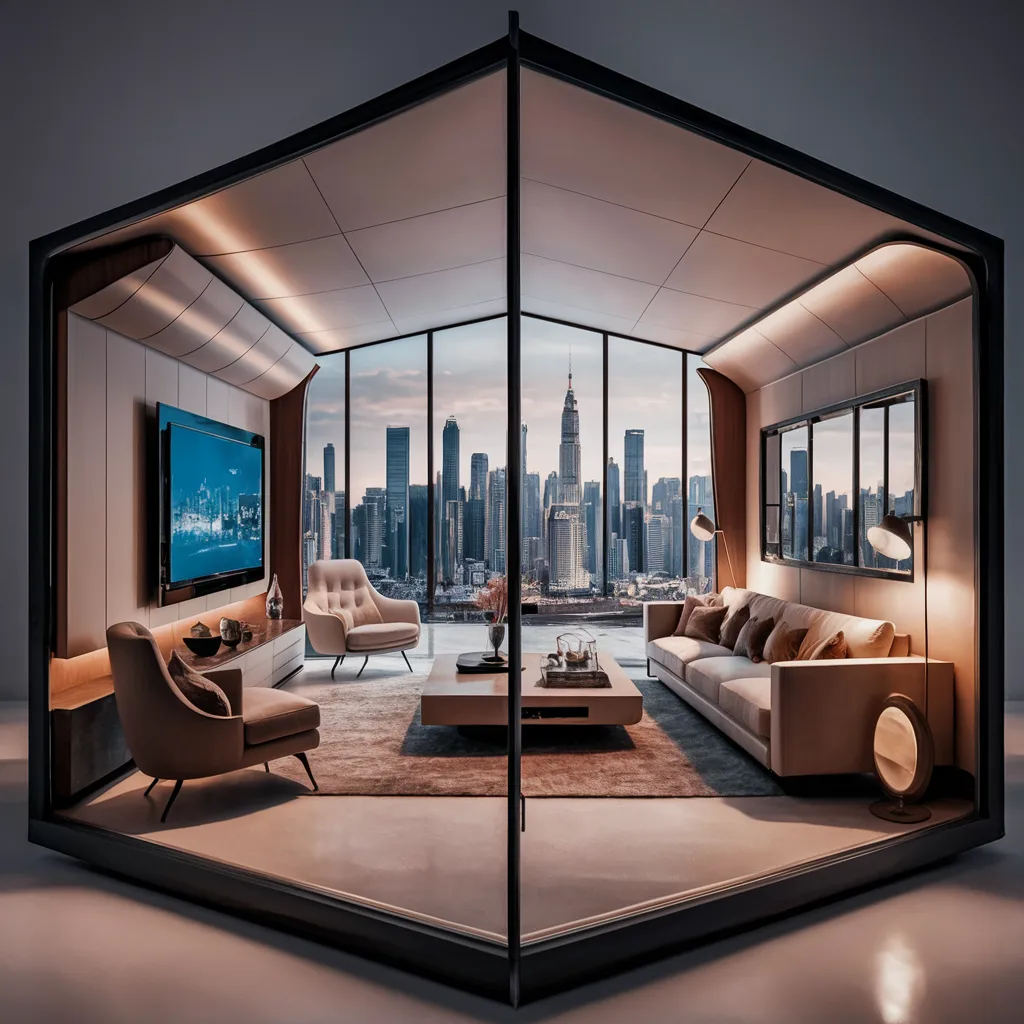
fbcode

Contemporary Kitchen Design

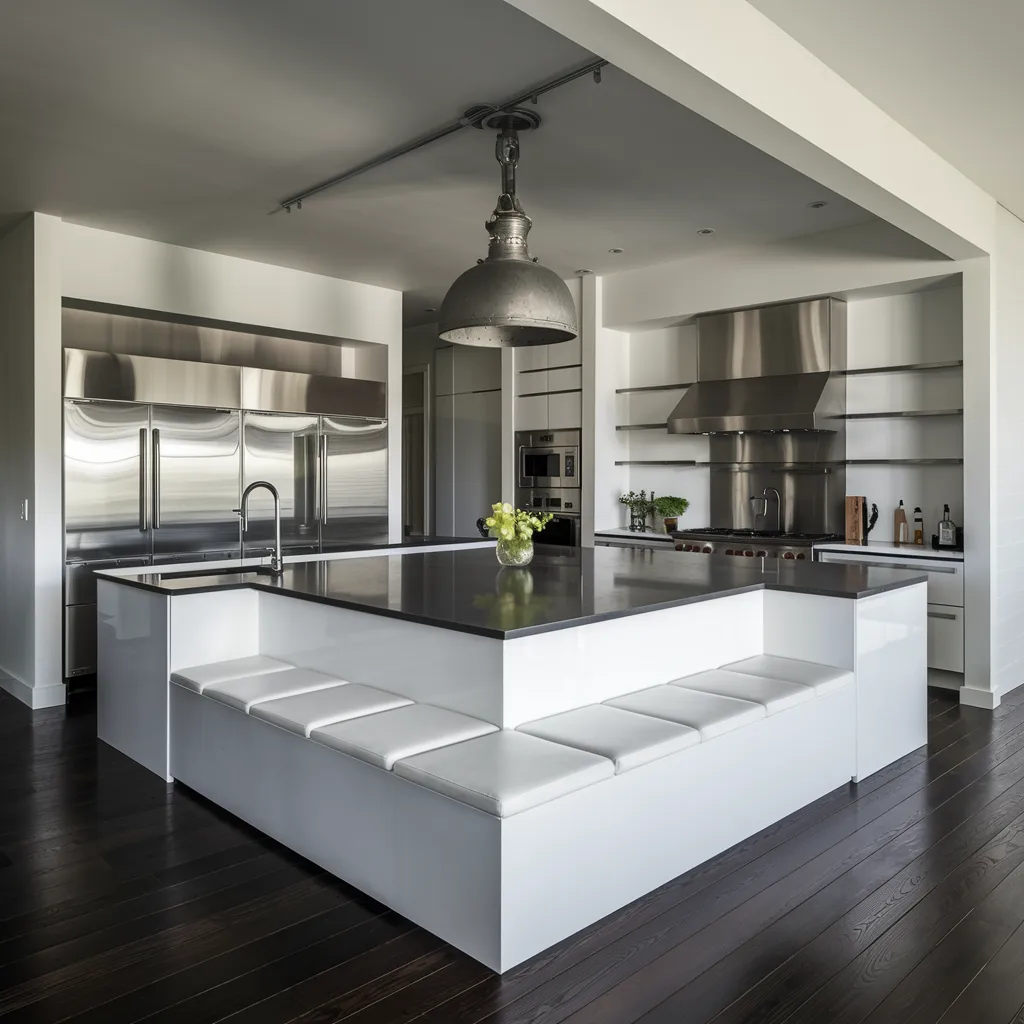
Contemporary kitchen design embodies modern elegance and functionality, characterized by clean lines, minimalist aesthetics, and innovative features. In this guide, we explore the essential elements and practical tips for creating a stunning contemporary kitchen that seamlessly combines style and usability.
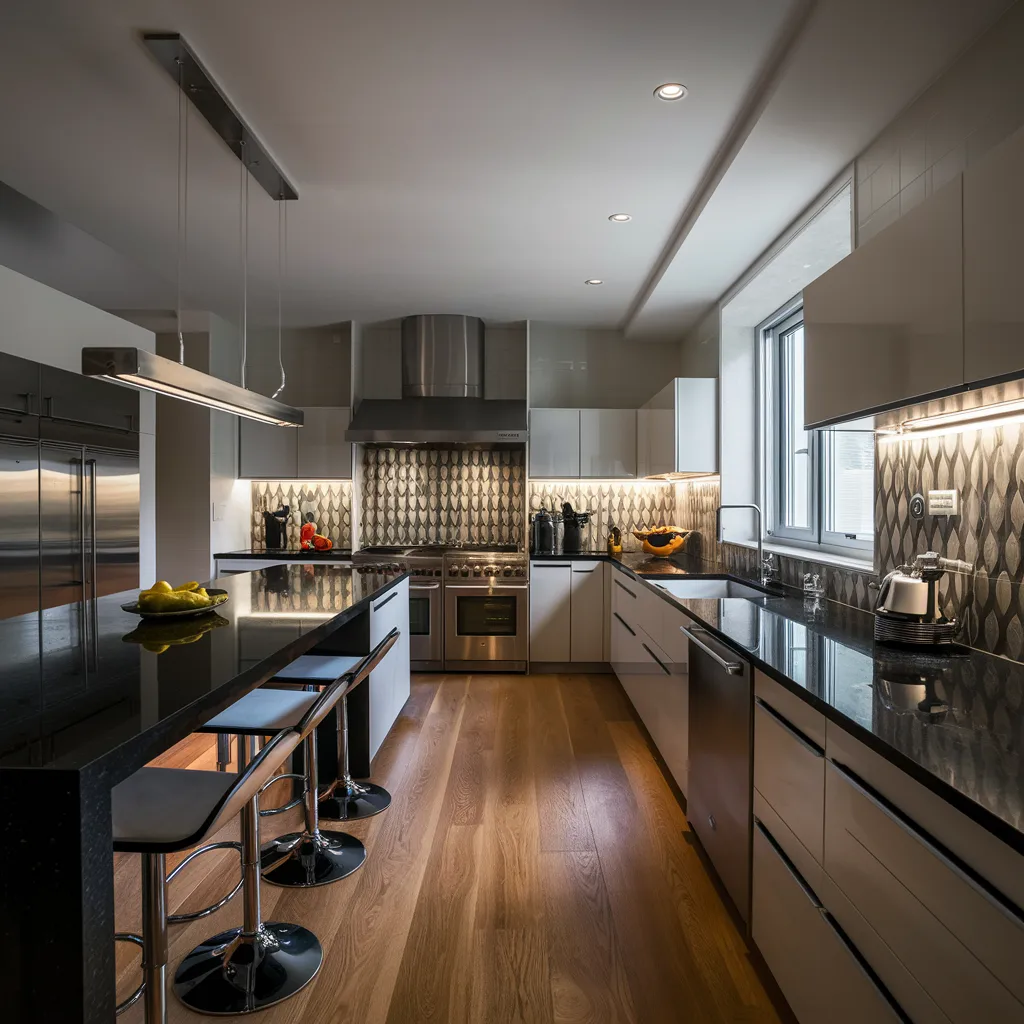
Key Elements of Contemporary Kitchen Design

  1. Clean Lines and Minimalism

Contemporary kitchens prioritize simplicity and sophistication, often featuring sleek, uncluttered lines. Flat-panel cabinetry with minimal hardware, streamlined appliances, and smooth surfaces contribute to the minimalist aesthetic. Embrace the beauty of simplicity by opting for clean, uninterrupted lines throughout the kitchen space.

Incorporating built-in appliances such as ovens and refrigerators helps maintain the clean lines of the kitchen, while integrated storage solutions like pull-out pantry shelves and hidden cabinets optimize space without sacrificing style.

  1. Neutral Color Palette

Neutral tones dominate contemporary kitchen palettes, providing a timeless backdrop that complements the sleek design. Shades of white, gray, and beige create a sense of serenity and space, allowing other design elements to stand out. Introduce subtle accents of color through accessories or focal points to add depth and interest to the overall design.

For a contemporary twist, consider incorporating bold accent colors sparingly, such as vibrant red or navy blue, to create a striking contrast against the neutral backdrop.

  1. Modern Materials

Contemporary kitchens showcase a mix of modern materials that emphasize durability, functionality, and visual appeal. Stainless steel appliances exude a professional look while offering superior performance. High-gloss finishes, glass surfaces, and engineered stone countertops contribute to the sleek and polished aesthetic of the space. Experiment with materials like concrete, wood, and quartz to add texture and contrast to your kitchen design.

To add warmth and character to the space, consider incorporating natural materials such as wood or stone into the design. Wood accents, such as butcher block countertops or open shelving, bring a touch of warmth and texture to the contemporary kitchen, creating a harmonious balance between modernity and natural elements.

  1. Innovative Storage Solutions

Efficient storage solutions are essential for maintaining the clean and organized look of a contemporary kitchen. Maximize space utilization with built-in storage features such as pull-out pantry shelves, deep drawers, and custom cabinetry. Incorporate clever storage solutions to keep countertops clutter-free and essential items within easy reach. Concealed storage options help maintain a seamless and uncluttered appearance in the kitchen.

To optimize storage capacity, consider incorporating vertical storage solutions such as tall cabinets or overhead shelving. Utilize every inch of available space by installing storage racks, hooks, or magnetic strips on unused walls or cabinet doors. Customizable storage solutions allow you to adapt the kitchen layout to suit your specific needs and lifestyle.

  1. Functional Layout

The layout of a contemporary kitchen is designed for optimal functionality and workflow. Create distinct zones for food preparation, cooking, and cleanup to enhance efficiency. A well-planned kitchen triangle, comprising the sink, stove, and refrigerator, ensures seamless movement between key work areas. Integrate an island or peninsula into the layout to provide additional workspace, storage, and seating options while promoting social interaction and versatility.

To maximize space efficiency, consider incorporating multifunctional elements such as a breakfast bar that doubles as a prep area or a kitchen island with built-in storage and seating. Customizable modular units allow you to configure the kitchen layout to suit your specific preferences and lifestyle requirements.
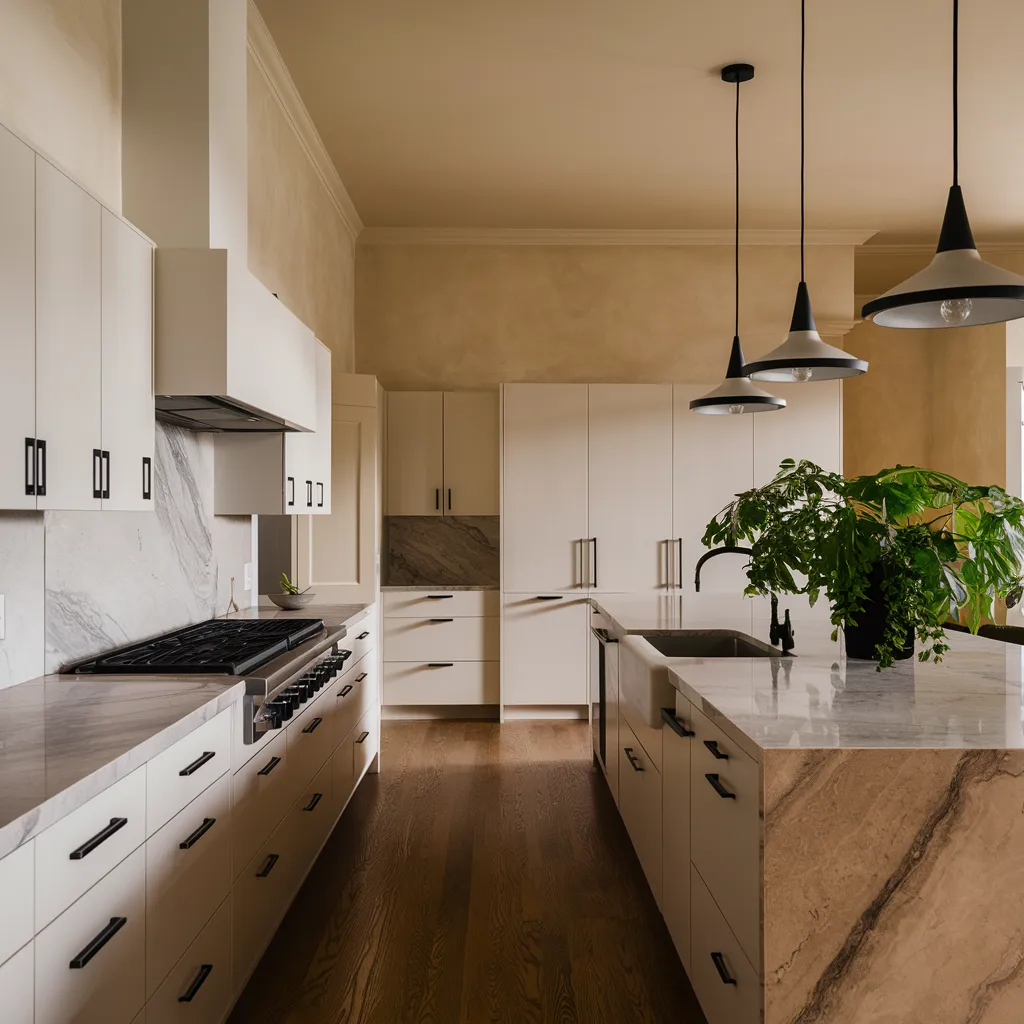
Practical Tips for Contemporary Kitchen Design

  • Focus on Functionality: Prioritize functionality in your design choices, ensuring that each element serves a purpose and enhances usability. Invest in high-quality appliances, fixtures, and finishes that offer superior performance and durability.
  • Embrace Minimalism: Simplify the design by eliminating unnecessary clutter and decorative elements. Opt for clean lines, unadorned surfaces, and understated hardware to achieve a minimalist aesthetic. Choose quality over quantity when selecting furnishings and accessories to maintain a refined and cohesive look.
  • Integrate Technology: Incorporate modern technology seamlessly into your kitchen design to enhance convenience and efficiency. Explore smart appliances, touchless faucets, and integrated lighting systems that offer advanced features and intuitive controls. Create a connected kitchen environment that caters to your lifestyle and enhances the overall user experience.
  • Play with Texture and Contrast: Add visual interest to your kitchen design by incorporating a variety of textures and contrasts. Mix materials such as wood, metal, and glass to create depth and dimension. Experiment with matte and glossy finishes, textured surfaces, and bold accents to create a dynamic and visually engaging space.
  • Optimize Lighting: Lighting plays a crucial role in contemporary kitchen design, enhancing functionality, ambiance, and visual appeal. Combine natural light with artificial lighting sources to create a well-lit and inviting environment. Incorporate task lighting, ambient lighting, and accent lighting to highlight key features and create focal points within the space.
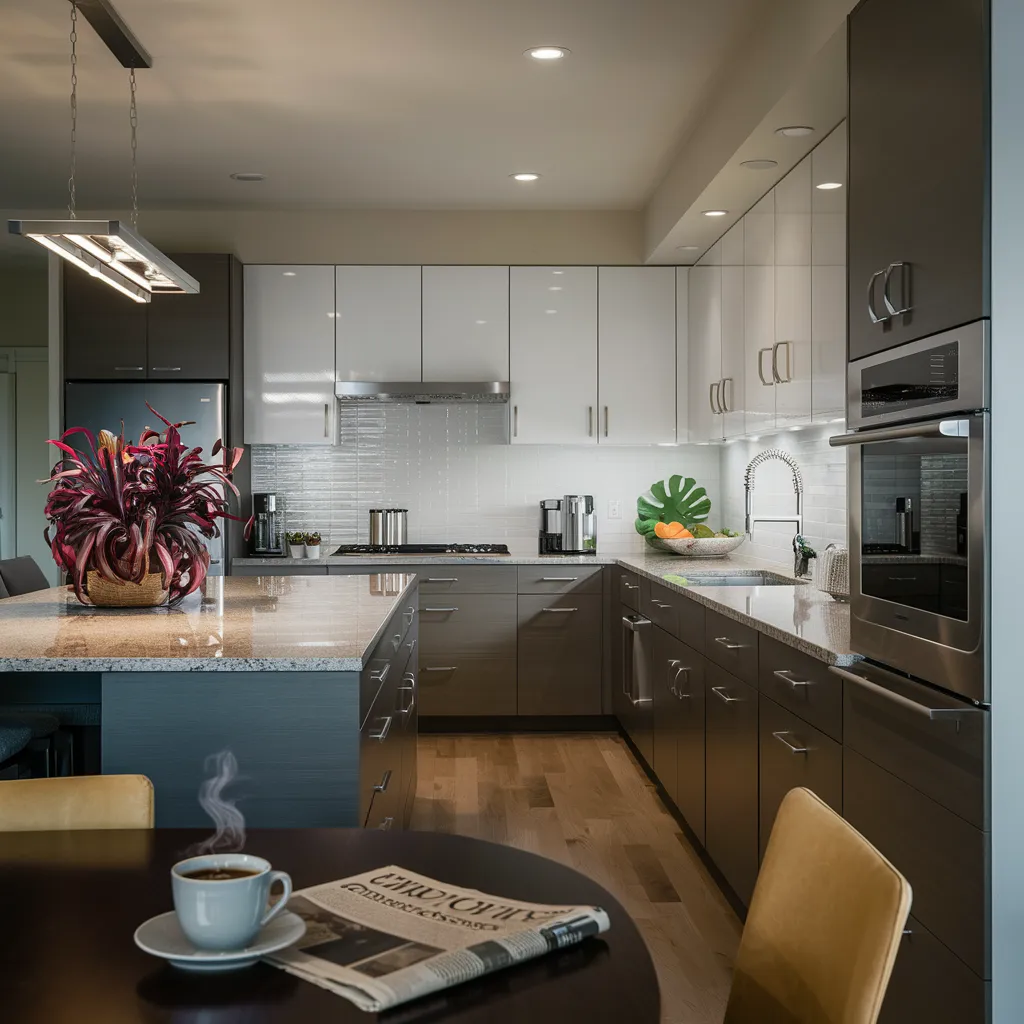
Data Table: Average Costs for Contemporary Kitchen Upgrades

Upgrade Area Average Cost (USD)
Cabinetry $5,000 – $15,000
Appliances $2,000 – $10,000
Countertops $2,000 – $7,000
Lighting Fixtures $500 – $3,000
Flooring $2,000 – $7,000
Paint and Wall Treatments $500 – $2,000
Decor and Accessories $500 – $3,000

Conclusion

Contemporary kitchen design offers a perfect balance of form and function, combining modern aesthetics with practicality to create inviting and efficient spaces. By focusing on clean lines, minimalist aesthetics, and innovative features, you can design a kitchen that reflects your personal style and enhances your daily living experience. Whether you’re renovating an existing kitchen or starting from scratch, these key elements, practical tips, and cost considerations will guide you towards creating a contemporary kitchen that meets your needs and exceeds your expectations.

==================================================

Contemporary Bedroom Design

Contemporary bedroom design is a fusion of sleek aesthetics, functional elements, and minimalist principles, creating a space that is both visually appealing and conducive to relaxation. In this guide, we’ll explore the essential elements and practical tips for crafting a contemporary bedroom that exudes modern elegance and tranquility.

Key Elements of Contemporary Bedroom Design

  1. Clean Lines and Minimalism

At the heart of contemporary bedroom design lies simplicity and sophistication. Clean lines and minimalist aesthetics define the space, with furniture featuring sleek silhouettes and uncluttered surfaces. Embrace simplicity by opting for streamlined bed frames, dressers, and nightstands that contribute to a sense of serenity and spaciousness.

  1. Neutral Color Palette

A neutral color palette serves as the foundation of contemporary bedroom design, creating a tranquil atmosphere conducive to relaxation. Shades of white, beige, gray, and taupe dominate the space, allowing for versatility in styling and accenting. Introduce subtle pops of color through accessories or artwork to add visual interest without overwhelming the serene ambiance.

  1. Functional and Stylish Furniture

Functional furniture is key in contemporary bedroom design, where form meets function seamlessly. Choose pieces that prioritize both comfort and style, such as platform beds with built-in storage or nightstands with integrated charging stations. Invest in quality furnishings that enhance the overall aesthetic while providing practicality and durability.

  1. Textural Accents

Texture plays a vital role in contemporary bedroom design, adding depth and visual interest to the space. Incorporate a variety of textures through bedding, area rugs, and accent pillows to create a cozy and inviting ambiance. Mix materials like wood, metal, and fabric to introduce warmth and dimension, enhancing the tactile experience of the room.

  1. Statement Lighting

Statement lighting fixtures serve as focal points in contemporary bedroom design, infusing the space with drama and sophistication. Choose modern fixtures with clean lines and geometric shapes to complement the minimalist aesthetic. Layer lighting sources to create ambiance, combining overhead fixtures with task lighting and accent lights to achieve a balanced and inviting atmosphere.
Practical Tips for Contemporary Bedroom Design

  • Maximize Space: Optimize space in your bedroom by selecting furniture with built-in storage solutions and utilizing vertical space effectively. Keep the floor clutter-free to maintain a sense of openness and tranquility.
  • Prioritize Comfort: Invest in a high-quality mattress and bedding to ensure a restful night’s sleep. Choose soft, luxurious linens and pillows that enhance comfort and relaxation.
  • Create a Serene Ambiance: Enhance the ambiance of your bedroom with calming decor elements and soothing color schemes. Incorporate elements of nature, such as indoor plants or natural materials, to promote a sense of tranquility.
  • Personalize with Accessories: Add personality to your contemporary bedroom with carefully curated accessories and artwork. Choose pieces that reflect your unique style and interests, adding personality and warmth to the space.
  • Maintain Simplicity: Embrace minimalism by decluttering regularly and keeping decorative elements to a minimum. Opt for quality over quantity when selecting furnishings and accessories, prioritizing pieces that enhance the overall aesthetic without overwhelming the space.


Data Table: Average Costs for Contemporary Bedroom Upgrades

Upgrade Area Average Cost (USD)
Bed and Mattress $800 – $3,000
Bedding and Linens $200 – $800
Lighting Fixtures $100 – $500
Furniture $500 – $3,000
Flooring $1,000 – $5,000
Window Treatments $200 – $1,000
Decor and Accessories $100 – $500

Conclusion

Contemporary bedroom design offers a harmonious blend of modern aesthetics and functional elegance, creating a tranquil retreat that promotes relaxation and rejuvenation. By incorporating clean lines, neutral colors, functional furniture, textural accents, and statement lighting, you can design a contemporary bedroom that reflects your personal style and enhances your well-being. Whether you’re starting from scratch or refreshing your existing space, these key elements, practical tips, and cost considerations will guide you towards creating a modern haven where style meets serenity.

Elevate your quality of life with our expert interior design services

  • Specialization in Singaporean regulations and trends
  • Technology-driven design and execution
  • Focus on client experience and post-project support

TRUSTED BY 300+ BRANDS IN SINGAPORE

Impressed by their promptness and reliability throughout the entire renovation process! Alistair was our ID at Elpis and his promptness and reliability never fail to amaze us throughout the whole period of our renovation
Tan Susie

Contemporary Interior Design

Contemporary interior design is all about creating spaces that are stylish, functional, and reflective of the present time. This design style emphasizes clean lines, simplicity, and a blend of comfort with modern aesthetics. Contemporary interiors are known for their minimalistic approach, neutral color palettes, and a harmonious mix of textures and materials. This guide provides an in-depth look at contemporary interior design, covering key elements, design principles, and practical tips for transforming your home into a contemporary haven.

Key Takeaways

  • Contemporary interior design focuses on clean lines, simplicity, and functionality.
  • The style incorporates neutral color palettes, mixed textures, and modern materials.
  • Thoughtful use of lighting, furniture, and decor enhances the contemporary aesthetic.


Key Elements of Contemporary Interior Design

Clean Lines and Minimalism

Contemporary design is characterized by its clean lines and minimalistic approach. This means opting for furniture and decor with simple, streamlined shapes and avoiding excessive ornamentation.

  • Furniture: Choose furniture with straight lines and smooth surfaces. Avoid overly ornate pieces. Look for sofas, chairs, and tables with sleek profiles. Low-profile sofas, streamlined coffee tables, and sleek entertainment centers exemplify this style.
  • Surfaces: Use smooth, untextured surfaces for floors, walls, and countertops to maintain a clean look. Polished concrete, glass, and smooth wood are ideal materials for contemporary surfaces.


Neutral Color Palette

A neutral color palette is a hallmark of contemporary design. Shades of white, black, gray, and beige create a calm and cohesive look, serving as a versatile backdrop for other design elements.

  • Walls: Paint walls in neutral tones to create a clean and fresh canvas. Light grays, soft whites, and muted beiges are popular choices.
  • Furniture: Choose furniture in neutral colors to maintain a harmonious look. You can add interest with accent pieces in muted shades or bold colors used sparingly. For example, a beige sofa paired with a few colorful throw pillows can create visual interest without overwhelming the space.

Texture and Material Mix

Mixing different textures and materials can add depth and interest to a contemporary interior. This helps to create a visually engaging space without cluttering it.

  • Materials: Incorporate a variety of materials such as glass, metal, and natural wood. These materials contribute to the sleek and modern aesthetic. Glass coffee tables, metal light fixtures, and wooden accent pieces work well in contemporary settings.
  • Textures: Use different textures, such as smooth leather, soft fabrics, and rough wood, to add dimension to the space. A plush rug or textured throw pillows can enhance the room’s comfort and appeal. Textiles like velvet, wool, and linen can also add richness and warmth to the design.


Functional and Comfortable Furniture

In contemporary design, furniture should be both functional and comfortable. This means selecting pieces that not only look good but also serve a purpose and provide comfort.

  • Seating: Opt for sofas and chairs that are comfortable and supportive. Sectional sofas can provide ample seating and flexibility. Look for pieces with ergonomic designs and high-quality upholstery.
  • Tables: Choose coffee tables and side tables that offer storage or multifunctional use. Look for pieces with clean lines and minimalistic designs. Storage ottomans, nesting tables, and console tables with drawers are practical and stylish options.


Lighting

Lighting plays a crucial role in contemporary interior design. It can enhance the overall ambiance and highlight specific areas or features of the room.

  • Ambient Lighting: Use ceiling fixtures, recessed lighting, or large windows to provide general illumination. Ensure the room is well-lit without being overly bright. Pendant lights, track lighting, and large chandeliers can serve as focal points while providing ample light.
  • Task Lighting: Include task lighting, such as floor lamps or table lamps, to illuminate specific areas for reading or other activities. Adjustable floor lamps and desk lamps with directional heads are ideal for focused lighting.
  • Accent Lighting: Use accent lighting, such as wall sconces or track lighting, to highlight artwork or architectural features. LED strips under shelves or cabinets can also add a subtle glow and emphasize design elements.

Decor and Accessories

While contemporary design favors minimalism, thoughtful use of decor and accessories can add personality and warmth to your space.

  • Artwork: Select modern or abstract artwork to complement the contemporary style. Large pieces can make a statement without overwhelming the space. Consider black-and-white photography, geometric prints, or bold abstract paintings.
  • Plants: Incorporate indoor plants to add a touch of nature and soften the look of the room. Plants can also improve air quality and add color. Tall plants like fiddle leaf figs or sleek planters with succulents are excellent choices.
  • Decorative Items: Use decorative items sparingly. Choose a few well-chosen pieces, such as vases, sculptures, or books, to add interest without cluttering the space. Decorative bowls, minimalist candle holders, and sleek bookends can enhance the decor subtly.


Tips for Creating a Cohesive Contemporary Interior

Plan the Layout

A well-planned layout is essential for creating a functional and aesthetically pleasing interior. Consider the flow of the space and how different elements will interact.

  • Seating Arrangement: Arrange seating to facilitate conversation and create a focal point, such as a coffee table or a TV. Ensure that there is enough space for people to move around comfortably. A U-shaped or L-shaped seating arrangement works well for conversation and viewing.
  • Zoning: Create distinct zones for different activities, such as lounging, reading, or entertaining. Use rugs, furniture placement, or lighting to define these areas. A reading nook with a cozy chair and floor lamp or an entertainment area with a media console and seating can delineate spaces effectively.


Balance Proportions

Maintaining balance and proportion is crucial in contemporary design. This means ensuring that the size and scale of furniture and decor are appropriate for the space.

  • Furniture Size: Choose furniture that fits the scale of the room. Oversized pieces can overwhelm a small space, while too-small furniture can look out of place in a large room. Measure your space and select furniture that complements the room’s dimensions.
  • Symmetry: Use symmetry to create a balanced look. Pair matching sofas or chairs, or place identical lamps on either side of a sofa or console table. Symmetrical arrangements create a sense of order and harmony.

Incorporate Technology

Modern interiors often incorporate technology, but it’s important to do so in a way that doesn’t disrupt the clean and streamlined look of the space.

  • Hidden Storage: Use furniture with built-in storage to hide cables, remotes, and other electronic accessories. This keeps the space tidy and free of clutter. Media consoles with cable management systems and storage compartments can help keep electronics organized.
  • Smart Home Integration: Consider integrating smart home devices, such as smart lighting or speakers, to enhance functionality without adding visible clutter. Smart thermostats, voice-controlled assistants, and wireless charging stations can blend seamlessly into the design.


Use of Mirrors

Mirrors can enhance the sense of space and light in a contemporary interior. They reflect light and create the illusion of a larger room.

  • Placement: Position mirrors opposite windows or light sources to maximize their effect. Large mirrors can act as statement pieces and add a modern touch. A mirror wall or a floor-to-ceiling mirror can create a dramatic impact.
  • Design: Choose mirrors with simple frames that complement the contemporary aesthetic. Frameless or metal-framed mirrors work well in this style. Geometric shapes and unconventional placements can add a unique touch.


Conclusion

Designing a contemporary interior involves balancing aesthetics and functionality to create a space that is both stylish and comfortable. By focusing on clean lines, a neutral color palette, mixed textures, and thoughtful lighting, you can achieve a cohesive and inviting look. Whether you are starting from scratch or updating your current home, these principles and tips will help you create a contemporary interior that reflects your personal style and meets your practical needs.

Popular Trends in Contemporary Interior Design

  • Sustainable Materials: There is a growing trend towards using sustainable and eco-friendly materials, such as reclaimed wood and recycled metal. These materials add character and reduce environmental impact.
  • Minimalist Decor: The minimalist approach continues to be popular, with an emphasis on decluttering and simplifying spaces. This trend focuses on quality over quantity, choosing fewer but more impactful pieces.
  • Smart Home Technology: Integrating smart home technology, such as automated lighting and climate control, enhances the functionality and modern appeal of contemporary interiors. Smart systems allow for greater control and customization of the living environment.
  • Biophilic Design: Incorporating natural elements, such as plants and natural light, creates a connection with nature and promotes well-being. This trend emphasizes the use of organic shapes, natural materials, and greenery to enhance indoor spaces.


Average Costs for Contemporary Interior Design Upgrades

Upgrade Area Average Cost (USD)
Furniture $3,000 – $10,000
Lighting $500 – $3,000
Flooring $2,000 – $7,000
Paint and Wall Treatments $500 – $2,000
Decor and Accessories $1,000 – $5,000

Common Challenges and Solutions in Contemporary Interior Design

  • Maintaining Warmth: Contemporary design can sometimes feel cold or sterile. Solution: Incorporate warm textures and natural materials, such as wood and textiles, to add warmth and coziness. Soft lighting and warm colors can also help create a more inviting atmosphere.
  • Balancing Minimalism and Comfort: Striking the right balance between a minimalist aesthetic and comfort can be challenging. Solution: Choose comfortable furniture with clean lines and use cozy accessories, such as throw blankets and pillows, to add comfort without cluttering the space.
  • Integrating Technology: Ensuring that technology seamlessly integrates into the design can be difficult. Solution: Use built-in solutions, such as recessed outlets and integrated speakers, to keep technology unobtrusive and maintain a clean look.


By understanding these trends, costs, and solutions, you can better navigate the process of designing a contemporary interior that is both functional and aesthetically pleasing.


Elevate your quality of life with our expert interior design services

  • Specialization in Singaporean regulations and trends
  • Technology-driven design and execution
  • Focus on client experience and post-project support

TRUSTED BY 300+ BRANDS IN SINGAPORE

Impressed by their promptness and reliability throughout the entire renovation process! Alistair was our ID at Elpis and his promptness and reliability never fail to amaze us throughout the whole period of our renovation
Tan Susie

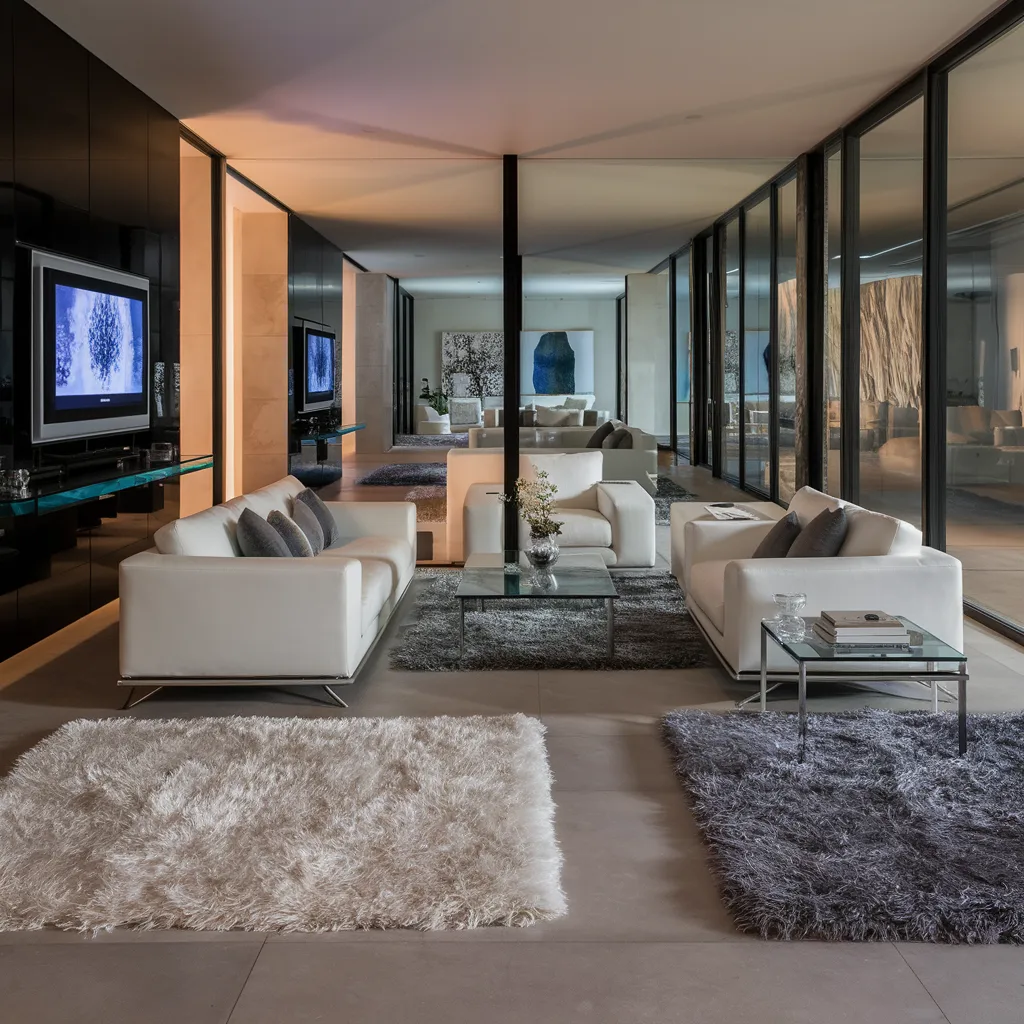
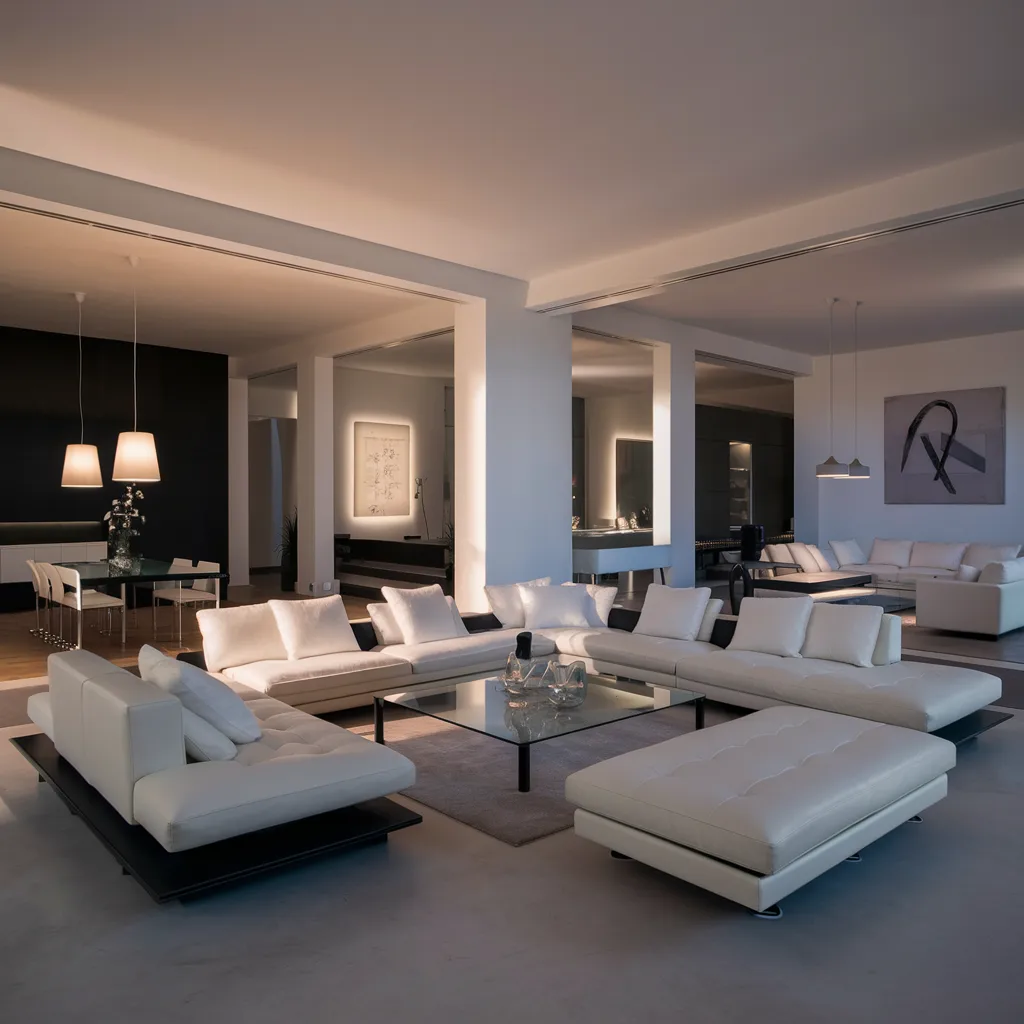
Contemporary Living Room Design

Contemporary living room design is all about creating a space that is both functional and stylish. This design style emphasizes clean lines, minimalism, and a blend of comfort with modern aesthetics. A well-designed contemporary living room can serve as a versatile space for relaxation, entertainment, and social gatherings. This guide provides an in-depth look at contemporary living room design, covering key elements, tips for creating a cohesive look, and practical advice for making your living room both beautiful and functional.

Key Takeaways

  • Contemporary living room design focuses on clean lines, neutral colors, and a blend of textures.
  • The style emphasizes simplicity, functionality, and comfort.
  • Thoughtful use of lighting, furniture, and decor can enhance the contemporary aesthetic.


Key Elements of Contemporary Living Room Design

Clean Lines and Minimalism

Contemporary design is characterized by its clean lines and minimalistic approach. This means opting for furniture and decor with simple, streamlined shapes and avoiding excessive ornamentation.

  • Furniture: Choose furniture with straight lines and smooth surfaces. Avoid overly ornate pieces. Look for sofas, chairs, and tables with sleek profiles. Furniture pieces like low-profile sofas, streamlined coffee tables, and sleek entertainment centers exemplify this style.
  • Surfaces: Use smooth, untextured surfaces for floors, walls, and countertops to maintain a clean look. Polished concrete, glass, and smooth wood are ideal materials for contemporary surfaces.

Neutral Color Palette

A neutral color palette is a hallmark of contemporary design. Shades of white, black, gray, and beige create a calm and cohesive look, serving as a versatile backdrop for other design elements.

  • Walls: Paint walls in neutral tones to create a clean and fresh canvas. Light grays, soft whites, and muted beiges are popular choices.
  • Furniture: Choose furniture in neutral colors to maintain a harmonious look. You can add interest with accent pieces in muted shades or bold colors used sparingly. For example, a beige sofa paired with a few colorful throw pillows can create visual interest without overwhelming the space.


Texture and Material Mix

Mixing different textures and materials can add depth and interest to a contemporary living room. This helps to create a visually engaging space without cluttering it.

  • Materials: Incorporate a variety of materials such as glass, metal, and natural wood. These materials contribute to the sleek and modern aesthetic. Glass coffee tables, metal light fixtures, and wooden accent pieces work well in contemporary settings.
  • Textures: Use different textures, such as smooth leather, soft fabrics, and rough wood, to add dimension to the space. A plush rug or textured throw pillows can enhance the room’s comfort and appeal. Textiles like velvet, wool, and linen can also add richness and warmth to the design.


Functional and Comfortable Furniture

In contemporary design, furniture should be both functional and comfortable. This means selecting pieces that not only look good but also serve a purpose and provide comfort.

  • Seating: Opt for sofas and chairs that are comfortable and supportive. Sectional sofas can provide ample seating and flexibility. Look for pieces with ergonomic designs and high-quality upholstery.
  • Tables: Choose coffee tables and side tables that offer storage or multifunctional use. Look for pieces with clean lines and minimalistic designs. Storage ottomans, nesting tables, and console tables with drawers are practical and stylish options.


Lighting

Lighting plays a crucial role in contemporary living room design. It can enhance the overall ambiance and highlight specific areas or features of the room.

  • Ambient Lighting: Use ceiling fixtures, recessed lighting, or large windows to provide general illumination. Ensure the room is well-lit without being overly bright. Pendant lights, track lighting, and large chandeliers can serve as focal points while providing ample light.
  • Task Lighting: Include task lighting, such as floor lamps or table lamps, to illuminate specific areas for reading or other activities. Adjustable floor lamps and desk lamps with directional heads are ideal for focused lighting.
  • Accent Lighting: Use accent lighting, such as wall sconces or track lighting, to highlight artwork or architectural features. LED strips under shelves or cabinets can also add a subtle glow and emphasize design elements.

Decor and Accessories

While contemporary design favors minimalism, thoughtful use of decor and accessories can add personality and warmth to your living room.

  • Artwork: Select modern or abstract artwork to complement the contemporary style. Large pieces can make a statement without overwhelming the space. Consider black-and-white photography, geometric prints, or bold abstract paintings.
  • Plants: Incorporate indoor plants to add a touch of nature and soften the look of the room. Plants can also improve air quality and add color. Tall plants like fiddle leaf figs or sleek planters with succulents are excellent choices.
  • Decorative Items: Use decorative items sparingly. Choose a few well-chosen pieces, such as vases, sculptures, or books, to add interest without cluttering the space. Decorative bowls, minimalist candle holders, and sleek bookends can enhance the decor subtly.

Tips for Creating a Cohesive Contemporary Living Room

Plan the Layout

A well-planned layout is essential for creating a functional and aesthetically pleasing living room. Consider the flow of the space and how different elements will interact.

  • Seating Arrangement: Arrange seating to facilitate conversation and create a focal point, such as a coffee table or a TV. Ensure that there is enough space for people to move around comfortably. A U-shaped or L-shaped seating arrangement works well for conversation and viewing.
  • Zoning: Create distinct zones for different activities, such as lounging, reading, or entertaining. Use rugs, furniture placement, or lighting to define these areas. A reading nook with a cozy chair and floor lamp or an entertainment area with a media console and seating can delineate spaces effectively.

Balance Proportions

Maintaining balance and proportion is crucial in contemporary design. This means ensuring that the size and scale of furniture and decor are appropriate for the space.

  • Furniture Size: Choose furniture that fits the scale of the room. Oversized pieces can overwhelm a small space, while too-small furniture can look out of place in a large room. Measure your space and select furniture that complements the room’s dimensions.
  • Symmetry: Use symmetry to create a balanced look. Pair matching sofas or chairs, or place identical lamps on either side of a sofa or console table. Symmetrical arrangements create a sense of order and harmony.


Incorporate Technology

Modern living rooms often incorporate technology, but it’s important to do so in a way that doesn’t disrupt the clean and streamlined look of the space.

  • Hidden Storage: Use furniture with built-in storage to hide cables, remotes, and other electronic accessories. This keeps the space tidy and free of clutter. Media consoles with cable management systems and storage compartments can help keep electronics organized.
  • Smart Home Integration: Consider integrating smart home devices, such as smart lighting or speakers, to enhance functionality without adding visible clutter. Smart thermostats, voice-controlled assistants, and wireless charging stations can blend seamlessly into the design.

Use of Mirrors

Mirrors can enhance the sense of space and light in a contemporary living room. They reflect light and create the illusion of a larger room.

  • Placement: Position mirrors opposite windows or light sources to maximize their effect. Large mirrors can act as statement pieces and add a modern touch. A mirror wall or a floor-to-ceiling mirror can create a dramatic impact.
  • Design: Choose mirrors with simple frames that complement the contemporary aesthetic. Frameless or metal-framed mirrors work well in this style. Geometric shapes and unconventional placements can add a unique touch.


Conclusion

Designing a contemporary living room involves balancing aesthetics and functionality to create a space that is both stylish and comfortable. By focusing on clean lines, a neutral color palette, mixed textures, and thoughtful lighting, you can achieve a cohesive and inviting look. Whether you are starting from scratch or updating your current living room, these principles and tips will help you create a contemporary living room that reflects your personal style and meets your practical needs.

Popular Trends in Contemporary Living Room Design

  • Sustainable Materials: There is a growing trend towards using sustainable and eco-friendly materials, such as reclaimed wood and recycled metal. These materials add character and reduce environmental impact.
  • Minimalist Decor: The minimalist approach continues to be popular, with an emphasis on decluttering and simplifying spaces. This trend focuses on quality over quantity, choosing fewer but more impactful pieces.
  • Smart Home Technology: Integrating smart home technology, such as automated lighting and climate control, enhances the functionality and modern appeal of contemporary living rooms. Smart systems allow for greater control and customization of the living environment.
  • Biophilic Design: Incorporating natural elements, such as plants and natural light, creates a connection with nature and promotes well-being. This trend emphasizes the use of organic shapes, natural materials, and greenery to enhance indoor spaces.


Average Costs for Contemporary Living Room Upgrades

Upgrade Area Average Cost (USD)
Furniture $3,000 – $10,000
Lighting $500 – $3,000
Flooring $2,000 – $7,000
Paint and Wall Treatments $500 – $2,000
Decor and Accessories $1,000 – $5,000

Common Challenges and Solutions in Contemporary Living Room Design

  • Maintaining Warmth: Contemporary design can sometimes feel cold or sterile. Solution: Incorporate warm textures and natural materials, such as wood and textiles, to add warmth and coziness. Soft lighting and warm colors can also help create a more inviting atmosphere.
  • Balancing Minimalism and Comfort: Striking the right balance between a minimalist aesthetic and comfort can be challenging. Solution: Choose comfortable furniture with clean lines and use cozy accessories, such as throw blankets and pillows, to add comfort without cluttering the space.
  • Integrating Technology: Ensuring that technology seamlessly integrates into the design can be difficult. Solution: Use built-in solutions, such as recessed outlets and integrated speakers, to keep technology unobtrusive and maintain a clean look.

By understanding these trends, costs, and solutions, you can better navigate the process of designing a contemporary living room that is both functional and aesthetically pleasing.

Minimalist Living Room: Design Inspiration and Practical Tips

Minimalism has taken the world by storm, captivating hearts with its emphasis on clean lines, uncluttered spaces, and a focus on functionality. A minimalist living room embodies these principles, offering a haven of calm, organization, and undeniable aesthetic appeal. Whether you’re a seasoned minimalist or simply curious about exploring this design trend, this guide provides inspiration and practical tips for creating your dream minimalist living room.

Key takeaways for a Minimalist Living Room:

Key Takeaway Description
Embrace Clean Lines and Uncluttered Spaces Prioritize furniture with clean lines and avoid visual clutter. Decluttering is key!
Focus on Functionality Choose furniture that serves multiple purposes to maximize space and minimize clutter.
Incorporate Natural Elements Utilize natural materials like wood and light to create a warm and inviting atmosphere.
Create Visual Interest with Art and Texture Balance clean lines with carefully chosen artwork and textural elements like rugs and throws.
Personalize Your Minimalist Space Infuse your personality with a few statement pieces or pops of color.


Understanding Minimalist Living Room Design

Minimalist design revolves around core principles of simplicity, functionality, and negative space. Imagine a canvas with clean lines, where furniture and decorative elements are carefully placed to create a sense of balance and tranquility. A minimalist living room offers several benefits:

  • Reduced Stress: Clutter can be visually overwhelming and contribute to anxiety. A minimalist space, by contrast, promotes a sense of calm and serenity.
  • Improved Organization: With fewer belongings, keeping your living room organized becomes effortless. You’ll know exactly where everything is located, saving you time and frustration.
  • Enhanced Cleaning Efficiency: A minimalist living room is easier to clean, as there are fewer surfaces and objects to navigate around. This allows you to spend more time on the things you enjoy.
  • Greater Appreciation for What You Have: Decluttering can help you appreciate the things you truly value. This can lead to a more mindful and grateful way of living.

Designing Your Minimalist Living Room

Now that you understand the core principles and benefits, let’s delve into the practicalities of designing your minimalist living room:

Furniture Selection:

  • Clean Lines: Choose furniture with clean lines and simple silhouettes. Avoid overly ornate pieces that can visually clutter the space.
  • Multi-Functional Pieces: Embrace multi-functional furniture to maximize space and minimize clutter. Opt for ottomans with storage compartments, coffee tables with lift-top surfaces, or console tables with drawers and cabinets.
  • Consider Scale: Select furniture pieces that are appropriately sized for your living room. Overly large furniture can overwhelm a minimalist space, while pieces that are too small can appear insignificant.

Elevate your quality of life with our expert interior design services

  • Specialization in Singaporean regulations and trends
  • Technology-driven design and execution
  • Focus on client experience and post-project support

TRUSTED BY 300+ BRANDS IN SINGAPORE

Impressed by their promptness and reliability throughout the entire renovation process! Alistair was our ID at Elpis and his promptness and reliability never fail to amaze us throughout the whole period of our renovation
Tan Susie

Color Palette:

  • Neutral Foundation: Opt for a neutral color palette as a base for your minimalist living room. White, gray, and black are popular choices, as they create a clean and airy aesthetic.
  • Pops of Color (Optional): While a neutral palette is recommended, you can incorporate pops of color with accent pillows, artwork, or a throw blanket. Keep color accents minimal to maintain the overall minimalist feel.

Lighting:

  • Natural Light: Maximize natural light whenever possible. Utilize large windows and sheer curtains to allow sunlight to permeate the space.
  • Task Lighting: Strategically placed lamps can create a warm ambiance and provide task lighting for reading or working. Consider floor lamps, table lamps, or sconces.

Storage Solutions:

  • Hidden Storage: Incorporate hidden storage solutions like built-in cabinets, floating shelves, or ottomans with storage compartments. This helps to maintain clean lines and minimize visual clutter.
  • Stylish Baskets: Woven baskets are a practical and stylish storage option for throws, blankets, pillows, or toys. Choose baskets in natural materials that complement your color scheme.

Decluttering is Essential:

Regular decluttering is crucial for maintaining a minimalist living room. Schedule regular decluttering sessions to prevent clutter buildup and ensure your storage solutions don’t become overwhelmed. Here are some decluttering tips:

  • The One-Year Rule: If you haven’t used an item in the past year, consider letting it go. Exceptions can be made for sentimental items or seasonal decorations.
  • Embrace Minimalism: Think about the benefits of a minimalist lifestyle – reduced stress, improved organization, and a sense of calm. Letting go of unused items can be liberating and create a more peaceful living space.

Finding Inspiration for Your Minimalist Living Room

Feeling stuck for design ideas? Here are some resources to spark your creativity:

Online Resources:

  • Minimalist Living Blogs and Websites: Numerous online resources showcase minimalist living room design inspiration, including furniture recommendations, storage solutions, and DIY projects.
  • Social Media Platforms: Platforms like Pinterest and Instagram offer a wealth of user-generated content with minimalist living room design ideas. Search for hashtags like #minimalistlivingroom, #minimalistdecor, or #minimalistspace to discover inspiring photos and ideas.

Home Decor Stores:

  • Visit home decor stores to discover furniture and decor pieces that complement a minimalist aesthetic. Look for clean lines, natural materials, and neutral colors. Showrooms can also provide inspiration for furniture placement and overall layout.

Minimalist Design Magazines:

  • Browse minimalist design magazines for curated inspiration and design trends. These magazines often feature stunning photos of minimalist living rooms and provide insights from design experts.

Maintaining Your Minimalist Living Room

Creating a minimalist living room is just the first step. Here are some tips for maintaining this aesthetic:

Develop Minimalist Habits:

  • Mindful Purchases: Be mindful of your purchasing habits. Resist impulse buys and only buy items you truly need and that will add value to your life. Consider the functionality and aesthetics of an item before purchasing it.
  • Embrace Multi-Purpose Items: Opt for furniture and storage solutions that serve multiple purposes. This helps to minimize the overall number of items you need in your living room.

Schedule Regular Decluttering:

  • Maintain a minimalist haven by regularly decluttering your living room. This prevents clutter buildup and ensures your storage solutions function effectively. Set aside some time each week or month to declutter and get rid of anything that is no longer needed or used.

Gift with Intention:

  • When giving gifts to friends and family, consider experiences or consumable items that won’t contribute to clutter. If giving physical gifts, choose items that are functional, aesthetically pleasing, and align with the recipient’s minimalist lifestyle.

Here are some additional resources for your minimalist living room journey:

  • Online minimalist living communities: Connect with other minimalists online to share ideas, ask questions, and find support.
  • Minimalist documentaries and books: Explore documentaries and books on minimalism to gain a deeper understanding of the philosophy and practical tips for implementation.
  • Sustainable living resources: Minimalism often aligns with sustainable living practices. Explore resources on sustainable living to find ways to minimize your environmental impact while creating your minimalist living room.

Conclusion

A minimalist living room offers a haven of calm, organization, and undeniable style. By embracing clean lines, incorporating natural elements, and regularly decluttering, you can create a space that reflects your minimalist aesthetic and brings you joy. Remember, minimalism is a journey, not a destination. Personalize your space, embrace the simplicity, and enjoy the benefits of living with less.

Ready to transform your living room into a minimalist masterpiece? Hire Elpis to bring your vision to life with design inspiration and practical tips tailored to your unique space. Our expert designers specialize in creating serene, clutter-free environments that balance beauty and functionality.


Modern Design Homes: Embracing Functionality and Style

Modern design has taken root in the world of residential architecture, captivating hearts with its emphasis on clean lines, open floor plans, and a seamless blend of functionality and aesthetics. Modern design homes are not just about trendy looks; they offer a way of living that prioritizes efficiency, connection to nature, and a touch of effortless style. Whether you’re actively planning your dream home or simply curious about this architectural trend, this guide explores the defining characteristics, benefits, and considerations for creating your own modern design haven.

Key Takeaways for Modern Design Homes:

Key Takeaway Description
Embrace Clean Lines and Minimalism Opt for sleek, uncluttered designs with minimal ornamentation.
Prioritize Functionality and Open Floor Plans Design allows for seamless flow between living areas and promotes a sense of spaciousness.
Integrate Natural Elements Utilize natural light and materials like wood and stone to create a warm and inviting atmosphere.
Consider Sustainable Features Explore eco-friendly elements like energy-efficient appliances and sustainable building materials.
Personalize Your Modern Oasis Incorporate your unique style with carefully chosen furniture and artwork.


Understanding Modern Design Homes

Modern design principles revolve around functionality, simplicity, and a strong connection to nature. These principles emerged in the early 20th century, a reaction against the ornate and traditional styles of the past. Modern architects like Ludwig Mies van der Rohe and Frank Lloyd Wright championed clean lines, open floor plans, and the integration of indoor and outdoor spaces. Today, modern design homes continue to evolve, incorporating advancements in technology and sustainable building practices.

Here’s a deeper dive into these core principles:

  • Functionality: Modern design prioritizes usability and efficient use of space. This translates to open floor plans that encourage seamless flow between living areas, built-in storage solutions to minimize clutter, and furniture that serves multiple purposes.
  • Simplicity: Clean lines, uncluttered spaces, and a minimalist aesthetic are hallmarks of modern design. Ornamentation is minimized, allowing the beauty of the materials and the overall form of the structure to take center stage.
  • Connection to Nature: Modern design seeks to blur the lines between the indoors and outdoors. Large windows, expansive glass walls, and strategically placed patios create a sense of openness and bring the natural world into the living space. This fosters a sense of tranquility and allows occupants to feel more connected to their surroundings.

These core principles weren’t static. Modern design has continued to evolve throughout the 20th and 21st centuries. Today’s modern homes often incorporate advancements in technology, such as smart home features for lighting, temperature control, and security. Sustainable building practices are also increasingly integrated, with features like energy-efficient appliances, solar panels, and recycled materials becoming more commonplace.

Benefits of Owning a Modern Design Home

There are numerous advantages to choosing a modern design for your home:

  • Improved Functionality: Modern homes often boast open floor plans that promote ease of movement and efficient use of space. Imagine a seamless flow between your kitchen, living room, and dining area, perfect for entertaining or keeping an eye on children at play.
  • Enhanced Natural Light: Large windows and skylights are signature features of modern design, allowing ample natural light to flood your living space. This not only creates a bright and airy atmosphere but also reduces reliance on artificial lighting.
  • Connection to Nature: Modern design blurs the lines between indoor and outdoor spaces. Large windows, sliding glass doors, and strategically placed patios create a sense of connection to the surrounding environment, fostering tranquility and a feeling of being one with nature.
  • Potential for Sustainability: Modern design often aligns with sustainable building practices. Eco-friendly features like energy-efficient appliances, solar panels, and sustainable building materials can reduce your environmental impact and potentially lower your energy bills.
  • Aesthetics and Style: Modern design offers a timeless and sophisticated aesthetic appeal. Clean lines, uncluttered spaces, and a curated selection of materials create a sense of elegance and understated luxury.

Designing Your Modern Dream Home

Now that you understand the core principles and benefits, let’s delve into the practicalities of designing your modern haven:

  • Architectural Features: Modern design homes often incorporate signature elements like flat roofs, expansive windows that stretch from floor to ceiling, and cantilevered structures that appear to defy gravity. These elements create a visually striking and contemporary aesthetic.

Elevate your quality of life with our expert interior design services

  • Specialization in Singaporean regulations and trends
  • Technology-driven design and execution
  • Focus on client experience and post-project support

TRUSTED BY 300+ BRANDS IN SINGAPORE

Impressed by their promptness and reliability throughout the entire renovation process! Alistair was our ID at Elpis and his promptness and reliability never fail to amaze us throughout the whole period of our renovation
Tan Susie

  • Material Selection: Natural materials like wood, stone, and concrete are popular choices for modern homes. These materials offer warmth, texture, and a connection to the natural world. Glass and steel are also frequently used to create a sense of openness and lightness.
  • Open Floor Plans: A hallmark of modern design is the open floor plan. Walls are minimized, allowing for a seamless flow between living areas. This promotes a sense of spaciousness, connection, and togetherness.
  • Smart Technology Integration: Modern design embraces advancements in technology. Consider integrating smart home features that allow you to control lighting, temperature, and even security systems with a touch of a button or through voice commands.

Finding Inspiration for Your Modern Design Home

Feeling inspired to create your own modern haven? Here are some resources to spark your creativity:

  • Online Resources: Explore architecture and design websites and social media platforms like Pinterest and Instagram for modern home inspiration. Search for hashtags like #moderndesignhome, #modernarchitecture, or #livingmodern to discover a wealth of user-generated content and stunning visuals.
  • Modern Home Tours: Attend local modern home tours or explore virtual tours online. These tours offer a firsthand experience of modern design principles implemented in real-world settings.
  • Architectural Magazines: Browse architectural magazines for curated inspiration and design trends in modern homes. These publications often showcase stunning photography and in-depth articles from leading architects and designers.
  • Consult with an Architect: Collaborate with an experienced architect who understands modern design principles. An architect can help you translate your vision into a functional and aesthetically pleasing home that meets your specific needs and budget.

Financing and Building Considerations

Building or renovating a modern design home requires careful planning and financial considerations and some additional questions to consider:

  • Budget Planning: Modern design homes can range in cost depending on the complexity of the design, materials used, and size of the project. Be realistic about your budget and consult with a financial advisor to explore financing options.
  • Finding the Right Builder: Seek out experienced builders familiar with modern design principles and construction techniques. Look for builders who have a proven track record of successfully completing modern home projects. Ask for references and ensure the builder is licensed and insured.
  • Location: Will your chosen location complement a modern design aesthetic? Consider factors like access to natural light and potential limitations imposed by homeowners’ associations.
  • Maintenance: Modern homes with large windows and clean lines may require specific maintenance considerations. Research cleaning and upkeep requirements for the materials you choose.
  • Personalization: While modern design emphasizes clean lines and minimalism, don’t be afraid to personalize your space. Incorporate artwork, furniture, and accessories that reflect your unique style and create a sense of warmth and personality.

Here are some additional resources for your modern design home journey:

  • Online communities for modern living: Connect with other enthusiasts of modern design to share ideas, ask questions, and find support.
  • Documentaries and books on modern architecture: Gain a deeper understanding of the history and philosophy of modern design through documentaries and books.
  • Sustainable building resources: Explore resources on sustainable building practices to find ways to minimize your environmental impact while creating your modern home.

Conclusion

Modern design homes offer a unique blend of functionality, aesthetics, and connection to nature. By embracing clean lines, open floor plans, and sustainable features, you can create a living space that reflects your modern lifestyle and brings you joy for years to come. Remember, the journey towards your dream modern home is a process of exploration, planning, and personalization. Embrace the inspiration, prioritize functionality, and enjoy the process of creating your own modern haven.

Ready to embrace the perfect blend of functionality and style in your modern home? Hire Elpis to bring your vision to life with our expert design services. Our team specializes in creating modern homes that are not only visually stunning but also highly functional, tailored to your unique needs and lifestyle. At Elpis, we believe that modern design is about more than just aesthetics; it’s about creating spaces that work seamlessly for you. From innovative layouts to sleek finishes and smart storage solutions, we ensure every detail is meticulously planned and executed to perfection.


Crafting Your Dream Home: Interior Design Ideas for Your 5-Room BTO Flat

Congratulations on securing your very own 5-room BTO flat! This marks the exciting beginning of transforming your space into a functional and stylish haven. While BTO flats offer ample living space, maximizing its potential requires thoughtful interior design. This comprehensive guide explores a variety of design ideas to inspire you, transforming your 5-room BTO into a reflection of your personality and lifestyle.

The Foundation of Functionality: Why Interior Design Matters in Your BTO Flat

Interior design goes beyond aesthetics. It’s about strategically utilizing space to create a functional and comfortable living environment. In a 5 room BTO, good design helps:

  • Maximize Space: Utilize smart furniture placement and storage solutions to ensure your spacious flat remains clutter-free and utilizes every corner efficiently.
  • Define Areas: Open floor plans are trendy, but strategic design elements can visually define areas like the living room, dining area, and study space, creating a sense of separation without compromising on openness.
  • Reflect Your Style: Your BTO flat is a blank canvas – personalize it with design choices that reflect your taste and personality.

The Heart of the Home: Living Room Design Ideas for Your 5-Room BTO

The living room sets the tone for your entire home. Here are some ideas to inspire you:

  • Color Schemes and Themes: For a spacious feel, consider light and airy color palettes like white, beige, or light gray. Add pops of color through accent furniture, artwork, or throw pillows. Theme your living room – a coastal theme with calming blues and whites, a modern minimalist approach, or a touch of industrial chic with exposed brick and metal accents.
  • Furniture Arrangement Tips: Arrange furniture to create a conversation area. Invest in a comfortable sofa as the focal point and position armchairs or a loveseat for a conversational layout. Coffee tables and side tables add functionality and visual interest. Consider a multifunctional ottoman that provides storage and additional seating.
  • Lighting Options: Layer your lighting for optimal ambiance. Overhead lighting is essential for general illumination, while strategically placed lamps add warmth and task lighting. Consider dimmers to create different moods depending on the occasion.

A Culinary Canvas: Kitchen Design Ideas for Your 5-Room BTO

The kitchen is where culinary magic happens. Here’s how to design a space that inspires you:

  • Storage Solutions: Maximize storage with strategically placed cabinets, drawers, and pantry units. Utilize vertical space with tall cabinets and explore pull-out shelves or lazy Susans for easy access to corner cabinets.
  • Backsplash and Countertop Materials: Choose materials that are easy to clean and maintain. Opt for classic options like ceramic tiles or explore modern choices like quartz countertops. For the backsplash, consider textured tiles, mosaics, or even a statement-making glass backsplash.
  • Appliances Recommendations: Select appliances that cater to your cooking style. If you’re an avid baker, prioritize a good oven. For those who love a quick stir-fry, a powerful hob is essential. Consider space-saving options like built-in appliances or an under-counter sink to maximize countertop space.

A Sanctuary of Serenity: Bedroom Design Ideas for Your 5-Room BTO

Your bedroom is your personal haven. Here are some tips for creating a restful retreat:

  • Bedding and Linens: Invest in high-quality bedding that feels comfortable and promotes a good night’s sleep. Opt for breathable fabrics like cotton or linen and choose colors that complement your overall design theme.
  • Wardrobe Organization: Clutter-free storage is key. Utilize wardrobe organizers like drawer dividers, hanging shelves, and pull-out shoe racks. Open closets require stylish storage solutions like baskets or decorative boxes.
  • Lighting Fixtures: Layered lighting creates a calming ambiance. Utilize a central pendant light or a statement chandelier, and incorporate bedside lamps for reading or creating a relaxed atmosphere.

A Functional Haven: Bathroom Design Ideas for Your 5-Room BTO

Your bathroom should be both functional and stylish. Here are some design considerations:

  • Shower or Bathtub Preferences: Do you crave a refreshing shower or a relaxing soak in a bathtub? Consider your lifestyle and available space. Walk-in showers are space-saving and perfect for a quick refresh, while bathtubs offer a luxurious bathing experience.
  • Vanity Decor and Accessories: Your vanity plays a crucial role in bathroom storage. Choose a vanity with ample drawers and consider a countertop organizer to keep toiletries clutter-free. Incorporate stylish accessories like soap dispensers, toothbrush holders, and decorative trays to personalize your space.

Design for Productivity: Study Room/Home Office Ideas for Your 5-Room BTO

The designated study room or home office deserves special attention to foster focus and productivity:

  • Ergonomic Furniture Suggestions: Invest in an ergonomic chair that provides proper back and neck support. Choose a desk with ample workspace and adjustable height if possible. Consider a standing desk for a healthier work style.
  • Storage Solutions for Books and Supplies: Wall-mounted shelves, cabinets, or a designated bookshelf are essential for storing books, files, and office supplies. Utilize organizers, trays, and drawer dividers to keep clutter at bay.
  • Personalization Tips for Productivity: Incorporate elements that inspire you. Display motivational quotes, artwork, or photos that spark creativity. Consider a vision board to visualize your goals. Plants can add a touch of nature and improve air quality. Utilize a pinboard or bulletin board to keep important notes and reminders easily accessible.

The Final Chapter: A Haven of Style and Comfort

This guide has explored a variety of design ideas to inspire your 5-room BTO. Remember, these are just starting points. The key to creating a successful interior design is to personalize it to reflect your unique style and needs.

  • Embrace Your Creativity: Don’t be afraid to experiment! Mix and match styles, incorporate vintage finds, or create statement walls with bold colors or patterns. Your BTO flat is a reflection of you, so let your personality shine through.
  • Prioritize Comfort: While aesthetics are important, prioritize comfort and functionality. Invest in furniture that’s comfortable to relax in and ensures efficient use of space.
  • Seek Inspiration: Browse design magazines, online platforms like Pinterest or Instagram, or visit showrooms to gather inspiration. Don’t be afraid to borrow elements you love and adapt them to your own space.

With careful planning and a touch of creativity, you can transform your 5-room BTO flat into a haven of style and comfort, a space that reflects your personality and fosters a sense of well-being. So, embark on this exciting design journey and create your dream home!

Ready to craft your dream home? Hire Elpis to transform your 5-room BTO flat with innovative interior design ideas. Our team of experienced designers is dedicated to bringing your vision to life, ensuring every corner of your home reflects your style and meets your needs.


Transforming Your Space: Interior Design Tips for Your 5-Room BTO Flat

Congratulations on securing your very own 5-room Build-To-Order (BTO) flat! This marks the exciting beginning of transforming a space into your dream home. While BTO flats offer generous living areas, maximizing their potential requires thoughtful interior design. This comprehensive guide explores essential design elements to inspire you, transforming your 5-room BTO into a haven of functionality, style, and comfort.

Space Planning: Optimizing Every Corner of Your BTO

Space planning is the foundation of successful interior design. In a 5-room BTO, utilizing space efficiently is crucial. Here’s how to make the most of each room:

  • Maximizing Space in Each Room: Carefully consider furniture placement and storage solutions. Utilize space-saving furniture like ottomans with built-in storage or Murphy beds that fold into walls. Vertical storage solutions like tall cabinets and floating shelves maximize wall space.
  • Creating Functional Layouts for Different Areas: An open floor plan can create a sense of spaciousness. Define areas like the living room, dining space, and study through strategic furniture placement or area rugs. Sliding doors or room dividers offer additional flexibility when needed.

A Symphony of Colors: Choosing the Perfect Palette

Colors significantly impact the atmosphere of your space. Here’s how to select a palette that reflects your personality:

  • Choosing Colors to Create the Desired Atmosphere: Light and airy colors like white, beige, or light gray create a sense of spaciousness. For a dramatic effect, consider darker accent walls in jewel tones like emerald green or sapphire blue. Warm tones like terracotta or mustard yellow create a cozy and inviting ambiance.
  • Incorporating Color Trends and Personal Preferences: While trendy colors offer inspiration, prioritize personal preference. Do you love the calming serenity of blues and greens? Or perhaps the vibrant energy of reds and oranges? Create a color palette that reflects your personality and style.

Form Meets Function: Furniture Selection and Placement

Furniture selection and arrangement play a crucial role in defining the space and functionality of each room:

  • Selecting Furniture that Fits the Room Size and Style: Measure your space meticulously before purchasing furniture. Oversized furniture can overwhelm a room. Choose pieces that complement your chosen design style – minimalist furniture for a modern look, or classic pieces for a timeless appeal.
  • Arranging Furniture to Optimize Flow and Space Usage: Create a conversation area in your living room by arranging furniture around a coffee table. In your dining area, ensure ample space around the dining table for chairs to be pulled out comfortably. Leave walkways clear for easy movement throughout the flat.

The Power of Light: Illuminating Your BTO

Lighting plays a crucial role in setting the mood and functionality of your space:

  • Importance of Lighting in Enhancing the Overall Look: Layered lighting creates a visually appealing and functional environment. Overhead lighting provides general illumination, while task lighting illuminates specific areas like the kitchen countertop or the reading nook in your living room. Accent lighting adds drama and highlights decorative elements.
  • Types of Lighting Fixtures and Placements for Different Areas: Pendant lights are perfect over a dining table or kitchen island. Recessed lighting offers general illumination in hallways and living areas. Floor lamps create a cozy atmosphere in reading corners. Consider dimmer switches to adjust the brightness and create different ambiances.

Personal Touches: Decor and Accessories

Decor and accessories add personality and warmth to your space:

  • Adding Personal Touch Through Decor Items: Display family photos, artwork that reflects your taste, or travel souvenirs that tell stories. Decorative throw pillows and throws add pops of color and texture to your furniture.
  • Incorporating Art and Accessories to Enhance the Space: Strategically placed artwork adds visual interest and conversation starters. Mirrors can create an illusion of space and reflect light. Decorative trays on coffee tables or sideboards provide a stylish platform for displaying candles or small plants.

Conquering Clutter: Storage Solutions for a Serene Space

Storage solutions are key to maintaining a clutter-free and organized environment:

  • Utilizing Space-Saving Storage Options: Built-in cabinets, under-bed storage, and ottomans with built-in compartments offer hidden storage solutions. Utilize vertical space with tall cabinets and floating shelves. Hooks on the back of doors provide additional storage for coats or bags.
  • Creative Ways to Organize and Declutter Living Spaces: Divide drawers with organizers to keep items categorized. Utilize stackable boxes or baskets for open shelving. Declutter regularly and donate or sell items you no longer need. A clutter-free space promotes a sense of calm and well-being.

Flooring and Wall Treatments: Setting the Stage for Your Style

Flooring and wall treatments significantly impact the aesthetics and functionality of your space:

  • Choosing Appropriate Flooring Materials for Each Room: Consider durability, ease of maintenance, and overall design style when selecting flooring. Engineered wood flooring offers a warm and stylish option for living areas and bedrooms. Opt for water-resistant and easy-to-clean tiles in bathrooms and kitchens. Luxury vinyl plank flooring provides a budget-friendly and versatile option for various rooms.
  • Selecting Wall Treatments to Complement the Design Style: Paint offers endless possibilities in terms of color and finish. Create an accent wall with a bold color or patterned wallpaper. Exposed brick walls add a touch of industrial chic, while shiplap adds a rustic charm. Consider textured wall treatments for visual interest, but ensure they complement your overall design theme.

Breathing Life into Your Space: Greenery and Indoor Plants

Indoor plants not only enhance aesthetics but also offer numerous benefits:

  • Benefits of Indoor Plants in Interior Design: Plants purify the air, reduce stress levels, and promote a sense of well-being. They add pops of color and life to your space, creating a more vibrant atmosphere.
  • Choosing Plants that Thrive Indoors and Enhancing the Aesthetics: Low-maintenance plants like snake plants, spider plants, or ZZ plants are great choices for beginners. Hanging planters with trailing vines add a touch of whimsy. Strategically place plants to add visual interest – on windowsills, bookshelves, or accent tables. Consider the light requirements of each plant to ensure they thrive in your BTO.

A Functional Haven: The Final Touches

This guide has explored essential design elements to transform your 5-room BTO. Remember, successful interior design goes beyond aesthetics; it prioritizes functionality and reflects your unique personality.

  • Recap of Key Interior Design Tips for Your 5-Room BTO: Plan your space efficiently, choose a color palette that reflects your taste, select furniture that fits the size and style of each room, utilize layered lighting for optimal functionality, incorporate personal touches through decor, and prioritize storage solutions to maintain a clutter-free environment.
  • Personalize and Create: Don’t be afraid to experiment and personalize your space! Mix and match styles, incorporate vintage finds, or create a statement wall with a bold color or pattern. Your BTO flat is a blank canvas; let your creativity and personality shine through.

By following these Interior Design Tips for 5 Room BTO and injecting your personal style, you can transform your 5-room BTO flat into a haven of comfort, functionality, and beauty – a space that reflects your unique personality and fosters a sense of well-being. So, embark on this exciting design journey and create your dream home!

Ready to transform your 5-room BTO flat into a stylish and functional haven? Look no further than Elpis for expert interior design solutions tailored to your needs. Our dedicated team of designers is committed to bringing your vision to life, ensuring every space in your home is optimized for comfort and aesthetics.


Transforming Your Canvas: Design and Layout Guide for Your 5-Room BTO

For many Singaporeans, securing a coveted Build-to-Order (BTO) flat represents a significant milestone. However, with the excitement of owning your own space comes the challenge of transforming a raw apartment into a functional and stylish home. A 5-room BTO offers more space compared to smaller units, but it still requires thoughtful design and layout planning to maximize its potential. This comprehensive guide will equip you with the knowledge and inspiration to create a personalized haven that reflects your lifestyle and maximizes the functionality of your 5-room BTO.

Design: More Than Just Aesthetics

Design and layout play a crucial role in shaping the overall experience of your 5-room BTO. While aesthetics are important, a well-designed space goes beyond visual appeal. It should cater to your family’s size and lifestyle needs, ensure seamless functionality, and prioritize safety for all occupants. Consider these factors before embarking on your design journey:

Family Size and Lifestyle:

How many people will be residing in the flat? Do you have young children, work from home, or require dedicated entertainment areas? Understanding your family’s needs will guide your design choices, like prioritizing play areas for children or creating a dedicated workspace.

Budget Constraints:

Set a realistic budget for your renovation and design project. Factor in costs for materials, furniture, contractors (if applicable), and any potential unforeseen expenses. While creating your dream space is important, staying within your budget ensures a smooth and stress-free process.

Safety and Functionality:

Safety should be paramount in your design considerations. Ensure electrical outlets are properly placed and out of reach of children. Opt for rounded furniture edges if you have young kids, and prioritize slip-resistant flooring in bathrooms and kitchens. Functionality goes hand-in-hand with safety. Design your layout to optimize traffic flow and ensure easy access to essential areas.

Spatial Harmony: Design Principles for Optimizing Space

5-room BTOs offer more breathing room compared to smaller units, but maximizing space is still crucial for a comfortable and organized living environment. Here are some key design principles to consider:

Open-concept Layout:

Consider knocking down non-load-bearing walls (with proper approvals) to create an open living area. This fosters a sense of spaciousness and allows for better interaction between family members. Opt for room dividers like bookshelves or shoji screens for areas that require some separation without sacrificing openness.

Multifunctional Furniture:

Embrace furniture that serves multiple purposes, especially in compact spaces. Opt for sofa beds, ottomans with storage compartments, or nesting tables that tuck away when not in use. This allows you to maximize functionality without cluttering the space.

Maximizing Natural Light:

Natural light not only creates a bright and airy atmosphere but also reduces dependence on artificial lighting, saving energy. Keep windows uncluttered and consider installing sheer curtains or blinds to allow ample natural light to flow through your apartment.

A Room-by-Room Guide: Design Inspiration

Let’s delve into specific design suggestions for each room in your 5-room BTO:

Living Room:

  • Furniture Arrangement: Arrange furniture to create conversation areas and ensure a smooth flow of movement. Position the sofa facing the focal point, which could be a TV or a large artwork.
  • Color Scheme and Decor: Opt for light and neutral colors to create a sense of spaciousness. Infuse your personality with pops of color through throw pillows, artwork, or accent furniture.

Kitchen:

  • Storage Solutions: Maximize storage with floor-to-ceiling cabinets, pull-out drawers, and under-sink organizers. Utilize vertical space with wall-mounted shelves and utilize corner cabinets with clever storage solutions.
  • Efficient Work Triangle: The work triangle – comprising the refrigerator, sink, and stove – should be well-defined for optimal kitchen efficiency. Analyze your cooking habits and place these elements in a way that minimizes unnecessary movement.

Bedrooms:

  • Bed Placement: Position the bed against a solid wall and avoid placing it directly under a window. Consider platform beds with built-in storage drawers to maximize space utilization.
  • Storage Options: Utilize wardrobes with sliding doors to save space. Install overhead storage cabinets or utilize the space under the bed with storage containers.

Bathroom:

  • Optimal Layout: If possible, consider a separate wet and dry area for increased functionality, especially in multi-user households. This allows one person to shower while another utilizes the sink or toilet.
  • Utilizing Vertical Space: Install wall-mounted vanities and shelves to maximize floor space. Consider using a tall cabinet to store toiletries and cleaning supplies.

Study Room:

  • Desk Placement: Position the desk near a window to benefit from natural light. Ensure the desk faces a wall for optimal focus and minimizes distractions.
  • Creative Storage Ideas: Utilize pegboards or floating shelves for displaying study materials and showcasing personality. Install a bulletin board for reminders and notes. Consider built-in cabinets or a hutch above the desk for additional storage without sacrificing floor space.

Embracing Technology: A Smart Home Advantage

Incorporating smart home technology can enhance the functionality and convenience of your 5-room BTO:

Home Automation Options:

  • Install smart lighting systems that can be controlled remotely or with voice commands.
  • Consider smart thermostats to optimize energy usage and maintain a comfortable temperature.
  • Explore smart locks for added security and convenience.

Energy-Efficient Appliances:

Investing in energy-efficient appliances like refrigerators, washing machines, and air conditioners not only saves money on utility bills but also reduces your environmental footprint.

Creating a Comforting Canvas: Aesthetics and Ambiance

 Flooring and Wall Finishes:

Choose flooring materials that suit the functionality of each room. Consider scratch-resistant and water-resistant options for high-traffic areas like kitchens and bathrooms. Opt for light-colored flooring to create a sense of spaciousness.

Wall finishes play a significant role in setting the overall mood. Consider light and neutral paints for a calming effect, or incorporate accent walls with bold colors to add personality. Textured wallpapers can add visual interest while maintaining a sense of spaciousness.

Lighting Design:

A layered lighting approach is key. Utilize recessed lighting for overall illumination, task lighting (like pendant lights over kitchen counters) for specific areas, and accent lighting (like spotlights highlighting artwork) to create a warm and inviting atmosphere.

Beyond the Walls: Extending Your Living Space

Balcony Design Ideas:

Don’t neglect the balcony! Transform it into a functional extension of your living space. Create a cozy reading nook with comfortable seating and potted plants. Install a small herb garden for fresh ingredients or a foldable table and chairs for enjoying meals outdoors.

Garden or Greenery Options:

Even without a balcony, you can incorporate greenery into your living space. Add indoor plants throughout your apartment to purify the air and create a calming ambiance. Vertical gardens are a space-saving option and add a touch of nature to your walls.

Design on a Budget: Cost-Conscious Tips

Creating your dream space doesn’t require breaking the bank. Here are some budget-friendly tips:

DIY Decor Projects:

Get creative with DIY projects to personalize your space without spending a fortune. Upcycle old furniture pieces with a fresh coat of paint or reupholster them with new fabric. Craft your own artwork or decorative elements to add a personal touch.

Upcycling Furniture:

Instead of buying brand new furniture, consider upcycling pre-loved pieces. Look for vintage finds at flea markets or online platforms. With a little creativity and restoration, you can transform old furniture into unique and stylish additions to your home.

Conclusion: A Space You Own, A Space You Love

By following these 5 room BTO design and layout strategies, you can transform your 5-room BTO from a raw apartment into a personalized and functional haven. Remember, there’s no one-size-fits-all solution. The best design reflects your unique lifestyle, needs, and personality. Don’t be afraid to experiment, embrace creativity, and prioritize elements that bring you joy. With careful planning and this guide as your resource, you can create a 5-room BTO that is not only aesthetically pleasing but also perfectly reflects your vision of a comfortable and stylish home.

Ready to transform your 5-room BTO into a masterpiece of design and functionality? Trust Elpis to guide you through this exciting journey with creativity, expertise, and a dedication to realizing your vision. Our experienced team is committed to turning your blank canvas into a stunning home that reflects your unique style and meets your every need.

Crafting Your Haven: Design Elements in 3 Room BTO Interior Design

For many Singaporeans, a 3-room BTO flat represents the exciting first step on their homeownership journey. While the joy of owning a place of your own is undeniable, the compact nature of these apartments can pose a design challenge. But fear not! By strategically incorporating key design elements, you can transform your 3-room BTO into a stylish, functional, and personalized haven.

The Power of Design Elements

Interior design goes beyond mere aesthetics. It’s about creating a space that reflects your personality, caters to your lifestyle needs, and optimizes functionality within the limitations of your layout. Design elements are the building blocks that bring this vision to life. By thoughtfully utilizing these elements, you can maximize the potential of your 3-room BTO.

These design elements in 3 room BTO work together in a harmonious dance. A well-chosen color scheme can create a sense of spaciousness, while strategic furniture placement ensures a smooth flow of movement within the limited square footage. Lighting plays a crucial role, with natural light maximizing the feeling of openness and strategically placed artificial lighting creating pockets of warmth and functionality. Textures and materials add depth and personality, while decorative accents allow you to tell your story and infuse the space with your unique style. By carefully considering each element and its interaction with the others, you can transform your compact 3-room BTO from a simple dwelling into a reflection of your personality, a haven that caters to your daily needs, and a testament to the power of thoughtful design.

Essential Design Elements for a Dreamy 3-Room BTO

Let’s delve into some key design elements that will elevate your 3-room BTO:

Color Scheme:

  • Selection of Colors: Light and neutral colors like white, beige, and light gray are ideal for creating a sense of spaciousness in a compact flat. These colors reflect natural light, making the room feel larger and airier. However, incorporating pops of color through accent walls, artwork, or furniture can add personality and visual interest.
  • Importance of Coordinating Colors: Maintain a sense of cohesion by choosing colors that complement each other. Consider the color wheel to create a harmonious palette. For example, a light blue living room can be complemented by pops of yellow or green for a refreshing and vibrant feel.

Furniture Placement:

  • Maximizing Space: Since space is a premium in a 3-room BTO, prioritize furniture that serves multiple purposes. Opt for ottomans with storage compartments, coffee tables with built-in shelves, or convertible sofas to maximize functionality without sacrificing aesthetics.
  • Optimal Furniture Layout: Plan your furniture layout before purchasing anything. Utilize a scale drawing of your space to experiment with different arrangements. Consider traffic flow and ensure furniture placement doesn’t obstruct walkways or create cramped areas.

Lighting:

  • Natural Light Utilization: Make the most of natural light by keeping windows uncluttered and opting for sheer curtains or blinds. This not only brightens the space but also reduces dependence on artificial lighting, creating a more natural and inviting environment.
  • Artificial Lighting Options: A combination of ambient, task, and accent lighting is crucial. Install recessed lighting for overall illumination, task lighting (like pendant lights over a kitchen counter) for specific areas, and accent lighting (like spotlights highlighting artwork) to create a layered and inviting atmosphere.

Textures and Materials:

  • Incorporating Variety: Playing with textures adds visual interest and depth to your space. Combine smooth surfaces like polished concrete floors with the warmth of wood furniture or woven baskets. Textured fabrics like velvet cushions or textured wallpapers can add a touch of luxury without overwhelming the compact space.
  • Choosing Materials Wisely: Opt for durable and easy-to-maintain materials in high-traffic areas. Consider scratch-resistant laminates for countertops, water-resistant fabrics for upholstery, and easy-to-clean floor tiles. Remember, functionality is key in a small space.

Decorative Accents:

  • Personalizing the Space: Decorative accents are the finishing touches that personalize your space and reflect your style. Family heirlooms, artwork depicting your favorite themes, or unique travel souvenirs can add a touch of personality.
  • Selecting Appropriate Decor Pieces: While personalization is important, avoid cluttering your space. Opt for statement pieces like a large art installation or a sculptural lamp instead of numerous smaller items. This will create a more cohesive and visually appealing look.

Conquering Common Design Challenges

Small spaces come with their own design hurdles. Here’s how to address some common challenges faced in 3-room BTO interior design:

  • Limited Storage: Utilize vertical space with tall cabinets and floating shelves. Consider furniture with built-in storage compartments and under-bed storage solutions.
  • Cramped Living Area: Open floor plans can create a more spacious feel. However, if separate areas are desired, consider using room dividers like bookshelves or shoji screens to define spaces without creating physical barriers.
  • Awkward Layouts: Embrace the unique features of your layout. Awkward corners can be transformed into cozy reading nooks or workspaces with the right furniture and lighting.

Embracing Trends: A Touch of the Modern

While classic design elements provide a timeless foundation, incorporating some modern trends can keep your 3-room BTO feeling fresh and stylish:

  • Biophilic Design: Integrate elements of nature with indoor plants, natural materials like wood and stone, and natural light to create a calming and rejuvenating atmosphere.
  • Smart Home Technology: Incorporate smart lighting systems, voice-controlled appliances, or smart thermostats to enhance convenience and functionality in your compact space.
  • Minimalism: Maintain a clutter-free aesthetic by adhering to the “less is more” principle. This creates a sense of spaciousness and allows your carefully chosen design elements to shine.
  • Multifunctional Furniture: As mentioned earlier, furniture that serves multiple purposes is a must in a small space. Consider Murphy beds that fold into walls, nesting tables that tuck away when not in use, or ottomans that double as storage units.

Conclusion: A Space You Love

By understanding and utilizing these key design elements, you can transform your 3-room BTO from a compact apartment into a stylish, functional, and personalized haven. Remember, there are no one-size-fits-all solutions – the best design reflects your unique personality and lifestyle. Don’t be afraid to experiment, embrace creativity, and most importantly, have fun with the process! With a little planning and these design elements as your guide, you can create a space that you’ll love to call home for years to come.

Contact Elpis today to embark on the journey of transforming your BTO with confidence. Let us redefine your living experience with our comprehensive design solutions and unwavering dedication to excellence. Your dream home is within reach – connect with Elpis and let’s create a space where every detail is crafted with care and precision. Elevate your home to new heights of elegance and functionality with Elpis – where your vision meets our expertise in interior design. Together, we’ll craft a haven you’ll love coming home to every day.


Unveiling Your Sanctuary: Color Schemes and Themes for a 3-Room BTO

Your 3-room BTO represents a blank canvas, waiting to be transformed into a haven that reflects your unique personality and style. Color schemes and themes play a crucial role in shaping the ambience and functionality of each space. This comprehensive guide delves into popular color schemes and theme options for your living room, bedroom, and kitchen, empowering you to create a cohesive and stylish 3-room BTO that feels like home.

The Heart of the Home: Living Room Color Schemes and Themes

Palette of Possibilities: Popular Living Room Color Schemes

  • Neutral Oasis: This timeless scheme utilizes beige, white, and gray as a foundation, allowing for pops of color through artwork, furniture, and accessories. It offers versatility and creates a sense of spaciousness, ideal for smaller living rooms.
  • Serene Escape: Embrace tranquility with a palette of soft blues, greens, and lavenders. This calming scheme promotes relaxation and creates a perfect environment for unwinding after a long day.
  • Modern Monochrome: For a sleek and sophisticated look, explore a monochromatic scheme. Utilize variations of a single color, like black or gray, to create depth and visual interest. Introduce texture through different materials like leather, wood, and fabric to avoid monotony.
  • Bold and Energetic: Inject vibrancy with a bold color scheme. Consider contrasting colors like mustard yellow and navy blue, or opt for a playful combination of pastels and brights. This scheme is ideal for creating a dynamic and conversation-starting living space.

Themes to Set the Mood:

  • Scandinavian Simplicity: Embrace clean lines, functionality, and natural textures. Utilize light wood furniture, white walls, and pops of blue or green for a calming and airy atmosphere.
  • Mid-Century Modern: Channel the glamour of the 1950s with bold geometric patterns, pops of orange and teal, and sleek furniture with tapered legs.
  • Industrial Chic: Expose the raw beauty of brick walls and concrete floors. Introduce metal accents, vintage furniture, and warm wood tones to create a captivating and edgy space.
  • Coastal Retreat: Bring the serenity of the beach indoors with a white and blue color scheme. Incorporate natural textures like woven baskets, seashells, and light wood furniture to evoke a sense of relaxation.

Reflecting Your Style:

  • Consider your lifestyle: Do you entertain frequently? Opt for a durable and versatile scheme. Do you prefer a cozy space? Choose warm colors and inviting textures.
  • Draw inspiration: Browse design magazines, online galleries, and Pinterest boards to discover styles that resonate with you.
  • Don’t be afraid to experiment: Create mood boards using color swatches, fabric samples, and furniture images to visualize different combinations before making final decisions.

A Calming Sanctuary: Bedroom Color Schemes and Themes

Tranquil Color Schemes for Restful Sleep:

  • Restful Neutrals: Create a serene haven with a neutral color scheme of beige, white, or light gray. Introduce calming accents like lavender or soft blue for a touch of personality.
  • Earthy Greens: Connect with nature by incorporating calming shades of green. This color evokes feelings of peace and tranquility, promoting restful sleep.
  • Soft Blues and Lavenders: These cool colors are renowned for their calming properties. They create a spa-like atmosphere and encourage relaxation.
  • Monochromatic Bliss: Embrace a monochromatic scheme in calming shades like light blue or gray. This creates a sense of visual harmony and serenity, ideal for a sleep sanctuary.

Theme Ideas to Create a Relaxing Environment:

  • Minimalist Retreat: Declutter the space with clean lines, simple furniture, and minimal decorative elements. Opt for neutral colors and natural textures to create a calming and uncluttered atmosphere.
  • Scandinavian Spa: Embrace the Scandinavian love for functionality and natural elements. Utilize light wood furniture, calming blues and grays, and soft textures like wool throws and linen bedding to create a spa-like retreat.
  • Zen Garden: Find inner peace with a Japanese-inspired theme. Incorporate natural materials like wood and bamboo, calming colors like green and beige, and minimalist furniture to achieve a Zen-like atmosphere.
  • Romantic Escape: Create a sensual and intimate space with a palette of soft pinks, purples, and ivories. Layer textures with velvet throws, plush pillows, and soft lighting to create a romantic ambience.

Enhancing the Theme with Accessories and Decor:

  • Artwork: Choose calming artwork that reflects the chosen theme. Abstract art in soothing blues or landscapes depicting serene natural settings can be effective choices.
  • Bedding: Invest in high-quality bedding that complements the color scheme and theme. Opt for natural fabrics like cotton or linen for breathability and comfort.
  • Lighting: Utilize layered lighting with a dimmer switch to create a relaxing ambience. Consider adding bedside lamps for reading or creating a more intimate atmosphere.
  • Window Treatments: Choose light-blocking curtains or blinds to ensure a good night’s sleep. Opt for sheer curtains for a layered effect and filtered light during the day.

A Space for Culinary Creation: Kitchen Color Schemes and Themes

Bright and Inviting Color Schemes for Kitchens:

  • Crisp and Clean: Create a timeless and spacious look with a white kitchen. Introduce pops of color through backsplashes, artwork, or accent cabinets to add personality.
  • Warm and Inviting: Opt for a warm and inviting color scheme with beige or light brown as the base. Introduce contrasting accents like black or deep blue for added depth.
  • Light and Breezy: Embrace a coastal vibe with a light blue and white color scheme. This creates a sense of openness and promotes a refreshing atmosphere in the kitchen.
  • Bold and Energetic: For a kitchen that reflects your personality, explore bolder color schemes. Consider a combination of yellow and gray, or playful green and white cabinets.

Themes to Add Character to Your Kitchen:

  • Modern Minimalist: Embrace clean lines, sleek surfaces, and integrated appliances. Utilize white or black cabinets, stainless steel accents, and pops of color through artwork or decorative utensils.
  • Rustic Charm: Create a warm and inviting space with natural wood cabinets, exposed brick walls, and vintage-inspired decor. Opt for copper accents and woven baskets for added character.
  • French Countryside: Channel the charm of a French countryside kitchen with light-colored cabinets in muted blues or greens. Introduce vintage elements like floral patterns, wicker chairs, and elegant lighting fixtures.
  • Scandinavian Simplicity: Embrace functionality and clean lines with white cabinets and light wood countertops. Utilize natural textures like woven baskets and light wood cutting boards to create a warm and inviting space.

Utilizing Color and Theme to Complement Functionality:

  • Consider the “work triangle”: Ensure the placement of the refrigerator, sink, and stove creates an efficient workflow. Color and theme can be used to visually define these areas without compromising functionality.
  • Storage solutions: Incorporate sufficient storage solutions that complement the overall theme. Open shelving can showcase colorful dishware, while closed cabinets in a contrasting color can provide additional storage space.
  • Lighting: Layered lighting is essential for a functional kitchen. Utilize overhead lighting for general illumination, task lighting under cabinets for food preparation, and pendant lights over the breakfast bar to create a warm ambience.

Beyond the Basics: Advanced Tips for Creating a Cohesive Design

This guide has provided a foundation for exploring color schemes and themes in your 3-room BTO. Here are some additional tips to elevate your design and create a truly cohesive living space:

  • The Rule of Three: Limit your primary color palette to three colors for a visually harmonious look. One dominant color, a secondary color, and an accent color create a balanced and aesthetically pleasing scheme.
  • The Power of Pattern: Patterns can add visual interest and personality to your space. However, use them sparingly. Consider using a patterned rug or wallpaper on one accent wall, while keeping other surfaces plain.
  • Texture Plays a Role: Texture adds depth and dimension to your design. Combine smooth surfaces like painted walls with textured elements like woven baskets, plush throws, or rough-hewn wooden furniture.
  • Continuity Through Accents: Weave a sense of continuity throughout your BTO by incorporating recurring design elements. This could be a specific color used in artwork throughout the house, a particular type of light fixture, or a consistent theme like natural materials used in every room.
  • Embrace the Unexpected: Don’t be afraid to add a touch of the unexpected to your design. A vintage piece of furniture in a modern space or a bold pop of color against a neutral backdrop can add personality and visual interest.

Remember, your 3-room BTO is a reflection of you. Don’t be afraid to experiment, personalize, and inject your unique style into your design choices.

Conclusion

Color Schemes for 3 room BTO and themes are powerful tools that shape the ambience and functionality of your 3-room BTO. By understanding popular color palettes and exploring diverse themes, you can create a cohesive and stylish living space that reflects your unique personality. Remember, the key lies in choosing elements that resonate with you and create a harmonious environment that inspires you to live, relax, and cook in style.

Ready to unveil your sanctuary and bring your 3-room BTO to life with captivating color schemes and themes? Choose Elpis to transform your living space into a haven of comfort, style, and personality. Our expert team is dedicated to crafting interiors that reflect your unique taste and preferences while enhancing the functionality and aesthetics of your home. With our meticulous attention to detail and commitment to customer satisfaction, we’ll work closely with you to design a space that resonates with your lifestyle and inspires joy every day. Contact Elpis today to embark on the journey of creating your dream sanctuary in your 3-room BTO. Let us redefine your living experience with our innovative design solutions and creative vision. Your personalized sanctuary awaits – connect with Elpis and let’s turn your BTO into the home you’ve always dreamed of. Elevate your living space with Elpis – where beauty meets functionality in interior design.