fbcode

Scandinavian Style: Bringing Hygge Home

Scandinavian interior design has captured the hearts of many in Singapore, offering a blend of simplicity, functionality, and beauty. Imagine stepping into a home where every element is thoughtfully chosen, creating a serene and harmonious environment. The clutter and chaos of modern living can often lead to stress and dissatisfaction, but there’s a solution. Scandinavian interior design, with its focus on clean lines, neutral colors, and purposeful decor, provides a path to a more peaceful and organized life. At Elpis, we specialize in bringing this timeless aesthetic into your home, offering affordable, personalized, and comprehensive interior design and renovation services.

Understanding Scandinavian Interior Design

Scandinavian interior design is rooted in the cultural philosophy of the Nordic countries, emphasizing simplicity, functionality, and beauty. This design approach focuses on creating spaces that are not only visually appealing but also highly functional and comfortable. The principles of Scandinavian design address common pain points such as limited space and the desire for a cohesive and aesthetically pleasing home. By embracing simplicity and minimalism, Scandinavian design promotes mental well-being and creates a sense of calm and order in your living space.

Transform your living space into a personalized sanctuary, where every detail reflects your unique style and aspirations

Elevate your quality of life with our expert interior design services

 Luxurious Finishes – Personal Expression – Seamless Integration of Technology – Well-Designed Storage Solutions

Key Elements of Scandinavian Design

Scandinavian design is characterized by several key elements that work together to create a harmonious and functional space.

Color Palette: The color palette in Scandinavian design typically includes neutral tones and light colors, which help to create a bright and airy atmosphere. Whites, grays, and earth tones dominate, providing a calm and soothing backdrop for the space.

Furniture: Furniture in Scandinavian design is simple, functional, and stylish. The focus is on quality over quantity, with multi-functional pieces that maximize space and utility. Think of sleek, clean-lined furniture that enhances the overall aesthetic without overwhelming the space.

Decor: Minimalistic decor is a hallmark of Scandinavian design. Every decor item is chosen with care, ensuring it adds value and reflects the personality of the inhabitants. Avoiding excess and focusing on meaningful pieces helps maintain the simplicity and elegance of the space.

Natural Light: Maximizing natural light is crucial in Scandinavian design. Large windows, light-colored walls, and strategically placed mirrors help to reflect and amplify natural light, creating a bright and inviting environment.

Sustainability: Eco-friendly materials and sustainable practices are integral to Scandinavian design. This approach not only benefits the environment but also promotes a healthier living space.

Embracing the Scandinavian Aesthetic: Design Ideas

Scandinavian interior design is synonymous with minimalism, functionality, and a sense of tranquility. To achieve this coveted look, incorporate these key elements into your space:

  • Neutral Color Palette: Create a serene foundation by using a palette of whites, grays, and soft neutrals. These colors allow natural light to bounce around the room, enhancing the sense of space.
  • Natural Materials: Incorporate elements like wood, wool, linen, and cotton to bring warmth and texture to your space. These materials evoke a connection to nature, a core principle of Scandinavian design.
  • Functional Furniture: Prioritize pieces that serve a purpose while maintaining a sleek aesthetic. Look for multifunctional furniture that offers storage solutions without compromising style.
  • Decluttering and Organization: The key to a successful Scandinavian space is minimalism. Declutter your home and focus on keeping only essential items.
  • Maximizing Natural Light: Let in as much natural light as possible. Use sheer curtains or blinds to soften the sunlight without blocking it completely.
  • Greenery: Introduce indoor plants to bring life and freshness to your space. They also help to purify the air.

By blending these elements, you can create a Scandinavian-inspired home that is both stylish and functional.

Would you like to explore specific rooms or design elements in more detail?

Elevate your quality of life with our expert interior design services

  • Specialization in Singaporean regulations and trends
  • Technology-driven design and execution
  • Focus on client experience and post-project support

TRUSTED BY 300+ BRANDS IN SINGAPORE

Impressed by their promptness and reliability throughout the entire renovation process! Alistair was our ID at Elpis and his promptness and reliability never fail to amaze us throughout the whole period of our renovation
Tan Susie

Personalizing Your Scandinavian Space with Elpis

At Elpis, we believe that every home should be a reflection of its inhabitants. Our personalized design solutions ensure that your Scandinavian space is uniquely yours. We start with a comprehensive consultation to understand your lifestyle, preferences, and functional requirements. Our team of experts then crafts a design plan that balances aesthetics with practicality, ensuring your home is both beautiful and functional. Affordability is at the heart of our offerings; we provide high-quality designs that won’t break the bank. From the initial concept to the final installation, our comprehensive services cover every aspect of the renovation process, ensuring a smooth and stress-free experience.

Scandinavian Design for Different Spaces

Living Room: The living room is the heart of your home, and Scandinavian design can transform it into a cozy and functional gathering area. Focus on maximizing seating with minimal clutter, using smart storage solutions to keep the area tidy. A modular sofa, a simple coffee table, and a few well-chosen decor items can create a space that is both functional and beautiful.

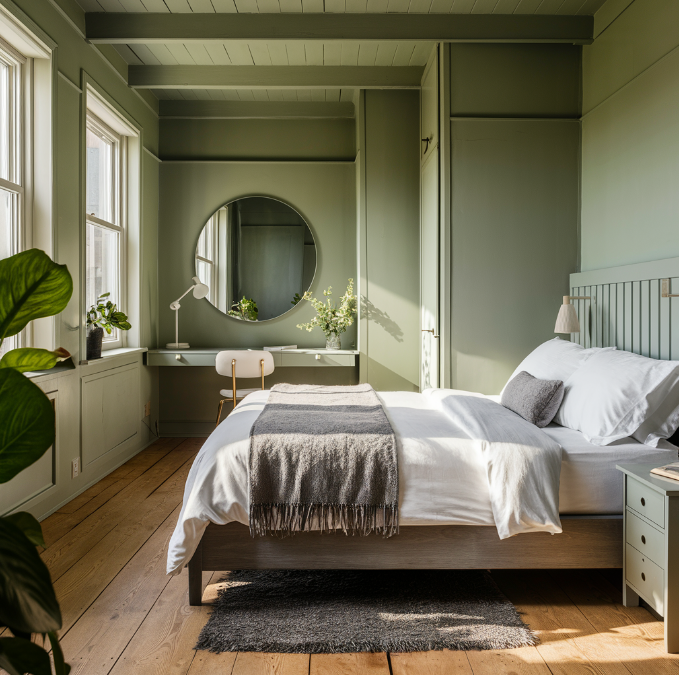
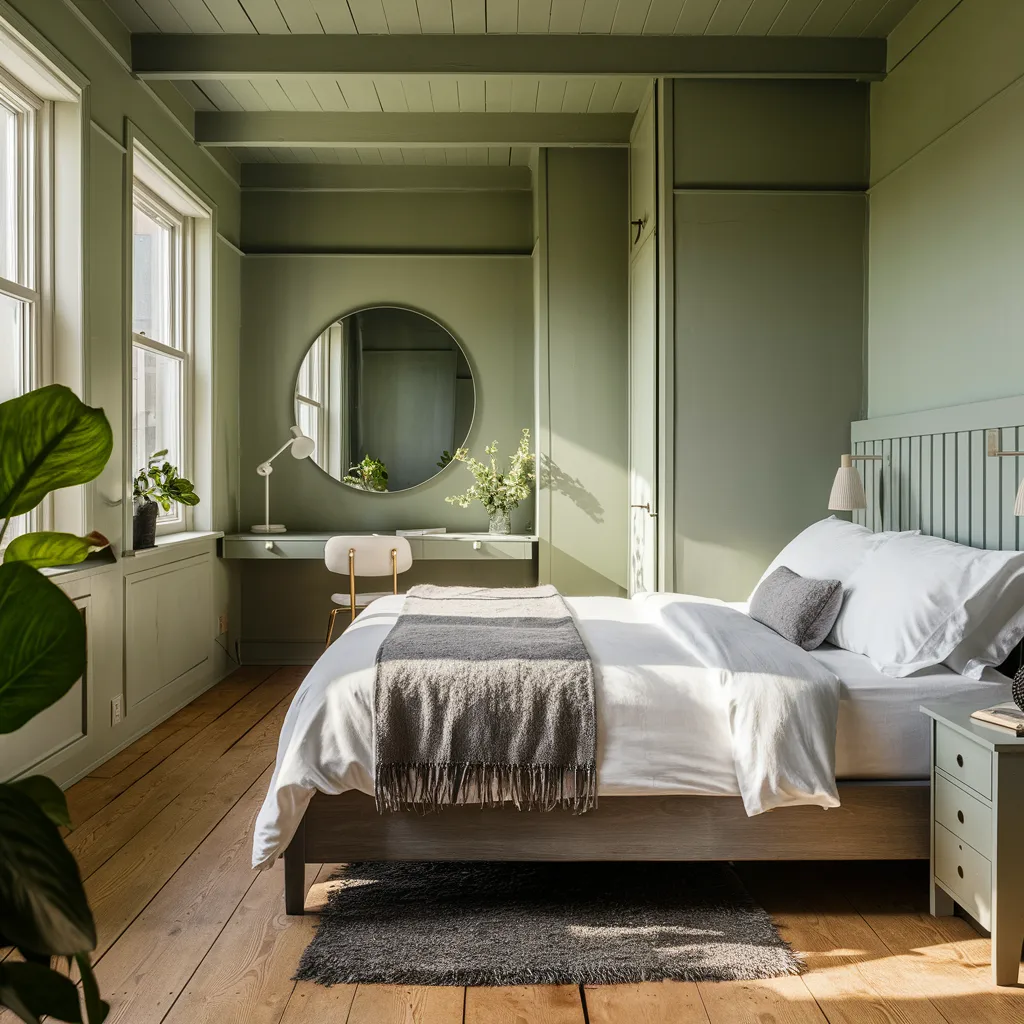
Bedroom: Your bedroom should be a peaceful retreat. Scandinavian design emphasizes a clutter-free environment, creating a serene space conducive to rest and relaxation. Opt for clean lines, neutral colors, and minimal furniture to enhance the sense of calm. Built-in wardrobes and under-bed storage can help keep the room tidy.

Kitchen: Functionality is key in the kitchen. Scandinavian design streamlines this space, making it both practical and aesthetically pleasing. Choose streamlined cabinetry, simple countertops, and functional decor to maintain a clean and organized look. Open shelves can provide storage without overwhelming the space.

Design a Home That Hugs You Back

More than walls and furniture — it’s where your kids grow up, where laughter echoes. Let’s plan a space that feels like home. Talk to our designers today.

Elpis interior Design polaroid

Our Partners

Practical Tips for Achieving Scandinavian Design

Achieving Scandinavian design in your home involves more than just choosing the right furniture and colors. It’s about creating a cohesive and harmonious space that reflects your personality and lifestyle.

Decluttering and Organizing Spaces: Start by decluttering and organizing your spaces. Remove unnecessary items and focus on keeping only those that add value and functionality to your home.

Choosing the Right Furniture and Decor: Select furniture and decor that are simple, functional, and stylish. Look for multi-functional pieces that maximize space and utility, and choose decor items that are meaningful and reflective of your personality.

Incorporating Natural Elements and Light: Maximize natural light in your home by using large windows, light-colored walls, and strategically placed mirrors. Incorporate natural elements such as wood, plants, and textiles to add warmth and texture to your space.

Balancing Functionality and Aesthetics: Ensure that your design choices enhance the functionality of your space while maintaining a cohesive and aesthetically pleasing look. Focus on quality over quantity and choose pieces that serve a purpose and add value to your home.

Common Mistakes to Avoid

While Scandinavian design embodies simplicity and functionality, it’s essential to avoid common pitfalls that can hinder the creation of a truly harmonious space. Overcluttering, neglecting functionality, and misinterpreting the color palette are frequent missteps. To capture the essence of Scandinavian style, it’s crucial to maintain a balance between minimalism and warmth.

  • Overcluttering: While minimalism emphasizes open spaces, it doesn’t mean a completely empty room. Incorporate a few carefully selected pieces of art, sculptural objects, or plants to add depth and character without compromising the overall aesthetic.
  • Neglecting Functionality: Scandinavian design is equally about form and function. Prioritize pieces that serve a purpose while contributing to the overall look. Avoid items that solely exist for decorative purposes without practical value.
  • Misinterpreting Color: While neutral tones are a staple of Scandinavian design, don’t be afraid to introduce subtle pops of color through textiles, artwork, or accessories. This adds warmth and personality to the space.

By steering clear of these common mistakes and focusing on the core principles of Scandinavian design, you can create a serene and inviting living space that reflects your personal style.


Modern Minimalism: Creating Clean and Serene Living Spaces

In a bustling world filled with constant distractions, minimalistic interior design offers a sanctuary of calm and order. Many in Singapore are discovering the transformative power of minimalism, seeking to create clean and serene living spaces. The challenge of cluttered and chaotic homes can leave one feeling overwhelmed and stressed. You might find yourself longing for simplicity, a space where everything has a purpose and nothing feels excessive. Elpis, with its commitment to affordability and personalized design, offers comprehensive interior design and renovation services to help you achieve a minimalistic haven that perfectly suits your needs.

Understanding Minimalistic Interior Design

Minimalistic interior design is more than just a trend; it’s a lifestyle choice that emphasizes simplicity, functionality, and the beauty of uncluttered spaces. At its core, minimalism is about creating a harmonious environment where every item serves a purpose. This design philosophy promotes mental well-being by reducing visual noise and fostering a sense of peace. Imagine walking into your home and feeling instantly relaxed, surrounded by clean lines, neutral colors, and functional furnishings that make your space both beautiful and practical.

Transform your living space into a personalized sanctuary, where every detail reflects your unique style and aspirations

Elevate your quality of life with our expert interior design services

 Luxurious Finishes – Personal Expression – Seamless Integration of Technology – Well-Designed Storage Solutions

Personalizing Your Minimalistic Space with Elpis

At Elpis, we believe that every home should reflect the personality and needs of its inhabitants. Our personalized design solutions ensure that your minimalistic space is uniquely yours. We start with a comprehensive consultation to understand your lifestyle, preferences, and functional requirements. Our team of experts then crafts a design plan that balances aesthetics with practicality. Affordability is at the heart of our offerings; we provide high-quality designs that won’t break the bank. From the initial concept to the final installation, our comprehensive services cover every aspect of the renovation process, ensuring a smooth and stress-free experience.

Key Elements of Minimalistic Design

Color Palette:

  • Neutral Base: Opt for a neutral color palette, such as whites, grays, and beiges, to create a clean and airy atmosphere.
  • Strategic Accents: Introduce subtle pops of color through artwork, textiles, or small decorative pieces to add visual interest without overwhelming the space.

Furniture Selection:

  • Multi-Functionality: Choose furniture that serves multiple purposes, such as storage ottomans or sofa beds, to maximize space efficiency.
  • Clean Lines: Prioritize pieces with clean lines and simple forms to maintain the minimalist aesthetic.
  • Quality Over Quantity: Invest in high-quality furniture pieces that are built to last. Fewer, well-chosen items create a more impactful and timeless space.

Decluttering and Organization:

  • Less is More: Embrace the minimalist philosophy by decluttering your space. Keep only essential items and find storage solutions for everything else.
  • Hidden Storage: Utilize hidden storage options like built-in shelves, drawers, or cabinets to maintain a clutter-free appearance.
  • Regular Purging: Make decluttering a regular habit to prevent clutter from accumulating.

Lighting and Space:

  • Natural Light: Maximize natural light by using sheer curtains or blinds. This creates an open and airy atmosphere.
  • Artificial Light: Choose minimalist light fixtures with clean lines and soft, diffused light. Consider using dimmers to adjust the ambiance.
  • Negative Space: Embrace empty spaces. Allow furniture and décor to breathe by leaving ample room between pieces.

By focusing on these key elements, you can create a minimalist space that is both visually appealing and incredibly relaxing. Remember, minimalism is a journey, not a destination. Start small and gradually refine your space to achieve your desired aesthetic.

Elevate your quality of life with our expert interior design services

  • Specialization in Singaporean regulations and trends
  • Technology-driven design and execution
  • Focus on client experience and post-project support

TRUSTED BY 300+ BRANDS IN SINGAPORE

Impressed by their promptness and reliability throughout the entire renovation process! Alistair was our ID at Elpis and his promptness and reliability never fail to amaze us throughout the whole period of our renovation
Tan Susie

Transforming Different Spaces

Living Room: Your Sanctuary of Calm

The living room is the heart of your home, a space for relaxation and social gatherings. Minimalist design transforms this area into a serene and inviting retreat.

  • Prioritize Comfort: Invest in a comfortable sofa and chairs that are both stylish and functional. Opt for neutral colors and clean lines to create a sense of calm.
  • Smart Storage: Conceal clutter with built-in storage solutions or stylish storage ottomans.
  • Artful Accents: A few carefully selected pieces of art or statement decor can elevate the space without overwhelming it.

Bedroom: A Peaceful Retreat

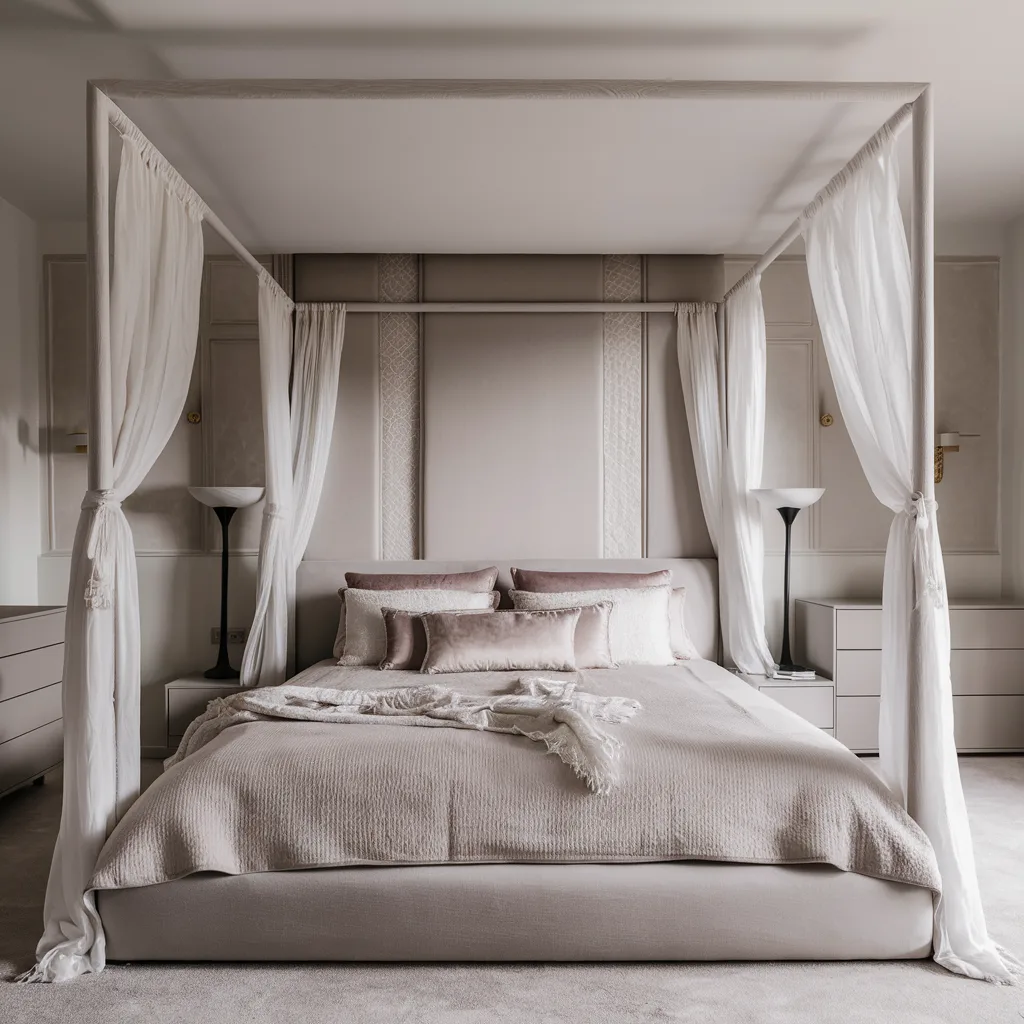
Your bedroom should be a sanctuary for rest and rejuvenation. A minimalist approach can help create a soothing atmosphere.

  • Sleep Sanctuary: Invest in a comfortable mattress and high-quality bedding. Keep the room clutter-free to promote relaxation.
  • Functional Furniture: Choose furniture with clean lines and ample storage options, such as a platform bed with drawers or a minimalist wardrobe.
  • Mood Lighting: Incorporate soft lighting options like bedside lamps and dimmable overhead lights to create a calming ambiance.

Kitchen and Dining: Form Meets Function

A minimalist kitchen is not only visually appealing but also highly functional.

  • Streamlined Design: Opt for sleek cabinetry with minimal hardware and open shelving for a clean look.
  • Declutter and Organize: Keep countertops clear by storing appliances and utensils in drawers or cabinets.
  • Dining Delights: Choose a dining table and chairs with clean lines that complement the kitchen’s aesthetic.

By applying minimalist principles to these key areas of your home, you can create a space that is both stylish and functional, promoting a sense of calm and well-being.

Would you like to delve deeper into specific minimalist design elements for a particular room?

Common Mistakes to Avoid

  • Over-cluttering: The irony of minimalism is that it can easily veer into sparseness. While empty spaces are crucial, a complete absence of objects can create a cold and uninviting atmosphere. Incorporate a few carefully selected pieces of art, sculptural objects, or plants to add warmth and depth to your space.
  • Neglecting Texture: Minimalism isn’t synonymous with flatness. Incorporate a variety of textures to add visual interest and tactile appeal. Think soft textiles like linen or wool, the grain of natural wood, or the smoothness of marble.
  • Fear of Color: While minimalism often leans towards neutral palettes, don’t be afraid to introduce subtle pops of color. A carefully chosen accent color can add a touch of personality without compromising the overall minimalist aesthetic.
  • Ignoring Functionality: Minimalism isn’t about sacrificing practicality. Every piece in your space should serve a purpose. Invest in multifunctional furniture and storage solutions to maximize efficiency and minimize clutter.

By avoiding these common mistakes and embracing the core principles of minimalism, you can create a space that is both visually stunning and incredibly functional.

Real-life Examples and Success Stories

Elpis takes pride in the satisfaction of our clients. Our detailed testimonials and success stories highlight the positive impact of our services. Many clients have praised our professionalism, attention to detail, and the high-quality results we deliver. Before-and-after transformations provide visual evidence of the successful projects we’ve completed, showcasing the beauty and functionality of our designs.

Before After
Cluttered and chaotic living room Clean and serene living space with multi-functional furniture
Overcrowded bedroom Peaceful retreat with minimal furniture and built-in storage
Disorganized kitchen Streamlined and functional kitchen with open shelves and simple decor

Design a Home That Hugs You Back

More than walls and furniture — it’s where your kids grow up, where laughter echoes. Let’s plan a space that feels like home. Talk to our designers today.

Elpis interior Design polaroid

Our Partners

Final Thoughts

Embrace the simplicity and elegance of minimalistic design with Elpis. Transform your home into a serene and stylish space that reflects your personality and needs. How will you redefine your living space with minimalism and the expert guidance of Elpis?


Contemporary Lighting Design: Illuminating Your Home in Modern Style

Lighting plays a crucial role in setting the ambiance and functionality of any space. Today’s homeowners are drawn to contemporary lighting design, which emphasizes clean lines, innovative technology, and a focus on creating a stylish and well-lit environment. This comprehensive guide explores the core principles of contemporary lighting design, provides inspiration for different rooms, and offers practical tips to help you transform your home with modern lighting solutions.

Key Takeaways:

  • Discover the key characteristics of contemporary lighting design, including minimalist aesthetics, innovative technology, and a focus on functionality.
  • Gain inspiration from a variety of contemporary lighting ideas for different rooms in your home, from living areas and bedrooms to kitchens and bathrooms.
  • Learn practical tips for selecting and installing contemporary lighting fixtures, considering factors like functionality, ambiance, and budget.

Understanding Contemporary Lighting Design

Contemporary lighting design embodies a commitment to clean lines, innovative technology, and creating a well-lit and stylish space. Here are some key characteristics that define this modern approach to illumination:

  • Minimalist Aesthetics: Contemporary lighting fixtures prioritize clean lines, geometric shapes, and a focus on form and function. Opaque shades and exposed bulbs are often featured, creating a sleek and modern look. Think pendant lights with simple metal frames or sconces with minimalist arms holding frosted glass globes.
  • Emphasis on Functionality: Contemporary lighting design prioritizes functionality alongside aesthetics. This means using layered lighting to create task lighting in specific areas while also providing ambient lighting for overall ambiance. Imagine a living room with a central pendant light for general illumination, complemented by floor lamps positioned next to reading chairs for focused task lighting.
  • Integration with Architecture: Contemporary lighting fixtures are often designed to seamlessly integrate with the architectural elements of a space. Recessed lighting, track lighting, and linear pendant lights are popular choices for creating a cohesive look. Recessed lighting can be strategically placed in ceilings to provide general illumination without protruding into the space, while track lighting allows for spotlights to be directed at specific areas, highlighting artwork or architectural features.
  • Innovative Technology: Contemporary lighting embraces technological advancements. LED lighting is a popular choice for its energy efficiency and long lifespan. Dimmer switches allow you to adjust the ambiance of a room, while smart lighting systems offer the ultimate in control, allowing you to control lights remotely or program them to different settings.

Contemporary Lighting Inspiration for Every Room

Now that you understand the core principles of contemporary lighting design, let’s explore how to incorporate it into different areas of your home:

  • Living Room: The living room is a space for relaxation, entertaining, and socializing. Opt for a statement pendant light as a focal point above your coffee table. Consider a chandelier with clean lines or a single pendant with a unique geometric shade. Layer this with task lighting for reading areas. Floor lamps with clean lines and adjustable shades positioned next to armchairs or sofas provide focused light for reading or working on laptops. Wall sconces with a minimalist design on either side of the fireplace add warmth and ambiance. Consider recessed lighting for a seamless finish, especially if you have a tray ceiling or other architectural details.
  • Bedroom: The bedroom is a sanctuary for sleep and relaxation. Utilize layered lighting to create a calming atmosphere. A central pendant light, perhaps with a fabric shade or frosted glass diffuser, can provide general illumination. Complement this with bedside lamps featuring a minimalist design that won’t overwhelm the nightstands. Dimmer switches allow you to adjust the lighting for different activities, from reading in bed to creating a soft, relaxing ambiance before sleep. Don’t forget under-bed lighting, which provides a soft glow and can be helpful for nighttime navigation.
  • Kitchen: Functionality is key in the kitchen. Under-cabinet lighting illuminates work surfaces, ensuring you have ample light for food preparation tasks. Pendant lights over the breakfast bar or island provide additional focused light for casual dining or meal prep. Consider recessed lighting strategically placed throughout the kitchen to ensure overall brightness, especially if you have a large kitchen with limited natural light.
  • Bathroom: Combine recessed lighting for overall illumination with task lighting around the mirror for vanity tasks. Consider sconces on either side of the mirror for a touch of luxury and even light distribution. Recessed lighting with adjustable showerheads allows you to create a spa-like experience. In a larger bathroom, consider adding a statement pendant light above a freestanding bathtub for a touch of glamour.

Table: Popular Contemporary Lighting Fixture Options

Room Lighting Type Example
Living Room Pendant Light Chandelier with clean lines, geometric pendant with a metal shade
Living Room Floor Lamp Floor lamp with a tripod base and adjustable shade
Living Room Wall Sconce Sconce with a minimalist arm and frosted glass globe
Living Room Recessed Lighting Recessed downlights strategically placed in the ceiling


Bedroom Pendant Light Pendant light with a fabric shade or frosted glass diffuser
Bedroom Bedside Lamp Minimalist table lamp with a metal base and fabric shade
Bedroom Under-Bed Lighting LED strip lights installed underneath the bed frame
Kitchen Under-Cabinet Lighting LED strip lights or puck lights installed underneath cabinets
Kitchen Pendant Light Pendant lights with metal shades or glass globes over a breakfast bar or island
Kitchen Recessed Lighting Recessed downlights throughout the kitchen ceiling
Bathroom Recessed Lighting Recessed downlights with adjustable showerheads
Bathroom Sconce Sconce with a minimalist design on either side of the mirror
Bathroom Pendant Light (Optional) Statement pendant light above a freestanding bathtub

Practical Considerations for Creating a Contemporary Lighting Design

Beyond aesthetics, functionality plays a vital role in contemporary lighting design. Here are some practical tips to keep in mind as you plan your modern lighting scheme:

  • Lighting Layers: Plan your lighting scheme with layers in mind. Utilize ambient lighting for overall illumination, task lighting for specific areas like reading nooks or kitchen countertops, and accent lighting to highlight features like artwork or architectural details. This layered approach ensures your space is both stylish and functional.
  • Scale and Proportion: Choosing lighting fixtures that are appropriately sized for the room is crucial. Overly large fixtures can overpower a space, making it feel smaller and cluttered. Conversely, small fixtures might not provide enough light and appear insignificant in a large room. Consider the dimensions of the room, the height of your ceilings, and the size of your furniture when selecting lighting fixtures.
  • Color Temperature: The color temperature of your lighting bulbs plays a significant role in setting the ambiance of a space. Warm white bulbs (around 2700 Kelvin) create a cozy and inviting atmosphere, while cool white bulbs (around 5000 Kelvin) provide a bright and energizing light suitable for task areas like kitchens and bathrooms. Consider using dimmable switches to allow for adjustments and create the desired ambiance for different activities.
  • Control and Flexibility: Incorporate dimmers and switches for adjustable lighting. This allows you to create different moods and cater to the specific needs of each activity. Explore smart lighting technology for added control and convenience. Smart lighting systems allow you to control lights remotely using your smartphone or voice commands, set schedules for automatic on/off functionality, and even integrate them with other smart home devices.
  • Professional Advice: Consulting with an electrician or lighting designer can be beneficial, especially for complex installations or if you require assistance creating a customized lighting plan for your home. A qualified electrician can ensure your lighting scheme is safe and up to code, while a lighting designer can offer expert advice on fixture selection, placement, and creating a cohesive lighting design that meets your specific needs and preferences.

Elevate your quality of life with our expert interior design services

  • Specialization in Singaporean regulations and trends
  • Technology-driven design and execution
  • Focus on client experience and post-project support

TRUSTED BY 300+ BRANDS IN SINGAPORE

Impressed by their promptness and reliability throughout the entire renovation process! Alistair was our ID at Elpis and his promptness and reliability never fail to amaze us throughout the whole period of our renovation
Tan Susie

Conclusion: A Bright Future for Contemporary Lighting

By embracing the principles of contemporary lighting design, you can transform your home into a stylish and well-lit haven. This modern approach to lighting prioritizes clean lines, innovative technology, and functionality, creating a space that is both beautiful and practical. Utilize the valuable resources available online, including design blogs, lighting retailers offering a wide variety of contemporary fixtures, and professional lighting designers. With a little planning and inspiration, you can create a modern lighting scheme that enhances the functionality and aesthetics of your home, allowing you to enjoy the perfect ambiance for any activity.

Illuminate your home with modern style through Elpis’ contemporary lighting design solutions. Our expert team specializes in creating sophisticated and functional lighting schemes that enhance the beauty and ambiance of your space. Don’t settle for ordinary lighting. Contact Elpis today to transform your home with our innovative lighting designs. Brighten up your living spaces with style and elegance—reach out now and let us light the way to your dream home!


Contemporary Outdoor Spaces: Transforming Your Backyard into a Modern Oasis

The way we utilize outdoor spaces has evolved. Today, homeowners seek to create seamless extensions of their living areas, blurring the lines between indoors and outdoors. This comprehensive guide delves into the world of contemporary outdoor spaces, offering design inspiration, practical tips, and insights into popular trends to transform your backyard into a stylish and functional haven.

Key Takeaways:

  • Discover the latest design trends in contemporary outdoor spaces, including materials, furniture, and landscaping elements.
  • Learn practical tips for maximizing functionality and creating a cohesive flow between your indoor and outdoor areas.
  • Gain inspiration from creative solutions for transforming small outdoor spaces into contemporary havens.

Understanding Contemporary Outdoor Design

Contemporary outdoor design emphasizes clean lines, minimalist aesthetics, and a focus on creating an open and inviting atmosphere. Key characteristics include:

  • Natural Materials: Contemporary spaces often utilize natural materials like wood, stone, and concrete for a timeless and elegant look. Wood decks and patios offer warmth and texture, while stone pavers or tiles create a sleek and modern foundation. Concrete can be used for countertops, planters, or even outdoor fireplaces, adding a touch of industrial chic.
  • Sleek Furniture: Clean lines, geometric shapes, and weather-resistant materials define furniture choices in contemporary outdoor spaces. Opt for low-profile sofas, sectionals, and armchairs in neutral tones or pops of color that complement your overall design scheme. Sleek metal chairs with comfortable cushions or woven wicker pieces add a touch of natural texture.
  • Integration with Nature: Contemporary design prioritizes blurring the boundaries between indoor and outdoor environments. Large windows and sliding glass doors create a seamless transition from indoor living spaces to the outdoors. Strategic use of plants, both in potted arrangements and integrated landscaping, further enhances this connection with nature.

Popular Trends in Contemporary Outdoor Spaces

Stay ahead of the curve with these trending elements in contemporary outdoor design:

  • Fire Features: Fire pits, fireplaces, and fire bowls create a warm ambiance and focal point in contemporary outdoor areas. Fire pits can be built into patios or decks, while fireplaces add a touch of luxury and can be enjoyed on cooler evenings. Fire bowls offer a portable option for smaller spaces. Consider incorporating gas or electric fire features for a more low-maintenance solution.
  • Outdoor Kitchens: Take your entertaining outdoors with modern outdoor kitchens featuring built-in grills, countertops, and storage solutions. These outdoor kitchens can be as simple as a grill and a prep counter or as elaborate as a full kitchen setup with refrigerators, sinks, and even pizza ovens. Choose weather-resistant materials like stainless steel or granite countertops for durability.
  • Sustainable Materials: Eco-conscious homeowners are opting for sustainable materials like recycled wood or bamboo for their outdoor spaces. Recycled wood offers a unique aesthetic and a second life to salvaged materials. Bamboo is a fast-growing and renewable resource that can be used for decking, furniture, or fencing.
  • Vertical Gardens: Maximize space and add a touch of greenery with vertical gardens that utilize walls or trellises. Vertical gardens are a perfect solution for small outdoor spaces and allow you to grow herbs, vegetables, or even flowers in a visually appealing way. Choose climbing plants or invest in vertical garden systems for a neat and organized look.
  • Multifunctional Spaces: Transform your outdoor area into a multi-functional haven with flexible furniture and modular elements that adapt to various activities. Opt for lightweight furniture that can be easily rearranged to create dining areas, relaxation zones, or sunbathing spots. Modular furniture pieces like ottomans or sectionals can be configured to suit your needs.

Table: Popular Contemporary Outdoor Furniture Materials

Material Benefits Drawbacks
Teak Wood Durable, naturally weather-resistant, beautiful aesthetic Higher cost
Wicker Lightweight, comfortable, natural look Requires regular cleaning, may not be as durable as other materials
Aluminum Lightweight, rust-resistant, low maintenance Can be cold to the touch, may dent or scratch easily
Stainless Steel Sleek and modern aesthetic, durable, low maintenance Can be expensive, may get hot in direct sunlight
Recycled Plastic Eco-friendly, durable, low maintenance May not have the same aesthetic appeal as natural materials

Practical Considerations for Creating a Contemporary Outdoor Space

Beyond aesthetics, functionality plays a crucial role in contemporary outdoor design. Here are some key considerations:

  • Space Planning: Carefully consider the layout of your outdoor space to optimize functionality. Define distinct areas for dining, relaxation, or entertaining, ensuring comfortable traffic flow. Sketch out a plan on paper or utilize online design tools to visualize your desired layout before investing in furniture or landscaping elements.
  • Furniture Selection: Choose furniture that complements the overall design aesthetic and suits the intended purpose of your outdoor space. Opt for weather-resistant and easy-to-maintain materials like teak wood, aluminum, or weatherproof wicker. Consider comfort and functionality when selecting furniture. Invest in cushions with UV-resistant fabrics for added comfort and durability.
  • Lighting: Create a warm and inviting atmosphere with strategic outdoor lighting. String lights draped across pergolas or patios add a whimsical touch. Recessed lighting in decks or patios provides task lighting for dining areas. Consider solar-powered lights for an eco-friendly option and path lights to illuminate walkways for safety and ambiance. Utilize dimmers for adjustable lighting intensity, allowing you to create different moods throughout the day and evening.
  • Privacy and Security: Incorporate landscaping or strategically placed screens for privacy, especially if your outdoor space is overlooked by neighbors. Climbing vines on trellises or tall potted plants can create natural privacy barriers. Consider retractable awnings or shade sails for additional privacy and sun protection. Outdoor security solutions like motion sensor lights or security cameras can provide peace of mind, especially if you plan to use your outdoor space frequently in the evenings.

Inspiration for Small Contemporary Outdoor Spaces

Don’t let limited space deter you from creating a contemporary outdoor haven. Here are some creative solutions to maximize functionality and style in a small outdoor space:

  • Vertical Elements: Utilize walls and fences for vertical gardens, hanging planters, or mounted shelves to optimize space. Vertical gardens not only add a touch of greenery but also help purify the air. Hanging planters can be used to showcase cascading plants or colorful flowers. Mounted shelves provide additional storage for gardening tools or decorative items.
  • Folding Furniture: Invest in folding furniture that can be easily stored when not in use, maximizing space in a small area. Folding chairs and tables are perfect for creating a dining area that can be tucked away when not needed. Ottomans with built-in storage can serve as additional seating and provide a place to keep throws or cushions. Choose furniture on wheels for added versatility, allowing you to easily rearrange the layout as needed.
  • Multi-Functional Pieces: Opt for furniture that serves multiple purposes, such as ottomans with built-in storage or dining tables with foldable leaves. Ottomans with storage can be used for seating, a footrest, or to hold extra cushions. Dining tables with foldable leaves allow you to adjust the size of the table depending on the number of guests. Look for furniture with hidden compartments or nesting capabilities to make the most of your limited space.
  • Mirrored Accents: Strategically placed mirrors can create an illusion of a larger space, making your outdoor area feel more expansive. Consider a large mirror mounted on a fence or wall to reflect the surrounding greenery and create a sense of depth. Opt for weather-resistant outdoor mirrors specifically designed for use in exposed areas.
  • Compact Fire Features: While fire pits might not be suitable for very small spaces, there are compact fire bowl options available that can be enjoyed on balconies or patios with limited square footage. Tabletop fire bowls offer a portable solution and can be used on even the smallest balconies. Choose a fire feature that burns clean fuels like propane or gel fuel for a safe and low-maintenance option.

Plants and Landscaping for Contemporary Outdoor Spaces

Plants and landscaping play a vital role in creating a cohesive and inviting outdoor space. Here are some tips for incorporating greenery into your contemporary design:

  • Low-Maintenance Plants: Opt for low-maintenance plants that tolerate outdoor conditions and require minimal watering. Succulents, ornamental grasses, and certain varieties of shrubs are good choices for busy homeowners.
  • Container Gardening: Container gardening allows for flexibility and creativity in small spaces. Choose a variety of pots and planters in different shapes, sizes, and materials to complement your overall design scheme. Utilize herbs, vegetables, or flowering plants to add pops of color and texture.
  • Lighting for Plants: Highlight your landscaping with strategically placed outdoor lighting. Uplighting trees or shrubs can create a dramatic effect, while pathway lights can illuminate walkways and showcase your greenery at night.
  • Outdoor Rugs: Define designated areas and add a touch of comfort underfoot with outdoor rugs. Opt for weather-resistant materials like recycled plastic or polypropylene that can withstand the elements. Choose a rug size and pattern that complements the overall design aesthetic of your outdoor space.

Elevate your quality of life with our expert interior design services

  • Specialization in Singaporean regulations and trends
  • Technology-driven design and execution
  • Focus on client experience and post-project support

TRUSTED BY 300+ BRANDS IN SINGAPORE

Impressed by their promptness and reliability throughout the entire renovation process! Alistair was our ID at Elpis and his promptness and reliability never fail to amaze us throughout the whole period of our renovation
Tan Susie

Conclusion: Embrace the Outdoors in Style

With careful planning, inspiration from current trends, and practical considerations, you can transform your outdoor space into a contemporary haven. Remember, functionality is key – create a space that reflects your lifestyle and allows you to connect with nature in style. Utilize the valuable resources available online, such as design blogs, online retailers specializing in outdoor furniture, and landscaping companies.

Transform your backyard into a modern oasis with Elpis, the experts in contemporary outdoor spaces. Our team is dedicated to bringing your vision to life, creating a stylish and functional outdoor area where you can relax and entertain. Ready to elevate your backyard? Contact Elpis today and let us help you design the perfect contemporary outdoor space. Your dream oasis is just a call away—reach out to us now and start your transformation!


Contemporary Home Office Design: Inspiration for a Stylish and Productive Workspace

In a world where remote work has become the norm, the design of your home office can significantly impact your productivity and well-being. Imagine stepping into a space where clean lines and innovative materials meet, creating an environment that is as stylish as it is functional. Welcome to the realm of contemporary home office design—a world where elegance and efficiency coexist harmoniously.

Contemporary home office design offers a unique blend of modern aesthetics and practical solutions, perfect for crafting a workspace that resonates with your personal style and work needs. This comprehensive guide will uncover the essential elements of contemporary home office design, reveal strategies for maximizing space, and provide actionable tips to create a workspace that is not only beautiful but also highly productive.

But beyond just design inspiration, consider the value of comprehensive renovation and interior design services provided by Elpis Interior. We specialize in personalized design solutions that transform your space into a bespoke work environment tailored to your unique requirements.

In this journey, we’ll explore the nuances of contemporary design and how it can be seamlessly integrated into your home office. Let’s delve into the world of sleek furniture, minimalist décor, and clever storage solutions that define contemporary home office design, ensuring you create a workspace that inspires and supports your professional endeavors.


Elevate your quality of life with our expert interior design services

  • Specialization in Singaporean regulations and trends
  • Technology-driven design and execution
  • Focus on client experience and post-project support

TRUSTED BY 300+ BRANDS IN SINGAPORE

Impressed by their promptness and reliability throughout the entire renovation process! Alistair was our ID at Elpis and his promptness and reliability never fail to amaze us throughout the whole period of our renovation
Tan Susie


Key Takeaways:

  • Discover the defining characteristics of contemporary home office design.
  • Explore design trends like material choices, color palettes, and lighting solutions.
  • Learn valuable tips for maximizing space and incorporating ergonomic furniture for optimal comfort and productivity.
  • Gain inspiration from stunning examples of contemporary home office designs.
  • Utilize resources and tools to curate a contemporary home office that reflects your unique style and workflow.

The Essence of Contemporary: Defining Your Home Office Aesthetic

Contemporary design prioritizes functionality, clean lines, and a focus on visual appeal. Here’s what defines contemporary home office aesthetics:

  • Streamlined Forms: Opt for sleek furniture with simple geometric shapes like clean lines and uncluttered silhouettes. Consider minimalist desks, streamlined chairs, and modular storage solutions that maximize space and enhance visual flow.


For example, a simple L-shaped desk with a white laminate top and chrome legs offers ample workspace without overwhelming the room. Pair it with a sleek, ergonomic chair featuring a breathable mesh back and adjustable arms for optimal comfort during long workdays.

  • Material Innovation: Embrace the use of modern materials like metals, glass, and high-gloss finishes. Polished concrete floors, stainless steel accents, or tempered glass desktops can add a touch of contemporary sophistication to your workspace.


Don’t be afraid to experiment! A polished concrete floor can create a stunning base for a contemporary home office, while sleek stainless steel shelves offer a stylish and functional storage solution.

  • Pops of Color and Texture: While contemporary design often leans towards neutral palettes, don’t be afraid to incorporate bold accents. A statement chair in a vibrant hue or a textured rug can add personality and visual interest to the space.


A neutral color palette with pops of color can create a balanced and visually appealing workspace. For instance, paint your walls a light gray and add a vibrant blue accent chair to inject a touch of personality. Complement the look with a plush rug featuring a geometric pattern for added texture.

  • Technology Integration: Embrace technology to enhance your workflow. Consider built-in charging stations, hidden cable management systems, or smart lighting solutions that adjust to your needs throughout the day.


A sleek desk with built-in charging stations eliminates the need for unsightly cords, while a hidden cable management system ensures a clean and organized workspace. Smart lighting allows you to adjust the ambiance from bright overhead lighting for focused work to calming warm tones for late-night tasks.

Contemporary Design Trends: A Look at Materials, Colors, and Lighting

Contemporary design offers a range of options to personalize your home office. Here’s a closer look at trending materials, color palettes, and lighting solutions:

Materials:

Material Benefits Example Application
Polished Concrete Creates a modern and industrial aesthetic, easy to maintain Floors, countertops
Glass Provides a sense of openness and allows natural light to flow Desktops, shelves
Metal Accents Adds a touch of sophistication and durability Chair legs, hardware, lighting fixtures
Engineered Wood Offers a modern and affordable alternative to solid wood Desks, shelves, cabinets
Leather Creates a luxurious and comfortable feel Chairs, ottomans


Color Palettes:

  • Neutral: Timeless and versatile, a neutral color palette creates a calming and focused atmosphere. Consider shades of white, beige, and gray as a base, with pops of black or navy for contrast.
  • Monochrome: For a sleek and sophisticated look, opt for a monochrome color palette. Play with different shades of the same color, such as black, white, or gray, to create visual interest.
  • Accent Wall: Break up a neutral color scheme with an accent wall in a bold or calming color, depending on your desired mood. Consider a vibrant blue for a stimulating environment or a soft green for a serene workspace.


Lighting:

  • Layered Lighting: A combination of overhead lighting, task lighting, and accent lighting creates a well-lit and functional workspace.
  • Overhead Lighting: Utilize recessed lighting or sleek pendant lamps to provide general illumination for the entire office.
  • Task Lighting: A desk lamp with adjustable arms ensures proper lighting for focused work on paperwork or computer screens.
  • Accent Lighting: Strategically placed LED strips or sconces can add a touch of ambiance and highlight specific areas of your workspace.

Space Optimization: Maximizing Productivity in a Compact Workspace

Limited square footage shouldn’t hinder your design aspirations. Here are some tips for maximizing space and functionality in your contemporary home office:

  • Embrace Multifunctional Furniture: Opt for furniture that serves multiple purposes. Consider a wall-mounted fold-down desk, a sleek storage ottoman that doubles as seating, or a standing desk that encourages movement throughout the day.
    • Wall-mounted fold-down desk: This ingenious space-saving solution allows you to utilize a desk only when needed. When folded up against the wall, it frees up valuable floor space and transforms your home office into a multi-functional room.
    • Sleek storage ottoman: This versatile piece of furniture provides additional seating for guests or colleagues while offering hidden storage compartments for files, blankets, or office supplies.
    • Standing desk: Standing desks promote better posture and can help to improve energy levels and focus throughout the workday. Many modern standing desks offer adjustable heights for optimal comfort.
  • Utilize Vertical Space: Take advantage of walls with floating shelves, vertical organizers, or pegboards for displaying essentials and maximizing storage capacity without sacrificing floor space.
    • Floating shelves: Sleek and modern floating shelves provide additional storage space for books, binders, or decorative items without visually overwhelming the room.
    • Vertical organizers: Utilize vertical organizers with compartments or cubbies to neatly store files, folders, and office supplies, keeping your workspace clutter-free and organized.
    • Pegboards: This versatile option allows you to customize your storage by hanging shelves, hooks, or containers for easy access to frequently used items.
  • Strategic Lighting: Employ layered lighting solutions that combine overhead lighting with task lighting for focused work. Consider sleek pendant lamps above your desk and strategically placed LED strips to create a well-lit and visually appealing workspace.
  • Minimalist Organization: Declutter your workspace to enhance visual serenity and focus. Utilize organizers and closed storage solutions to keep essentials within reach while maintaining a clean aesthetic.
    • Desk organizers: Invest in stylish desk organizers to keep pens, pencils, paperclips, and other small office supplies neatly contained and readily accessible.
    • Closed storage solutions: Utilize cabinets, drawers, or filing cabinets to store away less frequently used items or paperwork, maintaining a clean and clutter-free work environment.

Inspiration Gallery: Contemporary Home Office Designs Come to Life

Visual inspiration is key to crafting your dream contemporary home office design. Explore a curated selection of stunning examples that showcase the versatility and functionality of this design style:

  • Industrial Chic: Polished concrete floors paired with exposed brick walls and sleek metal furniture create a raw yet sophisticated workspace. This design style is ideal for those who appreciate a modern and edgy aesthetic.
    Imagine a spacious room with polished concrete floors reflecting the natural light streaming through large windows. Exposed brick walls add a touch of industrial charm, while sleek metal shelving and a minimalist desk with a black marble top provide ample workspace. A comfortable leather chair with chrome accents completes the look, creating a stylish and functional home office.
  • Serene Sanctuary: Light wood tones, natural textures, and calming pops of greenery provide a peaceful and inspiring environment for focused work. This design style is perfect for those seeking a tranquil and stress-free workspace.
    Picture a bright and airy room featuring light wood floors and a spacious L-shaped desk crafted from natural wood. Woven baskets and woven wall hangings add a touch of texture, while a strategically placed potted plant injects a dose of greenery. A comfortable ergonomic chair upholstered in a calming blue fabric completes the serene ambiance, creating an ideal space for focused work and relaxation.
  • Modern Minimalism: A minimalist desk with clean lines and a neutral color palette complemented by a single statement art piece creates a calming and clutter-free workspace. This design style is ideal for those who appreciate a clean and uncluttered aesthetic.
    Envision a minimalist workspace with white walls and a sleek white desk featuring hidden storage compartments. A comfortable chair with chrome legs and black upholstery provides a touch of contrast. The only adornment on the wall is a single piece of abstract art in a calming blue and gray palette, creating a serene and visually stimulating environment for focused work.
  • Luxurious Comfort: High-end materials like leather chairs and marble countertops paired with modern lighting solutions elevate the home office into a luxurious and productive haven. This design style is perfect for those who appreciate a touch of opulence in their workspace.
    Imagine a spacious room with plush carpeting in a deep gray hue. A sleek black marble desk with chrome legs provides ample workspace, while a luxurious black leather chair with adjustable headrests and armrests ensures optimal comfort. Modern pendant lamps cast a warm glow overhead, and strategically placed LED strips illuminate built-in shelves showcasing curated art pieces. This opulent and functional workspace is perfect for those seeking a touch of luxury in their home office environment.

Curating Your Dream Workspace: Resources and Tools for Contemporary Home Office Design

Now that you’re armed with the knowledge of contemporary design principles, space optimization strategies, and inspiring examples, it’s time to curate your dream home office! Here are valuable resources and tools to assist you in the process:

  • Online Design Platforms: Immerse yourself in a world of visual inspiration by exploring platforms like Pinterest and Houzz. Utilize their search functions to discover countless images and mood boards showcasing a variety of contemporary home office designs. Create your own mood boards to visualize your ideal workspace and experiment with different design elements.
  • Interior Design Blogs: Numerous interior design blogs offer insightful articles and tips specifically dedicated to incorporating contemporary design elements into your home office space. Explore these resources to discover the latest trends in furniture, materials, and color palettes.
  • Furniture Retailers: Visit the websites or showrooms of furniture retailers specializing in contemporary furniture. Many online retailers offer virtual tours and 3D modeling tools that allow you to visualize how specific pieces might look in your home office space. Consider factors like quality, functionality, and budget when selecting furniture.

Elevate your quality of life with our expert interior design services

  • Specialization in Singaporean regulations and trends
  • Technology-driven design and execution
  • Focus on client experience and post-project support

TRUSTED BY 300+ BRANDS IN SINGAPORE

Impressed by their promptness and reliability throughout the entire renovation process! Alistair was our ID at Elpis and his promptness and reliability never fail to amaze us throughout the whole period of our renovation
Tan Susie

Beyond Inspiration: Practical Steps for Creating Your Contemporary Home Office

Here’s a step-by-step guide to transform your vision into reality:

  1. Measure Your Space: Before embarking on your shopping spree, meticulously measure your designated home office space. This includes measuring the length, width, and height of the room, as well as noting the location of windows, doors, and electrical outlets. Having accurate measurements ensures you choose furniture that fits comfortably and allows for proper layout planning.
  2. Consider Your Needs: Analyze your workflow and identify your needs for the space. Do you require extensive storage for files and paperwork? Will you be hosting video conferences frequently? Understanding your specific needs will help you prioritize features and functionality when selecting furniture and equipment.
  3. Develop a Budget: Determine your budget for the project and allocate funds for furniture, décor, technology, and any necessary renovations. Sticking to a budget ensures responsible spending and allows you to prioritize essentials while exploring creative solutions for cost-effective design elements.
  4. Shop Around and Compare: Don’t settle for the first furniture piece you see! Compare prices and quality across different retailers, both online and in-store. Consider used furniture stores, online marketplaces, or discount retailers for potential savings on high-quality pieces.
  5. Prioritize Ergonomics: Investing in ergonomic furniture is crucial for promoting good posture and preventing discomfort during long workdays. Choose an adjustable chair with adequate back support and consider a standing desk if you prefer to alternate between sitting and standing throughout the day.
  6. Embrace DIY Projects: Unleash your creativity and explore DIY projects to personalize your workspace. Consider painting an accent wall, adding DIY shelves, or upcycling vintage furniture with a fresh coat of paint or new hardware.
  7. Accessorize for Style and Function: Don’t forget the finishing touches! Incorporate stylish accessories like artwork, plants, or decorative lamps to add personality and create a welcoming and inspiring workspace. Utilize organizers and storage solutions to maintain a clutter-free environment and enhance productivity.

Conclusion: Your Contemporary Home Office Awaits

By understanding the principles of contemporary design, maximizing your space with clever solutions, and utilizing the available resources, you can transform your home office into a stylish, functional, and inspiring environment. Remember, your dream workspace is a reflection of your personal style and work needs. Don’t be afraid to experiment, embrace creativity, and personalize your home office to make it a space where you thrive and unleash your full potential. With Elpis, you’ll experience a seamless design process, from initial consultation to the final reveal. We specialize in contemporary home office designs that combine functionality with aesthetics, ensuring you have a workspace that inspires creativity and efficiency.


Contemporary Bathroom Design

Designing a contemporary bathroom involves a thoughtful blend of functionality and modern aesthetics. This design style is characterized by its emphasis on clean lines, minimalism, and the use of high-quality materials to create a sleek and sophisticated space that is both practical and visually appealing. Whether you are starting from scratch or updating an existing bathroom, understanding the key elements of contemporary design can help you transform your space into a modern sanctuary.


Key Takeaways

  • Minimalism: Emphasize clean lines and clutter-free spaces.
  • High-Quality Materials: Use durable and luxurious materials like marble and glass.
  • Neutral Color Palette: Stick to neutral tones with subtle accents for a calm environment.
  • Modern Fixtures: Choose sleek, wall-mounted fixtures for a contemporary look.
  • Innovative Lighting: Layer lighting types and use energy-efficient LEDs.
  • Functional Storage: Incorporate built-in cabinets and open shelving to maintain organization.
  • Smart Technology: Enhance functionality with smart features like digital showers and smart mirrors.
  • Personal Touches: Add accessories and greenery that reflect your style and enhance the space.


Key Elements of Contemporary Bathroom Design

  1. Minimalism:
    • Clean Lines: Opt for straight lines and simple shapes in fixtures and fittings to create a streamlined look. Avoid ornate details and excessive decoration.
    • Clutter-Free Spaces: Ensure surfaces are free of unnecessary items to maintain a clean and organized appearance. Use concealed storage solutions to keep toiletries and other essentials out of sight.

  1. High-Quality Materials:
    • Natural Stone: Use materials like marble, granite, or quartz for countertops and flooring. These materials are not only durable but also add a touch of luxury to the bathroom.
    • Glass: Incorporate glass elements, such as shower enclosures and mirrors, to enhance the sense of space. Frosted or textured glass can provide privacy while maintaining a modern look.

  1. Neutral Color Palette:

    • Monochrome Schemes: Stick to a neutral color palette with shades of white, grey, black, and beige. These colors create a calm and serene environment.
    • Accent Colors: Add subtle pops of color through accessories or feature walls to create visual interest. Consider using muted tones like soft blues or greens for a contemporary feel.

  1. Modern Fixtures and Fittings:

    • Sleek Faucets: Choose faucets with simple, streamlined designs in finishes like chrome, brushed nickel, or matte black. Wall-mounted faucets can add a modern touch.
    • Wall-Mounted Fixtures: Use wall-mounted sinks, toilets, and storage units to save space and create a floating effect, making the bathroom feel larger and more open.

  1. Innovative Lighting:

    • Layered Lighting: Combine ambient, task, and accent lighting to create a well-lit and functional space. Ambient lighting provides general illumination, task lighting is essential for activities like shaving or applying makeup, and accent lighting highlights architectural features.
    • LED Lights: Use energy-efficient LED lighting for a modern touch and lower energy consumption. Consider installing LED strips under cabinets or along the baseboards for subtle illumination.

  1. Functional Storage Solutions:

    • Built-In Cabinets: Incorporate built-in storage to keep essentials hidden and maintain a tidy appearance. Custom cabinetry can be tailored to fit your space perfectly.
    • Open Shelving: Use open shelves for easy access to frequently used items and to display decorative pieces. Floating shelves can add a contemporary look and provide additional storage.


Designing a Contemporary Bathroom: Step-by-Step

  1. Plan the Layout:

    • Determine the best layout for your bathroom based on the available space and plumbing locations. Consider the flow of movement and accessibility.
    • Consider the placement of major elements like the shower, bathtub, toilet, and sink. Ensure there is enough space around each fixture for comfortable use.

  1. Choose the Right Materials:

    • Select high-quality materials that are durable and easy to maintain. Porcelain tiles, engineered stone, and tempered glass are excellent choices.
    • Combine different textures and finishes to add depth and interest to the design. For example, pair smooth marble countertops with textured wall tiles.

  1. Select Modern Fixtures:

    • Opt for fixtures with clean lines and contemporary designs. Look for minimalist faucets, sleek showerheads, and simple cabinet handles.
    • Consider water-saving options to enhance sustainability. Low-flow faucets and dual-flush toilets can reduce water consumption without sacrificing performance.

  1. Incorporate Smart Technology:

    • Install smart faucets and showers with temperature control and water-saving features. These can enhance convenience and efficiency.
    • Use smart mirrors with built-in lighting, defogging capabilities, and even integrated Bluetooth speakers for a high-tech touch.

  1. Focus on Lighting:

    • Ensure ample natural light by incorporating large windows or skylights. Natural light can make the bathroom feel more spacious and inviting.
    • Use a combination of overhead lighting, wall sconces, and under-cabinet lighting for a balanced effect. Dimmable lights can create a relaxing atmosphere for evening use.

  1. Add Finishing Touches:

    • Choose contemporary accessories such as towel racks, soap dispensers, and storage baskets that complement the overall design. Look for pieces with clean lines and modern finishes.
    • Incorporate greenery with small potted plants or a vertical garden to add a touch of nature. Plants can improve air quality and add a refreshing element to the space.


Contemporary Bathroom Design Checklist

Element Description Examples
Color Palette Neutral tones with occasional accents White, grey, black, beige
Materials High-quality, durable, and sleek Marble, granite, glass, stainless steel
Fixtures and Fittings Modern, streamlined, and wall-mounted Wall-mounted sinks, floating toilets
Lighting Layered lighting with energy-efficient options LED lighting, under-cabinet lights
Storage Solutions Built-in cabinets and open shelving for a clutter-free look Built-in vanity, open shelves
Smart Technology Incorporation of smart features for enhanced functionality and efficiency Smart mirrors, digital showers
Finishing Touches Contemporary accessories and natural elements Towel racks, potted plants

Elevate your quality of life with our expert interior design services

  • Specialization in Singaporean regulations and trends
  • Technology-driven design and execution
  • Focus on client experience and post-project support

TRUSTED BY 300+ BRANDS IN SINGAPORE

Impressed by their promptness and reliability throughout the entire renovation process! Alistair was our ID at Elpis and his promptness and reliability never fail to amaze us throughout the whole period of our renovation
Tan Susie

Conclusion

Designing a contemporary bathroom involves a careful balance of functionality and style. By focusing on clean lines, high-quality materials, and modern fixtures, you can create a space that is both practical and visually appealing. Incorporating smart technology and thoughtful storage solutions further enhances the usability and efficiency of the bathroom. Remember to keep the color palette neutral and add finishing touches that reflect your personal style. With these guidelines, you can achieve a contemporary bathroom design that offers a perfect blend of modern aesthetics and everyday convenience.

Contemporary Dining Room Design

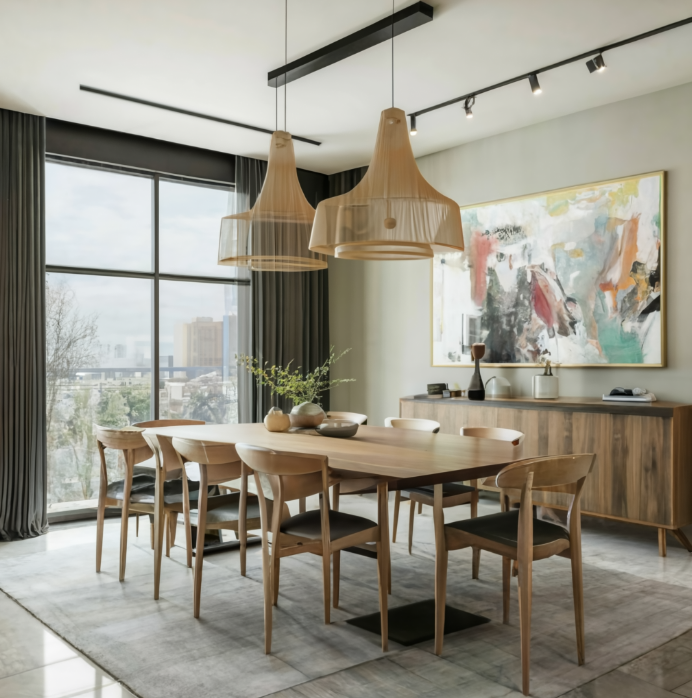
Contemporary dining room design is an artful blend of form and function, where sleek aesthetics meet practicality to create a space that is both stylish and inviting. Whether you’re entertaining guests or enjoying everyday meals with family, a well-designed contemporary dining room can set the stage for memorable dining experiences. In this comprehensive guide, we’ll delve deeper into the principles of contemporary design and explore various elements to help you transform your dining area into a modern masterpiece.

Key Elements of Contemporary Dining Room Design:

  1. Sleek Furniture: Contemporary dining furniture is characterized by its clean lines, minimalist profiles, and focus on functionality. When selecting furniture pieces for your dining room, opt for pieces that exude modern elegance and offer both style and comfort.
Furniture Piece Description
Dining Table Choose a modern dining table with clean lines and a sleek surface. Consider materials like glass, marble, or wood with minimalist design elements.
Dining Chairs Select chairs with streamlined silhouettes and ergonomic designs for comfort. Upholstered seats in neutral tones can add warmth and texture to the space.

  1. Neutral Color Palette: A neutral color palette forms the foundation of contemporary dining room design, creating a sense of harmony and sophistication. Consider incorporating shades of white, gray, beige, and black to establish a clean and timeless backdrop for your dining space.
Color Description
White Creates a sense of spaciousness and purity, reflecting light to brighten the room.
Gray Adds sophistication and versatility, serving as a neutral backdrop for other elements.
Beige Offers warmth and elegance, providing a soft contrast to darker accents.
Black Adds drama and contrast, lending a modern edge to the dining room design.

  1. Statement Lighting: Lighting plays a pivotal role in contemporary dining room design, illuminating the space while serving as a striking focal point. Opt for statement lighting fixtures such as pendant lights or chandeliers with sleek, geometric designs and modern finishes.
Lighting Fixture Description
Pendant Lights Suspended above the dining table, pendant lights with sleek, geometric designs make a bold statement and provide focused illumination.
Chandeliers A contemporary chandelier can serve as a striking centerpiece, adding glamour and ambiance to the dining room. Choose designs with clean lines and modern finishes.


  1. Minimalistic Decor: Keep decor accessories to a minimum to maintain the clean and uncluttered look of a contemporary dining room. Select a few carefully curated pieces such as minimalist artwork, sleek vases, and contemporary sculptures to add personality and visual interest to the space.
Decor Item Description
Artwork Minimalist artwork or abstract prints can adorn the walls and infuse personality into the space.
Vases Sleek vases in geometric shapes or metallic finishes can display fresh flowers or decorative branches.
Sculptures Opt for contemporary sculptures or art pieces that complement the overall design aesthetic of the dining room.

  1. Natural Materials: Incorporating natural materials adds warmth, texture, and visual interest to a contemporary dining room. Consider integrating elements such as wood, stone, and metal into your design scheme to create a sense of balance and harmony.
Material Description
Wood Wooden furniture, flooring, or decor accessories can introduce natural warmth and character to the space.
Stone Stone accents or feature walls can add a sense of luxury and sophistication to the dining room design.
Metal Metal finishes such as stainless steel, brass, or copper can lend a modern touch and sleek aesthetic to the space.


  1. Functional Layout: Prioritize functionality when planning the layout of your contemporary dining room to ensure optimal usability and comfort.
Consideration Description
Space Planning Adequate space around the dining table allows for comfortable movement and seating. Consider the flow of traffic from adjacent areas to optimize usability.
Seating Arrangement Dining chairs are arranged to allow easy access and promote conversation during meals and gatherings.
Accessibility Lighting fixtures and decor items are positioned strategically to enhance functionality and visual appeal.

Conclusion: Designing a contemporary dining room involves careful consideration of key elements such as furniture selection, color palette, lighting, decor, and layout. By incorporating sleek furniture, a neutral color palette, statement lighting, minimalistic decor, natural materials, and a functional layout, you can create a dining space that exudes modern elegance and enhances your dining experience. Whether you prefer a minimalist aesthetic or a touch of sophistication, contemporary design offers endless possibilities for creating a dining room that reflects your personal style and fosters memorable moments with loved ones.

Elevate your quality of life with our expert interior design services

  • Specialization in Singaporean regulations and trends
  • Technology-driven design and execution
  • Focus on client experience and post-project support

TRUSTED BY 300+ BRANDS IN SINGAPORE

Impressed by their promptness and reliability throughout the entire renovation process! Alistair was our ID at Elpis and his promptness and reliability never fail to amaze us throughout the whole period of our renovation
Tan Susie

Modern Living Room: Design Inspiration and Practical Tips

Welcome to the world of modern living rooms! Whether you’re a design enthusiast revamping your space or a first-time homeowner embarking on your interior design journey, this comprehensive guide will equip you with the knowledge and inspiration to create a stylish and functional living space that reflects your modern sensibilities.

Key Takeaways:

  • Modern living rooms embrace clean lines, functionality, and a focus on creating a visually appealing space.
  • Understanding key design principles like furniture selection, color palettes, and lighting is crucial for achieving a modern aesthetic.
  • Inspiration abounds – explore online resources, magazines, and showrooms to discover modern living room ideas that resonate with your style and budget.
  • Practical considerations like space optimization and storage solutions are vital for creating a comfortable and livable modern living room.

Defining the Modern Living Room: Core Design Principles

Modern living rooms are not just about aesthetics; they blend functionality with style. Here’s a breakdown of key principles to consider:
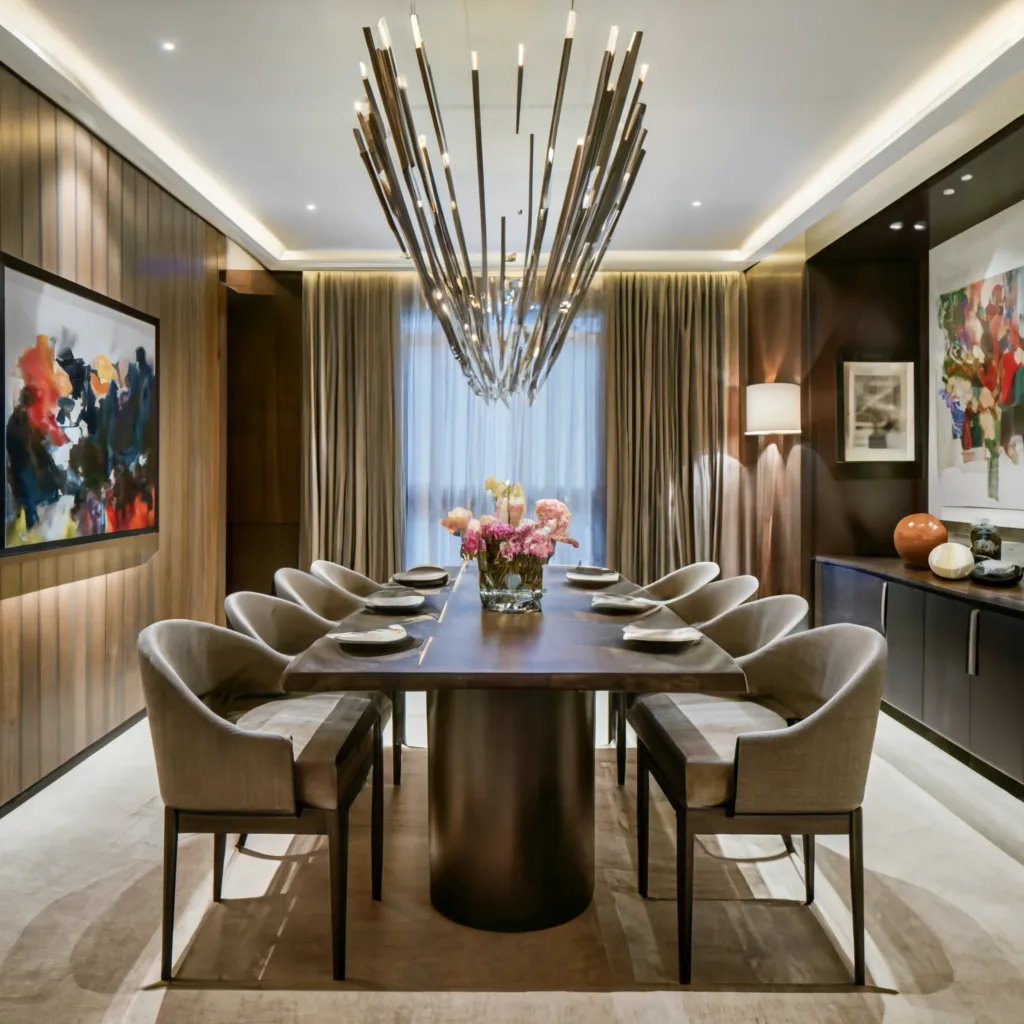
  • Clean Lines and Minimalism: Modern design favors clean lines, uncluttered spaces, and a focus on essential furniture pieces. This doesn’t equate to bareness – incorporate statement pieces and pops of color for visual interest.
  • Functionality First: Modern living rooms prioritize functionality. Choose furniture that serves multiple purposes, like ottomans with storage compartments or coffee tables with lift-top mechanisms. This allows you to maximize space utilization and reduce clutter.
  • Materiality: Modern design often incorporates natural materials like wood, metal, and glass, along with sleek finishes like chrome or polished concrete. These materials create a sense of sophistication and durability, aligning with the modern aesthetic.
  • Lighting for Ambiance: Lighting plays a crucial role in modern living spaces. Utilize layered lighting, incorporating ambient lighting (general overhead lighting), task lighting (focused lighting for specific activities like reading), and accent lighting (to highlight artwork or architectural features) to create a dynamic and inviting atmosphere. The right combination of lighting can set the mood and enhance the functionality of your modern living room.

Table 1: Core Design Principles for Modern Living Rooms

Principle Description Impact on Living Room
Clean Lines & Minimalism Focus on essential furniture pieces, uncluttered spaces Creates a sense of order, spaciousness, and visual appeal
Functionality First Furniture serves multiple purposes Maximizes space utilization, reduces clutter, enhances practicality
Materiality Emphasis on natural materials and sleek finishes Creates a sophisticated, durable, and modern aesthetic
Layered Lighting Combines ambient, task, and accent lighting Sets the mood, enhances functionality, creates a dynamic atmosphere

Inspiration Station: Fueling Your Modern Living Room Vision

Don’t underestimate the power of inspiration! Here are some resources to spark your creativity:

  • Online Resources: Websites like Pinterest (https://www.pinterest.com/), and design blogs offer a treasure trove of modern living room inspiration. Explore photos, mood boards, and articles to discover design elements that resonate with your taste. These online platforms allow you to browse a vast collection of ideas, curate your favorites, and develop your vision for your modern living room.
  • Interior Design Magazines: Flip through the pages of design magazines like Architectural Digest, Elle Decor, and Dwell for curated collections of modern living room ideas. These publications often showcase the latest trends and feature projects by renowned designers. Magazines provide high-quality visuals and in-depth articles that can inspire you and introduce you to new design concepts.
  • Showrooms and Furniture Stores: Visiting furniture stores and showrooms allows you to experience modern furniture and décor firsthand. Interact with different pieces, assess quality, and visualize how they might translate into your living space. Showrooms offer a valuable opportunity to see furniture in person, test its comfort and functionality, and get a sense of scale and proportion before making a purchase decision.

Elevate your quality of life with our expert interior design services

  • Specialization in Singaporean regulations and trends
  • Technology-driven design and execution
  • Focus on client experience and post-project support

TRUSTED BY 300+ BRANDS IN SINGAPORE

Impressed by their promptness and reliability throughout the entire renovation process! Alistair was our ID at Elpis and his promptness and reliability never fail to amaze us throughout the whole period of our renovation
Tan Susie

Translating Inspiration into Reality: Practical Steps for Your Modern Living Room

Now that you’re brimming with inspiration, let’s translate those ideas into a functional and stylish reality:

  • Space Planning: Before embarking on furniture shopping, measure your living space and create a basic layout. Consider the flow of traffic, designated areas for specific activities (e.g., relaxation, entertainment), and furniture placement that optimizes space utilization. Sketching a basic floor plan can help you visualize the layout and ensure everything fits comfortably within the space.
  • Furniture Selection: Focus on quality pieces that complement your modern aesthetic and prioritize functionality. Invest in timeless staples like a comfortable sofa, a sleek coffee table, and a functional entertainment center. When selecting furniture, consider factors like size, scale, material, and upholstery. Opt for pieces that are well-made and will stand the test of time.
  • Embrace Multifunctionality: Modern living spaces often require furniture that serves multiple purposes. Ottomans with built-in storage, coffee tables with hidden compartments, and modular furniture that adapts to different needs are valuable assets in a modern living room. These space-saving solutions allow you to maximize functionality without compromising on style.
  • Color Palette: Modern living rooms often favor neutral color palettes like white, grey, and beige. These neutral tones create a sense of spaciousness and serve as a perfect backdrop for statement pieces. However, don’t shy away from pops of color to add personality. Experiment with accent walls, artwork, or throw pillows to inject a touch of vibrancy. Consider the overall mood you want to create when choosing your color palette. A monochromatic scheme can feel sleek and sophisticated, while pops of color can add energy and personality.
  • Storage Solutions: Modern living rooms prioritize a clutter-free aesthetic. Invest in stylish storage solutions like cabinets, bookshelves, or ottomans with storage compartments to keep your space organized and visually appealing. Built-in shelving and cabinets can maximize vertical space utilization, while closed storage solutions help conceal clutter.
  • Décor and Accessories: The right décor and accessories can elevate your modern living room and personalize the space. However, avoid cluttering the space. Opt for statement pieces like a sculptural vase, a bold piece of artwork, or a statement rug to add visual interest. Greenery, throw blankets, and decorative pillows can add a touch of comfort and personality.
  • Textiles and Textures: Incorporating a variety of textures can add depth and visual interest to your modern living room. Mix and match textiles like wool, leather, linen, and cotton to create a layered effect. Consider using textured throw pillows, area rugs, or wall hangings to add a touch of dimension.

Beyond the Basics: Personalizing Your Modern Living Room

While the core design principles outlined above provide a solid foundation, creating a truly modern living room is about personalizing the space to reflect your unique style and needs. Here are some additional tips:

  • Incorporate Artwork and Personal Touches: Don’t be afraid to showcase your personality through artwork, photographs, or sentimental pieces. Hang artwork that speaks to you, display collections you’ve curated, or incorporate family photos to personalize your space.
  • Embrace Technology Seamlessly: Modern living spaces often integrate technology seamlessly. Consider concealed wiring solutions for entertainment systems, charging stations for mobile devices, or smart home features that enhance functionality and convenience.
  • Comfort is Key: While aesthetics are important, don’t forget about comfort. Choose furniture that is comfortable to relax in and encourages you to unwind in your living space. Invest in quality cushions and throws to add a touch of coziness.
  • Living with Plants: Plants can add a touch of life and vibrancy to your modern living room. Choose low-maintenance plants that thrive indoors and strategically place them to add a touch of greenery.
  • Sustainable Considerations: When selecting furniture and décor, consider sustainable options made from recycled materials or with eco-friendly practices. This aligns with the modern aesthetic’s focus on clean lines and a minimalist approach, while also promoting environmental responsibility.

Conclusion: Your Modern Living Room Awaits

Creating a modern living room is an exciting journey. By understanding the core design principles, seeking inspiration, and implementing practical tips, you can transform your living space into a stylish and functional haven that reflects your personality. Remember, the modern approach is all about creating a space that is both beautiful and livable – a place where you can relax, entertain, and unwind in style. With a little planning and creativity, you can turn your dream modern living room into a reality. Transforming your living room into a modern masterpiece is easier than ever with Elpis by your side. Our team of skilled designers is dedicated to bringing your vision to life, combining style and functionality to create a space that truly reflects your taste and lifestyle.


Popular Interior Design Styles for Your 3 Room BTO Flat: Transforming Your Space

Congratulations! You’ve secured your very own BTO flat in Singapore – a significant milestone and the beginning of exciting possibilities. Now comes the fun part – transforming your 3-room space into a stylish and functional haven that reflects your unique personality. Choosing the right interior design style is crucial, and with a 3-room layout, maximizing space becomes even more important. This guide explores popular design styles that are perfect for your 3-room BTO flat, offering inspiration and practical tips to create a dream space you’ll love.

Key Takeaways for Popular Interior Design Styles in 3 Room BTO Flats:

Style Description Benefits for Small Spaces
Modern Minimalist Clean lines, uncluttered spaces, and neutral color palettes.

pen_spark

Creates a sense of spaciousness and promotes a calm atmosphere.
Scandinavian Light, airy aesthetic with natural materials and pops of color. Brightens up the space and emphasizes functionality.
Japandi Fusion of Japanese and Scandinavian styles, focusing on clean lines and natural elements. Promotes serenity and maximizes functionality in a small space.
Multifunctional Utilizes furniture and design elements that serve multiple purposes. Saves space and promotes a clutter-free environment.


Understanding Popular Design Styles for Your 3 Room BTO Flat

Let’s delve into each of these popular design styles, exploring their suitability for your 3-room BTO flat:

  • Modern Minimalist:

Embrace clean lines, uncluttered spaces, and a neutral color palette (think white, gray, and black) with the modern minimalist style. This approach creates an illusion of spaciousness in your 3-room BTO flat. Furniture with simple silhouettes and sleek lines complements the minimalist aesthetic. Opt for storage ottomans, coffee tables with lift-top surfaces, and streamlined shelving to maximize functionality without visual clutter.

  • Scandinavian:

The Scandinavian style is all about light, airiness, and a touch of cozy comfort. Natural materials like wood and light-colored fabrics create a warm and inviting atmosphere, perfect for brightening up your 3-room BTO flat. Pops of color can be incorporated with throw pillows, artwork, or a statement rug. Scandinavian design emphasizes functionality, so look for furniture pieces that serve multiple purposes, like a sofa bed or a dining table with hidden storage compartments.

  • Japandi:

The Japandi style is a beautiful fusion of Japanese and Scandinavian aesthetics. Think clean lines, natural elements like wood and stone, and a focus on functionality. This style promotes a sense of serenity and calm, ideal for creating a tranquil haven in your 3-room BTO flat. Low-profile furniture, sliding doors for space division, and incorporating natural light through strategically placed windows are key features of Japandi design.

  • Multifunctional:

Living in a 3-room BTO flat can necessitate maximizing every square foot. The multifunctional design style is your friend here. Invest in furniture that serves multiple purposes. Consider a Murphy bed that folds into the wall when not in use, a dining table that converts into a workspace, or ottomans with hidden storage compartments. This approach saves valuable space and promotes a clutter-free environment.

Additional Considerations for Design Success in Your 3 Room BTO Flat

Now that you’ve explored popular design styles, here are some additional tips for transforming your 3-room BTO flat:

  • Space Optimization Tips:
    • Clever Storage Solutions: Utilize vertical space with floor-to-ceiling shelving, built-in cabinetry, and under-bed storage solutions.
    • Furniture Placement Strategies: Arrange furniture strategically to maximize flow and avoid blocking pathways. Consider furniture with rounded edges for smaller spaces.
    • Maximizing Natural Light: Utilize light-colored curtains or blinds to allow natural light to flood your flat. Strategically placed mirrors can also reflect light and create a sense of spaciousness.
  • Budget-Friendly Design:
    • Shop Around: Compare prices from various furniture stores and online retailers before making a purchase. Consider second-hand furniture stores or online marketplaces for unique finds.
    • DIY Projects (where appropriate): Get creative! Upcycle old furniture pieces or consider DIY projects like wall art or decorative throw pillows to personalize your space.
    • Prioritize Multifunctional Pieces: Invest in furniture that serves multiple purposes. This will maximize space and save you money in the long run.
    • Personalizing Your Space: While these design styles offer a framework, don’t be afraid to add your personal touch! Incorporate artwork, decorative pieces, and throws that reflect your unique style and personality. This will make your 3-room BTO flat feel like a true reflection of you.

Finding Inspiration and Resources for Your 3 Room BTO Flat

Feeling inspired to create your dream space? Here are some resources to help you get started:

  • Online Resources: Explore websites and blogs dedicated to Singaporean interior design, particularly those specializing in BTO flat design. Utilize platforms like Pinterest and Instagram to discover a wealth of user-generated content and design inspiration for 3-room BTO flats. Search for hashtags like #BTOinterior #Singaporeinteriordesign #3roomBTOdesign to find relevant content.
  • Showroom Visits: Visiting furniture stores and showrooms allows you to experience different design styles firsthand and get valuable space planning ideas. Interact with furniture pieces, assess their functionality, and visualize how they might fit into your 3-room BTO layout.
  • Consult with an Interior Designer (Optional): For a more personalized approach, consider consulting with a professional interior designer. An experienced designer can help you translate your vision into reality, taking into account your budget, space limitations, and desired design style.

Here are some additional resources for your 3-room BTO flat design journey:

  • Online communities for Singaporean homeowners: Connect with other BTO flat owners to share ideas, ask questions, and find support for navigating the design process.
  • E-commerce platforms for furniture and homeware: Explore online retailers offering a wide range of furniture and decor options suitable for BTO flats and various budgets.
  • Sustainable design resources: Consider incorporating eco-friendly elements into your BTO flat design, minimizing your environmental impact while creating a stylish and functional space.

Conclusion

Your 3-room BTO flat has the potential to be a stylish and functional haven that reflects your unique personality. By exploring popular interior design styles for 3 Room BTO like modern minimalist, Scandinavian, Japandi, and multifunctional, you can create a space that maximizes functionality, promotes a sense of calm, and feels truly your own. Embrace your creativity, utilize space-saving solutions, and personalize your design choices. With a little planning and inspiration, your 3-room BTO flat can become your dream home.

Elevate your quality of life with our expert interior design services

  • Specialization in Singaporean regulations and trends
  • Technology-driven design and execution
  • Focus on client experience and post-project support

TRUSTED BY 300+ BRANDS IN SINGAPORE

Impressed by their promptness and reliability throughout the entire renovation process! Alistair was our ID at Elpis and his promptness and reliability never fail to amaze us throughout the whole period of our renovation
Tan Susie

Ready to transform your 3-room BTO flat into a stylish and functional haven? Hire Elpis to bring your vision to life! With our expertise in popular interior design styles for 3 Room BTO, we can create a space that reflects your personality and meets your lifestyle needs. At Elpis, we specialize in turning ordinary spaces into extraordinary homes. Whether you’re drawn to the sleek lines of modern design, the cozy charm of Scandinavian style, or the timeless elegance of a minimalist approach, our team will tailor the design to your preferences. We focus on maximizing space, enhancing functionality, and incorporating elements that make your home truly unique.


Contemporary Bedroom Design

Contemporary bedroom design is a fusion of sleek aesthetics, functional elements, and minimalist principles, creating a space that is both visually appealing and conducive to relaxation. In this guide, we’ll explore the essential elements and practical tips for crafting a contemporary bedroom that exudes modern elegance and tranquility.

Elevate your quality of life with our expert interior design services

  • Specialization in Singaporean regulations and trends
  • Technology-driven design and execution
  • Focus on client experience and post-project support

TRUSTED BY 300+ BRANDS IN SINGAPORE

Impressed by their promptness and reliability throughout the entire renovation process! Alistair was our ID at Elpis and his promptness and reliability never fail to amaze us throughout the whole period of our renovation
Tan Susie

Key Elements of Contemporary Bedroom Design

  1. Clean Lines and Minimalism

At the heart of contemporary bedroom design lies simplicity and sophistication. Clean lines and minimalist aesthetics define the space, with furniture featuring sleek silhouettes and uncluttered surfaces. Embrace simplicity by opting for streamlined bed frames, dressers, and nightstands that contribute to a sense of serenity and spaciousness.

  1. Neutral Color Palette

A neutral color palette serves as the foundation of contemporary bedroom design, creating a tranquil atmosphere conducive to relaxation. Shades of white, beige, gray, and taupe dominate the space, allowing for versatility in styling and accenting. Introduce subtle pops of color through accessories or artwork to add visual interest without overwhelming the serene ambiance.

  1. Functional and Stylish Furniture

Functional furniture is key in contemporary bedroom design, where form meets function seamlessly. Choose pieces that prioritize both comfort and style, such as platform beds with built-in storage or nightstands with integrated charging stations. Invest in quality furnishings that enhance the overall aesthetic while providing practicality and durability.

  1. Textural Accents

Texture plays a vital role in contemporary bedroom design, adding depth and visual interest to the space. Incorporate a variety of textures through bedding, area rugs, and accent pillows to create a cozy and inviting ambiance. Mix materials like wood, metal, and fabric to introduce warmth and dimension, enhancing the tactile experience of the room.

  1. Statement Lighting

Statement lighting fixtures serve as focal points in contemporary bedroom design, infusing the space with drama and sophistication. Choose modern fixtures with clean lines and geometric shapes to complement the minimalist aesthetic. Layer lighting sources to create ambiance, combining overhead fixtures with task lighting and accent lights to achieve a balanced and inviting atmosphere.

Practical Tips for Contemporary Bedroom Design

  • Maximize Space: Optimize space in your simple bedrooom design by selecting furniture with built-in storage solutions and utilizing vertical space effectively. Keep the floor clutter-free to maintain a sense of openness and tranquility.
  • Prioritize Comfort: Invest in a high-quality mattress and bedding to ensure a restful night’s sleep. Choose soft, luxurious linens and pillows that enhance comfort and relaxation.
  • Create a Serene Ambiance: Enhance the ambiance of your bedroom with calming decor elements and soothing color schemes. Incorporate elements of nature, such as indoor plants or natural materials, to promote a sense of tranquility.
  • Personalize with Accessories: Add personality to your contemporary bedroom with carefully curated accessories and artwork. Choose pieces that reflect your unique style and interests, adding personality and warmth to the space.
  • Maintain Simplicity: Embrace minimalism by decluttering regularly and keeping decorative elements to a minimum. Opt for quality over quantity when selecting furnishings and accessories, prioritizing pieces that enhance the overall aesthetic without overwhelming the space.

Data Table: Average Costs for Contemporary Bedroom Upgrades

Upgrade Area Average Cost (USD)
Bed and Mattress $800 – $3,000
Bedding and Linens $200 – $800
Lighting Fixtures $100 – $500
Furniture $500 – $3,000
Flooring $1,000 – $5,000
Window Treatments $200 – $1,000
Decor and Accessories $100 – $500

Conclusion

Contemporary bedroom design offers a harmonious blend of modern aesthetics and functional elegance, creating a tranquil retreat that promotes relaxation and rejuvenation. By incorporating clean lines, neutral colors, functional furniture, textural accents, and statement lighting, you can design a contemporary bedroom that reflects your personal style and enhances your well-being. Whether you’re starting from scratch or refreshing your existing space, these key elements, practical tips, and cost considerations will guide you towards creating a modern haven where style meets serenity.


Elevate your quality of life with our expert interior design services

  • Specialization in Singaporean regulations and trends
  • Technology-driven design and execution
  • Focus on client experience and post-project support

TRUSTED BY 300+ BRANDS IN SINGAPORE

Impressed by their promptness and reliability throughout the entire renovation process! Alistair was our ID at Elpis and his promptness and reliability never fail to amaze us throughout the whole period of our renovation
Tan Susie