fbcode

Industrial Interiors: Style Ideas for Urban Homes

Does the raw charm of industrial interiors catch your eye, but you’re worried it might feel too cold or uninviting for your home?
You’re not alone.

Many homeowners in Singapore love the edgy, urban vibe of the industrial design style, yet struggle to balance its raw appeal with the warmth needed for a cozy home.
It’s a delicate mix—exposed pipes and concrete paired with soft textures and natural light.

The good news? Achieving this balance isn’t as hard as it seems.
This guide will walk you through practical tips, cost estimates, and inspiration to bring the perfect industrial interior design to your urban home.

Design a Home That Hugs You Back

More than walls and furniture — it’s where your kids grow up, where laughter echoes. Let’s plan a space that feels like home. Talk to our designers today.

Elpis interior Design polaroid

Our Partners

What is Industrial Interior Design?

At its core, industrial interior design is about celebrating materials in their raw, unpolished state. Think exposed pipes running across the ceiling, concrete walls that make a bold statement, and sleek metal finishes that add a modern edge. This isn’t about perfection; it’s about embracing the beauty of imperfection, where every element tells a story.

In Singapore homes, this style is particularly popular for HDB flats and loft apartments, where limited square footage can benefit from the open, spacious feel that industrial design often creates. By keeping the structure visible and avoiding unnecessary ornamentation, the focus shifts to functionality while maintaining a distinctly urban vibe.


Key Features of Industrial Design in Singapore Homes

  1. Exposed Structural Elements
    Forget hiding pipes and beams—industrial design makes them a highlight. Exposed ductwork, steel beams, and visible electrical conduits become decorative features that add a raw, architectural appeal. This not only saves on renovation costs but also injects character into your space.
  2. Neutral Colour Palettes
    The palette leans toward muted tones like greys, blacks, and whites, complemented by earthy hues like rust and wood. This restrained color scheme sets the stage for creating depth with textures and materials. In a city like Singapore, where minimalism often pairs with functionality, these tones work well to create a timeless look.
  3. Raw Materials
    Wood, concrete, and metal are the stars of this show. Reclaimed wood furniture or concrete kitchen countertops add authenticity, while sleek metal accents lend a modern touch. Singaporeans often blend these materials with local elements, like Peranakan tiles or bamboo, to infuse a cultural twist into the design.
  4. Functional Furniture
    Furniture in industrial interiors is practical yet stylish. Think open shelving with metal brackets, sturdy dining tables made from solid wood, or leather sofas with a weathered finish. Multi-functional pieces are particularly useful in compact Singapore homes, where smart storage solutions are essential.

The Charm of Industrial Interiors in Singapore

What makes industrial interior design so appealing in Singapore is its adaptability. While the style draws heavily from its gritty, warehouse-inspired origins, it can be layered with softer textures and warmer lighting to create a space that feels inviting. This balance is key for city living, where homes should be as comfortable as they are stylish.

Whether you’re planning a complete renovation or just looking to refresh your space, industrial interior design offers endless possibilities. It’s a style that celebrates the beauty of what’s often hidden and turns it into something remarkable, combining the rugged with the refined to create a space that’s uniquely yours. How will you make this timeless aesthetic your own?


How to Create a Cozy Industrial Interior Design in Singapore

Industrial interior design often conjures images of raw materials, open spaces, and urban vibes, but it doesn’t have to feel cold or uninviting. With a few thoughtful touches, you can transform an industrial-themed space into a cozy haven right here in Singapore, where functionality and style go hand in hand.

Let’s start with the walls, as they form the foundation of any great industrial interior. If you’re aiming for an authentic look, exposed brick walls are a classic choice. They instantly add texture and a vintage charm to your space, making it feel grounded and warm. However, in many Singaporean homes, especially HDB flats, exposing real bricks might not be practical or permitted. Don’t worry—faux brick panels are a fantastic alternative that achieves the same aesthetic without structural complications.

For a more modern twist, consider concrete finishes. Whether polished for a sleek and smooth look or left matte for a rugged, raw appeal, concrete walls can introduce depth and sophistication. These finishes are especially popular in Singapore’s contemporary industrial designs, where the balance between form and function is key. Concrete also pairs beautifully with other materials like wood or metal, giving you plenty of room to experiment.

Creating a cozy industrial interior design is about finding the perfect mix of raw materials and inviting details. With the right wall treatments, your space will exude character while feeling uniquely yours—perfect for urban living in Singapore.

Wall Material Advantages Cost (SGD)
Exposed Brick Timeless, rustic aesthetic $20 – $40 per sq ft
Faux Brick Panels Affordable, lightweight $15 – $25 per sq ft
Concrete Finishes Durable, minimalist $15 – $30 per sq ft


2. Choose Furniture That Blends Style and Function

When it comes to industrial interior design, choosing the right furniture is key to achieving that raw, stylish aesthetic while keeping your space functional—especially in compact Singaporean homes. Start with the classics: furniture crafted from metal and wood. Imagine a reclaimed wood dining table paired with steel-framed chairs; it’s a timeless combination that perfectly captures the industrial vibe. These materials not only add character but also bring durability, a must-have in any home that values both form and function.

For those navigating smaller HDB flats or apartments, multi-functional furniture can be a game-changer. Look for pieces with built-in storage, like a sleek coffee table that doubles as a storage chest or a bed frame with hidden compartments. These designs not only complement the industrial aesthetic but also make the most of your limited space—an essential consideration for urban living in Singapore. Thoughtfully selected furniture doesn’t just elevate the look of your space; it ensures your industrial interior is as practical as it is stunning.


Furniture Type Features Cost Range (SGD)
Dining Tables Wooden tops with metal legs $500 – $2,000
Open Shelving Units Steel frames with wooden shelves $150 – $800
Storage Ottomans Upholstered with hidden compartments $150 – $300


3. Light Tips for Industrial Interior Design in Singapore

Lighting plays a pivotal role in shaping the atmosphere of industrial interior design, especially in Singapore, where space optimization and style go hand in hand. A well-thought-out lighting plan doesn’t just illuminate your home; it enhances the raw, edgy charm that defines industrial interiors. Whether you’re highlighting exposed brick walls or showcasing sleek metal fixtures, the right lighting can transform your space into a modern masterpiece.

Edison bulbs are a quintessential choice for industrial interior design. Their warm, vintage glow instantly creates a cozy, nostalgic vibe, making them perfect for living areas or even bedrooms. Pairing these bulbs with black metal or copper fixtures enhances their aesthetic appeal, tying in seamlessly with the industrial theme.

For functional yet stylish lighting, pendant lights are a go-to option. Hang them over dining tables or kitchen islands to define these spaces while maintaining the open-concept feel that industrial interiors are known for. Opt for fixtures with exposed bulbs or metallic finishes to stay true to the rugged, industrial aesthetic.

Track lighting is another versatile choice, especially in Singaporean homes where space is often limited. This type of lighting allows you to direct light to specific features like a rustic brick wall, a gallery of art pieces, or even your industrial-style furniture. It’s an excellent way to highlight architectural details while keeping the overall design cohesive and modern.

By thoughtfully incorporating these lighting elements, you not only enhance the visual appeal of your industrial interior design but also create a space that feels both stylish and practical, perfectly suited to Singapore’s urban lifestyle.

Lighting Type Style Cost Range (SGD)
Edison Bulbs Warm, vintage glow $50 – $150 per fixture
Pendant Lights Industrial aesthetic $100 – $300 per fixture
Track Lighting Sleek, flexible $150 – $500 per setup

Design a Home That Hugs You Back

More than walls and furniture — it’s where your kids grow up, where laughter echoes. Let’s plan a space that feels like home. Talk to our designers today.

Elpis interior Design polaroid

Our Partners


Balancing Raw Appeal with Warmth

Industrial interior design is all about striking that perfect balance between raw, unfinished charm and inviting warmth. In Singapore, where space is often at a premium, mastering this style requires a thoughtful approach to avoid a cold or overly harsh look. Let’s explore how to soften the edges while staying true to the industrial aesthetic.

One of the easiest ways to add warmth to an industrial space is through textures. Start with neutral-toned rugs or geometric-patterned ones to break up the cool, hard surfaces of concrete floors or metal finishes. For your seating areas, incorporate soft, inviting materials like velvet or wool throws and cushions. These not only add tactile comfort but also introduce layers that make the space feel more lived-in and welcoming.

Bringing greenery into an industrial-themed home is another great way to soften its rugged edges. Plants such as Monsteras, Snake Plants, and Fiddle Leaf Figs thrive indoors and create a striking contrast to the starkness of raw materials. For a cohesive look, use planters with modern finishes—think black, grey, or metallic tones that align seamlessly with the industrial palette.

Finally, blending in warm materials like reclaimed wood, leather, and natural fibers is key to achieving a balanced industrial interior design. Opt for a reclaimed wood dining table or leather armchairs that add character and depth. Accentuate these pieces with natural elements like woven baskets or jute rugs, which enhance the coziness without detracting from the style’s urban edge.

In Singapore’s urban homes, industrial interior design is not just about creating a bold statement—it’s about crafting a space that feels functional yet inviting. By combining raw materials with soft textures, greenery, and warm accents, you can achieve a space that’s stylish, cozy, and uniquely yours.


Rustic vs. Industrial: Understanding the Difference

Industrial interior design has been making waves in Singapore, especially among homeowners who appreciate its urban, edgy appeal. While it shares some similarities with rustic design, the two styles bring unique elements to the table, making them stand out in distinct ways. Understanding these differences—and how to combine them—can help you create a space that feels both contemporary and cozy.

Rustic design is all about embracing the charm of nature. It features materials like reclaimed wood, stone, and other earthy textures to evoke a warm, vintage atmosphere. Think weathered wooden beams, textured brick walls, and a palette of soft, natural tones that make any space feel inviting.

On the other hand, industrial interior design is sleek, modern, and unapologetically urban. It highlights raw materials such as concrete, exposed metal, and steel, often paired with neutral colors like greys, blacks, and whites. Originating from repurposed warehouses and factories, this style leans into functionality while celebrating the beauty of unfinished surfaces.

But what happens when you merge these two styles?

You get a space that’s both edgy and warm, perfect for Singapore’s modern homes. Imagine a reclaimed wooden dining table paired with industrial pendant lighting. Or consider a soft, textured rug in muted earthy tones complementing a sleek, concrete coffee table. Adding textiles like linen or wool in rustic hues can soften the industrial look, creating a balance that feels dynamic yet harmonious.

For Singapore homeowners, combining rustic and industrial styles isn’t just about aesthetics; it’s also a clever way to optimize space. Industrial elements like open shelving and multi-functional furniture bring practicality to compact apartments, while rustic touches ensure your home doesn’t lose its cozy vibe. Whether you’re renovating an HDB flat or designing a new condo, understanding how to blend these styles can help you create a home that’s both stylish and functional.


How to Bring Industrial Interior Design to Small Spaces in Singapore

Living in a compact HDB flat doesn’t mean you have to compromise on style. Industrial interior design, with its raw textures and edgy charm, can work wonders even in small spaces. With thoughtful planning and clever design tricks, you can create a stunning industrial look that feels spacious and functional, tailored perfectly for Singaporean homes.

One of the easiest ways to make an industrial interior design work in a small flat is by using mirrors strategically. Mirrors not only reflect light but also create the illusion of a larger room. Consider placing a large mirror with a black metal frame—a hallmark of industrial style—on one wall. This adds depth while staying true to the aesthetic.

Another essential tip is to embrace open layouts. Industrial interior design thrives on simplicity and functionality, so avoid bulky furniture that can overwhelm the space. Instead, opt for streamlined, multipurpose furniture like a sleek dining table that doubles as a workspace. Open shelving with metal brackets is another great option—it saves floor space while giving you a platform to showcase industrial elements like exposed pipes or brick textures.

When it comes to color palettes, neutral tones are your best friend. Light greys, whites, and muted shades create an airy feel, which is crucial in a smaller space. Pair these with darker accents, like a black pendant light or a steel-framed coffee table, to maintain the industrial vibe without making the room feel cramped. Adding a pop of greenery or warm lighting can also soften the look and make it more inviting.

Finally, don’t shy away from industrial staples like exposed materials. Concrete walls, metal fixtures, and wood elements are iconic in industrial interior design and can easily be adapted to small spaces. For example, a feature wall with faux concrete wallpaper can mimic the industrial look without the commitment of actual concrete. Pair it with polished concrete or light wood flooring for a cohesive and stylish finish.

Creating an industrial-inspired home in a compact HDB flat is all about balance and creativity. By incorporating these expert tips and tailoring the design to your needs, you can enjoy the edgy sophistication of industrial interior design, even in the heart of Singapore’s bustling cityscape. What unique touches would you add to make the space your own?


Cost Breakdown for an Industrial Makeover

Element Materials/Features Cost Range (SGD)
Walls Exposed brick, faux panels, concrete $15 – $40 per sq ft
Furniture Metal and wood combinations $150 – $2,000
Lighting Edison bulbs, pendant lights, track $50 – $500 per fixture
Textiles Rugs, cushions, throws $50 – $300


Why Choose Elpis Interior for Your Industrial Design?

At Elpis Interior, we understand the art of blending the edgy appeal of industrial design with the warmth and comfort of a home.
Our renovation services bring together raw materials, functional layouts, and cozy details to create spaces that truly reflect your personality.

What Sets Us Apart?

  • Expertise in designing urban-inspired interiors for Singaporean homes.
  • Tailored solutions to fit your style, space, and budget.
  • End-to-end services, from concept to execution.

“We are always here for you to do whatever you need.”

Which Industrial Element Will You Start With?

Picture your home with exposed brick walls, sleek lighting, and cozy textures.
What’s the first piece of industrial charm you’ll add to your space?
  • Upload floor plan (if any)
  •  

Bring Life Indoors: Using Plants in Interior Design

Your home is more than just a place to live; it’s where memories are made, and the atmosphere should reflect warmth and vitality.
Have you ever considered how adding plants to your interior design can transform your space?

In Singapore’s tropical climate, though, maintaining plants indoors can be tricky.
You might worry about picking the right types, keeping them alive, or arranging them so they enhance your home’s aesthetic without feeling cluttered.

But here’s the good news: with a little guidance, incorporating indoor plants into your design can be simple, stylish, and rewarding.
In this guide, I’ll show you how to choose plants that thrive indoors, use them to elevate your decor, and keep them looking their best.

Design a Home That Hugs You Back

More than walls and furniture — it’s where your kids grow up, where laughter echoes. Let’s plan a space that feels like home. Talk to our designers today.

Elpis interior Design polaroid

Our Partners

Why You Should Add Plants to Your Home Design

Let’s talk about something simple yet transformative for your home—plants. They’re not just pretty things to look at; they bring life, energy, and a little bit of magic to any space.


How Plants Make a Difference in Your Home

Cleaner, Fresher Air
Did you know plants like Peace Lilies and Spider Plants are natural air purifiers? They quietly work to remove toxins like formaldehyde and benzene, leaving your home with fresher, healthier air. It’s like having your personal eco-friendly air filter.

A Natural Stress Buster
Feeling stressed or struggling to focus? Surrounding yourself with greenery can help. Studies show that plants can reduce stress, lift your mood, and even improve concentration. In a busy city like Singapore, isn’t that exactly what we all need?

A Style Booster for Any Room
Plants are like that perfect accessory that completes your outfit. Whether your vibe is sleek and minimalistic or bold and eclectic, they add texture, color, and depth to your space. Plus, they make every room feel a little more alive.


Indoor Plants That Love Singapore’s Climate

Let’s face it—picking the right plants can feel overwhelming, but it doesn’t have to be. Living in Singapore’s humid climate can actually work in your favor, as long as you choose plants that thrive in this environment. Here’s a simple guide to help you get started.

If you’re new to plant care or just don’t have much time, low-maintenance options are your best bet. The Snake Plant, also known as Sansevieria, is practically a superhero of the plant world. It needs minimal watering, tolerates low light, and is almost impossible to kill. Another favorite is the ZZ Plant, which is equally resilient and perfect for low-light corners. And for a touch of greenery that flows beautifully, Pothos is an excellent choice with its cascading vines that grow in just about any condition. These plants are budget-friendly too, ranging from $15 to $50.

Now, if you’re looking to freshen up your air while adding some visual appeal, air-purifying plants are the way to go. The Peace Lily is not only gorgeous with its elegant white blooms but also a natural toxin remover. Another great pick is the Spider Plant, known for its easy care and adorable “baby plants” that you can propagate to grow more greenery. These plants are slightly pricier, with a range of $20 to $60, but they’re worth every penny for the dual benefits of beauty and better air quality.


Statement Plants

If you’re looking to make a bold statement in your home, statement plants are the way to go. Imagine a Fiddle Leaf Fig standing tall in the corner of your living room, effortlessly elevating your modern interior. Or picture the iconic split leaves of a Monstera, adding a touch of tropical charm to your space. For something truly dramatic, the Elephant Ear Plant, with its oversized leaves, can steal the show as a stunning focal point. These show-stopping plants come with a price range of $50 to $150, making them a worthwhile investment for anyone wanting to bring both personality and greenery into their home.

Plant Type Examples Price Range (SGD)
Low-Maintenance Snake Plant, ZZ Plant $15 – $50
Air-Purifying Peace Lily, Spider Plant $20 – $60
Statement Plants Fiddle Leaf Fig, Monstera $50 – $150


Creative Ways to Incorporate Plants into Your Interior Design

Looking to liven up your space but worried about floor space or budget? Incorporating plants into your interior design can be surprisingly easy and affordable. One creative option is a vertical garden—perfect for compact homes or HDB flats where every inch counts. Imagine a lush, green living wall that not only saves space but also acts as a stunning focal point. Modular planters or wall-mounted systems make it simple to create your vertical masterpiece, with costs typically ranging from $100 to $300, depending on the setup.

For a more understated touch, consider adding tabletop greens. These are ideal for desks, coffee tables, or shelves, bringing a refreshing pop of life to your everyday spaces. Think succulents, cacti, or even tiny terrariums—low-maintenance and charming. Even better, they’re budget-friendly, usually costing between $10 and $30 per plant. Whether you go big with a vertical garden or keep it simple with a few tabletop accents, plants are a foolproof way to brighten your home and your mood.


Floor Plants and Hanging planters

When it comes to adding plants to your home, the options are endless, but let’s focus on two crowd favorites—floor plants and hanging planters. Floor plants, like the ever-popular Rubber Trees or dramatic Monsteras, are perfect for anchoring a bare corner or making a bold statement in your living room. They bring a sense of height and fullness to your space, and depending on their size and type, you’re looking at spending anywhere between $50 to $200.

Now, if you’re after something a bit more playful, hanging planters might be your go-to. They add visual interest and create depth, especially when you go for cascading beauties like Boston Ferns or Strings of Pearls. The best part? You can get started with hanging planters for as little as $20, making them a budget-friendly way to elevate your decor. Whether you go big with a floor plant or keep it light and airy with a hanging one, both options bring a fresh, inviting vibe to your space.

Design a Home That Hugs You Back

More than walls and furniture — it’s where your kids grow up, where laughter echoes. Let’s plan a space that feels like home. Talk to our designers today.

Elpis interior Design polaroid

Our Partners


Placement Tips for Maximum Impact

When it comes to placing plants in your home, it’s all about finding the right spot to let them thrive and shine. For light-loving plants like the Fiddle Leaf Fig, try placing them near windows where they can soak up the sun. On the other hand, if you have darker corners in your home, plants like the Snake Plant or ZZ Plant will do great there since they thrive in low light.

To really make your space pop, try grouping plants of different sizes and textures. Imagine a tall Monstera paired with a trailing Pothos and a small succulent on a tabletop—it adds layers of visual interest and makes your home feel more dynamic. And don’t forget about the planters! Stylish ceramic pots, woven baskets, or even sleek metal stands can elevate the whole look of your plants, matching your interior style perfectly. The good news? Planters come in a range of prices, from as low as $20 to around $100, so you can find something that suits your budget and aesthetic.


Caring for Indoor Plants in Singapore

Taking care of indoor plants isn’t as tricky as it sounds—it’s all about finding the right balance. Most plants are pretty low-maintenance when it comes to watering; a once-a-week schedule usually does the trick. Just be careful not to overdo it, as too much water can lead to root rot, and nobody wants a sad, soggy plant.

If you’ve got tropical plants, you’re in luck because Singapore’s natural humidity is their happy place. To keep them thriving, you can add a little extra care by misting them occasionally or using a humidity tray to recreate their natural environment. It’s a small effort for a big payoff in lush greenery.

When it comes to feeding your plants, they’re not too demanding either. A balanced liquid fertiliser every 4-6 weeks is enough to keep them growing strong. You don’t need to break the bank either—fertilisers typically cost between $10 to $30 per bottle, so it’s a budget-friendly way to keep your plant babies happy and healthy.


Care Tool Estimated Cost (SGD) Purpose
Watering Cans $10 – $30 Keeps plants hydrated.
Misters $15 – $25 Ideal for maintaining humidity.
Fertiliser $10 – $30 Provides essential nutrients.
Humidity Trays $20 – $50 Enhances moisture for tropical plants.

Cost Breakdown for Plant Integration

Item Estimated Cost (SGD) Notes
Small Indoor Plants $10 – $30 Great for desks, shelves, or small spaces.
Hanging Planters $20 – $100 Adds visual interest and saves space.
Vertical Planter Systems $100 – $300 Ideal for compact spaces or feature walls.
Large Floor Plants $50 – $150 Perfect for larger rooms or as focal points.


Why Choose Elpis Interior for Plant-Integrated Designs

At Elpis Interior, we believe plants bring more than just beauty—they bring life to your home.
Our renovation services offer custom plant integration to enhance your interiors while keeping them functional and low-maintenance.

What Sets Us Apart

  • Expert advice on selecting plants that thrive in Singapore’s climate.
  • Creative placement ideas tailored to your home’s style.
  • Affordable solutions that balance aesthetics with practicality.

“We are always here for you to do whatever you need.”

What Will Be Your First Step Toward a Greener Home?

Imagine walking into a home filled with vibrant greenery and fresh air.
Which plant will you start with to bring life indoors?

  • Upload floor plan (if any)
  •  

15 HDB Toilet Design Ideas to Elevate Your Bathroom in Singapore

Renovating an HDB toilet in Singapore can feel like solving a puzzle. Space is often limited, and finding the right balance between style and functionality is no small feat. Yet, with the right toilet renovation ideas, even the smallest spaces can be transformed into elegant, practical, and enjoyable areas.

If you’re searching for inspiration to upgrade your bathroom or need guidance on choosing the best toilet renovation services, this article is here to help. At Elpis, I believe that every renovation project is an opportunity to create something unique—whether you’re aiming for a minimalist retreat or a bold, modern look. Let’s explore 15 practical and stylish ideas to take your HDB toilet to the next level.

Design a Home That Hugs You Back

More than walls and furniture — it’s where your kids grow up, where laughter echoes. Let’s plan a space that feels like home. Talk to our designers today.

Elpis interior Design polaroid

Our Partners

Understanding the Challenges of HDB Toilets

Singaporean HDB toilets often come with unique challenges: limited floor space, ventilation constraints, and the need to adhere to HDB guidelines. These challenges make creative and functional toilet renovation ideas essential. The goal is to maximize every inch while creating a cohesive design that fits your lifestyle.

Whether it’s improving storage, adding a touch of luxury, or incorporating modern conveniences, the right bathroom renovation approach can make all the difference.

15 Toilet Renovation Ideas to Elevate Your Bathroom

1. Floating Vanities for Extra Floor Space

Floating vanities are a fantastic way to create the illusion of more space in your HDB bathroom. By mounting the vanity on the wall, you free up the floor area, giving the room a more open and modern feel. These vanities come in various sizes and styles, allowing you to choose one that fits perfectly with your overall design.

For added functionality, opt for a floating vanity with built-in drawers or shelves. This ensures you have ample storage for toiletries, towels, and other essentials without sacrificing style. To further enhance the illusion of space, choose a vanity with a light-colored or reflective surface.

2. Frameless Glass Shower Partitions

Frameless glass partitions are an elegant solution for separating wet and dry areas in your bathroom. Unlike traditional shower curtains or bulky framed partitions, frameless glass offers a sleek, minimalistic look that doesn’t obstruct the room’s visual flow.

These partitions are made from durable tempered glass, ensuring safety while being easy to clean and maintain. By keeping the shower area contained, you also reduce water splashing into the dry zones, which helps keep your bathroom clean and tidy. Pair this with a rain showerhead for a luxurious spa-like experience.

3. Large Mirrors to Open Up the Space

A strategically placed large mirror can work wonders in a small bathroom. Mirrors reflect light and make the room appear brighter and more spacious. For maximum effect, choose a frameless design that blends seamlessly into the wall or opt for a mirror with integrated LED lighting for added functionality.

Consider installing a full-wall mirror behind the vanity to double the visual impact. Mirrors with built-in cabinets are another great choice, combining style and practicality by offering hidden storage for toiletries and medications.

4. Vertical Storage Solutions

When you’re working with limited floor space, vertical storage becomes essential. Wall-mounted cabinets, open shelving, or ladder-style racks are excellent options for maximizing unused wall space.

For a cohesive look, match the materials and finishes of your storage units with the rest of your bathroom decor. Glass shelves or metallic racks add a modern touch, while wooden finishes create warmth. Consider using stackable bins or baskets for organizing smaller items like soaps, shampoos, and cleaning supplies.

5. Neutral Tones with Accent Tiles

Neutral tones like whites, greys, and beiges are timeless and create a clean, open look in your bathroom. They’re particularly effective in smaller spaces, as they reflect light and make the room feel larger.

Add character to your bathroom by incorporating accent tiles in bold colors or patterns. Use these tiles sparingly, such as on a feature wall or as a backsplash behind the sink. Hexagonal tiles or mosaic designs are popular choices for creating a focal point without overwhelming the space.

6. Smart Toilets and Fixtures

Upgrade your bathroom with smart fixtures to add a touch of modernity and convenience. Smart toilets offer features like automated flushing, heated seats, and bidet functions. These not only enhance comfort but also promote water efficiency, making them a sustainable choice.

Complement your smart toilet with motion-sensor faucets and LED-lit showerheads. These fixtures are not only eco-friendly but also add a futuristic vibe to your bathroom renovation.

7. Compact Fixtures for Small Bathrooms

Slim-profile fixtures are a must for small bathrooms. Wall-mounted sinks save valuable floor space, while narrow bathtubs or corner showers are perfect for compact layouts.

For toilets, opt for wall-hung WCs with concealed cisterns to create a clean and uncluttered look. These fixtures also make cleaning easier, as there are fewer hard-to-reach areas.

8. Built-In Niches for Shower Essentials

Say goodbye to clunky shower caddies with built-in niches. These recessed shelves provide a sleek, functional storage solution for holding shampoos, soaps, and other toiletries.

Built-in niches can be customized to fit your design preferences. Add a pop of color with contrasting tiles or keep it subtle with a seamless finish. Place the niche at an ergonomic height to ensure easy access while showering.

9. Dual-Purpose Furniture for Added Utility

Incorporate furniture that serves multiple purposes to make the most of your bathroom space. A storage bench can double as seating, while a foldable stool can be tucked away when not in use.

Look for pieces with waterproof finishes to ensure durability in a wet environment. These versatile additions keep your bathroom functional and stylish while saving space.

10. Wall-Mounted Accessories for Efficiency

Wall-mounted accessories like towel bars, soap dispensers, and toothbrush holders keep your countertops clear and organized. These small details can make a big difference in maintaining a clutter-free bathroom.

Choose accessories in matching finishes to create a cohesive look. Chrome or matte black finishes add a modern edge, while brushed gold or bronze lend a touch of elegance.

11. Textured Flooring for Safety and Style

Non-slip textured tiles are a practical and stylish choice for bathroom flooring. Patterns like herringbone, hexagonal, or pebble-textured tiles add visual interest while enhancing safety.

For a cohesive design, choose tiles that complement your wall colors. Lighter tones can make the room feel larger, while darker tiles add a dramatic contrast.

12. Green Elements for a Fresh Look

Adding greenery to your bathroom instantly elevates the space. Choose plants that thrive in high-humidity environments, such as ferns, pothos, or peace lilies.

For small bathrooms, opt for vertical gardens or hanging planters to save counter space. Greenery not only purifies the air but also adds a relaxing, spa-like vibe to your toilet renovation.

13. Hidden Lighting for Ambience

Cove lighting or LED strips under vanities and cabinets create soft, ambient lighting that enhances the overall atmosphere of your bathroom. These lights are energy-efficient and add a touch of luxury.

Pair hidden lighting with dimmer switches to adjust the brightness according to your mood. It’s an easy way to make your bathroom feel warm and inviting.

14. Compact Laundry Area Integration

For HDB homes, combining your bathroom with a laundry area is a practical solution. Install a compact washer-dryer unit under a countertop or inside a cabinet to keep it out of sight.

Add a folding countertop above the unit for sorting laundry or use the space for extra storage. This integration helps you make the most of your limited square footage.

15. Minimalist Accessories for a Sleek Finish

When it comes to bathroom decor, less is more. Choose minimalist hardware and fittings with clean lines and subtle finishes.

Opt for frameless mirrors, simple towel bars, and understated soap dispensers to create a cohesive, uncluttered look. These small details enhance the overall design without overwhelming the space.

By incorporating these 15 toilet renovation ideas, you can transform your HDB bathroom into a functional, stylish, and inviting space tailored to your needs.

Maximizing Style and Functionality with Elpis

Renovating your HDB toilet doesn’t have to be overwhelming. At Elpis, I specialize in creating affordable, personalized designs that optimize small spaces. Whether it’s integrating storage solutions, choosing the perfect fixtures, or crafting a design that reflects your style, my goal is to make your toilet renovation stress-free and rewarding.

With years of experience in bathroom renovation services, Elpis combines creativity and practicality to bring your vision to life. By focusing on every detail, from space-saving ideas to luxurious finishes, I ensure your bathroom isn’t just functional—it’s a space you’ll love.

Imagine stepping into your dream HDB bathroom, where every inch is thoughtfully designed to fit your needs and preferences. What would it look like? How would it feel to have a bathroom that’s both functional and beautiful? Let’s start bringing your vision to life.

  • Upload floor plan (if any)
  •  

Accreditation


Navigating the Home Renovation Costs in Singapore

“Your home should tell the story of who you are and be a collection of what you love.” — Nate Berkus

Embarking on a home renovation journey in Singapore can be both exciting and overwhelming. Between selecting materials, deciding on designs, and managing budgets, the process often feels like navigating uncharted waters. One of the most pressing concerns? Understanding the home renovation cost in Singapore. From HDB flats to private properties, the cost of renovation varies widely, leaving many homeowners unsure of where to begin.

At Elpis, I believe that renovating your home should be a seamless and rewarding experience. By breaking down the costs and offering personalized, affordable renovation services, I’m here to guide you through every step of your renovation journey. Let’s explore what influences home renovation costs and how you can budget effectively.

Design a Home That Hugs You Back

More than walls and furniture — it’s where your kids grow up, where laughter echoes. Let’s plan a space that feels like home. Talk to our designers today.

Elpis interior Design polaroid

Our Partners

Factors Influencing Home Renovation Costs in Singapore

Several factors contribute to the overall renovation cost of your home, and understanding these can help you plan better. Understanding the factors that influence home renovation costs is essential for effective planning. Here are the key elements to consider:

  1. Type of Home
    • HDB Flats: Renovation costs are often more standardized due to government regulations but vary depending on the scope and materials.
    • Private Condominiums: These typically involve higher renovation costs due to premium materials and design flexibility.
    • Landed Properties: Larger spaces and complex layouts result in significantly higher costs, especially for luxury finishes or structural changes.
  2. Scope of Renovation
    • Partial Renovation: Focuses on specific areas like the kitchen or bathroom, making it a more budget-friendly option.
    • Full-Scale Renovation: Involves structural changes, complete overhauls, or redesigning multiple areas, leading to higher costs.
  3. Size of the Space
    • Larger homes or spaces naturally require more materials, labor, and time, increasing overall expenses.
    • Smaller spaces may have lower costs but often require creative design solutions, which can also impact the budget.
  4. Material Choices
    • High-End Materials: Options like quartz, marble, or premium wood can elevate the look of your home but come at a premium price.
    • Budget-Friendly Alternatives: Laminates, vinyl, or composite materials provide durability and style at a more affordable cost.
    • Material durability and maintenance requirements should also be considered when planning your budget.
  5. Labor Costs
    • Skilled labor is essential for high-quality finishes and structural integrity, but it adds to the renovation cost.
    • Complex tasks like custom carpentry, electrical work, or plumbing installations typically require specialized professionals, increasing expenses.
  6. Design Complexity
    • Simple Designs: Straightforward layouts and minimal customization are more affordable.
    • Intricate Designs: Custom-built furniture, feature walls, or detailed cabinetry add a unique touch but require more resources and expertise.
  7. Regulatory Requirements
    • For HDB flats, compliance with government regulations (e.g., permits, approved contractors) can add to the overall cost.
    • Private condominiums may have management rules that affect renovation timelines and fees.
  8. Appliances and Fixtures
    • Upgrading to modern, high-tech appliances or luxury fixtures adds to the cost but can improve functionality and energy efficiency.
    • Reusing existing appliances or opting for cost-effective models can help save on expenses.
  9. Project Timeline
    • Expedited renovations to meet tight deadlines may require additional labor or resources, increasing costs.
    • Planning renovations during off-peak periods can sometimes result in cost savings.
  10. Unforeseen Costs
  • Issues like hidden water damage, outdated wiring, or structural repairs may arise during renovations, requiring a contingency budget.
  • It’s advisable to allocate 10–15% of your budget for unexpected expenses.

Cost Breakdown for Home Renovation in Singapore

Breaking down the costs of home renovation helps homeowners plan effectively and manage their budget. Below are detailed estimates for various property types:

HDB Flats

Renovation costs for HDB flats are generally standardized but vary depending on the materials and design preferences:

  • Kitchen Renovation:
    • Cost: $10,000–$25,000.
    • Includes cabinetry, countertops, appliances, and tiling.
    • Higher-end materials like quartz countertops or built-in appliances increase costs.
  • Bathroom Renovation:
    • Cost: $5,000–$12,000.
    • Covers wall and floor tiles, sanitary fittings, and plumbing work.
    • Adding luxury features like rain showers or modern vanities increases the budget.
  • Living Room Renovation:
    • Cost: $8,000–$15,000.
    • Includes flooring (vinyl, tiles, or wood), lighting, and built-in furniture.
    • Feature walls or custom shelving can add to the total cost.

Private Condominiums

Renovations for private condos are typically more expensive due to premium materials and intricate designs:

  • Kitchen Renovation:
    • Cost: $15,000–$30,000.
    • Incorporates high-quality finishes, integrated appliances, and modern layouts.
    • Luxury countertops or smart kitchen systems add to the overall cost.
  • Bathroom Renovation:
    • Cost: $8,000–$18,000.
    • Includes designer tiles, premium sanitary fittings, and lighting enhancements.
    • Spa-like features, such as freestanding bathtubs or underfloor heating, increase expenses.
  • Living Room Renovation:
    • Cost: $12,000–$25,000.
    • Includes custom furniture, flooring, and interior design elements.
    • Bespoke designs, feature walls, or decorative lighting add to the final budget.

Landed Properties

Larger spaces and more luxurious finishes result in the highest renovation costs for landed properties:

  • Kitchen Renovation:
    • Cost: $20,000–$50,000.
    • Includes expansive layouts, luxury appliances, and high-end materials like marble or sintered stone.
    • Customized cabinetry and built-in features increase the cost further.
  • Bathroom Renovation:
    • Cost: $10,000–$25,000.
    • Covers premium fittings, large-format tiles, and custom-built shower or bathtub setups.
    • Adding smart features like automated faucets or lighting can elevate the cost.
  • Living Room Renovation:
    • Cost: Up to $40,000.
    • Includes luxury flooring (e.g., hardwood or stone), bespoke furniture, and decorative features.
    • Expansive layouts with high ceilings often require additional design elements, like chandeliers or accent walls.

Affordable Renovation Ideas for Budget-Conscious Homeowners

Renovating your home doesn’t have to drain your wallet. Start by prioritizing high-impact areas like the kitchen and bathrooms, which add the most value to your home. Opt for cost-effective materials like laminates for cabinetry and vinyl for flooring—they’re durable yet affordable.

Modular furniture is another great option to save on customization costs while maintaining functionality. For smaller spaces, consider multi-functional furniture that maximizes usability without adding clutter. Reusing existing fixtures and fittings, such as lighting or cabinet handles, can also reduce expenses while giving your home a refreshed look.

How to Budget for Your Home Renovation

Creating a clear and realistic budget is essential for a stress-free renovation. Begin by listing your priorities and categorizing your expenses into materials, labor, and appliances. Allocate at least 10–15% of your budget for unexpected costs to avoid surprises later.

Researching and comparing quotes from multiple renovation services can help you find the best value for your money. However, don’t compromise on quality for the sake of cost-cutting—working with a trusted renovation partner like Elpis ensures transparency, quality, and a tailored approach to suit your needs.

Why Choose Elpis for Your Renovation Needs?

At Elpis, I understand that a home renovation is a significant investment, both financially and emotionally. That’s why I focus on providing affordable, comprehensive renovation services that cater to every homeowner’s unique vision. From helping you navigate the home renovation cost in Singapore to delivering top-notch craftsmanship, I’m here to make your renovation journey seamless and enjoyable.

With personalized designs, transparent pricing, and a commitment to excellence, Elpis ensures your home transformation aligns perfectly with your budget and style. Whether you’re renovating a cozy HDB flat or a sprawling landed property, my team has the expertise to bring your vision to life.

  • Upload floor plan (if any)
  •  

Planning Your Dream Home Renovation

Your home is a reflection of who you are, and renovating it is an opportunity to create a space that truly feels like yours. As you start planning, think about what matters most—whether it’s a functional kitchen, a relaxing bathroom, or a stylish living room. How will your renovation redefine the way you live? It’s time to take the first step toward building the home you’ve always dreamed of.

Accreditation

Crafting Your Dream Muji-Style Home: A Comprehensive Guide

“Simplicity is the ultimate sophistication.” – Leonardo da Vinci

In a world constantly bombarded by clutter and distractions, the Muji-style home offers a refreshing escape—a minimalist haven built on simplicity, functionality, and natural beauty. If you’ve ever admired the clean lines, neutral tones, and calming atmosphere of a Muji-inspired space, you’re not alone. Many homeowners, especially in a fast-paced city like Singapore, are drawn to the serenity that this style can create. But how do you translate the minimalist ideals of a Muji house into your own home? How do you achieve that perfect balance of simplicity without feeling too stark or impersonal?

Here, I’ll guide you step-by-step through the process of creating your dream Muji-style home, offering practical tips, design ideas, and renovation advice. Whether you’re starting from scratch or renovating an existing space, this guide will help you navigate the world of minimalist interior design with ease.

Design a Home That Hugs You Back

More than walls and furniture — it’s where your kids grow up, where laughter echoes. Let’s plan a space that feels like home. Talk to our designers today.

Elpis interior Design polaroid

Our Partners

Understanding Muji’s Minimalist Philosophy

Muji’s design philosophy is built on a foundation of simplicity and functionality. The brand is known for its “no-brand” approach creating products that are beautifully simple, yet incredibly functional. Muji homes emphasize an atmosphere of calm, often relying on natural materials, clean lines, and neutral colors. It’s a style that values the essence of each object and its purpose, rather than extraneous decoration or clutter.

In a Muji house, every piece of furniture and decor has a specific role. There’s a focus on practicality, with an emphasis on multi-functional furniture, storage solutions, and space optimization. This doesn’t mean the home lacks personality it simply means that the design is understated, allowing for the space itself to breathe and serve as a sanctuary from the chaos of daily life.

For those living in Singapore, where space is often limited, adopting a Muji-style approach can transform your home into a peaceful, organized environment. The beauty of Muji lies in its ability to make even the most compact spaces feel open and spacious.

Muji Interior Design Ideas for Your Home

Here are some Muji house interior design ideas that embody the principles of simplicity, functionality, and natural beauty:

1. Embrace Minimalism

Declutter Your Space: Start by removing unnecessary items to create a clean and open environment. Keep only essentials that serve a purpose, allowing your space to breathe and promote tranquility.

Less is More: Focus on a minimalist aesthetic where each piece of furniture and decor is thoughtfully chosen for its function and beauty.

2. Use Natural Materials

Incorporate Wood and Stone: Select furniture and decor made from natural materials like wood, bamboo, and stone. These elements add warmth and texture while connecting your home to nature.

Organic Textiles: Opt for organic fabrics such as cotton or linen for cushions, curtains, and throws to enhance comfort without overwhelming the space.

3. Stick to a Neutral Color Palette

Soft Hues: Use a neutral color palette consisting of whites, beiges, and soft greys to create a calming backdrop. This promotes relaxation and helps maintain a serene atmosphere.

Accent Colors: Introduce subtle accent colors through accessories like cushions or artwork to add interest without cluttering the visual space.

4. Focus on Functional Furniture

Multi-functional Pieces: Choose furniture that serves multiple purposes, such as a coffee table with storage or a bed with built-in drawers. This maximizes space efficiency while maintaining functionality.

Clean Lines: Select pieces with clean lines and simple forms that align with the minimalist aesthetic, ensuring they blend seamlessly into the overall design.

5. Create Open Spaces

Airy Layouts: Arrange furniture sparingly to maintain an open feel in rooms. Allow for ease of movement and avoid overcrowding spaces with excessive decor.

Natural Light: Maximize natural light by using sheer curtains or leaving windows unobstructed, which helps create a bright and inviting atmosphere.

6. Incorporate Indoor Greenery

Add Plants: Introduce indoor plants to bring life into your space. They not only enhance visual appeal but also improve air quality and foster a connection to nature.

Simple Planters: Use simple, unadorned planters that complement the Muji aesthetic without drawing attention away from the plants themselves.

7. Utilize Clever Storage Solutions

Hidden Storage: Invest in storage solutions that keep belongings organized yet out of sight. This helps maintain a clutter-free environment while ensuring easy access to essentials.

Accessible Organization: Consider open shelving for frequently used items while keeping less-used belongings in closed cabinets to balance accessibility with visual harmony.

How to Translate Muji’s Aesthetic into Your Home

The challenge most people face when designing a Muji house is how to maintain the balance between minimalism and comfort. A common misconception is that minimalist design has to be cold and impersonal. In reality, the goal of a Muji-inspired home is to foster an atmosphere of warmth and serenity through simple, thoughtful design choices.

To achieve this, focus on layering textures. For example, incorporate soft fabrics like linen or cotton on your cushions, curtains, and bedding. These natural materials provide a sense of coziness while staying true to Muji’s design principles. Additionally, using wooden elements whether through furniture, flooring, or decor can add warmth and texture, preventing the space from feeling too sterile.

Another way to keep your Muji house feeling inviting is by selecting the right lighting. Opt for soft, ambient lighting that creates a calming atmosphere. Pendant lights, table lamps, and floor lamps with natural materials, such as wood or paper, can help diffuse light in a way that adds warmth without overwhelming the space.

Finally, don’t forget to introduce personal touches. Whether it’s a favorite piece of art, a cherished book collection, or a few potted plants, these small details can bring personality to your space while keeping the overall design uncluttered. The key is to keep things subtle and avoid over-decorating—less truly is more in a Muji-style home.

Creating a Muji-Inspired Color Palette

When designing a Muji house, the color palette plays a significant role in creating that sense of calm and serenity. Muji’s signature colors tend to be soft, neutral, and earthy. Think whites, beiges, warm greys, and muted tones that allow natural light to fill the space and create a peaceful ambiance.

Incorporating these colors into your walls, furniture, and accessories will help you capture the essence of a Muji-inspired home. However, don’t shy away from adding small accents of natural materials, like wood, stone, or terracotta, to create contrast and texture.

The beauty of this color scheme is that it works in any type of space. Whether you have a spacious living room or a small apartment, neutral tones open up the space and make it feel larger and more airy. For instance, using soft whites for walls can make the room feel more expansive, while darker wooden furniture can add depth without taking away from the minimal aesthetic.

The Role of Natural Materials in Your Muji House

Natural materials are central to Muji’s minimalist style. They not only create an aesthetically pleasing environment but also contribute to a sustainable lifestyle, which resonates with many people today, especially in urban areas like Singapore. Materials such as wood, linen, cotton, stone, and bamboo are staples in Muji homes, helping to establish a connection with nature and a sense of calm.

When designing your own Muji house, consider incorporating natural materials in furniture, flooring, and even decor. Wooden tables, stone countertops, and linen cushions can all bring warmth and texture to your space, while also being functional. These materials also help to create a sense of timelessness in your home Muji-style interiors don’t rely on fleeting trends, but rather on enduring design choices that will last for years.

One of the main advantages of using natural materials in your home is that they improve with age. Wooden furniture, for example, develops character over time, creating a deeper connection to your space. This sense of growth and change is something that Muji’s design philosophy embraces, making your home feel more lived-in and connected to nature.

Renovating for a Muji-Style Home: Affordable and Practical Solutions

Renovating your home to achieve a Muji-inspired design may seem daunting, especially if you’re working within a budget. However, achieving the Muji style doesn’t require a complete overhaul or high-end designer furniture. It’s about making thoughtful choices that prioritize functionality and simplicity, which can be done affordably.

At Elpis, we specialize in offering personalized interior design solutions that blend affordability with quality. Whether you’re renovating your entire home or just making small adjustments to incorporate Muji-style elements, our team can help guide you through the process, ensuring that your space reflects your personal style while staying within your budget. From sourcing affordable natural materials to selecting multi-functional furniture pieces, we make it possible to create a Muji house without sacrificing your financial goals.

To maximize the space and functionality of your home, we recommend focusing on key pieces like a minimalist dining table or a modular sofa that can serve multiple purposes. Additionally, using space-saving furniture and creating built-in storage solutions can make your home more organized and efficient, while still maintaining the simplicity and elegance of Muji design.

Personalizing Your Muji House with Elpis Interior Design Services

Achieving a Muji house isn’t just about following a set of rules, it’s about creating a space that reflects your personality, values, and lifestyle. That’s why at Elpis, we offer personalized interior design services that are tailored to your specific needs. Whether you’re renovating an entire house or simply updating a few rooms, we work closely with you to ensure that every design choice aligns with your vision.

From selecting the right color palette to sourcing eco-friendly furniture and materials, we’ll guide you through each step of the process, making sure that your Muji-style home is functional, beautiful, and uniquely yours. Our approach focuses on creating spaces that are not only aesthetically pleasing but also practical and sustainable qualities that Muji’s design philosophy champions.

Is Your Home Ready for a Muji-Style Transformation?

Now that you’ve learned how to create a peaceful, functional, and beautiful Muji-style home, the next question is: Is your home ready for transformation? With Elpis, achieving the serenity and simplicity of a Muji house is within reach, no matter your space or budget.

Are you ready to simplify your home and create a space that brings you peace and clarity? Reach out to us today to start designing your dream Muji-style home.

  • Upload floor plan (if any)
  •  

Accreditation

Transforming Your 3-Room HDB: A Guide to Kitchen Renovation Costs

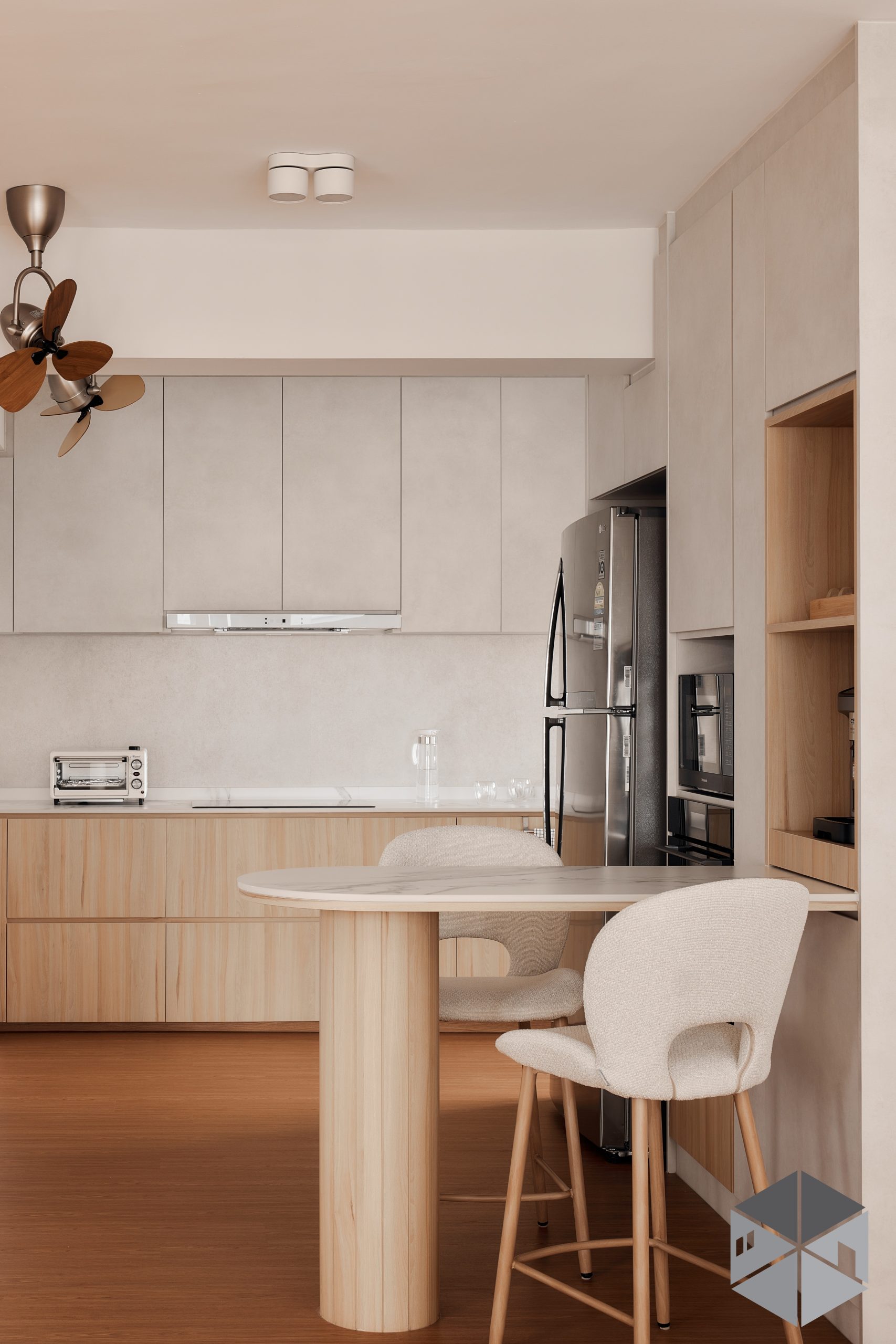
Renovating a 3-room HDB kitchen is a journey that combines practicality, creativity, and budget-conscious planning. If you’re like many Singapore homeowners, you might be wondering: How much does it really cost to transform this crucial space? From choosing the right materials to navigating labor costs, understanding the breakdown of your 3-room HDB kitchen renovation cost can feel overwhelming.

At Elpis, I believe that no homeowner should have to choose between affordability and style. With the right guidance, your kitchen renovation can be a seamless experience that turns your vision into reality while respecting your budget. Let’s dive into the factors that shape renovation costs and explore how to plan effectively for your dream kitchen.

Factors Influencing 3-Room HDB Kitchen Renovation Costs

When planning a kitchen renovation, it’s essential to understand what influences the overall cost. Here’s factors kitchen renovation costs:

Size of the Kitchen:

  • Smaller kitchens generally cost less to renovate.
  • However, compact spaces require thoughtful design to maximize functionality.

Material Choices:

  • Quartz countertops are more expensive but highly durable.
  • Laminates offer a budget-friendly alternative.
  • High-quality cabinetry or custom designs can significantly increase costs.

Labor Charges:

  • Skilled professionals ensure a flawless finish but come at a higher price.
  • Labor costs vary based on the complexity of the renovation project.

Design Complexity:

  • Straightforward layouts are less expensive.
  • Intricate or custom designs require more time and effort, raising overall costs.

Cost Breakdown of a Typical 3-Room HDB Kitchen Renovation

To give you a clearer picture, here’s an example of how costs might be distributed:

  • Demolition and Prep Work: Removing old tiles, cabinets, or fixtures typically costs around $1,000–$2,000.
  • Cabinetry: Modular cabinets are a budget-friendly option, starting at $3,000, while custom designs can go upwards of $6,000.
  • Countertops: Quartz countertops average around $120–$170 per foot run, whereas laminates are more economical at $50–$70 per foot run.
  • Flooring and Walls: Tiling can cost $10–$30 per square foot, depending on material and style. Vinyl is often a cheaper alternative.
  • Plumbing and Electrical Work: Installing sinks, faucets, and additional power outlets can range from $1,500 to $3,000.
  • Appliances and Fittings: Depending on your choices, these can cost between $1,000 and $5,000.

On average, a 3-room HDB kitchen renovation cost in Singapore ranges from $10,000 to $25,000, depending on the scope and materials.

Affordable Design Solutions for 3-Room HDB Kitchens

Renovating your 3-room HDB kitchen on a budget doesn’t mean sacrificing style or functionality. With careful planning and strategic choices, you can create a space that feels modern and efficient while staying within your financial limits. Here are some expanded ideas to help you achieve the perfect balance of affordability and design:

  1. Opt for Modular Cabinets Instead of Custom-Built Ones
    Modular cabinets are a game-changer for budget-conscious renovations. They’re pre-designed, which reduces labor costs, and they come in various sizes, styles, and finishes to suit your kitchen’s layout. While custom-built cabinets offer more flexibility, modular options can provide the same polished look for a fraction of the price. For additional savings, select finishes like laminates, which are both affordable and durable.
  2. Use Laminated Surfaces for Countertops and Cabinetry
    Laminated countertops and cabinetry are cost-effective yet visually appealing options. They mimic the appearance of pricier materials like wood or stone but are easier on the wallet. Modern laminates are durable and resistant to stains and scratches, making them ideal for everyday kitchen use. By investing in high-quality laminates, you ensure a sleek, polished look without overspending.
  3. Incorporate Open Shelving for a Contemporary Look
    Open shelving is not only budget-friendly but also adds an airy, modern vibe to your kitchen. Instead of installing full cabinetry, you can use sturdy wooden or metal shelves to display frequently used items, plants, or decorative pieces. Pair open shelving with neutral tones or minimalist hardware to create a clean, contemporary aesthetic that feels light and spacious.
  4. Invest in Compact, Multi-Functional Appliances
    Space and cost efficiency go hand in hand when it comes to kitchen appliances. Look for compact, multi-functional options that combine multiple features in a single unit, such as an oven with built-in air-frying capabilities or a microwave that doubles as a convection oven. These appliances save counter space while reducing the need to purchase additional equipment.
  5. Focus on Cost-Effective Backsplash and Flooring Options
    Instead of high-end tiles or expensive materials, consider affordable yet stylish alternatives for backsplashes and flooring. Vinyl flooring, for example, is easy to install, durable, and comes in various designs that mimic wood or stone. For backsplashes, peel-and-stick tiles or tempered glass panels can provide a modern, sleek finish at a fraction of the cost of traditional materials.
  6. Repurpose and Refresh Existing Fixtures
    If certain elements of your current kitchen are still in good condition, repurpose or refresh them instead of replacing them. For example, a fresh coat of paint on existing cabinetry can dramatically change the kitchen’s look without the need for new installations. Similarly, updating cabinet handles or faucet fixtures is an inexpensive way to elevate the space.
  7. Keep the Design Simple and Functional
    A minimalist approach not only saves costs but also enhances the overall functionality of your kitchen. Avoid overly intricate designs or excessive customizations, which can quickly inflate your budget. Instead, focus on clean lines, practical layouts, and essential upgrades that improve the flow and usability of the space.
  8. Leverage Affordable Lighting Solutions
    Lighting plays a crucial role in defining your kitchen’s atmosphere. Instead of expensive fixtures, consider affordable LED lights, which are energy-efficient and long-lasting. Under-cabinet lighting strips or pendant lights over key areas like the dining counter can enhance the aesthetic while remaining cost-effective.

By implementing these affordable design solutions, you can transform your 3-room HDB kitchen into a space that is not only functional but also stylish and reflective of your personality. With a little creativity and thoughtful planning, it’s possible to achieve your dream kitchen renovation without overspending.

How to Budget for Your Kitchen Renovation

Creating a realistic budget is key to a successful renovation. Start by prioritizing essential upgrades like cabinetry and countertops, as these form the backbone of any kitchen design. Allocate a contingency fund—typically 10–15% of your total budget for unexpected expenses, such as plumbing repairs or material delays.

Researching material options can also help you find the best balance between cost and quality. For example, while premium quartz countertops are more expensive upfront, their durability may save you money in the long run. Partnering with a reliable renovation service like Elpis ensures that every dollar is spent wisely, with no hidden costs.

Tailored Design Services from Elpis

At Elpis, I focus on bringing your dream kitchen to life while keeping the renovation process simple and transparent. From understanding your 3-room HDB kitchen renovation cost to providing personalized design solutions, my team offers a comprehensive range of renovation services tailored to your needs.

Whether you’re aiming for a modern, minimalist kitchen or something more traditional, my expertise ensures that your space is both functional and beautiful. By working with skilled professionals and maintaining transparent pricing, I help you navigate every step of the renovation journey with confidence.

Planning Your Dream Kitchen

Your 3-room HDB kitchen deserves to be a space where form meets function, without the stress of overspending. As you begin planning, think about the features that matter most to you—whether it’s a spacious countertop for cooking, durable flooring for everyday use, or sleek cabinetry that ties the design together.

So, what does your ideal kitchen look like? How will you make it the heart of your home while staying within budget? It’s time to start visualizing your perfect kitchen renovation!
  • Upload floor plan (if any)
  •  

Accreditation

Mediterranean Design Style: Bring Timeless Coastal Elegance to Your Home

The allure of the Mediterranean design style is undeniable, conjuring images of sun-drenched coastal villas, timeless architecture, and relaxed sophistication. It’s a style that radiates warmth, elegance, and an inherent connection to nature, making it a perfect choice for creating a luxurious, serene space in your home. However, many homeowners face challenges when incorporating this design into smaller or more modern interiors. The fear of mismatched themes or overwhelming a compact space with such a bold design can be daunting.

The good news is that with the right approach, you can bring the timeless coastal elegance of Mediterranean design into your Singaporean home, no matter its size. In this article, we will explore the key elements of Mediterranean interior design, how to adapt them to local conditions, and practical tips on incorporating this elegant style into both small and modern homes. From using natural materials to creating seamless indoor-outdoor living, we’ll cover how you can transform your home into a luxurious Mediterranean-inspired retreat.

Design a Home That Hugs You Back

More than walls and furniture — it’s where your kids grow up, where laughter echoes. Let’s plan a space that feels like home. Talk to our designers today.

Elpis interior Design polaroid

Our Partners


What is Mediterranean Design Style?

Mediterranean design style is inspired by the countries bordering the Mediterranean Sea, such as Spain, Italy, Greece, and France. It is characterized by a rich blend of cultural influences and is heavily focused on natural elements, light, and open space. Timeless coastal elegance is at the heart of this style, offering a combination of rustic charm and sophisticated simplicity.

The Mediterranean aesthetic is defined by natural stone walls, light and airy spaces, and open, fluid layouts that blur the line between the indoor and outdoor living spaces. The key is to use materials that reflect the warmth of the sun, the serenity of the sea, and the beauty of nature. Think warm terracotta floors, earthy tones, wooden beams, and breezy linen fabrics. The focus is on comfort and authenticity, creating spaces that feel welcoming, elegant, and timeless.

Key Elements of Mediterranean Design

1. Natural Materials and Textures

At the core of Mediterranean design are natural materials. These materials bring authenticity and warmth to your home. For example, natural stone tiles such as travertine, marble, and terracotta are frequently used in Mediterranean-style flooring and walls. These stones offer rich textures, and their earthy tones create a sense of grounding and stability.

Wood, particularly reclaimed wood or wooden beams, is another common feature. These materials add a rustic element that complements the natural beauty of stone. The combination of stone tiles and wooden accents creates a harmonious, grounded atmosphere, which is central to Mediterranean interiors.

When incorporating these materials into a Singaporean home, consider using light-colored natural stones and wood finishes to reflect the region’s sunny, tropical environment while adding elegance to your space.

2. Indoor-Outdoor Living with Windows

A hallmark of Mediterranean design is the emphasis on indoor-outdoor living. This concept integrates the natural beauty of the outdoors into the living space, allowing for ample natural light and ventilation. This is particularly relevant in Singapore’s tropical climate, where airflow and natural light are essential.

By incorporating large windows, sliding doors, or even arched doorways, you can create a seamless transition between your interior and outdoor spaces. This creates an open, airy feel that enhances the Mediterranean vibe and works well in both small and large homes. Consider adding balconies, patios, or garden spaces that are visually connected to your living areas to truly capture the Mediterranean lifestyle.

3. Soft, Light Color Palette

The Mediterranean color palette revolves around earthy tones and coastal hues. Warm terracotta, soft whites, sandy beiges, and rich blues are the foundation of Mediterranean color schemes. The use of blue and white (reflecting the sea and sky) is a common theme that evokes the calming, expansive nature of the Mediterranean coast.

In Singapore’s homes, lighter shades can help reflect natural light, creating an airy, spacious feel, while warm tones add comfort and elegance. To achieve a balanced design, use neutral walls, such as warm whites or soft taupes, and add blue accents with textiles, cushions, or tiles. These colors will help your home feel like an extension of the serene coastal landscape.

4. Elegant Yet Simple Furnishings

Furniture in Mediterranean homes tends to be simple, functional, and crafted from natural materials. Wooden furniture with distressed finishes, wrought iron accents, and textiles like linen and cotton contribute to the relaxed and rustic feel of Mediterranean interiors. The emphasis is on comfort rather than formality, which makes the space inviting and unpretentious.

Incorporating low-profile furniture, like comfortable sofas and wooden coffee tables, will help you avoid clutter in smaller spaces while still achieving the Mediterranean aesthetic. Wrought iron chandeliers or ironwork furniture are classic elements that can be used sparingly to enhance the Mediterranean feel without overwhelming the space.


Mediterranean Design for Small Spaces: Making It Work

If you have a smaller home or apartment in Singapore, you might wonder how to incorporate Mediterranean-style interior design without making the space feel cramped. The key is to focus on creating the feeling of openness, using light colors, and maintaining balance.

  • Maximize Vertical Space: To make the most of limited space, consider using wall-mounted storage or floating shelves to keep the floor space open and airy. Vertical gardens or wall-hung planters can add greenery without taking up space.
  • Use of Light Colors: Light, neutral tones on walls, ceilings, and floors will help reflect natural light and make the space feel bigger. Soft whites, creams, and light blues are great choices for creating the illusion of more space.
  • Small-Scale Furniture: Opt for multi-functional furniture with sleek, minimal profiles. Choose low-set, comfortable sofas, and small-scale tables that provide function without dominating the space.
  • Strategic Tile Placement: Consider using natural stone tiles in smaller quantities or in specific areas like backsplashes, feature walls, or bathroom flooring. This allows you to create a Mediterranean feel without overwhelming the space.

Mediterranean-Inspired Renovation in Singapore: Practical Solutions

Renovating your Singaporean home to reflect Mediterranean elegance doesn’t have to be an overwhelming task. Here are a few ways to seamlessly integrate Mediterranean design into your renovation project:

  1. Feature Walls and Flooring: For a Mediterranean-inspired floor, consider natural stone tiles like travertine or limestone. Use these in your kitchen, living areas, and bathrooms to create a cohesive Mediterranean feel. Pair with a wooden accent wall or stone-clad feature wall for an added rustic touch.
  2. Soft Furnishings and Accessories: Use linen curtains, cotton cushions, and woven rugs to add texture and softness to your space. These elements are key to achieving the light, breezy feel associated with the Mediterranean style.
  3. Outdoor Spaces: Even in smaller apartments, you can create a Mediterranean-inspired outdoor space with balcony gardens, terracotta pots, and wrought iron furniture. This will give you a space to relax that feels connected to nature, just as Mediterranean villas often do.

Price Estimates for Mediterranean-Inspired Renovation

When considering a Mediterranean-inspired renovation, costs can vary depending on the materials and scale of the project. Below is a general price breakdown:

Element Estimated Cost Range
Natural Stone Tiles S$30 – S$150 per sqm
Wrought Iron Fixtures S$150 – S$500
Wooden Furniture S$300 – S$2,000
Textiles (Linen & Cotton) S$50 – S$200 per meter
Outdoor Furniture S$200 – S$1,000

While natural stone tiles can be a bit more expensive, their durability and timeless appeal make them a worthwhile investment. For furniture and wrought iron accents, you can choose more affordable options or customize them based on your budget. Textiles like linen and cotton add elegance at a reasonable price, while outdoor furniture will vary depending on the style and material chosen.

Transform Your Home with Mediterranean Elegance

The Mediterranean design style offers the perfect blend of coastal charm, timeless elegance, and natural beauty. By thoughtfully incorporating natural materials, indoor-outdoor living, and Mediterranean-inspired furnishings, you can create a home that feels serene and luxurious while remaining functional and inviting.

At Elpisterior, we specialize in home renovation services that help bring your dream Mediterranean-inspired home to life. Whether you’re looking to update your bathroom, living room, or outdoor space, we’re here to guide you through the design process and ensure your home reflects the Mediterranean aesthetic with a modern twist.


Design a Home That Hugs You Back

More than walls and furniture — it’s where your kids grow up, where laughter echoes. Let’s plan a space that feels like home. Talk to our designers today.

Elpis interior Design polaroid

Our Partners

Are you ready to bring the timeless elegance of Mediterranean design into your home? Let’s begin your renovation journey today and turn your vision into reality.

  • Upload floor plan (if any)
  •  

Elevating the Resale 3-Room HDB Kitchen Renovation Design: Stylish and Functional Design Solutions

“The kitchen is the heart of every home, and every heart deserves a beautiful rhythm.”

Renovating a resale 3-room HDB flat, especially the kitchen, can feel like solving a puzzle with too many missing pieces. You’ve got limited space, existing structural constraints, and a desire to create something uniquely you. But here’s the thing—transforming an old, cramped kitchen into a stylish and functional space isn’t just a dream; it’s entirely possible. At Elpis, I believe every homeowner deserves a kitchen renovation that balances affordability, personalized design, and practicality.

Whether you’re looking to bring sleek modernity to an outdated kitchen design or simply maximize your kitchen’s functionality, let’s dive into some inspiring ideas tailored to your needs.

Design a Home That Hugs You Back

More than walls and furniture — it’s where your kids grow up, where laughter echoes. Let’s plan a space that feels like home. Talk to our designers today.

Elpis interior Design polaroid

Our Partners

The Challenges of Renovating a Resale 3-Room HDB Kitchen

Renovating a resale 3-room HDB kitchen often comes with its quirks. Many resale flats feature older layouts, limited space, and pre-existing structures you need to work around. For instance, plumbing and ventilation systems are usually fixed, and you may not have the freedom to start entirely from scratch. Sound familiar?

Add to that the challenge of keeping the project within budget while ensuring the kitchen renovation aligns with your vision. Most of us want a space that’s modern, functional, and reflects our personality without breaking the bank. That’s where thoughtful, customized solutions make all the difference.

Stylish Yet Functional Solutions for Your HDB Kitchen Design

When it comes to resale 3-room HDB kitchen renovation design, functionality is non-negotiable. But who says practical can’t also be beautiful? With a bit of creativity, you can have both. For compact spaces, think vertical. Tall cabinetry, open shelving, and even ceiling-mounted racks can make use of every inch without crowding the room. If you’re into a modern kitchen design, consider seamless built-in appliances that blend into the cabinetry. This keeps the space clean and uncluttered.

Lighting can completely transform how your kitchen feels. Under-cabinet lighting not only adds a touch of sophistication but also makes prep work easier. And for ventilation, don’t settle for outdated hoods—sleek, modern designs exist that are as efficient as they are good-looking.

Resale 3-Room HDB Kitchen Renovation Ideas

Open-concept kitchen

If you’re open to bolder ideas, consider removing that old kitchen wall to create an open-concept layout. This is probably the most popular type of HDB kitchen design in a minimalist resale 3 room HDB kitchen renovation design Singapore, especially for small and compact homes and studio apartments. They are good for the environment. Because of its open concept, it does not appear congested and does not take up a large amount of space.

Using an open-plan kitchen means that there is a lot more natural light and ventilation. When cooking, it is important to keep an eye on your surroundings while cooking. If your kids are small, you’ll want to use this kind of resale HDB kitchen design. This can allow you to keep an eye on your surroundings while you cook.

Kitchen island for more storage

If you have an HDB 3-room flat and would like to add some space and value to your home, why not consider adding an island for your kitchen? Having one will give you extra size storage space, an extra eating area, a more convenient table to dine and cook on, and a work desk.

To keep your 3-room flat space flexible, you can install a movable kitchen island. If you need more storage space, then getting a kitchen island with side storage shelves will help!

Handleless kitchen cabinet

These are the most functional and beautiful designs in a multi-tasking, modern, and paired-back style. They’re perfect for your active life. There are many different types of handleless kitchen cabinet doors available to suit a variety of needs. They come in a variety of finishes, and you can choose from different wood, ceramic, and white high gloss materials.

Handleless kitchen cabinets are a must-have in any kitchen because they help keep clutter to a minimum. They’re also ideal for small kitchens where space is limited such as a 3-room resale HDB kitchen. Having too many things on a work surface can spoil the look so make sure you keep your storage areas full. Make sure you have plenty of storage space and try using the latest drawer systems.

It’s important to keep a small space open and well organized, and the handleless cabinets are ideal for doing this. A kitchen cabinet can add a lot to your home, especially if you live in a small space. With a handleless and organized kitchen cabinet, you will have a clutter-free space.

Peninsula extension of the kitchen

You’ll get a really nice appearance in your kitchen with a kitchen peninsula even if you have a 3-room resale HDB kitchen. A peninsula is an extension of the kitchen. . With a peninsula, you get extra room to cook, store things, and even have dinner. Instead of buying a separate dining table, use the peninsula as a dining area to save space.

White bright and functional a HDB kitchen

White-themed kitchens are a great way to brighten up the whole area. If you have a small 3-room HDB kitchen, a white theme will look very classy and spacious. You can add white cabinets with a light gray or beige backsplash. You can also go with white floor tiles to match the overall white theme of your home. For a beautiful kitchen, it’s best to go for a white theme.

In creating this style, you need a good amount of lighting and also a lamp design that matches perfectly with your 3-room resale HDB kitchen design.

Trendy Design Ideas for Resale 3-Room HDB Kitchens

When it comes to kitchen renovation trends in Singapore, there are plenty of styles to explore. Here are some popular options for resale HDB kitchens:

  • Scandinavian-Inspired Designs
    • Features light wood finishes and pastel accents.
    • Emphasizes clean lines and simplicity.
    • Ideal for maximizing small spaces.
  • Industrial Chic
    • Incorporates dark metallic fixtures and exposed textures.
    • Uses neutral tones for a bold yet refined look.
    • Adds character and depth to your kitchen.
  • Minimalist Designs
    • Focuses on hidden storage and sleek, seamless cabinetry.
    • Uses a monochromatic color scheme for a sophisticated vibe.
    • Perfect for homeowners seeking a clean, modern aesthetic.

These styles not only enhance the aesthetic appeal of your kitchen but also provide long-term value to your home.

How Elpis Makes Your Kitchen Renovation Stress-Free

At Elpis, I know a kitchen renovation can feel overwhelming, especially with all the decisions to make. That’s why I focus on making the process as smooth as possible. From designing the layout to sourcing materials and handling the construction, our comprehensive renovation services cover every detail.

What sets Elpis apart? Affordability without compromise. You don’t have to overspend to achieve a high-quality, stylish kitchen. Plus, every design is personalized to your unique needs, whether you’re dreaming of an open-concept kitchen or a cozy, space-efficient galley.

With Elpis, your resale 3-room HDB kitchen renovation is more than just a project; it’s a transformation that reflects your style, needs, and budget.

Maximizing Your Kitchen’s Potential

Your newly renovated kitchen is just the beginning of your home’s transformation. Imagine adding your personal touches, maybe a pop of color on the backsplash, a herb garden by the window, or even smart appliances to make cooking a breeze.

What’s stopping you from turning your resale 3-room HDB kitchen into the space you’ve always dreamed of? If you could have the perfect blend of style and functionality, how would it look?

  • Upload floor plan (if any)
  •  

Accreditation

What is Brutalist Interior Design?

“Less is more, but more can be too much.” – Mies van der Rohe

Brutalist interior design might not be for everyone, but for those who appreciate strength, raw beauty, and minimalism, it’s a style that speaks volumes. If you’re reading this, you’re likely curious about this bold design aesthetic and how it can transform your living space. As an interior designer who specializes in comprehensive design and renovation services, I’ve seen how brutalism’s unapologetic rawness can elevate a home, even in a bustling urban environment like Singapore.

Brutalist interior design, often characterized by the use of rough, unfinished materials, bold geometric forms, and a focus on functionality over ornamentation, has been gaining momentum in the design world. It challenges conventional ideas of beauty and embraces the power of simplicity and authenticity. But what does it really mean, and how can it work in your home?

Let’s dive in and explore the essence of brutalism, its key characteristics, and how you can bring this striking aesthetic into your space—whether you’re renovating a modern condo or looking to add an industrial touch to a more traditional home. With Elpis, you can access affordable, personalized interior design services that make brutalist interior design both attainable and functional.

Design a Home That Hugs You Back

More than walls and furniture — it’s where your kids grow up, where laughter echoes. Let’s plan a space that feels like home. Talk to our designers today.

Elpis interior Design polaroid

Our Partners

What is Brutalist Interior Design?

Brutalist interior design is all about embracing raw, industrial materials in their most authentic form. Originating from brutalist architecture, this design philosophy is inspired by the bold, imposing structures built during the mid-20th century. It celebrates the use of concrete, steel, brick, and wood in their natural, unfinished states. The term “brutalism” comes from the French word “béton brut”, meaning raw concrete, which is often a central material in the style.

The essence of brutalist interior design lies in its unpretentious simplicity. There are no ornate finishes or unnecessary embellishments. Instead, it embraces geometric shapes, rough textures, and utilitarian designs. Think large, exposed concrete walls, steel beams, and wooden elements that are left in their natural form to create an environment that feels grounded, bold, and purposeful.

In an urban setting like Singapore, where sleek and minimalist designs often dominate, brutalist interiors offer a refreshing break from the norm. It’s a style that can turn a space into something daring, unique, and undeniably memorable. But the challenge lies in balancing the rawness of these materials with the need for comfort and livability. That’s where a renovation with Elpis comes in—we bring an expert touch to make your brutalist interior both functional and inviting.

Key Elements of Brutalist Interior Design

When you think of brutalist interior design, a few key elements immediately come to mind. These elements set brutalism apart from other design styles by showcasing the natural beauty of materials and placing emphasis on geometric, functional forms. Whether you’re renovating a new apartment or just updating your space, here are some of the defining features of this design style:

Raw Materials: Concrete is the most iconic material in brutalist design. However, steel, brick, and unfinished wood also play a crucial role. These materials are used in their most natural state, allowing their textures and imperfections to become a central part of the design.

Bold Geometric Shapes: Brutalism favors large, bold shapes that create a sense of strength and stability. Furniture and architectural features are often angular, simple, and imposing.

Neutral and Monochrome Color Palette: The color palette of a brutalist interior design often consists of neutrals—grays, blacks, whites, and earthy tones. These shades complement the rawness of the materials and help create a unified, cohesive space.

Minimalism: While the style is bold, it’s also minimalist. The focus is on the essentials. There’s no room for excessive decoration or unnecessary items. Everything in a brutalist design serves a functional purpose, and the space is often pared down to the basics.

For many homeowners, incorporating these elements into a living space can feel daunting, especially in smaller, urban homes. But Elpis can help bridge the gap by offering personalized design and renovation services that make brutalism accessible without overwhelming your space. We ensure that every element serves a clear purpose, whether it’s enhancing the functionality of your home or giving it a strong visual statement.

How Brutalism Works in Modern Homes?

A common question many people ask is: Can brutalism work in a modern home, especially one in a city like Singapore? The answer is yes—brutalist interior design can work wonders in both spacious and compact spaces. It’s all about balancing the boldness of raw materials with careful, thoughtful design choices.

In a smaller home, for example, the use of concrete walls or industrial lighting might feel overwhelming unless the space is balanced with softer elements. By introducing wood accents, softer furniture, or layered textiles like rugs and curtains, you can add warmth and texture that prevents the space from feeling too cold or industrial.

One way to bring brutalism into your home is by focusing on key areas such as the living room or kitchen. Concrete countertops, exposed brick walls, and minimalist furniture can turn any space into an industrial haven without sacrificing comfort or functionality.

At Elpis, I specialize in transforming spaces with brutalist interior design principles while ensuring that the overall ambiance remains warm, inviting, and practical. Whether you’re renovating a sleek city apartment or adapting a larger house to suit this bold aesthetic, we tailor our services to match your style, needs, and budget.

Brutalism vs Minimalism: Understanding the Key Differences

Brutalism and minimalism may seem similar at first glance, as both focus on simplicity and the functionality of space. However, there are key differences that set the two styles apart. While minimalism is about paring down to the essentials—often with a softer, more refined aesthetic—brutalist interior design takes a more raw, unapologetic approach.

Minimalism is often defined by soft colors, clean lines, and understated furnishings. It’s subtle and serene. Brutalism, on the other hand, is bold and unyielding. It thrives on the beauty of raw materials and large, powerful forms. It’s not about hiding imperfections but embracing them.

For those who appreciate an aesthetic that is both practical and visually strong, brutalism offers a chance to make a statement with your interior design. If you’re renovating or redesigning your home and want something more daring and powerful than the typical minimalist look, brutalism is a style worth exploring.

How to Incorporate Brutalism into Your Home in Singapore

Incorporating brutalism into your home might feel like a challenge at first, but it’s all about introducing key elements in a way that complements your space. Whether you’re renovating a cozy apartment in Singapore or updating a larger home, there are plenty of ways to bring the bold, industrial aesthetic into your interiors.

You can start small—perhaps with a concrete accent wall, industrial lighting, or a few pieces of raw wood furniture. As you get comfortable with the style, you might choose to incorporate more brutalist features such as exposed concrete ceilings, steel beams, or concrete flooring. The key is to balance the rawness of these materials with softness—textiles, greenery, and warm lighting can help bring a sense of balance and warmth to the space.

At Elpis, we understand that each home is unique. We work with you to ensure that brutalist interior design fits your space, lifestyle, and budget. Whether you’re aiming for a full-scale renovation or just looking to incorporate a few elements, we can help make your vision a reality.

Are you ready to transform your home with the boldness of brutalism, or do you need help striking the right balance between raw beauty and comfort? Let’s make it happen, together.

  • Upload floor plan (if any)
  •  

Accreditation


Scandinavian Kitchen Interior Design: Blending Minimalism and Functionality

When it comes to designing a kitchen that’s both stylish and practical, Scandinavian kitchen interior design offers the perfect balance of form and function. With its clean lines, neutral colors, and emphasis on functionality, Scandinavian design is the ultimate choice for creating a kitchen that not only looks good but also works well for your everyday needs.

The Scandinavian design philosophy is rooted in simplicity and practicality. It’s all about creating spaces that are efficient, easy to maintain, and visually calm. But don’t mistake minimalism for boring. When done right, a Scandinavian kitchen is full of warmth, texture, and personality—just in a more understated way.

Design a Home That Hugs You Back

More than walls and furniture — it’s where your kids grow up, where laughter echoes. Let’s plan a space that feels like home. Talk to our designers today.

Elpis interior Design polaroid

Our Partners

The Essence of Scandinavian Design: Simple, Functional, and Timeless

At its core, Scandinavian design is about making spaces that feel calm and welcoming. In the kitchen, this translates to a clean, uncluttered look that still has plenty of character. The focus is on functionality without compromising style. The kitchen should work effortlessly, with every piece having a purpose.

Think of it as a space that not only looks good but makes cooking and cleaning easier, too. Open shelving, streamlined cabinetry, and multi-functional layouts are key elements in this design approach. These features help keep things tidy and ensure everything has a place.

Key Elements of Scandinavian Kitchen Design

Scandinavian kitchen design is characterized by its emphasis on simplicity, functionality, and a strong connection to nature. Here are the key elements that define this popular style:

1. Minimalist Cabinetry

Scandinavian kitchens often feature sleek, minimalist cabinetry with flat fronts and integrated handles. This design choice emphasizes clean lines and a seamless look, allowing the cabinetry to blend into the overall aesthetic rather than dominate the space. Natural wood is commonly used, either left in its natural state or painted in light colors like white or soft grey to maintain an airy feel.

2. Neutral Color Palette

A light and neutral color palette is a hallmark of Scandinavian design. Whites, greys, and soft beiges dominate the space, often accented with natural wood tones. This color scheme creates a calm and cohesive look that enhances the sense of openness and spaciousness in the kitchen.

3. Natural Materials

The use of natural materials is essential in Scandinavian kitchens. Wood, stone, and leather are frequently incorporated to add warmth and texture. Light-colored woods such as pine or oak are popular choices for cabinetry and flooring, helping to establish a strong connection to nature.

4. Maximized Natural Light

Scandinavian design places a strong emphasis on maximizing natural light. Large windows are common, allowing sunlight to flood the kitchen and create a bright, inviting atmosphere. This focus on light not only enhances the aesthetic but also contributes to a sense of well-being.

5. Functional Layout

Functionality is key in Scandinavian kitchen design. The layout is carefully planned to ensure efficiency, with well-organized work zones that make cooking and meal preparation seamless. Smart storage solutions, such as pull-out pantry shelves and hidden compartments, help maintain a tidy appearance.

6. Open Shelving

Incorporating open shelving allows for both functionality and display opportunities. Minimalistic dishes, mugs, and decorative items can be showcased on floating shelves, adding personality while keeping the overall look uncluttered.

7. Sleek Lighting Fixtures

Lighting plays an important role in Scandinavian kitchens. Sleek, modern fixtures that blend seamlessly with the design are preferred. Pendant lights or understated ceiling fixtures can provide both task lighting and ambiance while maintaining the minimalist aesthetic.

10 Scandinavian kitchen design ideas

Here are Scandinavian kitchen design ideas to inspire your next renovation:

  1. Minimalist Color Palette
    Stick to a neutral color palette with whites, grays, and soft wood tones. This approach keeps the kitchen feeling open and airy, which is essential in Scandinavian design. A white base allows natural light to bounce around, creating a fresh and clean environment.
  2. Open Shelving for Functionality
    Scandinavian kitchens often feature open shelving, which not only adds to the minimalist aesthetic but also makes everyday items easily accessible. Think floating shelves made of wood or metal to display essentials, plants, and cookware.
  3. Natural Wood Accents
    Incorporating natural wood elements—whether in cabinetry, countertops, or flooring—brings warmth and texture to an otherwise neutral space. Light woods like ash, oak, or pine are commonly used in Scandinavian kitchens, complementing the cool tones of white or gray.
  4. Streamlined Cabinetry
    To maintain the clean, minimalist look, opt for flat-front cabinetry without visible hardware. Push-to-open cabinets are a popular choice, giving the kitchen an ultra-sleek, clutter-free appearance.
  5. Functional Layouts with an Island
    In Scandinavian kitchen design, functionality is key. A central kitchen island is ideal for food preparation, socializing, and even extra storage. It’s a versatile piece that ties the design together and ensures the kitchen is practical for daily use.
  6. Efficient Storage Solutions
    Maximize storage space with pull-out drawers, hidden cabinets, and clever built-in features. Scandinavian kitchens often use vertical space for storage, making use of the entire room without overcrowding the surfaces.
  7. Integrated Appliances
    Keep the aesthetic clean by integrating your kitchen appliances into the cabinetry. This eliminates the need for bulky, stand-alone devices and ensures a sleek, seamless look. Refrigerators, dishwashers, and microwaves can all be hidden behind custom cabinetry.
  8. Minimalist Lighting Fixtures
    Scandinavian design places importance on natural light, but the right artificial lighting can also enhance the space. Consider pendant lights over an island or dining area with simple, geometric designs. Track lighting is another popular choice for even distribution of light without clutter.
  9. Textured Fabrics and Rugs
    Add warmth and comfort to the space with soft textiles like linen curtains, woolen throws, or patterned rugs. These textiles can help break up the sharp edges of the minimalist design and add a cozy, homely feel to the kitchen.
  10. Greenery and Natural Elements
    Bring a bit of nature inside by placing plants on your countertops or hanging them from the ceiling. Not only do they add life to the space, but they also contribute to the organic, earthy vibe that’s characteristic of Scandinavian interiors.

By combining minimalist principles with practical functionality, these Scandinavian kitchen design ideas can help you create a space that’s both beautiful and useful—perfect for modern living in Singapore or anywhere else. Whether you’re updating your current kitchen or starting from scratch, the key is to keep it simple, clean, and well-organized while incorporating natural materials to add warmth.

Personalizing Your Scandinavian Kitchen

One of the most appealing aspects of Scandinavian design is its ability to be personalized without compromising the overall style. With the right balance, you can add your own personality to a minimalist kitchen.

For example, incorporating unique light fixtures or statement countertops can instantly elevate your space. Or, consider adding custom storage solutions to suit your lifestyle—whether it’s deeper drawers for cookware or smart compartments for small appliances.

A Scandinavian kitchen doesn’t need to be a showroom—by introducing your own tastes and preferences, you can create a space that’s both functional and uniquely yours.

Maximizing Functionality in a Small Kitchen

If you’re working with a small space, Scandinavian kitchen design is perfect for you. The minimalist approach maximizes every inch, focusing on clever layouts and efficient use of space. For instance, open shelving can make small kitchens feel larger by removing visual clutter, while smart corner storage can make use of otherwise unused space.

The beauty of Scandinavian design is in its simplicity. By sticking to a few well-chosen elements—like muted tones, natural textures, and sleek storage solutions—you can transform a cramped, outdated kitchen into a space that feels spacious, airy, and welcoming.

Affordable, Personalized Scandinavian Design for Your Kitchen

Achieving the Scandinavian look doesn’t mean you have to break the bank. It’s about being thoughtful with your choices. Instead of going for expensive designer items, consider high-quality, cost-effective alternatives like painted MDF, reclaimed wood, or sleek stainless steel for your countertops and appliances.

At Elpis, we focus on creating affordable, personalized designs that align with your vision. Our approach ensures that we can bring Scandinavian minimalism to life in a way that fits your budget while maximizing both form and function.

Conclusion: A Scandinavian Kitchen for the Modern Home

A Scandinavian kitchen interior design is more than just a trend; it’s a timeless style that brings simplicity, beauty, and practicality to your home. By focusing on clean lines, natural materials, and smart storage solutions, you can create a space that not only looks great but works for you day in and day out.

With a thoughtful approach, a little creativity, and the right design support, you can embrace the minimalist beauty of Scandinavian design in your own kitchen. At Elpis, we’re here to help you craft a kitchen that blends the best of functionality, affordability, and personalized design—so you can enjoy a beautiful, efficient space for years to come.

  • Upload floor plan (if any)
  •  

Accreditation