fbcode

The Ultimate Guide to 3-Room HDB Renovation Costs

“Home is where the heart is, and with the right design, it’s where your dreams come alive.”

When it comes to renovating your 3-room HDB flat, the journey is exciting yet full of decisions. From conceptualizing your dream home to understanding the practicalities of the 3 room HDB renovation cost, there’s a lot to consider. Whether you’re a first-time homebuyer or someone looking to upgrade your current space, knowing the cost of renovating a 3 room HDB flat is essential before making any major commitments.

For many homeowners, renovating is about more than just aesthetics; it’s about creating a space that reflects their lifestyle, values, and comfort. At Elpis, we understand that the financial aspect of HDB renovation can be intimidating. That’s why we aim to provide affordable, personalized, and comprehensive interior design and renovation services that give you peace of mind while turning your vision into reality.

Let’s break down the essential aspects of 3 room HDB renovation cost and guide you through what you need to know when planning for your home’s transformation.

Design a Home That Hugs You Back

More than walls and furniture — it’s where your kids grow up, where laughter echoes. Let’s plan a space that feels like home. Talk to our designers today.

Elpis interior Design polaroid

Our Partners

Understanding the Factors Behind 3 Room HDB Renovation Cost

The cost of renovating a 3-room HDB can vary greatly depending on several factors. These range from the scale of the project and the materials you choose to the complexity of the interior design. It’s crucial to approach this process with a clear understanding of what drives costs, so you can make informed decisions.

First, you’ll want to consider the condition of your flat. If it’s an older unit, the cost of renovation may be higher due to the need for additional work like electrical rewiring or plumbing updates. On the other hand, a newer HDB may need fewer updates, but you might still want to tweak its layout or enhance the finishes. The types of materials and finishes you choose will also play a significant role. High-quality materials like granite countertops or custom cabinetry could raise the renovation cost, while more affordable alternatives may help you stay within budget.

At Elpis, we’re committed to helping you strike a balance between quality and cost. We offer a wide range of options that align with your vision while keeping your budget in check. This way, you can achieve the interior design of your dreams without compromising on durability or style.

Average 3 Room HDB Renovation Cost in Singapore

In Singapore, the cost of renovating a 3 room HDB flat can range widely, but on average, homeowners can expect to pay between SGD 25,000 to SGD 50,000. However, it’s essential to note that this is only a ballpark figure. The total price will depend on factors like the scope of work (e.g., hacking walls, redoing flooring, installing new kitchen fittings), the materials chosen, and the service fees of your contractor.

For a basic renovation, including interior design and essential updates, you might spend closer to the lower end of the spectrum, whereas a more extensive renovation with custom designs and premium materials could push the costs higher. At Elpis, we offer transparent pricing with no hidden costs, ensuring that you know exactly what you’re paying for at every stage of the project.

Planning Your 3 Room HDB Renovation

One of the most critical steps in managing your 3 room HDB renovation cost is careful planning. I always advise homeowners to make a detailed plan before starting any work. Think about how you use the space daily and what your priorities are. Is it more important to have a luxurious kitchen? Or perhaps you’re keen on having more storage or a larger bathroom?

Understand Your Layout Options

Before diving into renovations, familiarize yourself with the various layout options available for your 3-room HDB flat. Consider designs such as the Dumbbell Layout, where bedrooms are placed on either side of the living area, or creating a cozy nook by rearranging furniture. Utilizing large windows to carve out a balcony can also enhance your living space. These layout decisions will significantly impact how you use and enjoy your home, so take the time to explore what works best for your lifestyle and preferences.

Budgeting and Cost Considerations

Renovating a 3-room HDB flat can range from $16,000 to $45,000, depending on your specific needs and choices. It’s crucial to establish a realistic budget early in the planning process. This budget should include costs for flooring, painting, electrical and plumbing works, as well as any structural changes you may wish to make. Additionally, consider potential expenses for professional design services if you need help visualizing your space or navigating complex renovations.

Incorporate Functional Design Elements

Focus on creating functional spaces that cater to your daily needs. For instance, think about how to maximize storage with built-in cabinets or multifunctional furniture that can serve multiple purposes. Consider using sliding doors instead of traditional ones to create an airy feel while saving space. Moreover, using different flooring types can help define areas within an open-plan layout, such as separating the dining area from the living room.

Personalize Your Space

Don’t forget to infuse your personality into the design. Choose a cohesive color palette that resonates with you and complements the overall theme of your home. Personal touches can include artwork, decorative items, or custom furniture that reflects your style. This is also an excellent opportunity to create cozy corners or reading nooks that enhance comfort and relaxation in your living space.

Timeline and Planning

Establishing a timeline is essential for keeping your renovation on track. Begin planning at least a year before key collection if possible, allowing ample time for design conceptualization and securing necessary permits. The renovation process typically takes around 12 weeks, during which various stages such as hacking, electrical work, masonry, and installation of fixtures will occur. By staying organized and proactive throughout each phase, you can ensure a smoother renovation experience.

Once you have a sense of what you want, it’s time to engage with your contractor to discuss the budget. At Elpis, we help you create a personalized design plan that reflects your unique style while staying within your budget. Our experienced team will guide you through every step of the process, from selecting materials to finalizing the layout. This collaborative approach ensures that your home is as functional as it is beautiful, all while keeping the renovation cost affordable.

Breaking Down the Costs: What’s Included in a 3 Room HDB Renovation?

When planning for your 3 room HDB renovation, it’s important to know what costs are involved beyond just the price of labor. Here’s a breakdown of some of the common costs you might encounter:

  • Labor Costs: Depending on the complexity of the renovation, labor can account for a significant portion of your budget. It includes everything from demolition and rebuilding to the installation of electrical and plumbing systems.
  • Materials: The cost of materials can vary greatly. For example, high-end materials like marble or solid wood for flooring can add to the renovation cost, while more affordable options like laminate or vinyl flooring will lower the total price.
  • Design Fees: If you’re hiring an interior designer, this will also add to the overall cost. However, investing in professional design services ensures that your renovation is functional and aesthetically pleasing.
  • Furniture and Fittings: The final touches, including furniture, light fixtures, and appliances, are essential to completing your interior design. These costs should be factored into your overall budget for a comprehensive plan.

Total Estimated 3 room renovation costs:

  • Basic Level: Approximately $25,000 to $60,000
  • Mid-Level: Around $30,000 to $80,000
  • Advanced Level: Can exceed $100,000+

At Elpis, we offer comprehensive renovation services, taking care of everything from design to execution. We understand the importance of sticking to a budget, so we help you plan every detail without compromising on quality.

Hidden Costs You Should Be Aware Of

It’s easy to overlook certain hidden costs when renovating, but it’s important to plan for them to avoid surprises. For instance, if you need to obtain permits for structural changes (like hacking walls), these fees can add to the 3 room HDB renovation cost. Similarly, if your flat requires significant repair work—such as replacing old piping or electrical wiring—this can also increase the overall expense.

Moreover, unforeseen delays or changes to the project scope can push costs beyond the initial estimates. To mitigate these risks, I always recommend working with a reputable contractor who is transparent and reliable. At Elpis, we provide clear communication throughout the renovation process, ensuring there are no hidden fees and no surprises at the end.

Maximizing Value: How to Keep Your 3 Room HDB Renovation Cost Within Budget

While renovating your 3 room HDB can be a significant investment, there are ways to keep costs manageable. Here are a few tips that I’ve found useful in maintaining budget control without sacrificing quality:

  • Prioritize Key Areas: Focus on the areas that matter most to you—whether that’s a new kitchen, a more spacious living room, or better storage solutions. By focusing your resources on these key areas, you can allocate your budget effectively.
  • Choose Materials Wisely: Opt for materials that offer a balance between affordability and durability. For example, choose a high-quality laminate instead of solid wood if you’re looking to save without compromising on aesthetics.
  • Plan for Future Upgrades: It’s always a good idea to leave some flexibility in your budget for potential upgrades. For example, you might decide to invest in custom cabinetry at a later stage, so make sure your initial renovation leaves room for that.

By making informed decisions and partnering with a trusted renovation team like Elpis, you can ensure that your 3 room HDB renovation cost stays under control while still achieving the interior design of your dreams.

Are You Ready to Transform Your Home?

Your home should reflect your style, your values, and your personality. With the right renovation approach, you can turn your 3 room HDB flat into a space that feels truly yours. But before diving in, it’s crucial to have a clear understanding of the cost of renovating and to work with a partner who can help you stay within budget while delivering the results you desire.

At Elpis, we specialize in creating affordable, personalized, and comprehensive interior designs that match your vision and budget. Ready to start your home renovation journey? Let’s chat about how we can help you make the most out of your space and investment.

Do you want to transform your 3 room HDB into a space that truly reflects who you are? Let’s make it happen together!

  • Upload floor plan (if any)
  •  

Accreditation

Embracing Zen Interior Design in Singapore for a Tranquil Abode

Welcome to my guide on how to incorporate Zen interior design into your home in Singapore to create a harmonious and serene living space. Zen design draws inspiration from minimalist aesthetics and Asian cultures, and it focuses on simplicity, natural materials, and calming colours to create a sense of peace and tranquility.

In this article, I will explore the fundamental principles of Zen interior design, share tips on how to create peaceful and tranquil spaces with Zen-inspired decor, and explain the importance of decluttering, Feng Shui, and sustainable materials in achieving the ultimate Zen living experience.

If you’re looking for a way to transform your home into a serene sanctuary, look no further than Zen interior design in Singapore.

Key Takeaways

  1. Zen interior design draws inspiration from minimalism and Asian aesthetics to create a sense of tranquility in the home.
  2. Incorporating natural materials, calming colour palettes, and Zen-themed decor can help to achieve a peaceful living space.
  3. Decluttering, following Feng Shui principles, and using sustainable materials are crucial aspects of creating a Zen-inspired home.
  4. Following modern interior design trends while embracing Zen principles can result in a harmonious and contemporary living environment.
  5. Professional interior design services in Singapore can provide expert guidance in creating the perfect Zen-inspired living space.


Understanding What are Zen Interior Design Principles?


As a professional interior designer, I recognize the growing popularity of minimalist and Asian-inspired design in Singapore. However, many clients also seek to create a tranquil space that promotes relaxation and mindfulness. This is where Zen interior design comes into play. Zen design draws inspiration from minimalism, Asian aesthetics, and the art of decluttering. Its core principles revolve around simplicity, natural materials, and calming color palettes.

Minimalist design is all about keeping things simple and clutter-free. This means removing unnecessary items from your living space, focusing on only the essential pieces of furniture and decor. Asian-inspired design draws from traditional Japanese, Chinese, and Indian aesthetics, emphasizing harmony, balance, and tranquility.

To embrace Zen interior design, you should focus on creating a space that promotes peace of mind and relaxation. This means incorporating elements such as:

  1. Zen decor: This includes natural materials such as wood, stone, and bamboo. These elements provide a sense of texture and warmth to your living space.
  2. Calming color palettes: Soft neutral tones such as beige, white, and pale blue can help create a serene atmosphere. You can also add in a touch of green to bring in elements of nature.
  3. Furniture: Minimalistic furniture with clean lines is a hallmark of Zen interior design. You should aim to keep only what is necessary, and avoid cluttering your space with excessive furniture items.

A table comparing minimalist and Asian-inspired design in terms of key elements and principles could be a helpful visual representation of the relationship between these design styles and Zen interior design.


Minimalist Design Asian-Inspired Design Zen Interior Design
Key Elements Simplicity, clean lines, functional furniture Natural materials, harmony, balance Natural materials, simplicity, calming color palettes
Principles Remove excess, focus on essentials Emphasize balance and harmony Promote relaxation and mindfulness through simplicity and natural elements

Zen design takes these principles to the next level by incorporating mindfulness, meditation, and feng shui principles to promote a harmonious living space. In the following sections, I will dive deeper into these aspects and provide more insight into how to create a tranquil and serene home with Zen interior design.


How To Creating Tranquil Spaces with Zen Interior Design?

When it comes to creating a serene and peaceful living space, Zen interior design offers a wealth of inspiration. With its focus on simplicity, natural elements, and mindful living, Zen decor Singapore is an excellent choice for anyone looking to create a tranquil space in their home. In this section, I will share some techniques and strategies for incorporating Zen-inspired decor into your home to achieve a state of Zen living.


Embracing Minimalism

Minimalism is a key principle of Zen interior design. By keeping the focus on essential elements and removing clutter, you can create a calm and peaceful atmosphere in your home. Start by decluttering your living space and keeping only items that bring you joy. Then, select furnishings and decor that are simple, functional, and natural. For example, a low-rise platform bed made from sustainable wood or a floor cushion for meditation can create a zen-like atmosphere.

Adding Natural Elements

Nature is a significant influence in Zen interior design, with features such as stone, wood, and bamboo playing prominent roles. To add natural elements to your home, consider incorporating bamboo shades, potted plants, or a small water feature. These elements provide a sense of tranquility and relaxation while also adding visual interest to your living space.

Using Calming Colours

The use of calming colours is another essential element of Zen interior design. Neutral shades such as beige, cream, and soft greys evoke a sense of tranquility and relaxation. You can also incorporate natural shades like green and blue to bring the calming feel of nature into your home. Add pops of color with soft furnishings such as throw pillows or a cosy area rug to give your living space a personal touch.

Finding Balance with Lighting

Lighting plays an important role in achieving a sense of balance and harmony in Zen interior design. Soft, natural lighting is preferred over harsh, overhead lighting. You can create a warm and cozy atmosphere with table lamps, floor lamps, and candles. For a subtle, warm glow, consider using salt rock lamps, which emit negative ions and can help purify the air.

Incorporating Mindful Decor

To fully embrace Zen-inspired living, it is essential to choose decor with intention. Consider incorporating mindfulness-inspired artwork, such as a Buddha statue or a framed quote. You can also create a tranquil and peaceful atmosphere with a Zen garden or an indoor water feature, such as a small fountain or a tabletop waterfall.

By incorporating these techniques and strategies in your home, you can create a relaxing and calming environment that promotes mindfulness and tranquility. Remember that Zen interior design is about embracing simplicity, natural elements, and a mindful approach to living. By incorporating these elements into your living space, you can achieve a state of Zen living that promotes peace and relaxation.


What The Role of Minimalist Interior Design in Singapore?

As a professional interior designer in Singapore, I understand the significance of incorporating minimalist principles into home decor. Minimalism is more than just a design style; it is a way of life that promotes simplicity, functionality, and mindfulness. In a city-state like Singapore, where space is at a premium, minimalist interior design has become increasingly popular in recent years.

Minimalism is not just about decluttering and getting rid of excess belongings. It is about creating a harmonious living environment that is free from distractions and promotes well-being. A minimalist interior design allows for optimal functionality and space optimization, while emphasizing clean lines, neutral colors, and natural materials.


Why Minimalist Interior Design is Ideal for Singapore Homes?

Singapore is known for its compact living spaces, with many residents living in small apartments or HDB flats. This is why minimalist interior design makes sense for Singapore homes. By removing unnecessary items, minimizing clutter, and choosing functional furniture, you can maximize your living space and create a tranquil atmosphere.

Minimalist home decor is also ideal for Singapore’s hot and humid weather. By using light and neutral colors, natural materials such as wood and stone, and maximizing natural light, minimalist interior design can help to keep your home cool and comfortable.


How To Incorporating Minimalist Principles into Singapore Interior Design?

Incorporating minimalist principles into Singapore interior design requires a thoughtful and intentional approach. To achieve a minimalist look, start by decluttering and purging unnecessary items. Choose multi-functional furniture that serves more than one purpose, such as a sofa bed or a coffee table with storage.

When it comes to color schemes, stick to a neutral palette of whites, greys, and earthy tones. This will create a sense of calm and serenity while making your living space appear brighter and more open.

Natural materials like wood, stone, and concrete are also key elements in minimalist interior design. Incorporating these materials into your decor can add texture and warmth while maintaining a sleek and cohesive look.

How to Infusing Asian-Inspired Interiors with Zen Elements?

Asian-inspired interiors have been a popular trend in Singapore for a long time. The fusion of traditional Asian elements with contemporary design has resulted in some of the most beautiful homes in the country. But how do you take this design and infuse it with Zen elements to create a serene and harmonious living environment?

One way to incorporate Zen into Asian-inspired decor is to focus on simplicity and natural materials. In Zen-inspired interior design, less is always more. Keep the decor minimal and focus on creating a clutter-free environment. Use natural materials such as wood, bamboo, and stone to create a sense of calm and tranquility.

Another way to infuse Zen elements into Asian-inspired interiors is through the use of muted and calming colour palettes. Shades of grey, beige, and white can evoke a sense of peace and serenity, while greens and blues can create a relaxing atmosphere.

A great way to showcase the fusion of Asian and Zen-inspired design is through the use of artwork. Whether it’s a traditional Asian painting or a minimalistic Zen-inspired sculpture, artwork can add an element of interest and harmony to your living space.


Combining Asian-Inspired Design with Zen Elements: A Table Comparison

Asian-Inspired Design Zen-Inspired Design
Ornate details and patterns Minimalistic and simple decor
Bright and bold colours Muted and calming colour palettes
Use of silk, satin, and other luxurious fabrics Natural materials such as wood, bamboo, and stone
Traditional Asian artwork Minimalistic Zen-inspired sculptures

“Incorporating Zen elements into Asian-inspired decor is a beautiful way to create a serene and harmonious living environment.”

Finally, accessorize your space with elements that reflect both Asian and Zen design principles. Use cushions, lamps, and other decor items to create a sense of balance and harmony in your living space. Remember, the key is to keep your decor minimalistic, natural and clutter-free while still showcasing the beauty of both Asian and Zen-inspired design.

  1. Incorporate natural materials such as wood, bamboo, and stone
  2. Use muted and calming colour palettes
  3. Showcase traditional Asian artwork and minimalistic Zen-inspired sculptures
  4. Accessories with pillows, lamps, and other decor items that reflect both Asian and Zen design principles

By combining Asian-inspired interior design with Zen elements, you can create a truly unique and harmonious living space that promotes relaxation and mindfulness.


What The Importance of Feng Shui in Zen Interior Design?


In the world of Zen interior design, incorporating Feng Shui principles is essential to achieve a tranquil and harmonious living space. Feng Shui is an ancient Chinese philosophy that emphasizes the flow of energy or Qi in the environment to promote balance and harmony.

In Zen-style interior design, the goal is to create a space that is in alignment with the natural elements of the universe to promote a sense of peace and tranquility. Incorporating Feng Shui principles can help achieve this goal by optimizing the placement of furniture, decor and other elements in the space.

Key Feng Shui Principles

Here are some key Feng Shui principles to consider when decorating your home with a Zen-inspired design:

  1. Optimize the flow of Qi by decluttering your living space and allowing natural light to enter. This promotes positive energy and a sense of calm.
  2. Incorporate natural materials such as wood, stone, and water to enhance the connection to the natural world.
  3. Use a calming colour palette to evoke tranquility and balance in your living space.
  4. Position furniture in a way that promotes a clear and open path for Qi to flow smoothly.
  5. Surround yourself with things that bring you joy and serenity, such as plants and meaningful objects.


Creating a Tranquil Living Space with Feng Shui

Applying Feng Shui principles to your Zen interior design can help create a space that is both aesthetically pleasing and emotionally uplifting. By optimizing the flow of Qi and creating a harmonious balance of natural elements, you can transform your living space into a tranquil sanctuary.

In Singapore, there are many professional interior design services available that specialize in Zen home decor and can help you bring your vision to life. These experts can help you incorporate the principles of Feng Shui into your living space, creating a sense of harmony and tranquility that is uniquely tailored to your individual needs.


Sustainable and Natural Materials in Zen Interior Design

When it comes to Zen interior design, natural and sustainable materials are essential to create a harmonious and tranquil living space. The use of organic textures, materials, and eco-friendly options, such as bamboo, cane, and wood, helps to bring nature inside and promote a sense of calm in your home. Not only do natural materials add a touch of elegance and sophistication to your interior design, but they also have numerous benefits for the environment. Incorporating sustainable materials in your home reduces your carbon footprint and supports local communities that produce these materials.


Sustainable Materials Natural Materials
Recycled Glass Bamboo
Reclaimed Wood Stone
Cork Cane
Wool Wood


By selecting sustainable and eco-friendly materials, you are not only contributing to the preservation of natural resources, but also to the promotion of a healthier and more peaceful home environment. The use of natural and sustainable materials in your interior design creates a connection between your living space and the environment, fostering a sense of peace and tranquility.

If you are interested in incorporating sustainable and natural materials in your Zen-style interior design, consult with a professional interior designer who can guide you towards the best options for your home.


The Art of Decluttering and Minimalism in Zen Design


In Zen interior design, the art of decluttering and minimalism is essential in creating a harmonious and tranquil living space. Embracing this principle requires letting go of unnecessary items and creating a space that is clutter-free, allowing for a sense of calmness and clarity.

Minimalist Zen design is marked by simplicity in design and the use of natural materials that create a sense of warmth and texture in the space. The result is a home that feels open and spacious, promoting relaxation and mindfulness.

The Benefits of Decluttering?

Decluttering is more than just getting rid of things you no longer need – it is a process of simplifying your life and creating space for what truly matters. Here are some benefits of decluttering in Zen interior design:

  1. Reduces stress and anxiety
  2. Increases focus and productivity
  3. Improves sleep quality
  4. Enhances creativity and inspiration

Practical Tips for Decluttering

Here are some practical tips for decluttering your living space and embracing minimalist Zen design:

  1. Start by identifying areas of your home that need decluttering.
  2. Create a system for sorting your items into categories: keep, donate, or discard.
  3. Be ruthless when it comes to deciding what to keep – if you haven’t used it in the past year, chances are you don’t need it.
  4. Invest in storage solutions that help you stay organized and keep things tidy.
  5. Adopt a “one in, one out” policy when it comes to purchasing new items – for every new item you bring into your home, get rid of something old.

By following these tips, you can create a clutter-free and calming living space that promotes relaxation and mindfulness.

“Minimalism is not a lack of something. It’s simply the perfect amount of something.” – Nicholas Burroughs

In conclusion, decluttering and minimalism are integral elements of Zen interior design. By embracing these principles, you can create a tranquil and harmonious living space that promotes relaxation and mindfulness.


How To Achieving Harmony with Zen-Inspired Color Palettes?


When it comes to creating a Zen living room design in Singapore, selecting the right color palette is crucial to achieving a harmonious and tranquil living space. The use of calming colors evokes a sense of balance and serenity, promoting relaxation and mindfulness.

Here are some calming color palettes to inspire your Zen-inspired home decor:

Color Palette Description
Neutral Colors Shades of white, beige, and grey create a calming and peaceful atmosphere. These colors also promote clarity of thought and a sense of calm.
Earth Tones Colors inspired by nature such as warm browns, greens, and muted blues create a sense of connection to the natural world. These colors evoke a sense of balance, grounding, and stability.
Pastel Colors Soft shades of pink, lavender, and baby blue promote relaxation and create a feeling of calmness. These colors also inspire a sense of innocence, purity, and simplicity.

In addition to selecting the right color palette, consider the use of accent colors to add depth and interest to your living space. Adding pops of color such as a bold red cushion or a deep blue rug can create a focal point and add visual interest to an otherwise neutral space.

Remember, a Zen-inspired living space is all about creating a harmonious and tranquil environment. By selecting the right color palette, you can create a living space that promotes relaxation and mindfulness, helping you to feel at peace in your own home.


How to Creating Serene Home Interiors with Zen-Themed Decor


Welcome to section 10 of my guide on embracing Zen interior design in Singapore! In this section, we will explore the world of Zen-themed decor and accessories. By incorporating Zen-inspired artwork, furniture, and decorative pieces into your home, you can transform it into a serene and tranquil sanctuary. Let’s dive in!

Emphasize Natural Elements

To create a Zen atmosphere, opt for decor elements that emphasize natural materials and textures. Wood, bamboo, stone, and plants are all great options. Use wooden furniture and decor accents to add warmth to your space. Bamboo plants are also an excellent addition as they help to purify the air and bring a touch of nature indoors.

Introduce Soothing Scents

Add calming scents to your home by using essential oils or incense. Lavender, chamomile, and bergamot are all excellent choices for promoting relaxation and reducing stress. You can also use scented candles in Zen-inspired scents, such as sandalwood or jasmine, to enhance the peaceful atmosphere in your home.

Create a Serene Lighting Scheme

Soft lighting is essential for creating a calming ambiance in your home. Use a combination of natural light, dimmer switches, and warm-toned bulbs to adjust the lighting to your liking. You can also incorporate candles into your decor for a tranquil glow in the evenings.

Keep it Minimalist

Remember to keep your decor minimalistic and clutter-free. Remove any unnecessary items or decorative pieces that do not contribute to the overall Zen atmosphere. Use simple decor elements, such as a few carefully chosen statues or artwork, to add interest to your space without overwhelming it.

Choose a Calming Colour Scheme

Stick to a calming color palette of muted earth tones and soft pastels. Beige, taupe, and pale green are all great choices for a Zen-inspired home. Use these colors for your walls, furniture, and decor elements to create a cohesive and harmonious living space.

Make Use of Texture

Add texture to your decor to create an interesting and visually engaging space. Use woven basketry, textured rugs, or natural fabrics such as linen or cotton. This will help to add depth and visual interest to your space.

Incorporating Zen-themed decor and accessories into your living space is a simple and effective way to create a serene and tranquil home. Stick to natural materials, a minimalistic approach, and a calming color scheme to achieve a harmonious and Zen-inspired environment.


Following Interior Design Trends while Embracing Zen Principles

As a professional interior designer, I understand the importance of keeping up with interior design trends. However, it’s also important to stay true to the principles of Zen interior design to create a space that promotes calm and tranquility.

In recent years, there’s been a rise in contemporary Zen interiors, combining the simplicity and natural elements of Zen design with modern aesthetics. This approach embraces clean lines, neutral tones, and minimalist furniture to create a minimalist yet stylish interior.

One way to achieve a contemporary Zen interior is to incorporate statement pieces, like sculptural lighting or a textured rug, that add a touch of modernity to your space without sacrificing calming vibes. Another trend that blends well with Zen design is the use of natural materials such as rattan, jute and bamboo, which can add texture and warmth to your home.


Combining Classic Zen with Current Trends

Although it’s essential to embrace current trends, it’s important to find the right balance between a timeless Zen philosophy and modern, contemporary trends. One way to achieve this is by following color trends that complement Zen principles. For example, natural shades like shades of greens, blues, and earthy tones are timeless and complement Zen interiors perfectly.

Another way to combine classic Zen with current trends is by creating a statement wall using wallpaper or unique wall art. Combining textured wallpaper with calming colors can create a focal point in your space. Similarly, the use of abstract art, like a large canvas painting with a single, bold color, can draw attention while maintaining a minimalist aesthetic.


Create Your Own Zen-Inspired Living Space That’s Timeless and Trendy

The key to achieving a contemporary Zen interior is to keep things minimal, stick to neutral colors, and incorporate statement pieces that add personality to your space. By doing so, you’ll create a serene sanctuary that’s both timeless and trendy.

Trend Zen-Design Friendly?
Biophilic Design (bringing nature indoors) Yes, Zen interior design embraces natural elements and materials.
Scandinavian Design (minimalism, light and airy interiors) Yes, Zen and Scandinavian design share the idea of minimalism and the use of natural materials.
Dark, Moody Interiors No, Zen interiors are typically light and neutral-toned to promote calmness and tranquility.
Mixed Metals and Bold Finishes Yes, as long as they’re used sparingly and don’t detract from the overall Zen ambiance.

Ultimately, following interior design trends while embracing Zen principles requires finding a balance that works for you. Be sure to consult with a professional interior designer who specializes in Zen design to help you create a living space that’s both trendy and timeless.


Find Professional Interior Design Services in Singapore for Zen Home Decor

If you’re looking to create a Zen-inspired living space in Singapore but need expert guidance, consider engaging professional interior design services. With their extensive knowledge and experience in Zen interior decorating, they can help you bring your vision to life. Interior design services offer a range of options, from simple consultations and advice to full-scale project management. Whether you’re looking to transform a specific room or your entire home into a peaceful sanctuary, an interior design professional can guide you through the process.

Why Hire Professional Interior Design Services?

Professional interior designers can provide valuable insights and perspectives on creating a Zen-inspired living space. They can help you choose the right materials, colours, and textures to achieve a harmonious and tranquil atmosphere. Moreover, they can give you innovative ideas for incorporating Zen-inspired decor into your home.

Interior design services in Singapore are equipped with the latest tools, techniques and technologies to design homes that fit your needs seamlessly. They use specialised software to create 3D models of your home and provide visualisations of the design, bringing your ideas to life. They also have access to a wide range of suppliers and vendors, ensuring that you get the best deals on materials and furnishings for your home.

Choosing a Professional Interior Design Service in Singapore

To find the right interior design service for your Zen-inspired home decor project in Singapore, start with a thorough search and evaluate your options. Look for designers with experience and expertise in creating tranquil and serene living spaces. You can ask for recommendations from friends and family or research online for designers with good reviews and portfolios that match your style. Be sure to check their qualifications and certifications, as well as their rates and payment terms to understand the exact design services that you will be receiving.


Final Thoughts

Creating a Zen-inspired home in Singapore can be a fun and fulfilling project, but it’s important to have the right guidance and resources. By engaging a professional interior design service, you can ensure that your home reflects the peace and tranquility that Zen design principles embody. With the right balance between form and function, you can achieve the perfect Zen-inspired home decor that caters to your individual needs.

Modern Bathroom Tiles: Trendy Designs to Transform Your Bathroom into a Luxurious Space

A well-designed bathroom isn’t just a functional space—it can be your sanctuary, offering a place of peace, luxury, and relaxation. However, outdated designs or uninspiring tile choices can make your bathroom feel less inviting. Choosing modern bathroom tiles is one of the most impactful ways to elevate your bathroom, giving it a fresh, luxurious feel. Tiles are not only visually important, but also crucial in terms of durability, easy maintenance, and functionality.

For homeowners in Singapore, the bathroom is often one of the smallest yet most important spaces in the house. Finding the right balance between modern design, durability, and luxury can be overwhelming. But fear not, with the right selection of modern bathroom tiles, you can create a stylish, sophisticated bathroom that adds significant value to your home.

In this article, I’ll explore the latest trends in modern bathroom tiles, guide you through various design ideas, and help you understand the best tile options for your bathroom. From choosing tiles that combine elegance and functionality to determining the right materials for your needs, we’ll cover everything you need to make an informed decision.

Design a Home That Hugs You Back

More than walls and furniture — it’s where your kids grow up, where laughter echoes. Let’s plan a space that feels like home. Talk to our designers today.

Elpis interior Design polaroid

Our Partners


Why Modern Bathroom Tiles Matter

Tiles are a crucial part of bathroom design, serving both aesthetic and functional purposes. They help set the tone of the space, create a cohesive design, and withstand the moisture and wear typical of a bathroom environment. Modern bathroom tiles offer not only stunning visuals but also advanced features like easy cleaning, water resistance, and longevity. With the right tiles, you can instantly transform your bathroom from dull to dazzling, turning it into a space where you’ll enjoy spending time.

In the last few years, there’s been a noticeable shift toward high-quality, luxury bathroom tiles that incorporate both design and durability. Modern bathroom tiles offer a wide range of textures, patterns, and materials—whether you prefer the classic elegance of marble, the sleek look of ceramic, or the rustic charm of natural stone. By choosing the right tiles, you’re not only enhancing your bathroom’s aesthetics but also its overall value, making it more attractive to future buyers.

Types of Modern Bathroom Tiles: Finding the Perfect Tile for Your Bathroom

When selecting bathroom tiles, you must consider material, texture, size, and style. Different materials offer different benefits, and choosing the right one depends on the look you want to achieve, the amount of maintenance you’re willing to do, and your budget. Let’s dive into some of the most popular modern bathroom tiles.

1. Natural Stone Tiles: Timeless Elegance

Natural stone tiles such as marble, travertine, and granite are often considered the epitome of luxury. These materials offer a timeless, sophisticated look that can elevate any bathroom. Marble, in particular, is a classic material that has been synonymous with high-end design for centuries. With its signature veins and glossy finish, marble adds an air of luxury and opulence to any space.

Stone tiles like travertine and granite are also excellent choices for bathrooms. They bring warmth and texture to the space, offering a natural, earthy aesthetic. Whether used on bathroom floors or walls, these tiles create an upscale look that stands the test of time.

However, natural stone tiles do require more care and maintenance compared to other materials. They are more porous, which means they may need sealing to prevent staining and water damage. But with proper care, they can last for decades, adding significant value to your home.

Advantages of Natural Stone Tiles:
  • Luxurious appearance
  • Durable and long-lasting
  • Unique textures and colors
  • Adds value to your home
Disadvantages of Natural Stone Tiles:
  • Requires sealing and maintenance
  • Higher cost
  • Can be slippery when wet (particularly marble)

2. Ceramic and Porcelain Tiles: Durable and Versatile

Ceramic and porcelain tiles are among the most popular choices for modern bathrooms due to their durability, versatility, and low maintenance. These tiles come in a wide array of sizes, shapes, and finishes, making it easy to customize your bathroom design. Whether you want sleek glossy tiles or textured matte finishes, ceramic and porcelain tiles offer endless design possibilities.

Ceramic tiles are less dense than porcelain but still offer a great deal of resistance to moisture, making them ideal for bathroom floors and walls. Porcelain tiles are denser, harder, and more water-resistant, which makes them perfect for high-moisture areas such as bathrooms. Both options are easy to clean and maintain, making them excellent choices for busy households.

Porcelain and ceramic tiles are available in a range of finishes, including glossy, matte, and textured finishes. For modern designs, consider large-format tiles that create a seamless, minimalist look.

Advantages of Ceramic and Porcelain Tiles:

  • Affordable and cost-effective
  • Wide range of sizes, textures, and finishes
  • Low maintenance and easy to clean
  • Water-resistant

Disadvantages of Ceramic and Porcelain Tiles:

  • Can be slippery (choose textured finishes for bathroom floors)
  • Can crack or chip over time if not installed correctly

3. Mosaic Tiles: Adding Visual Interest

Mosaic tiles are a fantastic way to add a unique touch to your bathroom. These small, often square tiles come in a variety of materials, including glass, stone, and ceramic. Mosaic tiles can be used to create stunning feature walls, borders, or accent areas around mirrors or vanities. They are ideal for creating a bold, statement-making design in a modern bathroom.

Mosaic tiles also work well in smaller bathrooms, where they can help break up the space and add texture and visual appeal. Because they come in a wide range of colors and finishes, you can experiment with different patterns and combinations to create a truly personalized space.

Advantages of Mosaic Tiles:

  • Adds intricate detail to the design
  • Versatile and customizable
  • Can be used for borders, backsplashes, or feature walls
  • Easy to install in small spaces

Disadvantages of Mosaic Tiles:

  • Can be time-consuming to install
  • More grout lines mean more maintenance
  • May require more precise installation


Design Ideas for Modern Bathroom Tiles: Achieving a Luxurious Look

In 2025, bathroom tile trends will continue to emphasize minimalism, sustainability, and personalized designs. Here are a few trends that will dominate modern bathroom renovations:

1. Large-Format Tiles: A Sleek and Seamless Look

Large-format tiles are becoming increasingly popular in modern bathroom design. These tiles, ranging from 12”x24” to 36”x36” or even larger, create a clean, uninterrupted look. By reducing the number of grout lines, large-format tiles give bathrooms a sleek, contemporary feel. They’re perfect for creating a minimalist, seamless aesthetic while making the space feel larger and more open.

2. Bold Colors and Patterns

In contrast to neutral and muted tones, many homeowners are opting for bolder colors and patterns to create more dynamic and expressive bathroom designs. Deep blues, emerald greens, and matte black tiles add drama, while geometric patterns bring a modern, artistic touch to the bathroom.

3. Sustainable and Eco-Friendly Tiles

With an increasing focus on sustainability, eco-friendly materials such as recycled ceramic, bamboo, and even eco-friendly glass tiles are becoming popular. These tiles not only contribute to a greener environment but also offer the same durability and aesthetic appeal as traditional materials.

Price Estimates for Modern Bathroom Tiles

Choosing the right tiles can be a significant investment in your home. Below is a breakdown of the estimated costs for modern bathroom tiles, depending on the material you choose:

Tile Type Estimated Cost per Square Meter Durability Maintenance
Natural Stone Tiles S$50 – S$150 High High
Porcelain Tiles S$25 – S$60 Very High Low
Ceramic Tiles S$20 – S$50 High Low
Mosaic Tiles S$40 – S$100 Moderate Moderate

While natural stone tiles can be more expensive, they provide timeless luxury and durability. Porcelain tiles offer a more affordable solution with high performance, while ceramic tiles and mosaic tiles strike a balance between cost and design flexibility.

Transform Your Bathroom into a Luxurious Space

Modern bathroom tiles are a powerful tool in transforming your bathroom into a luxurious, sophisticated space. Whether you choose natural stone tiles, porcelain tiles, or mosaic designs, the right tiles can elevate the design of your bathroom while ensuring it remains functional and easy to maintain.

At Elpisterior, we offer home renovation services that help you choose the perfect tiles for your bathroom, ensuring a seamless and stylish transformation. Our team is here to help you make informed decisions, keeping your renovation within budget and meeting your design aspirations.

Ready to bring your bathroom design to life? Contact us today to explore a wide range of modern bathroom tiles that will add value, elegance, and style to your home.


Design a Home That Hugs You Back

More than walls and furniture — it’s where your kids grow up, where laughter echoes. Let’s plan a space that feels like home. Talk to our designers today.

Elpis interior Design polaroid

Our Partners

  • Upload floor plan (if any)
  •  

Unlocking the Potential: 4-Room HDB Floor Plan Design and Interior Ideas in Singapore

What are the common reasons why people search for 4-room HDB floor plans in Singapore?  Individuals may be looking for efficient ways to utilize the space concern in their 4-room HDB flats, especially when living with family members. They seek solutions to make the most of the available space while ensuring comfort and functionality. Secondly, They are interested in understanding the layout and dimensions of the rooms to plan their design and furniture placement effectively. And third, Individuals may search for floor plans to understand the symbols and meanings used in the plans, which is crucial for planning renovations, furniture layouts, and visualizing space utilization.


What are breakdown of the layout, dimensions, and features of 4-room HDB flats that you need to know ?


  1. Size and Layout:
    • 4-room HDB flats typically measure around 90 to 110 square meters, or 969 to 1,184 square feet.
    • They usually consist of three bedrooms, a living room, a kitchen, and a bathroom.
    • The layout may vary slightly based on the specific type of 4-room HDB flat, such as 4STD, 4I, 4NG, 4S, or 4A, which differ in size, features, and the placement of amenities.
  2. Room Configuration:
    • 4-room HDB flats commonly feature three bedrooms, providing ample space for families or individuals requiring multiple rooms.
    • The living and dining areas are typically spacious, offering flexibility for various interior design and furniture arrangements
  3. Additional Features:
    • Some 4-room HDB flats may include a household shelter, which serves as a safe refuge during emergencies.
    • The design and layout of 4-room HDB flats can vary, offering opportunities for functional and stylish elements such as built-in storage solutions and space-saving furniture.
  4. Variants and Modern Designs:
    • Modern 4-room BTO (Built-to-Order) flats are designed to cater to the evolving needs of residents, offering ample space and flexibility for interior design and customization.
    • There are various 4 room HDB design ideas and floor plan configurations available for 4-room HDB flats, showcasing different interior design styles and room layouts.

Taking note of these crucial details empowers individuals with a thorough grasp of the layout, dimensions, and distinctive features of 4-room HDB flats in Singapore. This heightened awareness enables them to make well-informed decisions regarding their living spaces, renovations, and interior design endeavors.


What are the design principles and structural aspects of 4-room HDB flats, including any unique or notable features?


4 room floor plan design principles


The design principles and structural aspects of 4-room HDB flats in Singapore include:

  1. Open Concept Living: Knocking down non-structural walls can create a seamless flow, allowing light and air to circulate freely, and maximizing the sense of space in 4-room HDB flats.
  2. Statement Lighting: Statement lighting pieces can elevate the ambiance of 4-room HDB flats, setting the mood and acting as a decorative piece as well.
  3. Texture Layering: Texture layering can add depth and dimension to 4-room HDB flats, creating a cozy and inviting atmosphere.
  4. Multi-Functional Furniture: Multi-functional furniture can help optimize the available space in 4-room HDB flats, providing practical solutions for storage and functionality.
  5. Creative Interior Design Ideas: There are various design ideas and floor plan configurations available for 4-room HDB flats, showcasing different interior design styles and room layouts.
  6. Flexibility and Customization: Modern 4-room BTO flats are designed to cater to the evolving needs of residents, offering ample space and flexibility for interior design and customization.
  7. Variants and Modern Designs: There are different types of 4-room HDB flats, such as 4STD, 4I, 4NG, 4S, or 4A, which differ in size, features, and the placement of amenities. Each type offers unique design opportunities and challenges, requiring careful consideration and planning.


What are recent trends or innovations in 4-room HDB floor plan designs in Singapore?

Some general trends that were prevalent in the past and may continue to influence design..

  1. Open Layout for Young Couples: An open layout is a popular trend for 4-room HDB flats, maximizing space and allowing free movement. Elements such as a bar counter that doubles as a dining table and a workstation, as well as creative use of colors and materials, contribute to the appeal of the living space for young couples.
  2. Customization and Flexibility: Modern 4-room BTO flats are designed to offer ample space and flexibility for interior design and customization, allowing homeowners to personalize their living spaces according to their preferences and lifestyle.
  3. Innovative Study Room Concepts: Homeowners are increasingly seeking to create luxurious and unique spaces in their 4-room study rooms, indicating a growing trend towards innovative and personalized design concepts.
  4. Space Optimization Solutions: Design solutions such as building false ceilings to demarcate communal zones, clever placement of carpentry to optimize space, and converting guest bedrooms into dining areas demonstrate a focus on maximizing space and functionality in 4-room HDB flats.
  5. Luxurious Bedroom Floor Plans: Serene color palettes, compact bedside tables carved out of wardrobes, and handleless wardrobes with lofts are some of the innovative features incorporated into bedroom floor plans, creating a soft and classy ambiance.

These recent trends and innovations reflect a growing emphasis on personalization, space optimization, and creative design solutions in 4-room HDB floor plan designs in Singapore.

To get started with your renovation or interior design project for your 4-room HDB flat in Singapore, consider reaching out to a reputable interior design firm or renovation contractor to discuss your needs and explore your options.
  • Upload floor plan (if any)
  •  

Overlay Tiles vs Hacking: Which Renovation Method Is Right for Your HDB?

Renovating your flooring can breathe new life into your HDB flat, but when it comes to choosing between overlaying tiles or hacking them off, the decision can be daunting. Both methods are commonly used for tile replacement, yet they differ significantly in terms of costs, time, and long-term benefits. Homeowners are often left confused by the various pros and cons, as well as the potential hidden costs. Add to that the fear of making the wrong choice and over-spending, and it’s clear why many homeowners feel uncertain about whether to opt for overlaying or hacking.

In this article, I’ll provide a comprehensive guide to both overlaying tiles and hacking tiles, with in-depth comparisons to help you make an informed decision that aligns with your renovation goals, budget, and expectations. Whether you’re looking for a cost-effective solution that doesn’t sacrifice style or a long-term investment that ensures durability, understanding the key differences between the two methods will enable you to choose the right option for your home.

Let’s dive into the details, as we explore the nuances of both methods, breaking down their advantages, disadvantages, costs, and ideal use cases for your HDB renovation.

Design a Home That Hugs You Back

More than walls and furniture — it’s where your kids grow up, where laughter echoes. Let’s plan a space that feels like home. Talk to our designers today.

Elpis interior Design polaroid

Our Partners


Overlay Tiles: An Efficient and Cost-Effective Solution

What is Overlaying?

Overlaying tiles involves placing a new layer of tiles directly on top of the existing tiles without removing the old ones. This method is commonly used in flooring renovations where the existing tiles are in good condition. The process involves preparing the existing surface to ensure that the new tiles will bond securely.

Advantages of Overlaying Tiles

One of the most significant advantages of overlaying tiles is cost-effectiveness. Because you don’t need to remove the old tiles, you save on both labor and disposal fees. Labor costs tend to be lower for overlaying tiles because the process is relatively quick and doesn’t require extensive preparation.

Another benefit of overlaying tiles is its time efficiency. Since there is no need for removal or demolition, the renovation process can be completed faster than with hacking. This method is ideal for homeowners who want to minimize downtime and disruption in their living space.

Overlaying tiles also offers a less invasive solution. It requires minimal disruption to your home, which means there will be fewer messes and disturbances during the renovation process.

Additionally, overlaying can be beneficial if you’re looking to preserve the original flooring. If your existing tiles are in good condition and free of cracks or damage, overlaying provides a fresh look without compromising the underlying structure.

Disadvantages of Overlaying Tiles

While overlaying tiles is a cost-effective solution, it is not without its drawbacks. The primary concern is that it is only suitable for tiles in good condition. If the existing tiles are loose, cracked, or uneven, overlaying will not resolve these issues, and it may even exacerbate them over time.

Another downside is the increase in floor height. Overlaying adds a layer of tiles to the existing floor, which increases the floor height by about 8-12mm. This change may not be significant, but it could require adjustments to doors, thresholds, or baseboards to ensure everything fits properly.

Finally, overlaying tiles may not always provide the longest-lasting results. While overlaying is great for short-term cosmetic improvements, it may not offer the same durability and robustness as completely removing the old tiles and installing new ones on a fresh base.


Hacking Tiles: A Fresh Start for Your Flooring

What is Hacking?

Hacking involves the complete removal of the existing tiles, including the screed (the concrete base layer), and replacing them with new tiles. This method ensures that the floor is level and stable before the new tiles are installed. Hacking is more labor-intensive and time-consuming but is often necessary when the existing tiles are beyond repair or when a new foundation is required.

Advantages of Hacking Tiles

The most significant advantage of hacking is that it provides a clean slate for your new flooring. By removing the existing tiles and screed, you ensure that the new tiles are installed on a fresh, stable, and level base. This is particularly important if your current tiles are damaged, uneven, or if you’re replacing flooring in a high-moisture area like the kitchen or bathroom.

Hacking also allows you to address any underlying issues with your existing flooring. For example, you may discover water damage, mold, or structural problems that need to be resolved before the new tiles can be installed. By hacking, you get the opportunity to rectify these issues, ensuring the longevity and stability of your new flooring.

Additionally, with hacking, you can lay new waterproofing and screed layers, providing a solid and durable foundation for your tiles. This is particularly beneficial in areas prone to moisture or heavy traffic.

Disadvantages of Hacking Tiles

Despite its many advantages, hacking is more expensive than overlaying. The labor costs involved in removing the old tiles and screed, along with the need for new materials, can make hacking a significantly pricier option. Furthermore, the disposal of old tiles and debris can add to the cost.

Another major disadvantage of hacking is that it is a time-consuming process. Hacking your old tiles can take several days or even weeks, depending on the size of your space. This extended timeline means more disruption in your daily life, as you’ll need to vacate the area while the work is being completed.

Hacking is also a more invasive option, requiring extensive demolition work. This method generates dust and noise, which may not be ideal if you’re living in the space during the renovation process.

Cost Comparison: Overlaying vs Hacking Tiles

When deciding between overlaying and hacking, one of the most important factors to consider is the cost. Below is a comparison of the estimated costs for each method:

Renovation Method Estimated Cost Range
Overlaying Tiles S$3,500 – S$8,000
Hacking Tiles S$6,000 – S$12,000
Additional Costs (if applicable for overlaying adjustments)
Labor Costs Lower

As seen in the table, overlaying tiles is typically more affordable than hacking. The overall renovation cost for overlaying is lower because it involves fewer labor hours and less disruption. In contrast, hacking tiles incurs higher costs due to the extensive labor involved, removal of old tiles, and disposal fees.

Which Method Is Best for Your Renovation?

The decision between overlaying and hacking depends largely on your existing tiles and what you want to achieve with your renovation. Here’s a summary of which method works best in different scenarios:

  • Overlaying Tiles: Best suited for homeowners looking for a cost-effective, quick solution and who have existing tiles in good condition. If your current tiles are level, intact, and not prone to damage, overlaying is the way to go.
  • Hacking Tiles: Ideal for homeowners who are dealing with damaged, uneven, or worn-out tiles, or those who require a fresh, stable foundation. If you’re willing to invest in a more durable, long-lasting solution and have the budget for a more extensive renovation, hacking might be the better choice.

At Elpisterior, we offer renovation services tailored to your unique needs, ensuring that you get the most out of your renovation project, whether you choose to overlay or hack your tiles. Our team of experts is here to guide you through the decision-making process, helping you achieve the best possible results within your budget.

Design a Home That Hugs You Back

More than walls and furniture — it’s where your kids grow up, where laughter echoes. Let’s plan a space that feels like home. Talk to our designers today.

Elpis interior Design polaroid

Our Partners

Are you ready to embark on your home renovation journey? Let’s make the right choice for your space and ensure that your renovation is both cost-effective and long-lasting.


  • Upload floor plan (if any)
  •  

Mansionettes Ultimate Guide in Singapore: Advantages, Locations, and Investment Potential

What is Mansionettes? Mansionettes are a unique type of housing in Singapore, which are essentially two-story apartments with their own private entrance. Also known as Executive Maisonettes (EMs), which are a type of HDB flat. EMs are larger and more luxurious than standard HDB flats. They are also more expensive than standard HDB flats.

Nestled within the vibrant cityscape of Singapore, Mansionettes stand as unique and charming residential abodes that seamlessly blend modern elegance with historical charm. Introduced in the late 20th century, these distinctive homes have evolved to become a symbol of sophistication and space optimization in Singapore’s urban landscape. The development of Mansionettes emerged as a response to the growing demand for spacious and luxurious living, offering residents a unique fusion of townhouse and apartment living.

What sets Mansionettes apart are their two-story layouts, providing a sense of privacy and exclusivity rarely found in traditional apartment living. With their distinctive architectural flair, Mansionettes showcase a blend of classic and contemporary design elements, making them a sought-after choice for those who appreciate the fusion of style and functionality. From their spacious interiors to the thoughtful incorporation of communal amenities, Mansionettes in Singapore embody a lifestyle that combines the best of both worlds, creating a welcoming and elegant living experience for residents.


What are Advantages of Living in a Mansionette ?

Living in a Mansionette brings forth a plethora of advantages that redefine the concept of urban living in Singapore.

Firstly, the space and layout advantages are unparalleled. With two stories to call home, Mansionettes offer residents an expansive living area, allowing for the creation of distinct zones for various activities. This not only enhances functionality but also provides a sense of spaciousness that is often a luxury in city living. Privacy and exclusivity take center stage in the Mansionette experience. With fewer units compared to traditional apartments, residents enjoy a heightened sense of privacy, creating a tranquil haven amidst the bustling urban environment.

The exclusivity of Mansionette living fosters a close-knit community, adding a touch of neighborly warmth. Moreover, the potential for customization and personalization allows residents to imprint their unique style on their living space. From personalized interiors to bespoke decor choices, Mansionettes empower residents to craft a home that reflects their individual taste and preferences.

This flexibility ensures that each Mansionette becomes a personalized oasis, contributing to a lifestyle that seamlessly blends luxury with a personal touch. In essence, the advantages of living in a Mansionette extend beyond the physical space, encapsulating a lifestyle that harmonizes comfort, privacy, and the freedom to create a truly personalized sanctuary.


Where are Popular Locations for Mansionettes in Singapore?


Popular locations for mansionettes in Singapore include various neighborhoods and estates known for their appeal, amenities, accessibility, and lifestyle. Here are some specific areas where mansionettes are prevalent and the appeal of these locations:

  1. Bishan: Bishan is known for its mature estate and is home to executive maisonettes (EMs) that are highly sought after due to their spaciousness and unique attributes
  2. Toh Yi Gardens: This area is known for its executive maisonettes, offering ample space and a comfortable living environment, making it an attractive location for those seeking a larger living space
  3. Bedok: Bedok is another neighborhood where executive maisonettes can be found, providing residents with the appeal of spacious living and unique designs that reflect different eras in Singapore’s history
  4. Bukit Panjang: This area is known for its availability of executive maisonettes, offering residents the versatility to live in a quieter suburban setting with ample space and distinctive layouts
  5. Hougang: Hougang is a mature HDB estate in Singapore known for its character and charm, offering executive maisonettes with unique features and a spacious feel, making it an appealing location for potential homeowners
  6. Jurong: Jurong estates are also home to executive maisonettes, providing residents with spacious living areas and increased privacy due to the 2-storey layout, making them highly coveted

These locations offer a mix of amenities, accessibility, and lifestyle benefits, making them attractive options for individuals interested in mansionettes in Singapore. The appeal of these areas lies in the spaciousness, unique designs, and historical charm of the executive maisonettes, as well as the convenience and character of the neighborhoods in which they are situated.


How about Investment Potential for Mansionettes in Singapore?

When considering the investment potential for mansionettes in Singapore, it’s essential to evaluate property value trends and appreciation, as well as rental yield and potential returns on investment. These factors contribute to the overall investment potential and attractiveness of mansionettes as a real estate investment option in the Singaporean market.


Property Value Trends and Appreciation

Singapore’s real estate market has historically been known for its stability and potential for long-term capital appreciation. Mansionettes, with their unique design and features, tend to hold their value well and can be a solid real estate investment. The limited land supply in Singapore, coupled with high demand, contributes to the potential for property value appreciation over time. Investors looking for a safe long-term bet with the potential for capital appreciation may find mansionettes in Singapore to be an attractive option.


Rental Yield and Potential Returns on Investment

For investors considering rental income, mansionettes can offer potential returns on investment through long-term rental strategies. Rental income from mansionettes should ideally exceed mortgage and property maintenance payments to turn a profit. The spaciousness and unique features of mansionettes make them attractive to both buyers and renters, enhancing their potential for generating rental yield. While mansionettes may require more maintenance and initial investment due to their size and unique features, their potential for customization and appeal to renters contribute to their investment potential.


What practical considerations should be taken when investing in a mansionette in Singapore?

When investing in a mansionette in Singapore, there are several practical considerations to take into account. Two of the most important considerations are the legal and financial aspects of purchasing a mansionette and the maintenance and management considerations. These considerations are crucial for ensuring a smooth and successful investment experience.

Legal and Financial Aspects of Purchasing a Mansionette

Purchasing a mansionette in Singapore involves several legal and financial considerations. It’s essential to understand the legal requirements and regulations surrounding the purchase of a mansionette, such as the eligibility criteria for purchasing an HDB mansionette. Additionally, it’s crucial to consider the financial aspects of purchasing a mansionette, such as the down payment, mortgage, and other fees involved in the transaction. It’s advisable to consult with a professional agent or lawyer who can advise on the different aspects of purchasing a mansionette in Singapore.

Maintenance and Management Considerations

Mansionettes are typically larger than traditional apartments, which means they may require more maintenance and management. It’s essential to consider the costs and effort involved in maintaining a mansionette, such as cleaning, repairs, and renovations. Additionally, it’s crucial to consider the management of the mansionette, such as the management of shared amenities and facilities, as well as the management of tenants if the mansionette is rented out. It’s advisable to factor in these considerations when making an investment decision regarding a mansionette in Singapore.


Final Thought

when considering mansionettes in Singapore, it’s important to understand the unique features and advantages they offer, as well as their investment potential. Mansionettes are prevalent in specific neighborhoods such as Bishan, Toh Yi Gardens, Bedok, Bukit Panjang, Hougang, and Jurong, each offering distinct amenities, accessibility, and lifestyle appeal. In terms of investment potential, mansionettes have historically shown stability and potential for long-term capital appreciation in Singapore’s real estate market.

To all mansionette owners in Singapore, are you considering renovating your mansionette to enhance its appeal and functionality? Look no further! Our interior design firm specializes in transforming mansionettes into stunning, personalized spaces that perfectly suit your lifestyle.

With our expertise, we can help you navigate the challenges of furnishing and maintaining a spacious mansionette. Our team understands the unique features and potential of mansionettes, and we are committed to creating designs that maximize both functionality and style.

Contact us today to explore how we can elevate your mansionette into a truly exceptional living space. Let’s embark on this exciting renovation journey together and unlock the full potential of your mansionette in Singapore!


Design Concept for Tengah BTO 2025: Stunning Ideas to Elevate Your Future Home

As Singapore’s first “Forest Town,” Tengah is setting the stage for a revolutionary way of living. The upcoming Tengah BTO flats, expected to be completed in 2025, offer a unique canvas for homeowners to personalize their new homes. However, many homeowners may feel overwhelmed by the design possibilities that lie ahead. The desire for a home that reflects personal style and meets the functional needs of a modern lifestyle is natural, but achieving this balance in a Tengah BTO flat may feel daunting—especially with the prospect of blending sustainability, smart home features, and personal flair into one cohesive design.

At Elpisterior, we understand these challenges and are here to guide you through the process. Our expertise in interior design and home renovation services ensures that your Tengah BTO flat can be transformed into a stylish, functional, and personalized living space. In this article, we’ll explore some of the most innovative design concepts for Tengah BTO 2025 flats, helping you navigate the potential of your future home. Whether you are looking to maximize space, create a cozy environment, or incorporate the latest smart technologies, these design concepts will offer the inspiration you need to create a home that is truly yours.

Design a Home That Hugs You Back

More than walls and furniture — it’s where your kids grow up, where laughter echoes. Let’s plan a space that feels like home. Talk to our designers today.

Elpis interior Design polaroid

Our Partners


Understanding the Design Potential of Tengah BTO Flats

The Tengah BTO flats in 2025 are designed with sustainability, connectivity, and efficiency in mind, making them an ideal base for homeowners who want to incorporate modern, eco-friendly living into their daily lives. But how do you personalize such a well-planned, futuristic home? The key lies in understanding both the inherent features of the Tengah flats and your own needs. The flats are built with smart home systems, energy-efficient features, and eco-conscious materials, all of which offer a unique opportunity to enhance your living space without compromising on sustainability.

The Tengah BTO 2025 development is much more than just a collection of homes—it’s part of a visionary approach to urban living. The town will feature extensive green spaces, smart technologies, and an overall emphasis on creating harmonious living environments that blend nature and modern living seamlessly. However, the interior of these flats is a blank canvas. Homeowners are left with the exciting task of incorporating their own design tastes and personal touches into a home that is functional, modern, and future-ready.

Design Concepts for Tengah BTO Flats: Where Style Meets Functionality

A successful design for your Tengah BTO flat should harmonize style, functionality, and sustainability. Whether you are living alone, with a partner, or with a growing family, the following design ideas can help you achieve a home that suits your lifestyle. From open-concept living spaces to smart, multifunctional furniture, these design concepts are tailored to your needs and the unique potential of Tengah flats.

Open-Concept Layouts: Maximizing Space in Your Tengah Flat

One of the most effective ways to enhance the sense of space in your Tengah BTO flat is by incorporating an open-concept design. Tengah’s flats, especially those with 3 or 4 rooms, can feel more expansive when walls between the kitchen, living, and dining areas are removed. This design creates a seamless flow that allows natural light to fill the entire space, making the home feel larger and more inviting. The open layout also encourages a more connected living environment, where the kitchen, dining, and living areas serve as communal spaces for family members or guests to gather.

Incorporating a kitchen island that serves as both a cooking area and a social space is an excellent way to optimize the functionality of an open-plan living space. This addition provides extra storage, workspace, and seating, making the kitchen both practical and stylish. For smaller flats, consider a compact, movable island that can be tucked away when not in use, allowing for greater flexibility.

Multi-Functional Furniture: Optimizing Every Inch of Your Home

With the typically compact nature of BTO flats, making every square foot count is crucial. One of the best ways to achieve this is by integrating multi-functional furniture into your design. A sofa bed in the living room can provide additional sleeping space for guests without taking up the space of a traditional guest room. Similarly, a dining table with extendable features allows you to host dinner parties or family meals without sacrificing valuable space on a day-to-day basis.

In the bedroom, storage beds with built-in drawers or compartments can help reduce clutter and maximize space for essentials. Custom-built storage units or shelving can also be integrated into unused spaces, such as above door frames or along the length of corridors. Vertical storage options can significantly enhance your home’s storage capacity without encroaching on the floor area.


Embracing Nature: Integrating Natural Materials and Greenery

Tengah is renowned for its green initiatives and eco-friendly design, so why not carry this ethos into your interior design? Bringing nature indoors not only complements the overall vision of Tengah but also contributes to a serene and welcoming environment. Incorporating natural materials like wood, stone, and bamboo can provide a warm, organic feel to your flat. For example, wooden floors, stone countertops, or reclaimed wood furniture can add texture and richness to your space.

Large windows that allow for plenty of natural light can make your living areas feel brighter and more spacious. If you’re lucky enough to have a balcony or private garden space, consider extending your living area outdoors with furniture that blends seamlessly with your interior design.

Adding plants and greenery is another way to integrate nature into your home. Indoor plants not only improve air quality but also contribute to a calming, zen-like atmosphere. Consider low-maintenance plants such as succulents, ferns, or peace lilies, which thrive in indoor environments with minimal upkeep.

Smart and Sustainable Design: The Future of Living

Given Tengah’s focus on smart technologies and sustainability, it makes sense to integrate these features into your interior design. Smart home systems, such as automated lighting, climate control, and security, can be easily incorporated into your design. These systems not only enhance convenience but also contribute to a more energy-efficient home. For example, installing energy-efficient LED lights and using smart thermostats can reduce electricity consumption while maintaining a comfortable living environment.

Opting for sustainable materials is another key element in creating a future-ready home. From eco-friendly paints to sustainably sourced wood and recycled materials, there are plenty of options that allow you to design a home that’s both stylish and environmentally conscious. Additionally, energy-efficient appliances, such as induction cookers, low-flow showers, and energy-saving refrigerators, can reduce your carbon footprint while offering modern convenience.

Personalizing Your Space: Custom Design Features

While Tengah BTO flats offer a solid base for interior design, it’s the personalized details that truly make a house feel like home. Whether you’re opting for a contemporary minimalist design or blending modern and traditional elements, personalizing your space is key to making it your own. Custom-built furniture such as shelving, cabinets, or even feature walls can reflect your unique taste and lifestyle.

Incorporating bold accent walls, personalized lighting fixtures, or handpicked art pieces can instantly elevate the overall aesthetic. Consider installing a feature wall with textured wallpaper, natural stone cladding, or painted accents in your living room or bedroom. Choose furniture and accessories that reflect your personality, from vintage furniture to modern, geometric light fixtures, to add character to your space.

Design a Home That Hugs You Back

More than walls and furniture — it’s where your kids grow up, where laughter echoes. Let’s plan a space that feels like home. Talk to our designers today.

Elpis interior Design polaroid

Our Partners


Budgeting for Your Tengah BTO Renovation: Estimated Costs

Understanding the costs involved in renovating your Tengah BTO flat is crucial to staying on track financially. The following table offers estimated costs for key renovation aspects, so you can better plan for your renovation project.

Renovation Aspect Estimated Cost Range
Kitchen Renovation S$5,000 – S$15,000
Living Room Renovation S$4,000 – S$8,000
Bedroom Renovation S$3,500 – S$7,000
Flooring Installation S$2,000 – S$5,000
Smart Home Integration S$3,000 – S$8,000
Custom Storage Solutions S$2,000 – S$6,000
Lighting and Electrical S$1,500 – S$4,000

These estimates can vary depending on the scale of your renovation, the materials you choose, and whether you decide to undertake additional features like smart home systems or custom furniture. However, with Elpisterior, you can count on affordable and high-quality home renovation services that will help you maximize your budget without compromising on your dream home.

Ready to Begin Your Tengah BTO 2025 Renovation?

Transforming your Tengah BTO flat into a functional, stylish, and personalized home is within reach. With the right design concepts and careful planning, your flat can become a space that truly reflects your taste and lifestyle. If you’re ready to take the next step in your renovation journey, Elpisterior is here to help. Our team of experts is dedicated to turning your vision into reality while providing affordable and comprehensive renovation services.

Are you ready to make your Tengah BTO flat the home you’ve always dreamed of?


  • Upload floor plan (if any)
  •  

HDB Kitchen Renovation: Understanding the Costs and Budget Planning

“A budget is telling your money where to go instead of wondering where it went.” — Dave Ramsey

When it comes to HDB kitchen renovation cost and budgeting, it’s not just about transforming your kitchen—it’s about ensuring the journey is financially sound and stress-free. Renovating your HDB kitchen can feel overwhelming if you’re unclear about costs, materials, and what your budget should cover. But with some planning and insight into the costs and how to allocate them, your renovation can be a seamless experience.

Let’s explore the world of kitchen renovations, break down the numbers, and help you plan wisely for your dream kitchen.

Design a Home That Hugs You Back

More than walls and furniture — it’s where your kids grow up, where laughter echoes. Let’s plan a space that feels like home. Talk to our designers today.

Elpis interior Design polaroid

Our Partners

The Real Costs of HDB Kitchen Renovations

Understanding the cost of an HDB kitchen renovation is essential to avoid overspending or unexpected surprises. The cost varies based on factors like kitchen size, design complexity, and the materials you choose. A compact HDB kitchen renovation might cost less, but if you’re going for premium finishes, expect your expenses to rise.

The costs associated with renovating a kitchen in an HDB flat can vary significantly based on several factors. Key elements influencing the overall price include the size of the kitchen, the materials selected, and the complexity of the renovation work. For instance, smaller kitchens generally incur lower costs due to reduced material and labor requirements, while larger kitchens necessitate more resources. The choice of materials also plays a crucial role; high-end finishes like granite or custom cabinetry will increase expenses compared to more economical options such as laminate or tiles. Additionally, if your renovation involves custom features or significant structural changes, such as removing walls or upgrading plumbing and electrical systems, these factors will further elevate the cost.

On average, homeowners can expect to spend between SGD 8,000 and SGD 35,000 on HDB kitchen renovations, depending on the extent of the work. Basic renovations typically range from SGD 8,000 to SGD 15,000 and may include painting, tile replacement, and countertop upgrades. In contrast, older HDB kitchens that require extensive updates might see costs rising to between SGD 20,000 and SGD 35,000 due to necessary plumbing and electrical work. Executive HDB flats may incur even higher costs, potentially reaching upwards of SGD 50,000 for comprehensive renovations. To effectively budget for your kitchen renovation, it’s essential to break down these costs into specific components—cabinets, countertops, labor—and consult with renovation experts to tailor a plan that meets both your aesthetic desires and financial constraints.

Cost Breakdown for a Kitchen Renovation in Singapore

Understanding the Cost Factors

The cost of a kitchen renovation in Singapore can vary significantly based on several factors. Here’s a breakdown of the key factors influencing the price:

1. Scope of Work
  • Basic Renovation: This involves replacing countertops, cabinets, and appliances.
  • Extensive Renovation: This includes demolition, plumbing, electrical work, and major structural changes.
  • Full Renovation: This encompasses all aspects, from demolition to flooring, tiling, and lighting.
2. Material Selection
  • Budget-Friendly Materials: Laminate countertops, basic cabinetry, and standard appliances.
  • Mid-Range Materials: Quartz or granite countertops, solid wood cabinetry, and mid-range appliances.
  • High-End Materials: Marble or engineered stone countertops, custom cabinetry, and premium appliances.
3. Design Complexity
  • Simple Designs: Straightforward layouts and basic color palettes.
  • Complex Designs: Customized layouts, intricate cabinetry, and unique design elements.
4. Contractor’s Fees
  • Direct Labor Costs: Hourly rates for workers.
  • Overhead Costs: Office expenses, insurance, and other operational costs.
  • Profit Margin: The contractor’s markup on the project.
5. Additional Costs
  • Permits and Fees: Government fees for renovation permits.
  • Professional Fees: Interior designer or project manager fees.
  • Plumbing and Electrical Work: Costs for upgrading or relocating plumbing and electrical fixtures.
  • Tiling and Flooring: Costs for tiling backsplashes, floors, and countertops.
  • Lighting: Costs for new lighting fixtures, including under-cabinet lighting and pendant lights.

Budgeting Tips for Your Kitchen Renovation

  1. Set a Realistic Budget: Determine your overall budget and allocate funds for each phase of the project.
  2. Prioritize Your Needs: Focus on essential renovations and prioritize areas that will significantly impact your lifestyle.
  3. Compare Quotes: Obtain quotes from multiple contractors to ensure you get the best value.
  4. Consider DIY Options: If you’re handy, consider DIY projects like painting cabinets or installing simple hardware to save costs.
  5. Be Flexible: Be open to alternative materials or design ideas that can help you stay within your budget.
  6. Factor in Unexpected Costs: Always allocate a contingency fund to cover unforeseen expenses.

Common Cost Breakdown

Budgeting for a kitchen renovation requires careful thought. Start by defining your priorities. Is it storage, aesthetics, or functionality that matters most? Once you’ve established this, allocate your budget accordingly. Here’s a rough estimate of the cost breakdown for a kitchen renovation in Singapore:

  • Design Fees: 10-15% of the total project cost
  • Demolition and Construction: 20-30% of the total project cost
  • Cabinetry: 20-30% of the total project cost
  • Countertops: 10-20% of the total project cost
  • Appliances: 10-20% of the total project cost
  • Plumbing and Electrical: 10-15% of the total project cost
  • Tiling and Flooring: 5-10% of the total project cost
  • Lighting: 5-10% of the total project cost

Remember, these are just estimates, and the actual costs may vary depending on the size of your kitchen, the complexity of the design, and the materials you choose. It’s always best to consult with an Elpis to get a more accurate cost breakdown for your kitchen renovation project.

How to Keep Renovation Costs Under Control

Staying within your budget doesn’t mean compromising on style or functionality. You can make smart choices like repurposing existing elements. For example, refinishing your cabinets or polishing countertops can refresh your kitchen without the hefty price tag of replacements.

Consider energy-efficient appliances, which may cost more upfront but offer long-term savings on electricity bills. Modular cabinetry or pre-designed options can also help you save without sacrificing quality.

  • Upload floor plan (if any)
  •  

Trends That Maximize Value Without Exceeding Costs

Open-concept kitchens are a popular trend among HDB homeowners. By removing barriers between the kitchen and living area, you create a sense of spaciousness without extensive structural changes. Neutral color palettes paired with bold accents can achieve a modern yet timeless look.

Multi-functional furniture is another trend to consider. A kitchen island that doubles as a dining table or storage unit is both practical and cost-effective.

Why Elpis Is Your Best Partner for HDB Kitchen Renovations

At Elpis, we understand the importance of affordability and personalized design. Our team is committed to offering comprehensive renovation services tailored to your needs. Whether you’re looking for a full-scale remodel or a budget-friendly makeover, we ensure transparency in costs and help you plan effectively.

Our affordable kitchen renovation packages are designed specifically for HDB homeowners, balancing quality and cost. From design consultations to final touches, we guide you through every step of the process.

Ready to Create Your Ideal Kitchen?

Your HDB kitchen renovation is more than a project; it’s a journey to enhance your home and lifestyle. With the right budget and a trusted partner like Elpis, you can turn your dream kitchen into reality without financial stress.

So, where will you start? Will it be refreshing your cabinets or reimagining the entire layout? Let’s plan your perfect kitchen together.

Accreditation


10 Practical HDB Kitchen Renovation Ideas for a Functional Space

“The kitchen is the heart of every home.” This saying holds even truer in the context of HDB kitchens in Singapore, where functionality meets the challenge of limited space. As someone who has either embarked on or is considering an HDB kitchen renovation, you’ve probably wondered, How can I maximize functionality without compromising style or budget?

When renovating an HDB kitchen, it’s not just about picking cabinets or tiles. It’s about transforming a compact space into a hub of efficiency and warmth. Let’s explore some practical ideas that can help turn your kitchen into the functional space you deserve.

Design a Home That Hugs You Back

More than walls and furniture — it’s where your kids grow up, where laughter echoes. Let’s plan a space that feels like home. Talk to our designers today.

Elpis interior Design polaroid

Our Partners

Assessing Your Kitchen’s Layout and Functionality

Your kitchen’s layout is its backbone. Most HDB kitchens come with standard layouts like galley, L-shaped, or open-concept designs. Each offers unique advantages, but the key is making the layout work for your specific needs.

A galley kitchen, for example, optimizes linear space, while an open-concept design integrates the kitchen seamlessly with the living area. When planning your HDB kitchen renovation, consider how you move through the space and use it daily.

At Elpis, I ensure designs are tailored to how you live. Whether you’re working with a small kitchen or one that’s oddly shaped, the right layout can make all the difference.

Choosing Space-Saving Storage Solutions

If there’s one thing every HDB homeowner can agree on, it’s that storage is always at a premium. Pull-out cabinets, modular shelves, and vertical storage are lifesavers when it comes to organizing small kitchens.

Consider pull-out spice racks or corner shelves that make every inch of your kitchen accessible. These innovations not only reduce clutter but also make cooking and cleaning more efficient.

When I work on kitchen renovations, I always focus on maximizing storage without sacrificing design. A clutter-free space not only looks better but functions better, too.

Selecting Durable and Stylish Materials

Kitchens endure a lot—heat, spills, and constant use. Durable materials like quartz countertops, laminate finishes, and stainless steel are practical yet stylish choices for an HDB kitchen renovation.

For example, quartz is resistant to stains and scratches, making it ideal for busy households. Meanwhile, stainless steel offers a sleek, modern look while being easy to clean.

A functional kitchen isn’t just about appearances. It’s about selecting materials that last and complement your lifestyle. Elpis ensures that every renovation balances style with durability, so you don’t have to choose between the two.

Enhancing Lighting for Better Visibility

Lighting transforms how a kitchen feels and functions. Task lighting under cabinets illuminates your workspace, while ambient lighting sets the mood. For a touch of elegance, pendant lights over your kitchen counter can create a cozy atmosphere.

Good lighting isn’t just about aesthetics. It ensures safety while preparing meals and can even make a small kitchen feel larger. In every renovation project, I prioritize lighting to ensure your kitchen is as practical as it is beautiful.

Incorporating Energy-Efficient Appliances

Today’s homeowners are increasingly conscious of energy consumption. Upgrading to energy-efficient appliances like induction stoves, smart refrigerators, or LED lighting can significantly reduce utility bills over time.

Beyond savings, these appliances bring convenience. For instance, a smart oven can be preheated remotely via your phone, saving precious minutes during busy evenings.

At Elpis, I help clients choose appliances that align with their goals for sustainability and functionality, ensuring their kitchens are future-proofed.

Using Colors to Create Visual Space

The right color palette can transform your kitchen. Light tones like white or pastels create the illusion of space, while bold colors add character and personality.

For a modern touch, consider pairing neutral shades with accents like navy blue cabinets or a mustard backsplash. Colors set the tone for the space and should reflect your personal style.

If choosing colors feels overwhelming, Elpis provides expert advice to help you find a palette that not only enhances your kitchen but harmonizes with the rest of your home.

Making the Most of Small Spaces

When space is limited, multi-functional furniture becomes a game-changer. A foldable kitchen table or a compact kitchen island with built-in storage can add utility without crowding the room.

One of my favorite projects involved creating a built-in breakfast bar that doubled as a prep station. It’s solutions like these that make small kitchens work smarter, not harder.

Designing Open-Concept Kitchens

Open-concept kitchens are increasingly popular in HDB flats, offering seamless flow between the kitchen and living spaces. By removing walls or installing glass partitions, you can make your home feel larger and more cohesive.

This design is especially appealing for families or those who enjoy hosting. Cooking no longer means isolation—it becomes a shared experience.

When designing open-concept kitchens, Elpis ensures that the kitchen blends effortlessly with adjoining spaces, creating a unified look.

  • Upload floor plan (if any)
  •  

L-Shaped Compact Kitchen Designs

L-shaped compact kitchen designs are an excellent choice for maximizing space in smaller homes, such as 5-room HDB apartments. This layout utilizes two adjacent walls, creating an efficient work triangle between the refrigerator, stove, and sink, which enhances functionality while keeping everything within easy reach. By incorporating features like wall-mounted furniture, such as a foldable breakfast table or a cozy dining spot, you can make the most of every inch. Light-colored cabinetry paired with darker base cabinets can create a visually appealing contrast, while clever storage solutions like tall pantry units and pull-out spice racks help maintain organization in a compact kitchen.

To further enhance the aesthetic appeal of an L-shaped kitchen, consider integrating stylish elements such as a unique backsplash or decorative lighting. For instance, using a Moroccan tile pattern or glossy accents can add personality without overwhelming the space. Additionally, maximizing natural light through large windows or strategically placed mirrors can make the kitchen feel more open and inviting. Whether you opt for a minimalist design with sleek lines or a more eclectic style with bold colors and textures, L-shaped kitchens offer versatility that can transform your cooking area into a functional and stylish hub for your home.

Adding Personalized Touches

The final touch in any kitchen renovation is adding elements that reflect your personality. A chalkboard wall for weekly menus, a built-in herb garden, or a colorful backsplash can make the space uniquely yours.

Personalization is what transforms a house into a home. At Elpis, I work closely with homeowners to bring their vision to life, ensuring that every detail aligns with their preferences.

Budget-Friendly Renovation Tips

Renovating doesn’t have to break the bank. Refurbishing existing cabinets, choosing cost-effective tiles, or opting for vinyl flooring are great ways to save without sacrificing quality.

During consultations, I often advise clients on where to splurge and where to save. For instance, investing in quality countertops can pay off in durability, while affordable tiles can still elevate the design. Elpis takes pride in offering renovation services that are both affordable and tailored to your needs, ensuring every dollar is well-spent.

What’s Next for Your Kitchen?

Which of these ideas resonates with you the most? Whether it’s rethinking your layout or choosing the perfect materials, your dream kitchen is within reach. Let’s transform your HDB kitchen into a functional, beautiful space that fits your lifestyle.

Accreditation


How to Buy an HDB Maisonette in Singapore for Investor

Owning an HDB maisonette in Singapore offers a unique sense of space that’s rare in the city’s housing landscape. With a two-story layout that’s increasingly sought after, an HDB maisonette combines the familiarity of a typical HDB with the elegance of a larger home. But creating a luxurious look within this spacious format can be a challenge. Today, I’ll guide you through the art of blending style, functionality, and luxury into an HDB maisonette—without sacrificing the personal touch or budget-conscious approach.

At Elpis, we believe in creating stunning, affordable spaces that don’t compromise on quality. Whether it’s maximizing vertical space, designing a functional kitchen, or selecting materials that elevate the feel of your maisonette, these tips will help you bring a luxurious touch to your home. Let’s explore how the right interior design approach can completely transform your maisonette.

Design a Home That Hugs You Back

More than walls and furniture — it’s where your kids grow up, where laughter echoes. Let’s plan a space that feels like home. Talk to our designers today.

Elpis interior Design polaroid

Our Partners

What Is an HDB Maisonette?

An HDB maisonette is essentially a two-story public housing flat, a format that allows for a distinct separation between living and sleeping areas. In Singapore, HDB maisonettes provide a unique opportunity to design and renovate with more flexibility and creativity. This larger, two-story layout allows you to explore design ideas that are usually limited in single-level HDB flats, such as using open-concept layouts, dramatic lighting, and bespoke fixtures. Maisonettes also tend to have high ceilings, which add an open, airy feel that’s perfect for a touch of luxury.

The Difference Between Designing a Regular HDB and an HDB Maisonette

Designing an HDB maisonette presents unique challenges and opportunities. Unlike a typical HDB flat, where space constraints often require meticulous planning, a maisonette offers the freedom to experiment with zoning and vertical layouts. The two-story design allows for an open-concept living area on the first floor and a more private, cozy space upstairs. This creates more options for personalization—whether you want a cozy lounge, a work-from-home area, or a quiet reading nook.

In a maisonette, the high ceilings beg for attention. Here, you have room to consider grand lighting options, tall shelves, or feature walls that enhance the feeling of space. Maisonettes also invite ideas for staircases as statement pieces, which can become central design elements. Embracing this difference in layout is key to turning your HDB maisonette into a luxury haven.

What Is the Cost of Renovating an HDB Maisonette?

Renovating an HDB maisonette can vary in cost depending on the extent of the changes, materials used, and the complexity of the design. A complete transformation, from kitchen renovations to bathroom redesigns and bespoke storage, could range from modest to premium budgets. For instance, opting for quality materials like marble countertops, custom cabinetry, or high-end lighting may increase the investment but also add lasting value and a luxurious feel.

At Elpis, we believe that luxury doesn’t always mean expensive. By blending high-quality materials with thoughtful design and efficient renovation practices, we strive to offer you an affordable pathway to achieving a luxurious HDB maisonette. Our comprehensive renovation services are tailored to meet your needs without overextending your budget.

8 Best Interior Design Ideas for HDB Maisonettes

Open-Concept Living

An open-concept layout fosters a seamless flow between the living, dining, and kitchen areas, creating an inviting atmosphere that makes a maisonette feel larger and more spacious. This design is particularly advantageous for those who enjoy hosting gatherings, as it facilitates easy movement for guests and encourages interaction among different areas. The absence of walls allows natural light to permeate the space, enhancing its brightness and warmth. By eliminating barriers, an open-concept design promotes a sense of togetherness, making it perfect for both everyday living and entertaining.

To maintain a sense of definition within this openness, consider incorporating subtle partitions or varying textures throughout the space. For instance, using area rugs can help delineate the living area from the dining space, while strategically placed furniture can create visual boundaries without obstructing flow. Additionally, different materials—such as wood accents in the dining area and softer textiles in the living area—can further distinguish each zone while preserving an overall cohesive look. By thoughtfully designing an open-concept layout, you can achieve a harmonious balance between spaciousness and functionality, ensuring that each area serves its purpose while contributing to a welcoming environment.

Feature Staircase

A maisonette provides a unique opportunity to create a standout staircase that serves as a striking focal point within the home. This architectural feature can be designed to reflect your personal style and enhance the overall aesthetic of the space. Choosing materials such as wood, metal, or glass allows for a luxurious touch while also adding character. For instance, a beautifully crafted wooden staircase can evoke warmth and coziness, while a sleek metal railing can introduce a modern edge. Glass elements can create an illusion of openness and lightness, making the staircase feel less imposing and more integrated into the overall design.

In addition to material selection, the design of the staircase itself plays a crucial role in setting the tone for your interior. Options like floating staircases or spiral designs can add an artistic flair and make a bold statement. A floating staircase, for example, creates a sense of airiness and modernity, allowing light to flow freely between levels. Incorporating thoughtful lighting elements, such as sconces or LED strips along the steps, can further enhance the visual impact while ensuring safety. By treating the staircase as a key design element rather than just a functional necessity, you can elevate the entire ambiance of your maisonette and create a stunning entry point that reflects your unique taste.

High Ceilings and Lighting

High ceilings are a distinctive feature of many HDB maisonettes, offering endless possibilities for dramatic and sophisticated lighting designs. Strategically choosing chandeliers, pendant lights, or recessed lighting can highlight the vertical expanse of the ceiling, creating a grandiose atmosphere. Each type of fixture brings its own unique charm: chandeliers add opulence, pendant lights provide focused illumination, while recessed lighting offers subtle yet effective brightness. By selecting fixtures that complement your interior design style, you can enhance both functionality and aesthetics within your home.

Layered lighting is another essential element in maximizing the impact of high ceilings. By combining ambient lighting to create a general glow with task lighting that provides focused illumination where needed—such as over kitchen counters or reading nooks—and accent lighting to highlight specific features like artwork or architectural details—you can transform the atmosphere of your maisonette according to different times and activities. For instance, soft ambient light during dinner hours creates an inviting ambiance, while brighter task lights ensure efficiency when working from home. This multi-faceted approach not only optimizes natural light but also ensures that every moment spent in your maisonette feels special and well-crafted.

Natural Elements

Incorporating natural materials such as wood, stone, and marble into a maisonette can significantly enhance its warmth and sophistication. Wooden flooring creates a cozy foundation, inviting a sense of comfort and homeliness. Stone accent walls can serve as stunning focal points, adding texture and depth to the overall design. Marble countertops not only provide a luxurious touch but also bring an elegant aesthetic that elevates the kitchen or bathroom. These natural elements offer a grounding effect, connecting the interior space with the beauty of the outdoors while maintaining an upscale appearance.

Natural textures harmonize beautifully with minimalist design principles, allowing for character and interest without overwhelming the space. By choosing materials that showcase their inherent imperfections—such as the unique grain patterns in wood or the subtle veining in marble—you can create a visually engaging environment that feels both refined and authentic. Additionally, these materials can be easily integrated with various design styles, from contemporary to rustic, making them versatile choices for any maisonette. Ultimately, embracing natural elements not only enhances the visual appeal of your home but also fosters a serene atmosphere that promotes relaxation and well-being.

Built-In Storage Solutions

Built-in storage solutions are an excellent way to achieve a clutter-free and luxurious look in your maisonette. By incorporating cabinets that extend from floor to ceiling, you can maximize vertical space while providing ample storage for various items. Hidden compartments under stairs are another innovative option, allowing you to utilize otherwise wasted space effectively. Customized wardrobe spaces can be designed to fit your specific needs, ensuring that everything has its place while maintaining a clean and organized appearance. These built-in features not only enhance functionality but also contribute to a streamlined aesthetic that elevates the overall design of your home.

Moreover, built-in storage solutions can be seamlessly integrated into the existing architectural flow of your maisonette, ensuring that they complement rather than detract from the overall design. By choosing materials and finishes that align with your interior style, such as sleek wood or modern laminates, you can create a cohesive look throughout the space. This approach allows for a harmonious balance between practicality and elegance, making it easier to keep your home tidy without sacrificing style. Ultimately, built-in storage not only enhances usability but also contributes to a sophisticated atmosphere that reflects thoughtful design choices.

Modern Color Schemes

Colors play a pivotal role in shaping the ambiance of your maisonette. Neutral tones like greys, whites, or beige provide a calm backdrop that sets the stage for luxurious living. These monochromatic hues create a serene environment perfect for relaxation and everyday use. When combined with metallic or wooden accents, neutral colors elevate the space without overwhelming its simplicity. For instance, incorporating subtle gold or bronze elements can add a touch of opulence, enhancing the sophistication of each room without feeling excessive. This balanced approach ensures that every element works harmoniously together to achieve a cohesive look.

Adding metallic accents like soft gold or bronze can further refine the aesthetic, bringing warmth and depth to otherwise minimalist spaces. These materials complement neutral backgrounds beautifully, creating visual interest without dominating the design. Wooden accents, whether in furniture pieces or decorative trim, introduce natural textures that blend seamlessly with modern color schemes. By carefully selecting accent colors and integrating them thoughtfully, you can transform your maisonette into a haven of elegance and tranquility. Ultimately, choosing a modern color scheme allows homeowners to tailor their interior design to reflect personal taste while maintaining an inviting and refined atmosphere.

Balcony Transformation

Transforming your maisonette’s balcony into a cozy outdoor lounge or a small green oasis can significantly enhance your living space. This often-overlooked area provides an excellent opportunity to bring nature closer to home, creating a personal retreat for relaxation or socializing with friends and family. By incorporating elements such as comfortable lounge chairs, a small table for drinks or meals, and decorative cushions, you can create an inviting atmosphere that encourages outdoor enjoyment. Adding features like string lights or lanterns can also enhance the ambiance, making it an ideal spot for evening gatherings.

Incorporating potted plants and greenery into your balcony design not only adds beauty but also improves air quality and creates a calming environment. Choose a mix of flowering plants, herbs, or even small trees to create a lush, vibrant space that feels like an extension of your home. Vertical gardens or railing planters can maximize space while adding visual interest without cluttering the area. A well-designed balcony can effectively expand the livable area of your maisonette, providing a serene escape that enhances your overall lifestyle while allowing you to enjoy the outdoors right at your doorstep.

Statement Furniture

Incorporating one or two statement furniture pieces into your decor can dramatically elevate the overall aesthetic of a room without overwhelming the space. A sleek leather couch, for example, can serve as a sophisticated centerpiece, providing both comfort and style. Similarly, a luxurious velvet armchair can add a pop of color and texture, creating an inviting nook for relaxation. Handcrafted coffee tables not only offer functionality but also act as conversation starters, showcasing unique craftsmanship and design. These standout pieces draw the eye and can transform an ordinary room into a stylish retreat.

Statement furniture also plays a crucial role in subtly defining the ambiance of your space. By selecting pieces that resonate with your personal style, you can create a cohesive look that reflects your taste while enhancing the room’s character. For instance, a bold, modern design may lend an air of contemporary elegance, while rustic or vintage pieces can evoke warmth and nostalgia. When thoughtfully integrated into your decor, statement furniture not only enhances visual interest but also contributes to a layered, curated environment that feels both intentional and inviting.

HDB Maisonette Design Tips

When designing your maisonette, it’s essential to consider both functionality and aesthetics. Here are some tried-and-true tips to make the most of your space.

Optimize Vertical Space

In a maisonette, using vertical space is crucial. Consider tall shelves, floor-to-ceiling cabinets, or even lofted storage. These additions maximize storage while keeping the main living areas open and airy. Vertical space, especially in areas like the living room or kitchen, allows for efficient storage without cluttering the floor.

Focus on Zoning

With the two-story layout, it’s essential to create clear zones within your maisonette. Define spaces like the living area, dining area, and kitchen on the first floor, while maintaining the second floor as a private sanctuary. Zoning helps create a logical flow and ensures that each area has a purpose, enhancing the overall functionality of the space.

Layered Lighting

Lighting plays a huge role in setting the ambiance of your home. Use a combination of general lighting, task lighting, and accent lighting to create depth and interest. In the kitchen and dining areas, brighter lights add function, while softer lights in the living room create a relaxed atmosphere.

Invest in Quality Materials

Luxurious interiors are often defined by the materials used. Choosing high-quality, durable materials, like marble, hardwood, or ceramic tiles, elevates the aesthetic appeal while ensuring longevity. Investing in quality materials pays off, as they not only look better but also last longer, reducing future renovation needs.

Making Your HDB Maisonette Luxurious with Elpis

At Elpis, we specialize in creating luxurious interiors that are also affordable and tailored to your needs. With our personalized design approach, we work closely with you to ensure every corner of your HDB maisonette reflects your unique style. Our team’s expertise in balancing luxury and affordability allows us to transform your maisonette into a home that feels exclusive yet practical. From comprehensive interior design solutions to professional renovation services, Elpis is here to turn your maisonette into a sanctuary that you’ll love for years to come.
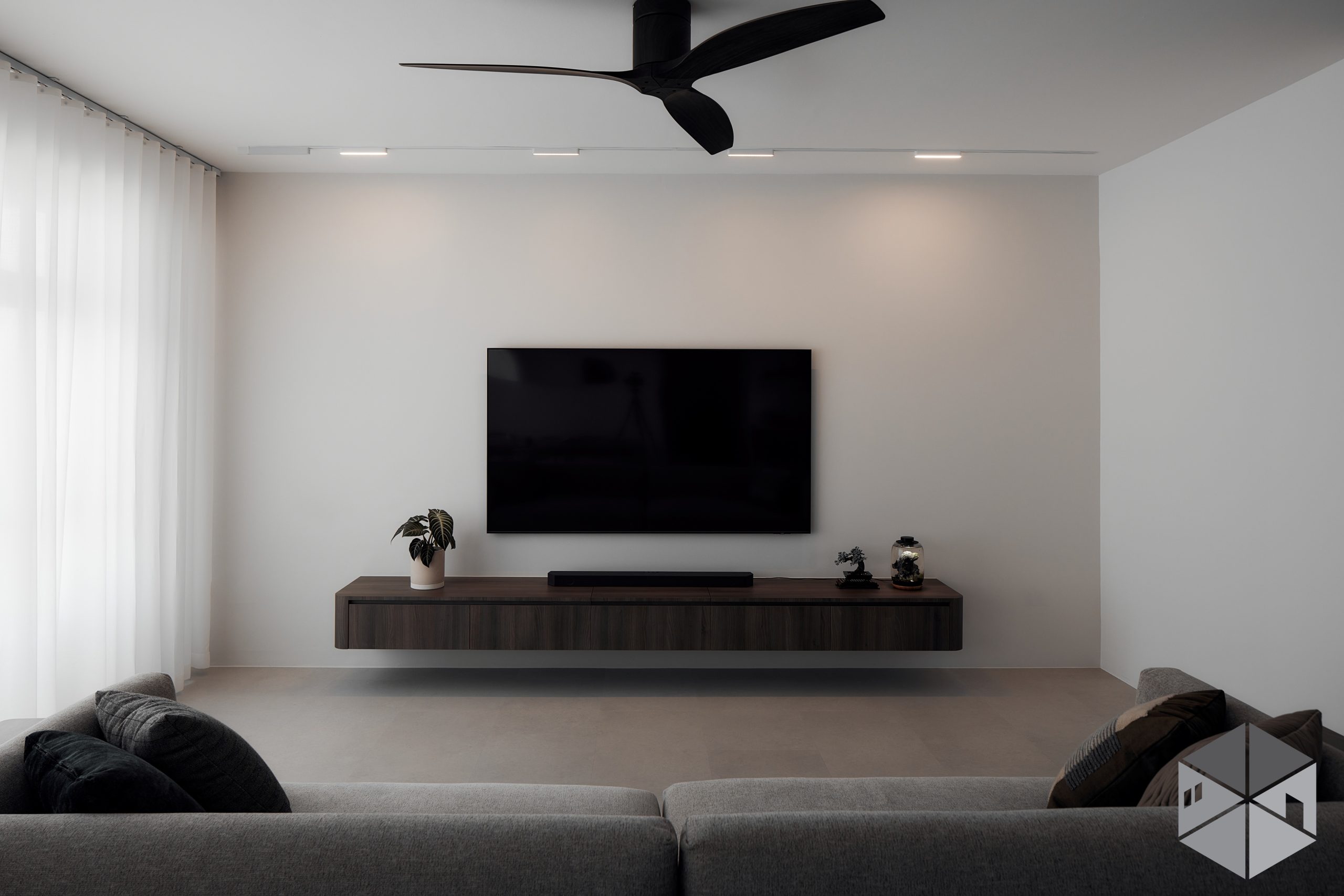
So, if you could transform your HDB maisonette into the luxurious sanctuary of your dreams, what would that look like?


  • Upload floor plan (if any)
  •  

Accreditation