fbcode

A Guide to Different Interior Design Styles

Interior design is an art and science of enhancing the aesthetics, functionality, and overall appeal of a space. It involves the selection of colors, furniture, lighting, and other elements to create a harmonious and visually pleasing environment. One of the key aspects of interior design is the style that is chosen for a particular space. There are various interior design styles that have evolved over the years, each with its unique characteristics and aesthetics. In this article, we will explore different interior design styles and provide a comprehensive guide on how to choose the right one for your space.

What is Interior Design?

Interior design is the process of planning, designing, and executing the layout and decoration of a space to create a functional and visually appealing environment. It involves the use of various design principles, such as balance, proportion, scale, rhythm, and harmony, to create a cohesive and well-designed space. Interior designers use their creativity, technical skills, and knowledge of design principles to transform ordinary spaces into functional and aesthetically pleasing ones.

Importance of Interior Design Styles

Interior design styles play a crucial role in setting the tone and mood of a space. They reflect the personality and taste of the homeowner or occupant and can greatly impact the overall ambience and functionality of a space. Choosing the right interior design style is essential to create a space that is not only visually appealing but also functional and comfortable.

Interior design styles also help create a cohesive and harmonious look throughout a space. By selecting furniture, colors, and accessories that are consistent with a particular style, interior designers can create a unified and visually pleasing environment that flows seamlessly from one room to another.

Popular Interior Design Styles

There are numerous interior design styles that have gained popularity over the years. Let’s take a closer look at some of the most popular ones:

1. Scandinavian Style

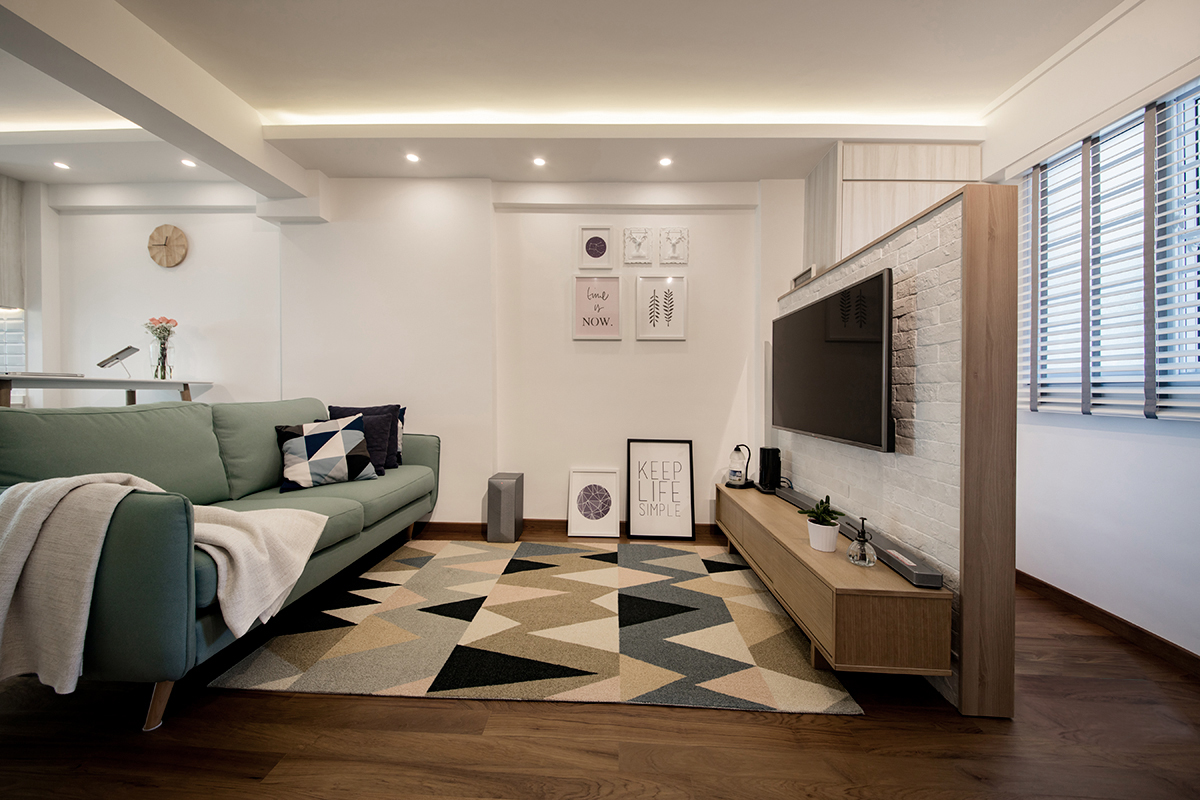
Scandinavian style, also known as Nordic style, is known for its simplicity, functionality, and minimalism. It features a neutral color palette with lots of whites, grays, and light woods, creating a bright and airy atmosphere. Scandinavian style often incorporates natural elements, such as wood and stone, and focuses on clean lines and simple forms. This style is perfect for those who appreciate a minimalist and modern aesthetic.

2. Industrial Style

Industrial style originated from converted industrial spaces and is characterized by its raw and unfinished look. It often features exposed brick walls, metal accents, and open ceiling structures. Industrial style incorporates a mix of modern and vintage elements, such as distressed furniture, salvaged materials, and utilitarian lighting. This style is ideal for those who prefer a rugged and edgy aesthetic.

3. Mid-century Modern Style

Mid-century modern style emerged in the mid-20th century and is known for its clean lines, organic shapes, and bold colors. It often incorporates furniture with tapered legs, retro patterns, and sleek finishes. Mid-century modern style is perfect for those who appreciate a vintage and minimalist look with a touch of nostalgia.

4. Bohemian Style

Bohemian style, also known as boho chic, is a free-spirited and eclectic style that celebrates creativity and individuality. It often incorporates bold colors, mixed patterns, and layered textures. Bohemian style embraces a carefree and relaxed vibe, with an emphasis on handmade and artisanal elements. This style is ideal for those who enjoy a vibrant and unconventional aesthetic.

5. Contemporary Style

Contemporary style, also known as modern style, is characterized by its sleek and minimalist look. It features clean lines, simple forms, and a neutral color palette with pops of bold colors. Contemporary style often incorporates modern materials, such as glass, metal, and concrete, and focuses on functionality and practicality. This style is perfect for those who appreciate a clean and sophisticated aesthetic.

6. Traditional Style

Traditional style is a timeless and classic interior design style that draws inspiration from the past. It often features rich colors, ornate patterns, and elegant furniture with intricate detailing. Traditional style embraces a sense of formality and grandeur, with a focus on symmetry and balance. This style is ideal for those who appreciate a refined and elegant aesthetic.

7. Transitional Style

Transitional style, also known as classic contemporary style, is a blend of traditional and modern elements. It combines the warmth and elegance of traditional style with the simplicity and functionality of contemporary style. Transitional style often features neutral colors, clean lines, and a mix of traditional and modern furniture. This style is perfect for those who enjoy a balanced and timeless aesthetic.

8. Minimalist Style

Minimalist style is all about simplicity and functionality. It features a clean and uncluttered look with a focus on essential elements. Minimalist style often incorporates neutral colors, simple forms, and a limited use of furniture and accessories. This style is ideal for those who appreciate a minimalist and streamlined aesthetic.

9. Coastal Style

Coastal style, also known as beach style or nautical style, is inspired by the relaxed and breezy atmosphere of coastal living. It often features a color palette of blues, whites, and sandy neutrals, along with natural materials like wood and rattan. Coastal style incorporates elements of the sea, such as shells, ropes, and driftwood, and has a casual and relaxed vibe. This style is perfect for those who enjoy a coastal and beachy aesthetic.

10. Farmhouse Style

Farmhouse style is a rustic and charming interior design style that draws inspiration from the simple and functional aesthetic of farmhouses. It often features natural materials, such as reclaimed wood and distressed finishes, along with neutral colors and vintage elements. Farmhouse style embraces a cozy and welcoming atmosphere, with a focus on comfort and practicality. This style is ideal for those who appreciate a rustic and nostalgic aesthetic.

11. Eclectic Style

Eclectic style is a mix-and-match approach to interior design that combines elements from different styles, eras, and cultures. It often features bold colors, mixed patterns, and an array of textures and materials. Eclectic style encourages creativity and self-expression, allowing for a highly personalized and unique aesthetic. This style is perfect for those who enjoy an eclectic and unconventional look.

How to Choose the Right Interior Design Style

Choosing the right interior design style for your space can seem overwhelming with so many options available. Here are some tips to help you make the right decision:

  1. Consider the function of the space: Think about how the space will be used and what the primary purpose of the room will be. Different interior design styles may be more suitable for certain functions. For example, a minimalist style may be perfect for a home office where simplicity and functionality are key, while a bohemian style may be ideal for a creative studio or a cozy reading nook.
  1. Consider your personal taste: Your personal preferences and style should also play a significant role in your decision. Consider what resonates with you the most and what makes you feel comfortable and happy in your space. If you love bold colors and patterns, a bohemian or eclectic style may be the right fit for you. If you prefer a more subdued and minimalist look, then a contemporary or Scandinavian style may be more suitable.
  2. Consider the existing architecture and features: Take into consideration the existing architectural elements and features of your space. For example, if you have large windows with a beautiful view, a minimalist or contemporary style may be the best choice to highlight the natural beauty outside. If you have exposed brick walls or wooden beams, a rustic or industrial style may complement those elements well.
  3. Consider your budget: Different interior design styles may require different budgets. Some styles may require more expensive materials, furniture, and accessories, while others may be more budget-friendly. Consider your budget and do research on the cost of different styles to ensure that you can achieve the desired look within your budget.
  4. Consider the long-term durability: Durability and practicality are also important factors to consider when choosing an interior design style. Consider the materials used in the style and whether they are practical for your lifestyle and maintenance preferences. For example, if you have young children or pets, a delicate and high-maintenance style may not be the best choice.
  5. Consider the overall cohesion: Lastly, consider how the interior design style of your choice will fit in with the overall aesthetic of your home or space. It’s important to create a cohesive look and feel throughout your space to ensure that it flows seamlessly and looks visually appealing. Consider how the chosen style will complement or contrast with the existing elements in your space, such as the color scheme, furniture, and accessories.

Conclusion

Interior design styles offer a wide range of options for creating a unique and personalized look in your home or space. From modern and minimalist to rustic and bohemian, there is a style that suits every taste and preference. By considering factors such as the function of the space, your personal taste, the existing architecture, budget, durability, and overall cohesion, you can choose the right interior design style that reflects your personality and creates a visually appealing and functional space.

In conclusion, if you’re looking for top-notch interior design services in Singapore, Elpis is the brand to consider. With their expertise in Singapore-specific design, ability to deliver customized and personalized designs, and comprehensive range of design services, Elpis stands out as a reliable and creative choice for your interior design needs. Trust their team of professional interior designers to bring your vision to life, creating a unique and stunning space that reflects your personality and enhances your overall living experience. Contact Elpis today to elevate your interior design project to new heights.


The Importance of Interior Design Consultations in Singapore

Interior design plays a crucial role in enhancing the look and feel of any space, be it a home, office, or commercial establishment. In Singapore, where space is at a premium, interior design consultations have become increasingly important in helping individuals and businesses maximize their space and create functional and aesthetically pleasing environments. In this article, we will explore the importance of interior design consultations in Singapore and the benefits they offer.

Interior design consultations involve working with a professional interior designer to create a design plan that meets your specific needs and preferences. Whether you are renovating your home or office, or starting from scratch, an interior design consultation can help you achieve your desired outcome. In Singapore, interior design consultations have become an integral part of the design process due to the unique challenges posed by the country’s limited space and high cost of living.

Maximizing Space

One of the key benefits of interior design consultations in Singapore is the ability to maximize space. With limited space available, it is essential to make the most of what you have. An experienced interior designer can help you optimize your space by selecting the right furniture, colors, and materials that will make your space look and feel more spacious.

Creating Functional Spaces

Another important aspect of interior design consultations is creating functional spaces. An interior designer can help you design spaces that are not only aesthetically pleasing but also functional. This means selecting furniture and decor that serve a purpose, such as storage solutions or multi-purpose furniture. In Singapore, where many individuals live in smaller homes and apartments, functional design is essential to make the most of limited space.

Enhancing Aesthetics

Of course, aesthetics is an important aspect of interior design consultations as well. An interior designer can help you create a space that reflects your personal style and taste while also incorporating the latest design trends. This means selecting the right colors, patterns, and textures that will create the desired ambiance in your space.

Cost Savings

While some may view interior design consultations as an added expense, they can actually save you money in the long run. An experienced interior designer can help you avoid costly mistakes by selecting the right materials and furnishings that will stand the test of time. This means you won’t have to spend money on replacing items that wear out quickly or don’t meet your needs.

Working with Professionals

Working with a professional interior designer can provide you with access to a wealth of knowledge and expertise. An interior designer can help you navigate the design process and make informed decisions about your space. They can also recommend reliable contractors and suppliers, saving you time and hassle.

Increased Property Value

Investing in interior design consultations can also increase the value of your property. A well-designed space is not only more functional and aesthetically pleasing but can also command a higher price if you decide to sell your property in the future. This means you can recoup your investment in interior design consultations and potentially even make a profit.

Tailored to Your Needs

Perhaps the most significant benefit of interior design consultations is that they are tailored to your specific needs and preferences. An interior designer can work with you to create a design plan that reflects your personality, lifestyle, and budget. This means you can achieve your desired outcome while also staying within your means.

In conclusion, interior design consultations play a crucial role in creating functional and aesthetically pleasing environments in Singapore. By working with a professional interior designer, you can maximize your space, enhance the aesthetics, save money, and increase property value. If you are looking for expert interior design consultation services in Singapore, look no further than Elpis Interior Design. Our team of experienced designers is dedicated to helping you create the space of your dreams. Contact us today to schedule a consultation and take the first step towards transforming your space.


Transforming Your Home: The Future of Smart Home Interior Designers in Singapore

As technology continues to advance at a rapid pace, the way we design and interact with our homes is also changing. Smart home technology has become increasingly popular, with homeowners seeking to create a more connected and automated living space. In Singapore, this trend has led to the emergence of a new type of interior designer – one who specializes in smart home design. In this article, we will explore the future of smart home interior designers in Singapore and the benefits they can bring to homeowners.

What is Smart Home Interior Design?

Smart home interior design involves incorporating technology into the design and functionality of a home. This can range from simple devices such as smart thermostats and lighting systems, to more complex systems such as home automation and security systems. The goal of smart home interior design is to create a more efficient and comfortable living space that is tailored to the needs of the homeowner.

The Benefits of Smart Home Interior Design

There are many benefits to incorporating smart home technology into your home design. Some of the key benefits include:

Improved Efficiency

Smart home technology can help to improve the efficiency of your home by automating tasks such as lighting and temperature control. This can help to reduce energy consumption and lower your utility bills.

Increased Security

Smart home security systems can provide increased protection for your home and family. With features such as remote monitoring and motion sensors, you can ensure that your home is always secure.

Greater Comfort

Smart home technology can also help to create a more comfortable living space. Features such as smart lighting and temperature control can be customized to your preferences, ensuring that your home is always at the perfect temperature and lighting level.

Enhanced Entertainment

Smart home technology can also enhance your entertainment experience by providing features such as home theater systems and whole-house audio.

The Role of Smart Home Interior Designers

As smart home technology becomes more popular, the role of interior designers is evolving. Smart home interior designers specialize in incorporating technology into the design and functionality of a home. They work closely with homeowners to understand their needs and preferences, and then create a customized smart home design that meets those needs.

Design Expertise

Smart home interior designers have a deep understanding of technology and how it can be integrated into home design. They can help to select the right devices and systems to create a seamless and efficient living space.

Customized Solutions

Smart home interior designers work closely with homeowners to understand their needs and preferences. They can create customized smart home solutions that are tailored to the specific needs of the homeowner.

Seamless Integration

Smart home interior designers ensure that smart home technology is seamlessly integrated into the design and functionality of the home. This includes selecting devices and systems that blend in with the home’s aesthetics and ensuring that they work together seamlessly.

The Future of Smart Home Interior Design in Singapore

Smart home technology is becoming increasingly popular in Singapore, and as a result, the demand for smart home interior designers is also on the rise. The future of smart home interior design in Singapore is bright, with many opportunities for growth and innovation.

Increased Demand

As more homeowners seek to incorporate smart home technology into their homes, the demand for smart home interior designers will continue to increase. This presents a great opportunity for designers to specialize in this area and provide customized solutions to homeowners.

Technological Advancements

As technology continues to advance, there will be more opportunities to integrate smart home technology into home design. Smart home interior designers will need to stay up-to-date with the latest technologies and innovations to provide the best solutions to their clients.

Innovative Designs

Smart home interior designers in Singapore will need to be innovative and creative to stand out in a competitive market. This will involve incorporating unique and creative design elements that blend in with the

Collaborative Approach

Smart home interior designers in Singapore will need to work closely with other professionals, such as architects, contractors, and technology vendors, to create seamless and integrated smart home solutions. This collaborative approach will be critical in ensuring that smart home technology is integrated into the home design in a way that is both functional and aesthetically pleasing.

How to Choose a Smart Home Interior Designer

If you are considering incorporating smart home technology into your home design, it is important to choose the right interior designer. Here are some tips to help you make the right choice:

Experience and Expertise

Choose an interior designer who has experience and expertise in smart home technology. Look for designers who have a track record of designing and implementing smart home solutions for their clients.

Collaboration Skills

Choose a designer who has strong collaboration skills and can work well with other professionals involved in the home design process.

Portfolio and Testimonials

Look at the designer’s portfolio and read client testimonials to get an idea of their design style and customer satisfaction.

Knowledge of Local Regulations

Ensure that the designer has a good understanding of local regulations and can design smart home solutions that are compliant with local laws and regulations.

In conclusion, the future of smart home interior design in Singapore is exciting and full of potential. As technology continues to advance and homeowners become increasingly interested in smart home solutions, the role of smart home interior designers will become more important than ever. If you are interested in incorporating smart home technology into your home design, it is important to choose a designer who has experience, expertise, and collaboration skills. At Elpis Interior Design, we are committed to helping homeowners create customized smart home solutions that meet their unique needs and preferences. Contact us today to learn more about our services and how we can help you transform your home with smart home technology.


Making the Most of Your Outdoor Space: Ideas for Home Renovation in Singapore

Outdoor spaces have become increasingly important in homes, providing a haven for relaxation and entertainment. With the pandemic driving us indoors, it’s more important than ever to make the most of our outdoor spaces. From hosting barbeque parties with friends and family to relaxing in the sun with a book, an outdoor space can provide a much-needed respite from the hustle and bustle of daily life.

In this article, we’ll explore ideas for renovating your outdoor space in Singapore to create a stylish and functional oasis that you can enjoy year-round. Whether you have a small balcony or a sprawling backyard, these ideas will help you transform your outdoor space into a haven that’s perfect for you. So let’s dive in and explore the possibilities!

Planning for an outdoor space renovation

Before starting your outdoor space renovation project, it’s important to have a solid plan in place. Here are some key considerations:

1) Assessing the current outdoor space

The first step is to evaluate your existing outdoor space. Take note of the size, shape, and any existing features, such as trees, fences, or walls. Determine what you like and dislike about the space and what changes you would like to make.

2) Identifying your needs and goals

Next, consider how you want to use your outdoor space. Do you want a space for entertaining guests or a quiet retreat for relaxation? Do you need a play area for kids or a garden for growing plants? Identifying your needs and goals will help guide the design and layout of your outdoor space.

3) Budget considerations

Finally, determine your budget for the renovation project. This will influence the scope of the project and what materials and features you can afford. Be sure to include costs for materials, labor, and any additional expenses such as permits or inspections.

Designing an outdoor space renovation

When designing an outdoor space renovation, choosing a theme or style is an important step. This will help to create a cohesive look and feel for the space. Some popular themes or styles to consider include:

  • Modern: featuring clean lines, minimalism, and sleek materials like metal and glass
  • Rustic: showcasing natural materials like wood and stone, often with a cozy, cabin-like feel
  • Coastal: evoking a beachy vibe with bright colors, stripes, and nautical decor
  • Mediterranean: featuring warm colors, tile accents, and lush greenery for a relaxing, vacation-like atmosphere

Once you have chosen a theme or style for your outdoor space renovation, it’s time to select outdoor furniture and decor that will complement it. Some tips to keep in mind include:

  • Choose durable materials that can withstand the elements, such as metal, teak, or resin wicker
  • Consider the size and scale of your space when selecting furniture – you don’t want to overcrowd or overwhelm the area
  • Look for decor pieces that add visual interest and texture, such as outdoor rugs, throw pillows, and wall art
  • Don’t forget about lighting – string lights, lanterns, and sconces can all add ambiance to your outdoor space

Greenery and landscape are essential components of any outdoor space renovation. They add visual interest, texture, and color, and can even provide privacy and shade. Some ideas to consider include:

  • Adding potted plants or hanging baskets for a touch of greenery
  • Incorporating a garden bed or raised planter for flowers, herbs, or vegetables
  • Creating a focal point with a statement tree or shrub
  • Adding hardscaping elements like a stone pathway or patio to complement your landscaping

Ideas for outdoor space renovation in Singapore

There are many ways to renovate an outdoor space in Singapore, and the following ideas can help transform any backyard or balcony into a peaceful and relaxing oasis.

1)  Garden Oasis

One popular idea is to create a garden oasis. Singapore’s tropical climate is ideal for creating lush, green gardens that can provide a calming and tranquil environment. Incorporating a variety of plants, flowers, and trees can enhance the aesthetic appeal of any outdoor space and create a natural sanctuary.

2) Water Feature

Another great option is to add a water feature, such as a fountain or pond. The sound of running water can have a soothing effect and add a sense of tranquility to the environment. Additionally, a water feature can help to attract birds and other wildlife to the outdoor space, further enhancing the natural ambiance.

3) Outdoor kitchen or BBQ area

For those who love to cook and entertain, building an outdoor kitchen or BBQ area can be a fantastic addition to any outdoor space. These areas can provide a convenient and practical space for cooking and hosting guests, while also adding an element of sophistication and luxury to the environment.

4) Deck or Patio

Installing a deck or patio can also help to create an inviting and functional outdoor space. These areas can be used for dining, relaxing, and entertaining, and can be designed to accommodate a range of different styles and aesthetics.

5) Outdoor Lounge

Creating an outdoor lounge or entertainment area is another excellent way to renovate an outdoor space. This can involve incorporating comfortable seating, lighting, and other elements that can help to create a cozy and inviting environment for spending time with family and friends.

6) Pool or Jacuzzi

Finally, incorporating a pool or jacuzzi can be a luxurious and refreshing addition to any outdoor space. These features can help to create a resort-like atmosphere and provide a perfect space for relaxation and enjoyment on hot summer days.

Overall, there are many different ways to renovate an outdoor space in Singapore, and the above ideas provide a starting point for creating a beautiful and functional environment that can be enjoyed year-round.

Tips for maintaining your outdoor space

1) Regular cleaning and upkeep

  • Sweep or rake any leaves or debris regularly to keep your outdoor space looking tidy.
  • Use a pressure washer to clean hard surfaces such as patios, decks, and walkways.
  • Clean outdoor furniture regularly to keep it looking good and protect it from damage.
  • Check for any damage or wear and tear, and fix any issues as soon as possible to prevent further damage.

2) Protecting furniture and decor from weather damage

  • Store outdoor furniture and decor indoors or in a shed during harsh weather conditions such as storms or extreme heat.
  • Use weather-resistant furniture and decor to ensure they can withstand the elements.
  • Apply a protective coating or sealant to wood furniture to prevent it from getting damaged by moisture.

3) Pruning and maintaining greenery and landscaping

  • Regularly prune and trim trees and bushes to keep them healthy and in shape.
  • Keep the lawn mowed and watered regularly to maintain its health and appearance.
  • Remove any weeds and unwanted plants from the garden to keep it looking neat and tidy.
  • Fertilize plants and trees regularly to keep them healthy and promote growth.

In conclusion

Revamping your outdoor space can seem like a daunting task, but the benefits of doing so are numerous. A well-designed and maintained outdoor space can boost your mood, increase your property value, and even promote a healthier lifestyle by encouraging outdoor activities. Not to mention, in Singapore’s tropical climate, a well-shaded and comfortable outdoor space can offer a much-needed respite from the heat.

So, whether you’re looking to create a peaceful retreat or a fun entertaining area, don’t be afraid to get creative and make the most of your outdoor space. Incorporating the tips mentioned above for maintaining your outdoor space can help keep it in tip-top shape, ensuring you can enjoy it for years to come. So, what are you waiting for? Start planning your outdoor space renovation project today and reap the benefits of having a beautiful and functional outdoor space in Singapore.

Renovate your house with Elpis!

We make use of 3D rendering and animation.

Elpis Interior offers full service, providing complete interior design from concept to completion. We work with clients at any stage and have provided services to the private and commercial sectors. At Elpis Interior we’re all about helping you visualize your space before it’s built, saving you money and time. We use 3D rendering and animation to show you exactly how your space will look, before it’s even built. Get your real renovation plan with our animation and 3D visualization by contacting us here or visiting our showroom for clearer info at 4A Pahang St, Singapore 198605. 


Revamping Your Kitchen: Ideas for Home Renovation in Singapore

The kitchen is often considered the heart of the home, and for good reason. It’s a space where families come together to cook, eat, and share their daily lives. With the fast-paced lifestyle in Singapore, it’s more important than ever to have a functional and stylish kitchen. Renovating your kitchen can not only enhance the aesthetic appeal of your home but also increase its value.

However, planning a kitchen renovation can be overwhelming, with so many options available. In this article, we’ll provide some ideas for revamping your kitchen to help you create the perfect space for your family.

Assessing Your Kitchen

Before you start planning your kitchen renovation, it’s important to assess your current kitchen’s needs. Consider the following factors:

  • The size and layout of your kitchen: Your kitchen’s size and layout will impact your kitchen’s needs. If you have a small kitchen, you may need to choose appliances that are space-saving or built-in.
  • Your cooking and baking habits: Consider how often you cook, what types of meals you typically prepare, and the size of your family. This will help you determine the type and size of appliances you need.
  • The functionality of your appliances: Appliances come in a variety of styles and finishes, so choose ones that match the overall style of your kitchen. Stainless steel is a popular choice, but there are also options for white, black, or custom colors.
  • Your budget: Finally, it’s important to create a budget for your kitchen renovation. This can help you prioritize your needs and avoid overspending. Be sure to factor in the costs of materials, labor, and permits, as well as any unexpected expenses.

Once you’ve assessed your kitchen’s needs, you can start thinking about how to maximize space and create a functional and efficient layout.

Kitchen Design Ideas

One of the most important aspects of a kitchen renovation is the design. Singapore has a wide range of popular kitchen design trends to choose from, including minimalist, industrial, and Scandinavian styles. Here are the differences among the three:


Design Style Characteristics Color Palette Materials and Finishes
Minimalist Clean lines, simple and sleek design, minimal clutter Neutral color palette with black, white, and gray Stainless steel, concrete, glass, high-gloss finishes
Industrial Exposed brick or pipes, raw materials, utilitarian design Neutral color palette with black, white, and gray Concrete, brick, metal, wood, distressed finishes
Scandinavian Cozy and inviting design, natural materials, functional Neutral color palette with white, gray, and light wood tones Light wood, natural stone, ceramic tiles, pastel accents


When choosing a design, it’s important to consider the color palette, materials, and finishes. Overall, each design style offers a unique look and feel, so it’s important to choose the one that best fits your personal style and preferences. For example, if you prefer a minimalist style, you may want to choose a neutral color palette and sleek materials like stainless steel or concrete. If you prefer a more traditional look, you might opt for warm wood finishes and classic tile backsplashes.


Kitchen Appliance Upgrades

Upgrading your kitchen appliances can make a big difference in the functionality and efficiency of your kitchen. Singapore has a range of popular appliance trends to choose from, including smart appliances, induction cooktops, and convection ovens.

When it comes to choosing the right appliances for your kitchen, there are several tips that may be useful for you. By following these tips, you can choose appliances that fit your needs, budget, and style, and will help make your kitchen functional and efficient.

Determine your budget

Appliances can be a significant investment, so it’s important to determine your budget before you start shopping. Consider the long-term savings of energy-efficient appliances, which may be more expensive upfront but can save you money in the long run.

Research appliance brands and features

There are many appliance brands and models on the market, each with their own unique features and technologies. Do your research and read reviews to find appliances that have the features and performance you’re looking for.

Look for energy-efficient options

Energy-efficient appliances can help reduce your energy bills and have a lower environmental impact. Look for appliances with the ENERGY STAR label, which means they meet energy efficiency guidelines set by the U.S. Environmental Protection Agency.

Don’t forget about maintenance and warranties

Before you make your final decision, consider the maintenance requirements and warranty for each appliance. Look for appliances with easy-to-clean features and warranties that cover repairs or replacements for a reasonable amount of time.

Lighting and Decor

Lighting and decor are important aspects of any kitchen renovation. Good lighting can improve the functionality and ambiance of your kitchen, while decor can add personality and make your kitchen look more stylish.

In Singapore, popular lighting trends include pendant lights and LED strip lighting. When choosing lighting, it’s important to consider the color temperature and brightness. Here are some tips on how to choose the right lighting fixtures and decor for your kitchen:

Determine the purpose of the space

The first step in choosing lighting fixtures and decor for your kitchen is to consider the main purpose of the space. Will it primarily be used for cooking, entertaining, or both? This will help you determine the type and amount of lighting you need.

Consider the size and layout of the kitchen

The size and layout of your kitchen will also impact your lighting choices. If you have a small kitchen, you may need to choose lighting fixtures that are space-saving or have a lower profile.

Choose the right type of lighting

There are three main types of lighting: ambient, task, and accent. Ambient lighting provides general illumination, task lighting is focused on specific areas for tasks like cooking, and accent lighting is used to highlight decorative elements. Consider all three types of lighting when choosing fixtures for your kitchen.

Mix and match lighting fixtures

Mixing and matching lighting fixtures can add interest and depth to your kitchen design. For example, you could combine recessed lighting with pendant lights or a chandelier to create a layered look.

Choose lighting fixtures that match your style

Lighting fixtures come in a variety of styles and finishes, so choose ones that match the overall style of your kitchen. Consider the finishes of other fixtures and hardware in the space, such as cabinet knobs and faucets.

Add decorative elements

Decorative elements like artwork, plants, and decorative bowls or plates can add interest and personality to your kitchen. Choose items that complement the overall style of your kitchen and are appropriate for the space.

Don’t forget about maintenance and safety

When choosing lighting fixtures and decor, consider the maintenance requirements and safety concerns. Choose fixtures that are easy to clean and maintain, and make sure they are installed safely and securely.


In Conclusion

A kitchen renovation can transform your home and make your daily life more enjoyable. By assessing your kitchen’s needs, choosing a design, upgrading your appliances, adding lighting and decor, and hiring a professional contractor, you can create the kitchen of your dreams in Singapore.


Create the Kitchen of Your Dreams with Elpis!

We make use of 3D rendering and animation.

Elpis Interior offers full service, providing complete interior design from concept to completion. We work with clients at any stage and have provided services to the private and commercial sectors. At Elpis Interior we’re all about helping you visualize your space before it’s built, saving you money and time. We use 3D rendering and animation to show you exactly how your space will look, before it’s even built. Get your real renovation plan with our animation and 3D visualization by contacting us here or visiting our showroom for clearer info at 4A Pahang St, Singapore 198605.


Managing Your Renovation Timeline: A Guide for Singaporean Homeowners

Renovating your home can be an exciting experience, but it can also be stressful and overwhelming if you don’t manage your scheduling effectively. Singaporean homeowners face unique challenges during renovation projects, such as tight deadlines, limited space and strict regulations, so it’s essential to plan and prepare thoroughly.

In this article, we’ll guide you through the renovation timeline and provide practical tips for managing each stage of the process. Whether you’re renovating your entire home or just a room, this guide will help you stay on track and achieve your desired results.

Planning Before Renovation

The first stage of your renovation timeline is pre-renovation planning. It involves several critical tasks such as research and idea generation, budgeting and financing, hiring a renovation contractor, and obtaining permits and approvals. By completing these pre-renovation planning tasks, you can ensure that your renovation project runs smoothly and meets your expectations.

Research and Idea Generation

  • Browse home renovation websites, magazines, and social media platforms for inspiration and ideas
  • Take note of your preferences for style, color, and materials
  • Consider the functionality and practicality of your renovation plans.


Budgeting and Financing

  • Establish a budget based on your renovation goals and priorities
  • Research financing options, such as personal loans, home equity loans, and renovation loans
  • Calculate the total cost of the renovation project, including materials, labor, and any additional fees


Hiring a Renovation Contractor

  • Research and compare renovation contractors based on their experience, reputation, and portfolio
  • Check for licenses, certifications, and insurance
  • Request quotes and proposals from at least three contractors and compare them based on cost, timeline, and scope of work


Permit and Approval Processes

  • Check the relevant government websites for guidelines and regulations
  • Determine if you need permits or approvals for your renovation project
  • Prepare and submit the necessary documents and applications for permits and approvals

During the Renovation

The second stage of your renovation timeline is during the renovation itself. This stage involves several tasks such as setting a realistic timeline, communicating with your renovation contractor, making decisions and changes, and managing unexpected issues. By completing these during renovation planning tasks, you can ensure that your renovation project stays on track and meets your expectations.

Setting a Realistic Timeline

  • Work with your renovation contractor to establish a timeline that accounts for any potential delays or unexpected issues
  • Regularly review and update the timeline to ensure that the project stays on track


Communicating with the Renovation Contractor

  • Maintain regular communication with your contractor to stay informed about the progress of the renovation project
  • Address any concerns or issues promptly to avoid delays or complications


Making Decisions and Changes as Needed

  • Be flexible and open to making changes to the renovation plans if necessary
  • Work with your contractor to determine the best course of action for any changes that arise during the renovation process


Managing Unexpected Issues

  • Anticipate potential issues that may arise during the renovation process and have a plan in place to address them
  • Work closely with your contractor to resolve any unexpected issues promptly and minimize their impact on the renovation project

After Renovation

The third stage of your renovation timeline is post-renovation. This stage involves several tasks such as final inspection and walkthrough, payment and invoicing, documenting and reviewing the renovation process, and tips for maintaining the newly renovated space.

After completing your renovation project, it’s important to conduct a final inspection and walkthrough with your contractor. This step is crucial to ensure that everything is in order and meets your expectations. During the inspection, check that all the work has been completed to the agreed-upon specifications and that all the necessary permits and approvals have been obtained. Take note of any defects, errors, or issues that need to be addressed, and work with your contractor to resolve them promptly. Conducting a final inspection and walkthrough will give you peace of mind that your renovation project has been completed to your satisfaction and that any outstanding issues have been resolved.

Moreover, you should also make sure that all invoices and payments have been settled before closing out the project. It’s also essential to document the renovation process and review your experiences to improve your next renovation project.

Lastly, maintaining your newly renovated space is essential to preserving its beauty and functionality. Below are some tips on how to maintain the newly renovated space to preserve its beauty and functionality.


Tip Description
Clean Regularly Regular cleaning is essential to maintaining the appearance and functionality of your newly renovated space. Dust and debris can accumulate quickly, so it’s important to vacuum, sweep, and dust frequently.
Use Protective Measures To prevent damage to your newly renovated space, use protective measures such as furniture pads, coasters, and rugs. These can help prevent scratches, stains, and other types of damage.
Monitor Humidity Levels High humidity levels can cause mold and mildew to grow, which can damage your renovated space. Use a dehumidifier or air conditioner to keep humidity levels at an appropriate level.
Address Issues Promptly If you notice any issues or problems with your renovated space, address them promptly. This can help prevent further damage and ensure that your space remains functional and beautiful.
Maintain Appliances If your renovation project included new appliances, be sure to follow the manufacturer’s instructions for maintenance and care. Regular cleaning and maintenance can help extend the life of your appliances and keep them running smoothly.
Schedule Regular Maintenance Consider scheduling regular maintenance appointments with your renovation contractor.


In Conclusion

Renovating your home is an exciting experience, but it requires careful planning and project management to achieve the desired results. By following the renovation timeline and implementing the tips we’ve provided, you can make the renovation process smoother and more efficient. Remember to stay flexible and communicate with your contractor throughout the process, and you’ll soon be enjoying your newly renovated space.


Manage Your Renovation Timeline with Elpis!

We make use of 3D rendering and animation.

Elpis Interior offers full service, providing complete interior design from concept to completion. We work with clients at any stage and have provided services to the private and commercial sectors. At Elpis Interior we’re all about helping you visualize your space before it’s built, saving you money and time. We use 3D rendering and animation to show you exactly how your space will look, before it’s even built. Get your real renovation plan with our animation and 3D visualization by contacting us here or visiting our showroom for clearer info at 4A Pahang St, Singapore 198605.


Renovation on a Budget: Tips for Singaporean Homeowners

Renovating your home can be an exciting process, but it can also be a daunting task, especially if you’re on a tight budget. As a Singaporean homeowner, you may be wondering how to renovate your home without breaking the bank. Fortunately, there are plenty of tips and tricks that can help you renovate your home on a budget. In this article, we’ll share some of the best cost-effective and affordable tips for Singaporean homeowners looking to renovate their homes without overspending.


How to Plan Ahead for Your Budget Renovation

Before you start your home renovation project, it’s important to plan ahead. This means setting a budget, prioritizing renovations, as well as getting multiple quotes from contractors so that you can compare prices and find the best deal. Planning ahead is essential to ensuring your renovation project stays within your financial means. Without proper planning, costs can spiral out of control, leaving you with a half-finished project and a hefty bill. Below are some tips on how to plan your budgeting for your renovation project:

  • Set a budget: Before you start your renovation project, determine how much you can afford to spend. Be realistic and take into account unexpected expenses that may arise.

  • Prioritize renovations: Determine which renovations are essential and which can wait until later. Focus on high-impact areas such as the kitchen, bathroom, and living room.

  • Get multiple quotes from contractors: Research and interview several contractors to find the best deal. Don’t be afraid to negotiate prices and ask for discounts.

Make Your Own DIY Projects

One way of money-saving tips on home renovation is to do some of the work yourself. There are plenty of DIY projects that you can take on, such as painting, installing light fixtures, and upgrading cabinet hardware. These projects are relatively easy and can make a big difference in the overall look and feel of your home.

Painting

Painting is a simple and cost-effective way to update the look of any room. Choose a color scheme that complements your décor and follow proper painting techniques for a professional finish.

Installing light fixtures

Replacing outdated light fixtures with new, modern ones can instantly update the look of your home. This is a relatively easy DIY project that can be completed in a weekend.

Upgrading cabinet hardware

Swapping out old cabinet hardware with new, stylish ones can give your kitchen or bathroom a fresh new look. This is an affordable DIY project that requires minimal tools and skills.

Refurbishing furniture

Instead of buying new furniture, consider refurbishing your old pieces. This can include reupholstering chairs, painting dressers, or staining tables.

Adding a backsplash

Adding a backsplash in your kitchen or bathroom can be a cost-effective way to add color and texture to the space. There are many DIY backsplash kits available that make this project easy and affordable.

Installing shelving

Installing shelving in your home can be a functional and stylish addition. This is a simple DIY project that requires basic tools and skills.


Prioritize on High-Impact Areas

When renovating your home on a budget, it’s important to focus on high-impact areas. This includes your kitchen, bathroom, and living room. These are the areas of your home that get the most use and are seen by guests. By focusing on these areas, you can make a big difference in the overall look and feel of your home without spending a fortune.

However, when deciding which areas to focus on for your budget renovation project, consider your personal needs and budget. While all of these areas can have a high impact on the overall look and feel of your home, kitchen and bathroom renovations are often more expensive than living room renovations. Here are the pros and cons of each high-impact area for your renovation.

Area Pros Cons
Kitchen Upgrading your kitchen can increase the value of your home and improve functionality. It’s also a room that potential buyers often prioritize when house hunting. Kitchen renovations can be expensive, especially if you replace appliances or install new cabinetry.
Bathroom Upgrading your bathroom can also increase the value of your home and improve functionality. It’s a room that gets a lot of use and can be a sanctuary for relaxation. Bathroom renovations can be costly, especially if you are reconfiguring the layout or replacing plumbing.
Living Room Upgrading your living room can improve the look and feel of your home. It’s a room that you and your family spend a lot of time in and can set the tone for the rest of the house. Living room renovations may not add significant value to your home, especially if you have limited space to work with.


Consider Alternative Materials

Another way to save money on home renovation is to consider alternative materials. For example, instead of using expensive hardwood flooring, consider laminate flooring. Instead of granite countertops, consider faux stone countertops. Vinyl wallpaper can also be a more affordable option than traditional wallpaper. By considering these alternative materials, you can save money on your renovation project without sacrificing style or quality. Be sure to research each material to ensure it meets your needs and budget.

Laminate flooring

Laminate flooring is a durable and affordable alternative to hardwood flooring. It comes in a variety of styles and colors and can mimic the look of wood, tile, or stone.

Faux stone countertops

Faux stone countertops are a cost-effective alternative to natural stone countertops. They are made from materials such as quartz and acrylic and can mimic the look of granite or marble.

Vinyl siding

Vinyl siding is a durable and low-maintenance alternative to wood siding. It comes in a variety of colors and styles and can mimic the look of wood, stone, or brick.

Acrylic bathtub liners

Acrylic bathtub liners are a more affordable alternative to replacing your entire bathtub. They are easy to install and come in a variety of colors and styles.

Engineered quartz countertops

Engineered quartz countertops are a durable and affordable alternative to natural stone countertops. They are made from a combination of quartz and resin and come in a variety of colors and patterns.

Porcelain tile

Porcelain tile is a durable and affordable alternative to natural stone tile. It comes in a variety of colors and styles and can mimic the look of marble, slate, or granite.


What to Take From This Article

In conclusion, renovating your home on a budget is possible. By planning ahead, taking on DIY projects, focusing on high-impact areas, considering alternative materials, repurposing and recycling, and negotiating with contractors, you can renovate your home without overspending. So don’t be afraid to take on that home renovation project – with these tips, you can make your home look and feel like new without breaking the bank.

Start Your Renovation Project on a Budget with Elpis!

We make use of 3D rendering and animation.

Elpis Interior offers full service, providing complete interior design from concept to completion. We work with clients at any stage and have provided services to the private and commercial sectors. At Elpis Interior we’re all about helping you visualize your space before it’s built, saving you money and time. We use 3D rendering and animation to show you exactly how your space will look, before it’s even built. Get your real renovation plan with our animation and 3D visualization by contacting us here or visiting our showroom for clearer info at 4A Pahang St, Singapore 198605.


Bathrooms That Wow: Interior Design Ideas for Luxurious Bathrooms in Singapore

Are you tired of your lackluster bathroom and ready for a luxurious upgrade? Look no further than the stunning bathrooms of Singapore for inspiration. A well-designed bathroom not only enhances the aesthetic of your home, but also creates a relaxing and rejuvenating oasis.

In this article, we’ll explore the latest interior design ideas for luxurious bathrooms in Singapore. From choosing the perfect color scheme and materials to maximizing space and incorporating eco-friendly features, we’ll provide tips and inspiration to help you create the bathroom of your dreams. Get ready to be wowed by the possibilities!

Choosing the Right Color Scheme

Color plays a crucial role in creating a luxurious bathroom. It can evoke different emotions and set the tone for the entire space. Here are some popular color schemes for luxurious bathrooms in Singapore:

  • Neutrals: A timeless and elegant option, neutral colors like white, beige, and gray create a clean and sophisticated look. They also provide a great backdrop for accent pieces and artwork.

  • Blues: Shades of blue, from soft baby blue to deep navy, create a calm and tranquil atmosphere reminiscent of a spa. Blue also pairs well with metallic accents, like gold or silver, for a touch of glamour.

  • Greens: Bringing the outdoors in, green creates a sense of tranquility and serenity. Pale greens, like mint or sage, work well in small spaces, while darker greens, like emerald or forest, add drama and sophistication.

  • Black and White: A classic combination, black and white creates a bold and modern look. The high contrast between the two colors adds visual interest, while gold or brass accents add warmth and luxury.

When choosing a color scheme, consider the overall aesthetic of your home and your personal style. Don’t be afraid to incorporate bold or unexpected colors for a unique and personalized touch.

Materials for Luxurious Bathrooms

The materials you choose for your bathroom can make a significant impact on the overall aesthetic and feel of the space. Here are some popular materials used in luxurious bathrooms in Singapore:

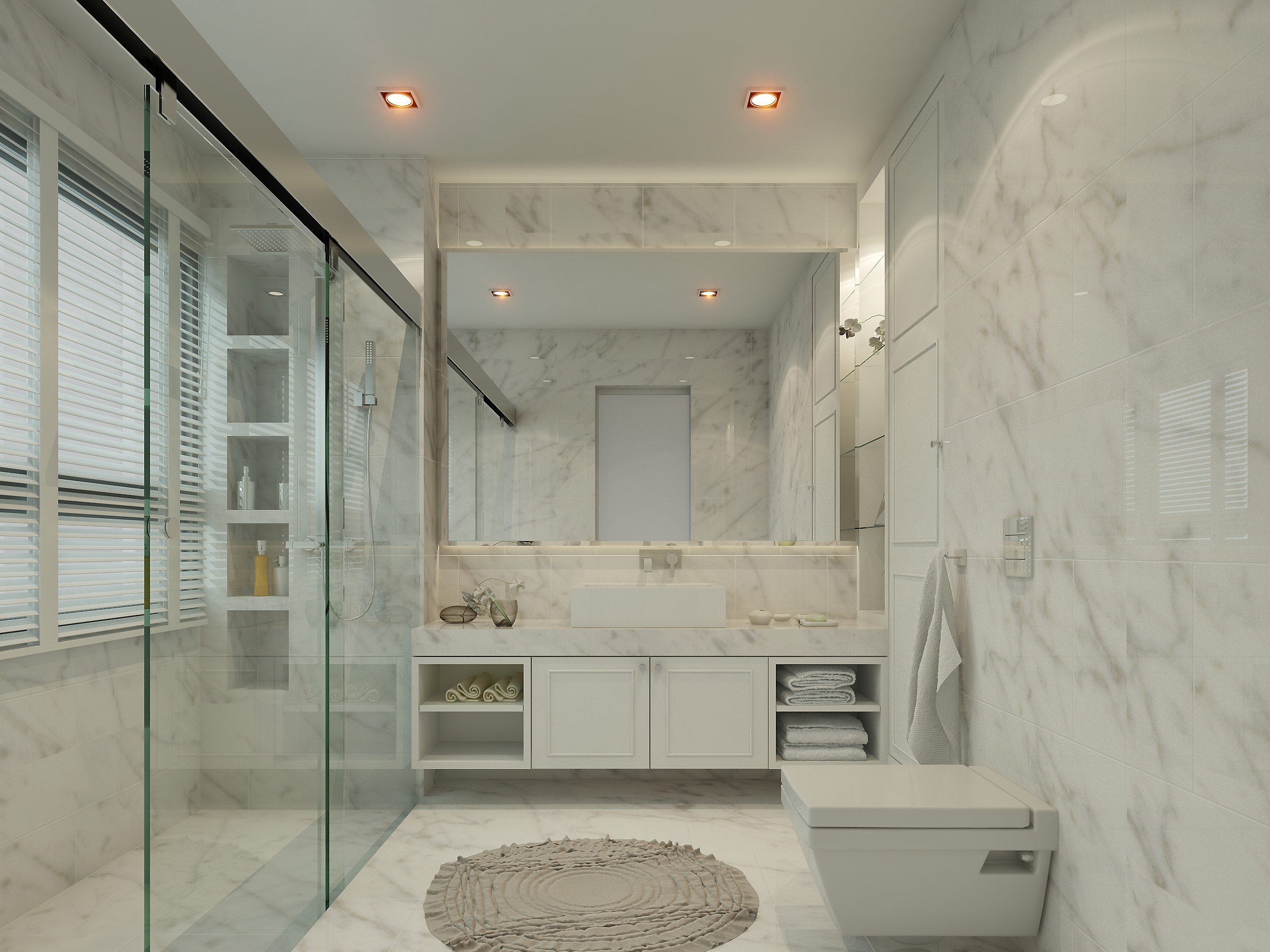
  1. Marble: Marble is a classic and elegant material that instantly adds a touch of luxury to any bathroom. It’s a popular choice for flooring, countertops, and shower walls.

  2. Natural Stone: Natural stone like granite or limestone creates a luxurious and organic feel in your bathroom. These materials are durable and add a touch of nature to your space.

  3. Glass: Glass is a versatile material that adds a modern and sleek look to your bathroom. It’s a popular choice for shower enclosures, mirrors, and backsplashes.

  4. Wood: Wood adds warmth and texture to your bathroom, creating a cozy and inviting feel. It’s a popular choice for flooring and accent walls.

When choosing materials for your bathroom, consider durability, maintenance, and safety. It’s important to choose materials that can withstand moisture and frequent use, and are easy to clean and maintain. Additionally, make sure to choose slip-resistant materials for flooring and surfaces to ensure safety.

Lighting and Accessories

Lighting and accessories can elevate your bathroom design and create a luxurious atmosphere. Here are some popular lighting options and accessories for luxurious bathrooms in Singapore:

  1. Pendant Lights: Pendant lights add a touch of elegance and sophistication to your bathroom. They’re a popular choice for above vanities and freestanding bathtubs.

  2. Dimmer Switches: Dimmer switches allow you to adjust the lighting in your bathroom to create the perfect ambiance. They’re perfect for creating a relaxing and soothing atmosphere.

  3. Statement Mirrors: Statement mirrors add a decorative touch to your bathroom while also providing a functional purpose. They’re a popular choice for above vanities and can be customized to fit any style or aesthetic.

  4. Luxe Bath Linens: High-quality bath linens like plush towels and bathrobes instantly create a luxurious feel in your bathroom. Choose materials like cotton or bamboo for a soft and absorbent feel.

  5. Greenery: Incorporating plants into your bathroom design adds a touch of nature and freshness to your space. Choose low-maintenance plants like snake plants or ferns that thrive in humidity.

When choosing lighting and accessories for your bathroom, consider the overall style and aesthetic of your space. Choose lighting fixtures and accessories that complement your existing decor and create a cohesive look. Additionally, consider the functionality of each item and how it will enhance your daily routine in the bathroom.

Space Planning

Effective space planning is crucial to creating a functional and luxurious bathroom. Here are some tips for maximizing space and creating a spa-like atmosphere in your bathroom:

1) Importance of space planning in bathroom design

Space planning is the process of arranging and organizing your bathroom layout to maximize functionality and flow. Effective space planning is important because it ensures that your bathroom is efficient and comfortable to use. Proper space planning also helps to create a cohesive design that reflects your personal style and aesthetic.

2) Tips for maximizing space in small bathrooms

If you have a small bathroom, maximizing space is essential to creating a functional and comfortable space. Here are some tips for making the most of a small bathroom:

  1. Choose a compact vanity: A compact vanity with storage can help maximize storage space while also providing a functional and stylish focal point.

  2. Use wall space: Utilize wall space with shelves, cabinets, or hooks to keep items off of the floor and create a clutter-free space.

  3. Choose a floating toilet: A floating toilet takes up less floor space and creates a sleek and modern look.

  4. Install a pocket door: A pocket door slides into the wall, freeing up valuable floor and wall space.

3) Tips for creating a luxurious spa-like bathroom

To create a spa-like bathroom, consider incorporating luxurious features and a calming color scheme. Here are some tips for creating a spa-like atmosphere in your bathroom:

  1. Choose a neutral color scheme: A neutral color scheme with calming colors like blues and greens can create a relaxing and peaceful atmosphere.

  2. Install a freestanding bathtub: A freestanding bathtub creates a luxurious focal point and adds a spa-like feel to your bathroom.

  3. Use natural materials: Incorporating natural materials like wood or stone adds warmth and texture to your bathroom.

  4. Install a rainfall showerhead: A rainfall showerhead provides a luxurious and relaxing shower experience.

Eco-Friendly Bathrooms

Incorporating eco-friendly features into your bathroom not only helps the environment but also adds a modern and sustainable touch to your space. Here are some popular eco-friendly features for luxurious bathrooms in Singapore:

  1. Low-Flow Fixtures: Low-flow faucets, showerheads, and toilets reduce water consumption and save on water bills. They’re available in a variety of stylish designs and can help you conserve water without sacrificing performance.

  2. LED Lighting: LED lighting is energy-efficient and lasts longer than traditional lighting. It’s available in a variety of styles and can help you save on energy costs.

  3. Water-Conserving Materials: Choosing materials that require less water to produce, such as recycled glass or porcelain, can help reduce your water footprint.

  4. Non-Toxic Products: Choosing non-toxic cleaning products and personal care items not only helps the environment but also ensures that you’re not exposing yourself to harmful chemicals.

When incorporating eco-friendly features into your bathroom, consider the impact on the environment and your daily routine. Choose features that are easy to use and maintain and that align with your personal values and lifestyle. Additionally, consider consulting with a professional to ensure that your eco-friendly features are installed correctly and efficiently.

In conclusion

Designing a luxurious bathroom that wows is an achievable goal with the right inspiration, tips, and guidance. By incorporating design elements like high-end materials, statement fixtures, and thoughtful space planning, you can create a bathroom that is both stylish and functional. Whether you want a spa-inspired retreat or a space to energize you for the day ahead, there are plenty of options to suit your personal style and needs.

With a focus on quality, comfort, and sustainability, your bathroom can become a haven of relaxation and rejuvenation that you’ll enjoy for years to come. So, start exploring your design options and let your creativity take the lead in creating the bathroom of your dreams.

Renovate your house with Elpis!

We make use of 3D rendering and animation.

Elpis Interior offers full service, providing complete interior design from concept to completion. We work with clients at any stage and have provided services to the private and commercial sectors. At Elpis Interior we’re all about helping you visualize your space before it’s built, saving you money and time. We use 3D rendering and animation to show you exactly how your space will look, before it’s even built. Get your real renovation plan with our animation and 3D visualization by contacting us here or visiting our showroom for clearer info at 4A Pahang St, Singapore 198605. 


Sweet Dreams: Creating a Relaxing Bedroom with Interior Design in Singapore

Welcome to the world of sweet dreams! We all know that getting a good night’s sleep is essential for our physical and mental health, but did you know that the environment in which we sleep plays a significant role in the quality of our sleep? This is where interior design comes in. With the right color scheme, lighting, furniture, textiles, bedding, and decor, you can transform your bedroom into a peaceful sanctuary that promotes rest and relaxation.

In Singapore, where urban living can be hectic and stressful, it’s more important than ever to create a calming space where you can unwind and recharge. So, if you’re ready to create your very own haven of tranquility, join us as we explore the world of interior design for a relaxing bedroom in Singapore.

Color and Lighting

When it comes to creating a relaxing bedroom, color and lighting are two essential factors that play a significant role in the overall ambiance. Here are some tips to consider:

1) Colors

Certain colors have a calming effect on the mind and body, making them ideal for a bedroom. Shades of blue, green, and lavender are popular choices as they evoke a sense of tranquility and relaxation. However, it’s important to choose colors that you personally find soothing, as everyone has their own preferences. If you prefer warmer tones, consider using them in small accents such as pillows, throws, or artwork.

2) Lighting

Lighting is another critical factor in creating a peaceful atmosphere. Avoid harsh overhead lighting and opt for softer, more natural lighting instead. Consider adding dimmer switches, which allow you to adjust the light level to your liking. Use bedside lamps or sconces to create a warm and inviting ambiance, and consider incorporating some candles or fairy lights for an extra touch of coziness.

Remember, color and lighting work together to create a specific mood and atmosphere, so choose colors and lighting that complement each other

Furniture and Decor

The furniture and decor you choose for your bedroom can also have a significant impact on its overall vibe. Here are some tips to consider:

1) Furniture

When it comes to furniture, choose pieces that are functional, comfortable, and reflect your personal style. Consider the size of your room, and choose furniture that is proportionate to the space. If you have a small bedroom, consider multifunctional furniture such as a bed with built-in storage or a nightstand with drawers.

2) Decluttering and Organization

A cluttered bedroom can create a feeling of chaos and stress, which is the opposite of what you want in a relaxing space. Make sure your bedroom is tidy and organized, and consider investing in storage solutions such as baskets or storage ottomans to keep things out of sight.

3) Natural Elements

Incorporating natural elements such as wood, plants, or stones can help create a peaceful and soothing environment. A potted plant or fresh flowers can add a touch of nature to your space, while a wood accent wall or stone fireplace can create a cozy, tranquil and inviting atmosphere.

4) Decor

When it comes to decor, choose items that bring you joy and make you feel relaxed. Personalize your space with artwork, photos, or other sentimental items that make you happy.

Remember, your bedroom should be a reflection of your personal style and preferences, so choose furniture and decor that make you feel comfortable and relaxed.

Textiles and Bedding

The textiles and bedding you choose can make a significant impact on the overall comfort of your bedroom. Here are some tips to consider:

1) Bedding

Invest in high-quality bedding that feels soft and comfortable against your skin. Choose fabrics such as cotton or linen, which are breathable and help regulate your body temperature. Consider using a duvet cover and sheets in calming colors or patterns.

2) Fabrics and Textures

Soft, cozy fabrics and textures can make your bedroom feel more inviting and comfortable. Consider adding a plush area rug, a soft throw blanket, or some accent pillows to create a cozy atmosphere.

3) Pillows and Throws

Pillows and throws can add an extra layer of comfort to your bed and make it feel more luxurious. Consider adding a few extra pillows in varying sizes and textures to create a layered look, and choose a few cozy throws to keep you warm on chilly nights.

Remember, your bedding and textiles should not only be comfortable but also reflect your personal style and preferences.

Aromatherapy and Plants

Aromatherapy and plants can be powerful tools in creating a peaceful and calming environment in your bedroom. Here are some tips to consider:

1) The Benefits of Aromatherapy

Aromatherapy has been used for centuries as a natural way to promote relaxation and reduce stress. Essential oils can be diffused or used topically to help calm the mind and body, reduce anxiety, and improve sleep quality. Some popular scents for relaxation include lavender, chamomile, bergamot, and ylang-ylang. Experiment with different scents to find what works best for you.

2) Choosing the Right Scents

When it comes to choosing the right scents for your bedroom, it’s essential to select scents that you find personally soothing. However, some scents are known for their calming properties, making them ideal for a relaxing bedroom. For example, lavender is known for its ability to reduce stress and promote sleep, while chamomile can help calm the mind and body. Bergamot is another popular scent that can help reduce anxiety and improve mood.

3) Incorporating Plants

Adding plants to your bedroom can have a calming and refreshing effect. Plants not only help purify the air but can also create a natural and peaceful environment. Some popular bedroom plants include snake plants, peace lilies, and aloe vera. Consider adding a few small plants to your nightstand or dresser, or create a plant wall for a more dramatic effect.

Remember, aromatherapy and plants can be a natural and effective way to promote relaxation and improve sleep quality. Experiment with different scents and plants to create a peaceful and soothing environment in your bedroom.

In conclusion

Creating a relaxing bedroom with interior design in Singapore can be a fun and exciting project. By implementing the tips and ideas we’ve outlined, you can transform your bedroom into a peaceful and calming oasis that promotes restful sleep and relaxation. From selecting the right colors and textures to incorporating lighting, furniture, aromatherapy, and plants, there are many ways to create a soothing environment that meets your personal style and preferences.

So why not give it a try? With a little creativity and effort, you can create a bedroom that not only looks great but also helps you feel your best. Sweet dreams!

Renovate your house with Elpis!

We make use of 3D rendering and animation.

Elpis Interior offers full service, providing complete interior design from concept to completion. We work with clients at any stage and have provided services to the private and commercial sectors. At Elpis Interior we’re all about helping you visualize your space before it’s built, saving you money and time. We use 3D rendering and animation to show you exactly how your space will look, before it’s even built. Get your real renovation plan with our animation and 3D visualization by contacting us here or visiting our showroom for clearer info at 4A Pahang St, Singapore 198605. 


Why You Should Hire an Interior Designer for Your Next Home Renovation in Singapore

Renovating your home can be an exciting and rewarding experience, but it can also be a stressful and overwhelming one. With so many decisions to make, from choosing the right materials to picking the perfect color scheme, it’s easy to feel lost and unsure of where to start.

This is where an interior designer can come in handy. A professional interior designer can help you navigate the renovation process and make your vision a reality. Here are some reasons why you should consider hiring an interior designer for your next home renovation in Singapore.

What is an Interior Designer?

Before we dive into the benefits of hiring an interior designer, let’s first define what an interior designer is. An interior designer is a trained professional who can help you create functional and aesthetically pleasing spaces in your home. They can work with you to develop a design concept, choose materials, and coordinate with contractors to ensure that your renovation project runs smoothly.


Benefits of Hiring an Interior Designer for Your Home Renovation

  • Saves time and money. Renovating your home can be a time-consuming and costly process. An interior designer can help you save time and money by guiding you through the renovation process, from planning to completion. They can help you avoid costly mistakes and ensure that your renovation project stays within your budget.

  • Helps you achieve your desired aesthetic. Whether you’re looking for a modern and sleek look or a cozy and inviting vibe, an interior designer can help you achieve your desired aesthetic. They can work with you to develop a design concept that reflects your personal style and preferences.

  • Make the most of your space. One of the biggest challenges of renovating a home is making the most of the available space. An interior designer can help you maximize your space by suggesting smart storage solutions, selecting furniture that fits the scale of the room, and creating functional layouts that work for your lifestyle.

How to Choose the Right Interior Designer for Your Home Renovation

When choosing an interior designer, it’s important to consider their experience, portfolio, and design style. Look for an interior designer who has experience working on projects similar to yours and who has a portfolio that showcases their work. It’s also a good idea to meet with the designer in person to ensure that your personalities and design styles are a good match. Below are some other tips on how to find the right interior designer for your needs:

Research and Ask for Recommendations

Begin by doing some research online to find interior designers in your area. You can also ask friends and family members for recommendations.

Check Their Credentials

Ensure that the interior designer has the necessary expertise qualifications, certifications, and licenses to practice in your area.

Review Their Work Experience

Check how long they’ve been working as an interior designer, the types of projects they’ve undertaken, and their experience with your specific type of project.

Review Their Communication Skills

Communication is key when working with an interior designer. During your meeting, assess their communication skills and whether they are open and responsive to your needs.

Determine Their Fees

Ask about the interior designer’s fees and whether they charge by the hour or by the project. Ensure that you understand their fee structure and that it fits within your budget.

Clarify Expectations

Be clear about your expectations for the project and ensure that the interior designer understands them before you sign a contract.

Sign a Contract

Ensure that you have a signed contract that outlines the scope of the project, the timeline, the budget, and any other relevant details before beginning work with the interior designer.


Interior Design Trends in Singapore

Singapore is known for its stylish and innovative interior design scene. Some of the current interior design trends in Singapore include using natural materials such as wood and stone, incorporating bold colors and patterns, and incorporating greenery and plants into the home. These interior design trends can be incorporated separately or together to create a unique and personalized look that reflects the homeowner’s taste and style.


Interior Design Trend Description Benefits
Using natural materials such as wood and stone Incorporating natural materials into the design scheme of a home, such as wood and stone flooring, walls, or decor. Provides a warm and inviting feel, adds texture and depth to a space, and creates a connection to nature.
Incorporating bold colors and patterns Using bright and bold colors, patterns, and prints in decor and accessories, such as rugs, throw pillows, or curtains. Adds energy and vibrancy to a space, creates a statement, and can be used to highlight specific areas or features of a room.
Incorporating greenery and plants into the home Adding live plants and greenery to a space, such as potted plants, hanging baskets, or living walls. Improves air quality, creates a sense of tranquility, and adds natural beauty to a space.


In Short

Hiring an interior designer can be a game-changer for your home renovation project. They can help you with project management, achieve your desired aesthetic, and make the most of your space. If you’re planning a home renovation in Singapore, consider hiring an interior designer to help you turn your vision into a reality.

Find the Suitable Interior Designer for Your Next Home Renovation in Singapore with Elpis!

We make use of 3D rendering and animation.

Elpis Interior offers full service, providing complete interior design from concept to completion. We work with clients at any stage and have provided services to the private and commercial sectors. At Elpis Interior we’re all about helping you visualize your space before it’s built, saving you money and time. We use 3D rendering and animation to show you exactly how your space will look, before it’s even built. Get your real renovation plan with our animation and 3D visualization by contacting us here or visiting our showroom for clearer info at 4A Pahang St, Singapore 198605.