
When you’re scanning the property listings in Singapore and you see “new BTO” vs “resale HDB”, you might feel the weight of the decision: do you wait years and start fresh, or move in quickly and renovate immediately? If you are planning your first HDB renovation in Singapore, you want clarity—not just on costs and design styles, but on how the type of flat will shape your renovation path.
Here at elpisinterior Interior Design, we understand the thrill and the overwhelm of turning a flat into a home. Your living space should reflect your lifestyle and tastes, but it also needs to fit your budget and timing. Whether you are choosing a brand-new BTO unit or a resale flat in a mature estate, your renovation journey starts with understanding the differences clearly—and that’s what this guide will help you do.
Read on and by the end you’ll feel confident about which direction fits you better, how to plan your renovation, and how to avoid costly mistakes.


Understanding BTO and Resale Flats in Singapore
You might be wondering: what exactly is a BTO flat and how is it different from a resale HDB flat? Let’s walk through this.
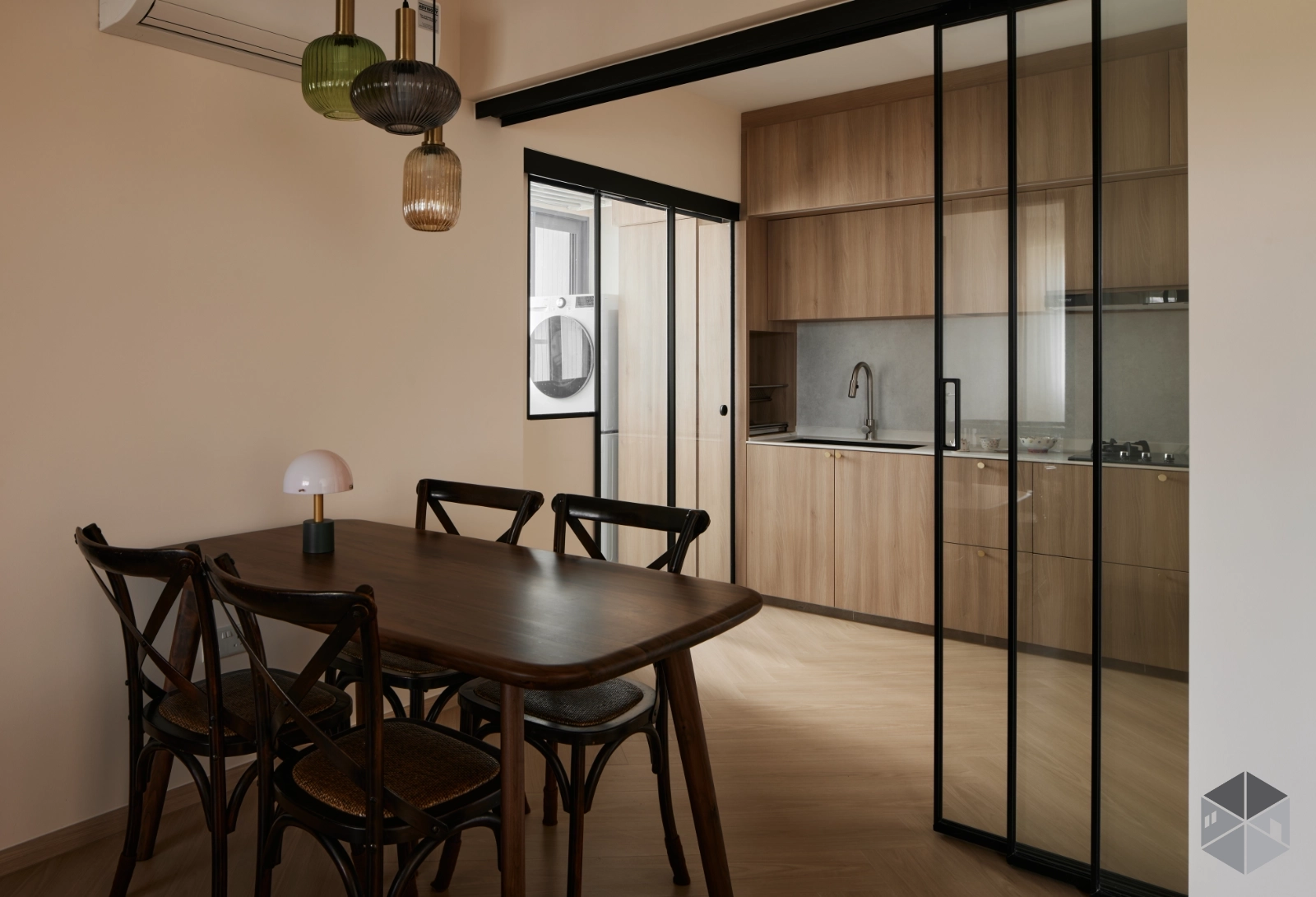
A Build-To-Order (BTO) flat is a new public housing unit offered by the Housing & Development Board (HDB) under a batch launch. When you apply, you enter a ballot process and wait for construction. Typically you wait around 3 to 5 years before you can move in.
A resale flat, in contrast, is an HDB unit that has already been built, lived in, and is now being sold on the open market. It offers immediate availability (once purchase formalities are done) and normally a wider location choice, especially in mature estates.
From a renovation perspective, this difference matters a lot. With a BTO you often start with a “blank sheet”-like unit, whereas a resale flat will come with existing finishes, fixtures, and wear and tear that you must evaluate. The renovation scope, timing, and cost will shift accordingly.
Here are some quick facts to mark the landscape:
- Eligibility, grants, and subsidy rules differ between BTO and resale.
- Purchasing price tends to differ: BTO often lower in outset though subject to waiting; resale often higher but you get move-in now.
- Leaseage: BTO always starts with full 99-year lease; resale may have fewer years remaining which affects value and renovation decisions.
So if you are looking to renovate, one of your first questions should be: “When can I start?” and “How much change will I need to make?” Your answers vary significantly depending on BTO vs resale.
Renovation Timeline Differences: Patience vs. Urgency
Let’s talk about your schedule. If you need to move in soon, or you prefer planning slowly, that will guide your decision.
If you choose a BTO unit, you’ll generally have a waiting period of around 3 to 5 years from application to hand-over of keys. During that wait you have time to plan your renovation, pick materials, engage a designer, and refine your layout ideas. That can feel good—you’re not rushed. But it also means you **start living** later.
In the renovation context, that waiting means less pressure to dive into decisions immediately. You can take your time to budget, choose finishes and work with an interior design team without the clock running fast.
On the other hand, a resale flat typically allows you to move in much faster—once transaction formalities are done (loan approval, HDB resale completion) you might have keys in weeks rather than years. That means your renovation often has to ramp up quickly. Many homeowners purchase a resale flat and aim to complete renovation within a few months. Because the flat might come with older systems (electrical, plumbing) or design features you want to change, that rush can impact cost or decision quality.
Here are the practical takeaways from the timeline viewpoint:
- If you have a long-term plan (5-10 years) and you’re okay with waiting, a BTO gives you breathing room for renovation.
- If you need to move quickly (for example due to job relocation, family need), a resale flat gives you flexibility—but expect tighter renovation timelines.
- In a resale scenario you’ll want to engage your interior designer **early**—right after purchase—to avoid losing time.
Promise: When you align your move-in timeline and renovation readiness with the flat type, you reduce stress and get smoother outcomes.
Layout and Design Flexibility: Blank Canvas vs Established Footprint
One of the biggest renovation questions is: “How much can I change?” The flat type affects that a lot.
With a BTO flat you’re essentially working with a new unit: standard HDB design, fresh structure, modern wiring, new plumbing. That gives you a lot of flexibility. You can plan your layout from scratch, including built-in storage, open plan living, custom joinery, smart home wiring. You don’t have to deal with old wall moves or hidden defects.
In contrast, a resale flat means the unit comes with an existing footprint—walls, fixtures, maybe older finishes—and if you want to make big structural changes (for example, moving walls or changing plumbing runs) you might run into cost, regulatory or logistical constraints. Older flats may also have quirks—odd layouts, awkward corners, or legacy pipe runs—that your designer needs to work around. But those quirks can also be turned into character features.
Let’s break down key layout & design factors:
| Aspect | BTO Flats | Resale Flats |
|---|---|---|
| Structural change freedom | High flexibility, new finishes, minimal repair work | Less flexibility without major cost, must evaluate live-in condition |
| Existing fixtures and finishes | Bare or semi-finished unit, design starts fresh | Existing walls, finishes, may need removal or upgrade |
| Custom layout options | Wide options: open plan, built-in wardrobes, integrated tech | Depends on current layout; may need creative design to re-configure |
| Electrical & plumbing baseline | Modern systems, fewer hidden issues | May need rewiring, plumbing replacement or flooring/hacking |
| Unit age and condition | Brand new (0 years), minimal wear & tear | Often 5-30 years or more, wear visible, may need structural check |
Design strategy tip: if you go for a resale flat you might want to budget **extra** for unexpected repair or layout rework. If you go BTO you can budget more on design and finishes rather than repair work.
Promise: When you pick the layout approach that suits your flat type, you get a more satisfying renovation rather than wrestling with constraints or budget surprises.
Typical Cost Differences in Renovation
Budgeting for renovation is one of the most stressful parts. Let’s dig into numbers and what drives variation.
In Singapore, when you compare a BTO unit vs a resale HDB flat from a renovation angle, the general trend is this: resale flats often cost more to renovate. Why? Because older units may require more “fix-up” (wiring, plumbing, ceilings) in addition to design work.
Here are recent data points: For both flat types in 2024/2025 renovation budget estimates (Singapore market) show:
- BTO flats: 3-room units ~ S$36,000-43,700; 4-room ~ S$51,000-61,800; 5-room ~ S$67,000-82,400.
- Resale HDB flats: 3-room units ~ S$51,000-61,800; 4-room ~ S$64,300-80,300; 5-room ~ S$84,300-97,000.
So if you are comparing a 4-room BTO vs a 4-room resale, you might find the resale budget needs to be 20-30% higher, depending on the flat’s condition, layout changes and finishes you pick.
Cost drivers to watch:
- Hacking and removal of old finishes (walls, floor, cabinets) in resale units.
- Electrical rewiring and plumbing replacements in older flats.
- Structural changes: wall removal, ceiling adjustments, smart home wiring.
- High-end finishes: built-in joinery, stone countertops, designer lighting.
- Contingency budget: always set aside at least 10-15% for items that pop up during work.
For BTO flats you may get away with a leaner renovation because you start fresh—but don’t skip budgeting wisely. Even a new unit needs careful design and quality finishes.
Tip: When you meet your interior firm, ask for the scope breakdown: base cost + design fees + joinery + mechanical/electrical/workmanship + contingency. Make sure you compare apples to apples when comparing quotes for BTO vs resale units.
Promise: When you track renovation costs based on flat type and take into account condition and scope, you stay within budget and avoid surprise cost jumps.
Design Style Aspirations: What Works Best for BTO and Resale Flats


The unit type also influences the design styles that will work smoothly. Let’s explore how you can align your design aspirations with flat type.
If you go with a BTO flat, you’re working with a new shell. That means modern minimalist, Scandinavian, Japandi styles often fit beautifully—clean lines, neutral palettes, smart storage systems, integrated tech. Because you’re starting from scratch, you can plan layout, storage and lighting from day one. And you can align finishes consistently across the home.

For a resale flat you may be dealing with older finishes, legacy fixtures or layout quirks—but that also brings opportunity. You can adopt transitional or modern-classic styles that build on character features (for example, larger unit size in a mature estate) while addressing dated elements. Feature walls, bespoke joinery, lighting upgrades and clever colours can revivify a resale flat without blowing your budget.

Here are design considerations for each scenario:
- BTO units: Use the new layout to plan built-in storage from day one; select finishes early while construction is on. Consider future family needs if you expect to stay long-term.
- Resale units: Assess condition first—flooring, ceiling, windows. Use design to cover or adapt old elements smartly. Use lighting and joinery to modernise without full structural overhaul.
- In both cases, ask: how many people live here? What kind of storage do you need? Do you host often? Will you work from home? These questions should shape design decisions, not purely aesthetics.
At elpisinterior we guide homeowners to match design style to flat type and lifestyle. That means you don’t pick a style in isolation—you choose a style that works with your unit and your life.
Promise: When you align your design style with the flat type and your lifestyle, your home will feel cohesive, functional and comfortable—not forced or mismatched.
How elpisinterior Supports Renovations for Both BTO and Resale Flats
You may now have a clearer sense of how BTO and resale options differ from a renovation perspective. But how do you turn that sense into action? That’s where working with an interior design firm that understands these differences matters.

Here’s how we at elpisinterior Interior Design support clients whether they choose BTO or resale flats:
- Initial consultation: We meet you to assess your needs, lifestyle, budget, and timeline. For BTO clients we map the waiting period and design roadmap. For resale clients we survey condition, layout, and costs early.
- Personalised design solutions: For BTO units we recommend layout planning ahead of hand-over, joinery and material selection early. For resale units we propose phased renovation options, cost-control strategies, and condition remediation.
- Project management: We coordinate the trades (carpentry, plumbing, electrical), monitor timelines, quality control. Especially for resale flats with tighter schedules, this helps avoid delays and cost creep.
- Transparent costing: We provide detailed quotations, breaking down materials, labour, joinery, contingency. Helps you compare BTO vs resale budgets fairly and decide with clarity.
- Craftsmanship and finish quality: Whether your unit is new or older, we ensure finishes meet expectations—neat, functional, beautiful. Because at the end you want a home you love living in every day.
We invite you to explore our full portfolio of past projects and client testimonials to see how we support homeowners across Singapore. View portfolio
Promise: When you engage an interior firm that understands the difference between BTO and resale, you don’t just renovate—you craft a home that fits your flat type, budget, timing and lifestyle.
