
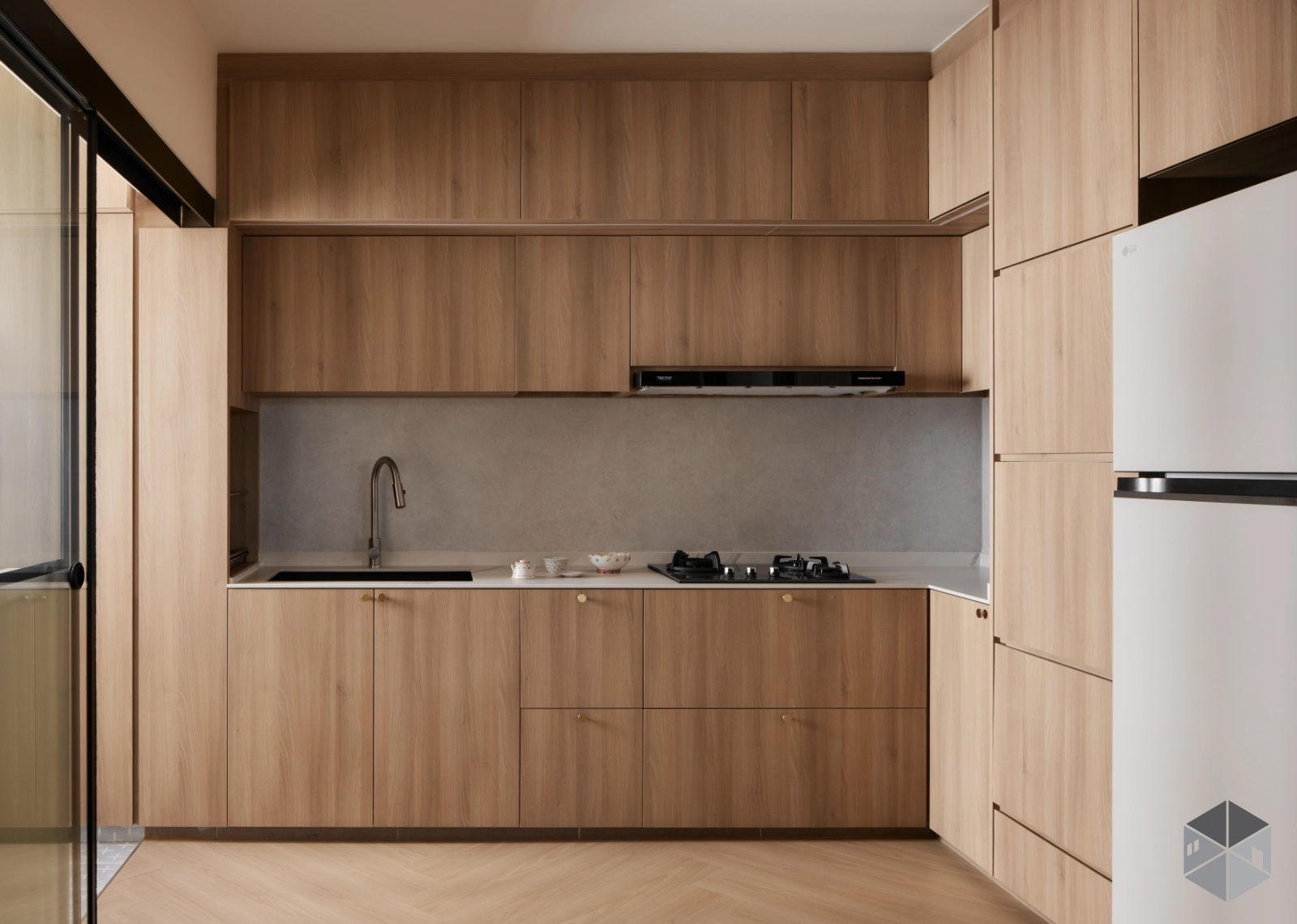
Stepping into your freshly-keyed BTO flat in Singapore can feel thrilling and daunting at the same time. You’re imagining a home that fits your family, but you also feel the weight of costs creeping in. You’re the hero of this story, and you want to build a place that reflects your way of living without being blindsided by budget surprises.
We at Elpis Interior have walked this path many times. We’ve heard the questions. We’ve seen the budgets drift. We know what good planning looks like. My job here as your guide is to bring clarity and control back into this process. By the end of this article you’ll understand realistic cost ranges, know what drives your spending, and feel confident in setting a budget that works for you in the Singapore market.
Let’s begin.


Current Market Cost Ranges for BTO Renovations in Singapore
You’ve just got your keys for your new HDB BTO flat. You want a home that matches your lifestyle. But you also want cost certainty. That’s your struggle. What we’ll do together is break down real-world figures in Singapore so you can place yourself on the cost spectrum, then find where you should sit.
Here are typical cost ranges for BTO (Build-To-Order) flats across sizes in Singapore (2025). These ranges cover standard renovations including carpentry, hacking, tiling, lighting, and general fittings:
| Flat Type | Average Renovation Cost (SGD) | Typical Range (SGD) |
|---|---|---|
| 3-Room | ~$20,000 | $15,000 – $25,000 |
| 4-Room | ~$30,000 | $25,000 – $40,000 |
| 5-Room | ~$40,000 | $35,000 – $50,000+ |
These figures assume standard materials and moderate layout adjustments. If you choose luxury finishes, bespoke carpentry or smart-home features, expect the budget to move higher. The point here is not to scare you but to give you anchors.
Knowing these cost brackets helps you align your design ambitions with your wallet. You can choose: are you going entry-level, mid-range, or premium? And you can decide what trade-offs you’re comfortable with. That way you don’t wake up mid-project with sticker-shock.
Primary Cost Drivers: Decoding Material Choices, Carpentry, Hacking, and Appliances
You likely feel the pressure of “what exactly am I paying for?” When you look at a quote, you might see line items you don’t recognise. That’s where we step in. I’ll walk you through major cost buckets so you get what each means, and you can make decisions with eyes open.

Materials and Finishes
The materials you pick set the tone of your home—and the cost. We’ve seen homeowners spend significantly more simply because they picked marble instead of good quality porcelain tile—or engineered wood instead of laminate. It works both ways.
Here is how you can think about materials:
- You can choose standard affordable tiles and laminates and achieve a clean look.
- You can step up to mid-tier finishes (engineered wood flooring, quartz countertops) for a good balance of cost and quality.
- You can go premium—full‐height marble wall panels, custom-designed joinery and imported fabrics—but budget will jump accordingly.
A practical tip: decide early on where your material “jump” is worth it. For instance, flooring in shared areas may benefit from mid-tier finishes because it’s used most; guest rooms might stay simpler. That’s how you spend smart.
Carpentry
Custom carpentry often becomes one of the biggest line items. You want storage that fits your family’s habits, wardrobes that adapt, maybe hidden features or built-in furniture. And that’s good—it adds value. But you need to know what you’re paying for.

Here’s how you can approach carpentry:
- Map out your storage needs in advance—what you and your family use regularly.
- Focus on the high-traffic zones—living room cabinets, wardrobes in master bedroom—rather than filling every wall.
- Ask for itemised joinery costs—how much is volume, how much is complexity, how much is finish. That way you know where to adjust.
At Elpis Interior we work with clients to tailor storage solutions that fit flow, function and budget. The promise: you get bespoke carpentry where it matters, cost-effective where it counts.
Hacking and Structural Adjustments
Perhaps you want to open up walls, merge rooms, relocate doors. That’s exciting—but these moves cost time, labour, and extra finishing work. That’s your real challenge. You don’t want structural changes to blow your budget.
Here’s how you can control hacking costs:
- Define the layout changes you need before quotes. Every change adds cost.
- Ask your contractor to map out the sequence—hacking, remove debris, new walls/floor repairs, finishing. That gives clearer cost transparency.
- Consider minimal structural change if you’re more budget-sensitive. Keep major walls intact and use design tricks (like sliding doors) instead of full removal.
The promise here is that by clearly understanding the cost structure for hacking you’ll feel in control—rather than surprised.
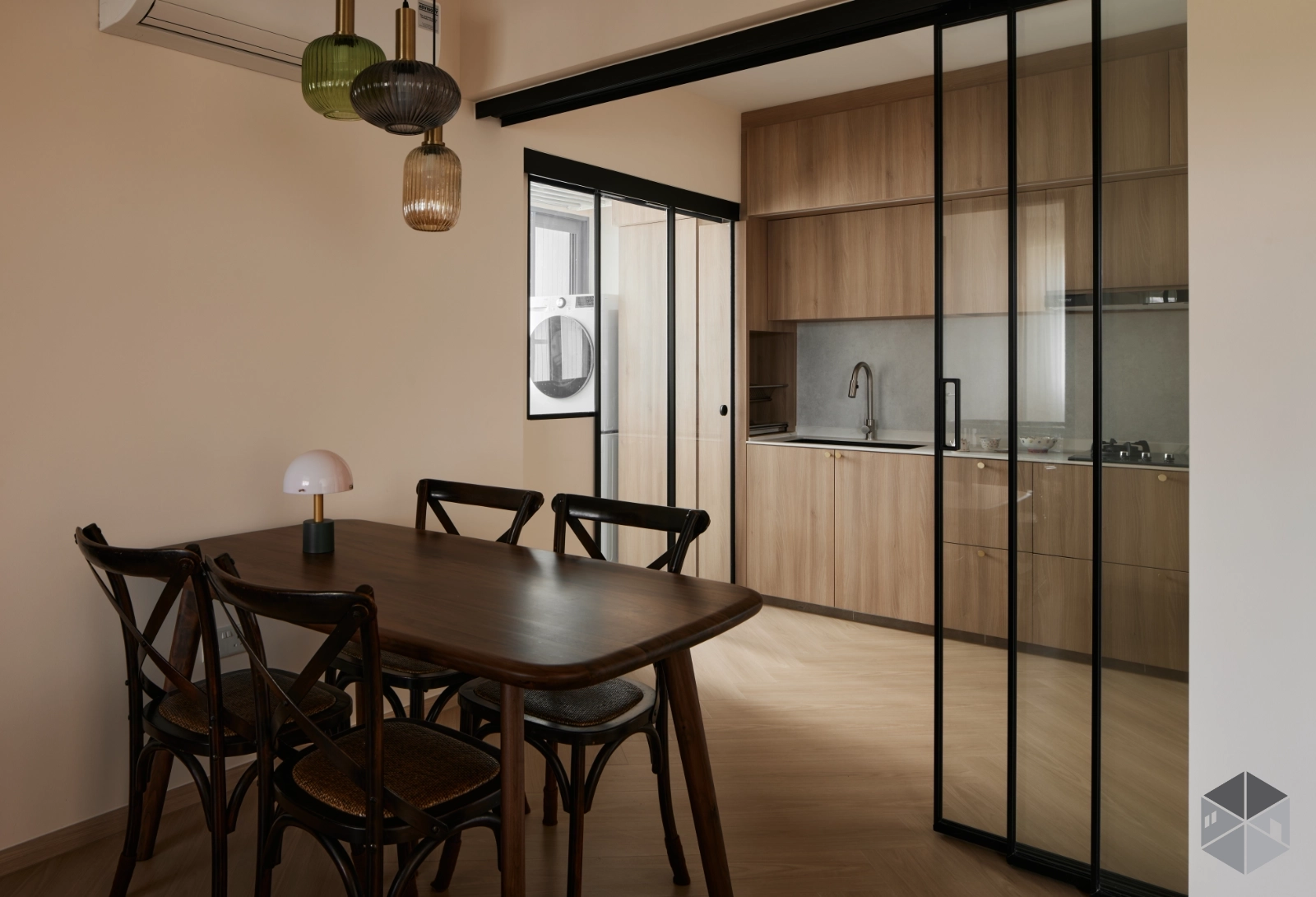
Appliances and Fixtures
Finally, the hidden budget leap often comes through appliances, bathroom fixtures and lighting. You want your home to look great and be functional—but feature-rich items add up.
Here are specific actions:
- Prioritise brand and functionality in the kitchen—dishwasher, hob, built-in oven. These are used constantly, so can be worth spending.
- Bathrooms—basic fixtures can look fine, but if you want rain-shower, smart toilet, premium tapware, you must plan for the extra cost.
- Lighting and smart-home integration—these add mood and value. But decide what matters: Do you need full home automation now or can you phase it later?
By understanding that these four buckets (materials, carpentry, hacking, appliances) steer most of your budget, you gain clarity. The promise here: you’ll know where excess levers lie—and you’ll steer them rather than ignore them.
Aligning Budget with Lifestyle and Design Ambition
Every household in Singapore is different. You may be a young couple, a family with children, or multi-generational. Your lifestyle matters. That’s your struggle: design must reflect how you live, not just how you dream.
As your guide, I’ll help you figure out your design ambition in realistic terms. And my promise is: your budget will reflect you—not just generic averages.
Think through these questions:
- How often do you entertain friends and family? If often, your living and dining areas matter more.
- Do you work from home? Then your study or flex-room needs priority.
- Are you minimalist or do you need storage for kids, equipment, hobbies? That drives carpentry costs.
Here’s a scenario: A family of four in a 4-room BTO in Tampines chose a Scandinavian minimalist design. They spent about $32,000—around the mid-range. They chose mid-tier engineered wood for living areas, standard tiles for bedrooms, custom wardrobes in two rooms, but delayed their smart lighting upgrade until year two. Their layout changes were minimal because they accepted the original floorplan. The result? A home that works for their routine, looks clean and modern, and stayed on budget.
Your budget isn’t a number pulled out of thin air. It’s based on choices. When you align design ambition with lifestyle, you allocate money where it counts. And the promise is: fewer surprises, more satisfaction.
Cost-Saving Strategies Without Compromising Quality
You may feel pressure: you want quality, you want design, but you want to keep costs in check. That tension is real. As your guide I’ll walk you through strategies we’ve used with homeowners in Singapore that deliver results. The promise: you save cost and keep result strong.
Here are practical strategies:
- Phase your renovation. Do essential areas first (kitchen, master bathroom), defer feature walls or guest room finishes.
- Choose local material alternatives. Importing often costs more. Local high-quality tiles or laminates may perform just as well.
- Use multi-purpose furniture and smart carpentry. Instead of full-room bespoke joinery, focus on zones you use most.
- Negotiate quotes carefully. Ask for line-item breakdowns. You’ll see what’s driving cost and you can choose where to adjust.
We worked with one couple in West Coast: they delayed their built-in wardrobes by one year, used semi-custom pieces initially, and reinvested in custom joinery later. They saved about $4,000, without compromising their overall design integrity.
Using smart strategies doesn’t mean settling. It means making deliberate choices. The promise: you’ll spend where it matters, and save where it doesn’t reduce your satisfaction.
How Elpis Interior Delivers Value and Why Quote Transparency Matters
You might still worry: will the quotes hide costs?
Will I really know what I pay for? That concern is valid. And as your guide I’ll show you what transparency looks like—so you walk in confidently.

At Elpis Interior we make sure you receive an itemised quotation. Here’s what we include:
- Hacking and demolition cost (labour and debris removal)
- Structural works and wall/floor repair
- Carpentry: unit count, material type, finish specification
- Materials: tile sqm, flooring sqm, wall panels
- Appliances and fixtures: brand/model, warranty, installation cost
- Contingency buffer (we always recommend adding 5-10% for unexpected items)
You as homeowner get clarity. You ask: why this cost? What happens if I reduce this line? It becomes your choice. The promise: you control your budget rather than being controlled by it.
Engaging us means choosing a partner who listens, plans with you, and implements with care. If you want a BTO renovation in Singapore that balances design, function and costs—reach out via our enquiry page. Your Vision. Our Expertise. Every space begins with listening. Are you ready to make choices you feel confident about?
Let’s start your renovation journey in Singapore with clarity and purpose.
